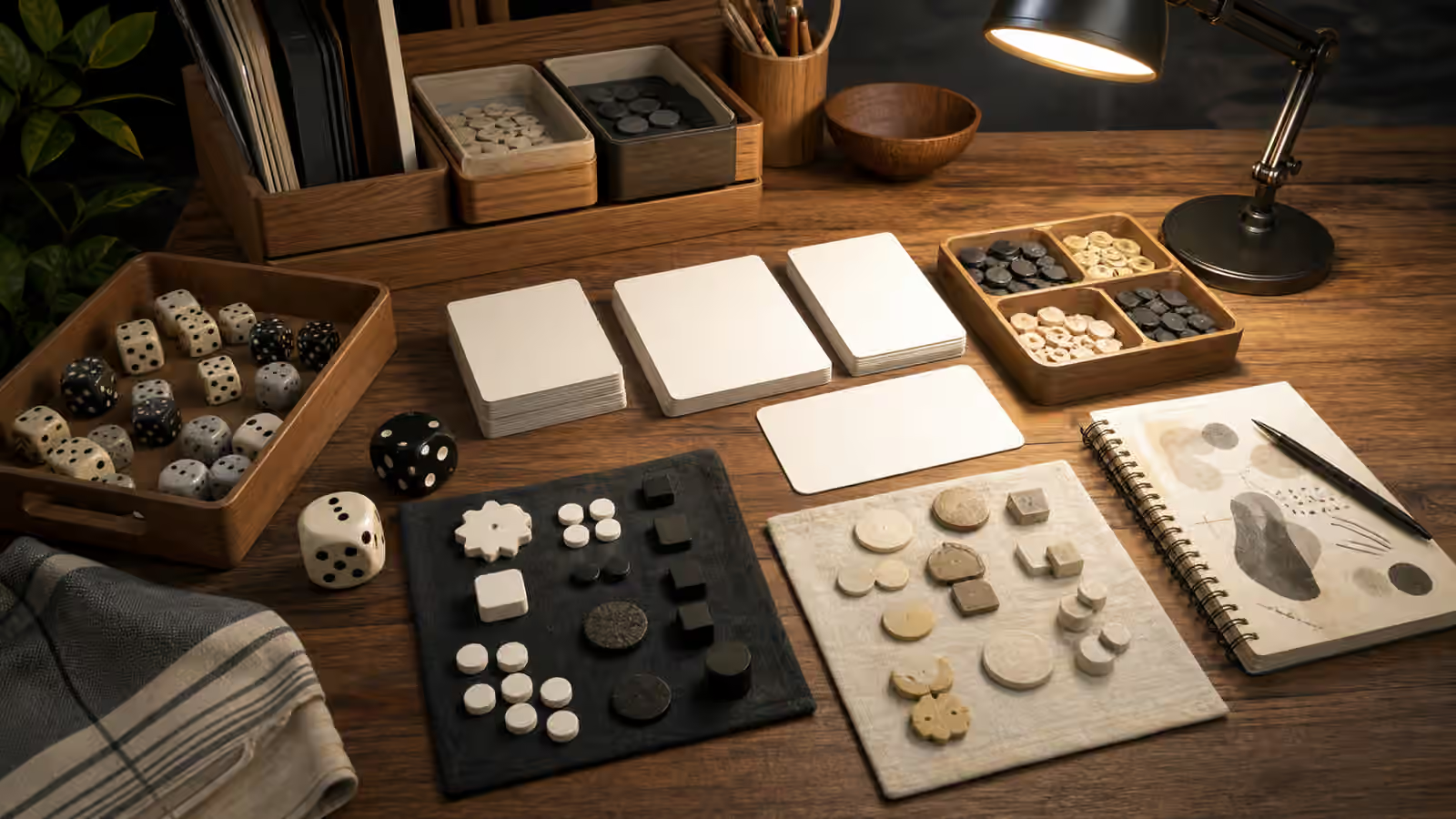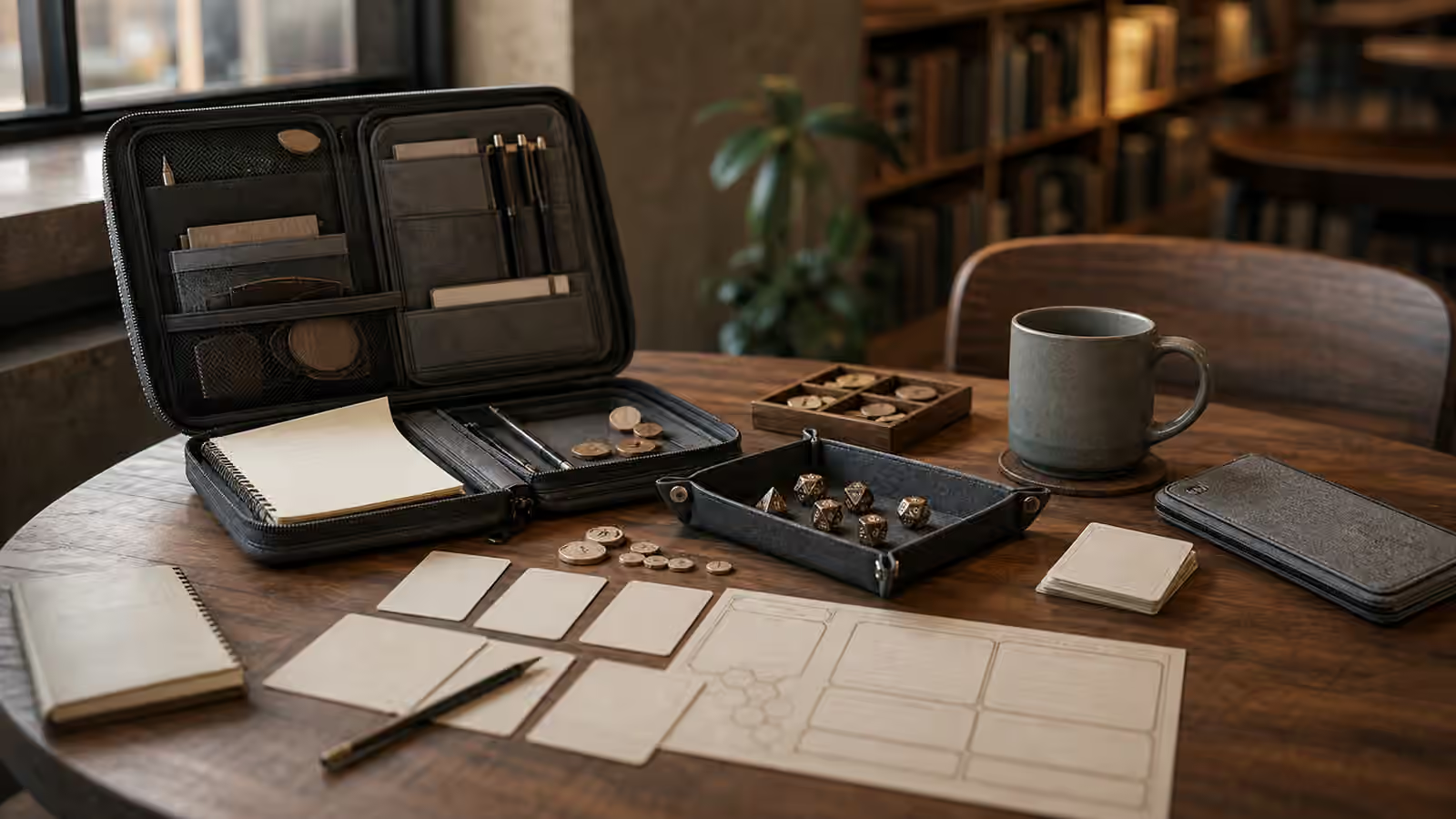
Solo tabletop has an advantage: you can adapt the table without negotiating with a crowd. You can change lighting, component size, rules references, pacing, writing method, dice, seating, and storage so the game fits the body actually playing.
Start With Visibility and Reach
Increase light, reduce glare, use high-contrast cards, enlarge references, and put active components inside comfortable reach. A tray can move the game closer. A book stand can save neck strain. Large dice can help visibility, while a quiet tray can manage sound.
If the official text is hard to use, make a private summary in your own words. Share only original or permitted aids.
Test the table from the actual seat before play. Can you read the farthest card, reach the draw pile, lift the box, turn pages, and see the map without twisting? Move components into zones: always active, occasional, archive, and drink-safe. A beautiful layout that hurts to use is not accessible.
Adapt the Pace
Breaks, shorter scenarios, fewer rolls, and smaller maps are valid. A game that only works when you ignore pain, fatigue, or attention limits is not the right setup tonight.
Use a restart line so breaks do not erase the session.
Pace adaptations can be built into the rules of the night. Play to a timer instead of a win condition. Resolve one room instead of the whole dungeon. Use a pre-rolled list if dice handling is tiring. Lower bookkeeping when arithmetic is the barrier. These are ways to keep the game available, not ways to cheapen it.
Change the Log Format
Writing can be bullets, symbols, stickers, voice notes, typed notes, or object lists. The log exists to help you return. It does not need to look like anyone else’s journal.
Choose the format that preserves memory with the least friction. A photo of the board can help private recall if sharing would reveal protected material. A voice note can capture a scene when handwriting is painful. A typed log can be easier to search. Analog play can still use digital access tools respectfully.
Keep Respect at the Center
Accessibility is not a special exception. It is table design. Adapted play is the normal practice of making rules, components, and memory usable.
When discussing adaptations in community spaces, avoid framing them as easier, lesser, or cheating. Name the barrier and the solution. That helps other players learn without forcing anyone to disclose more about their body or attention than they want to share.