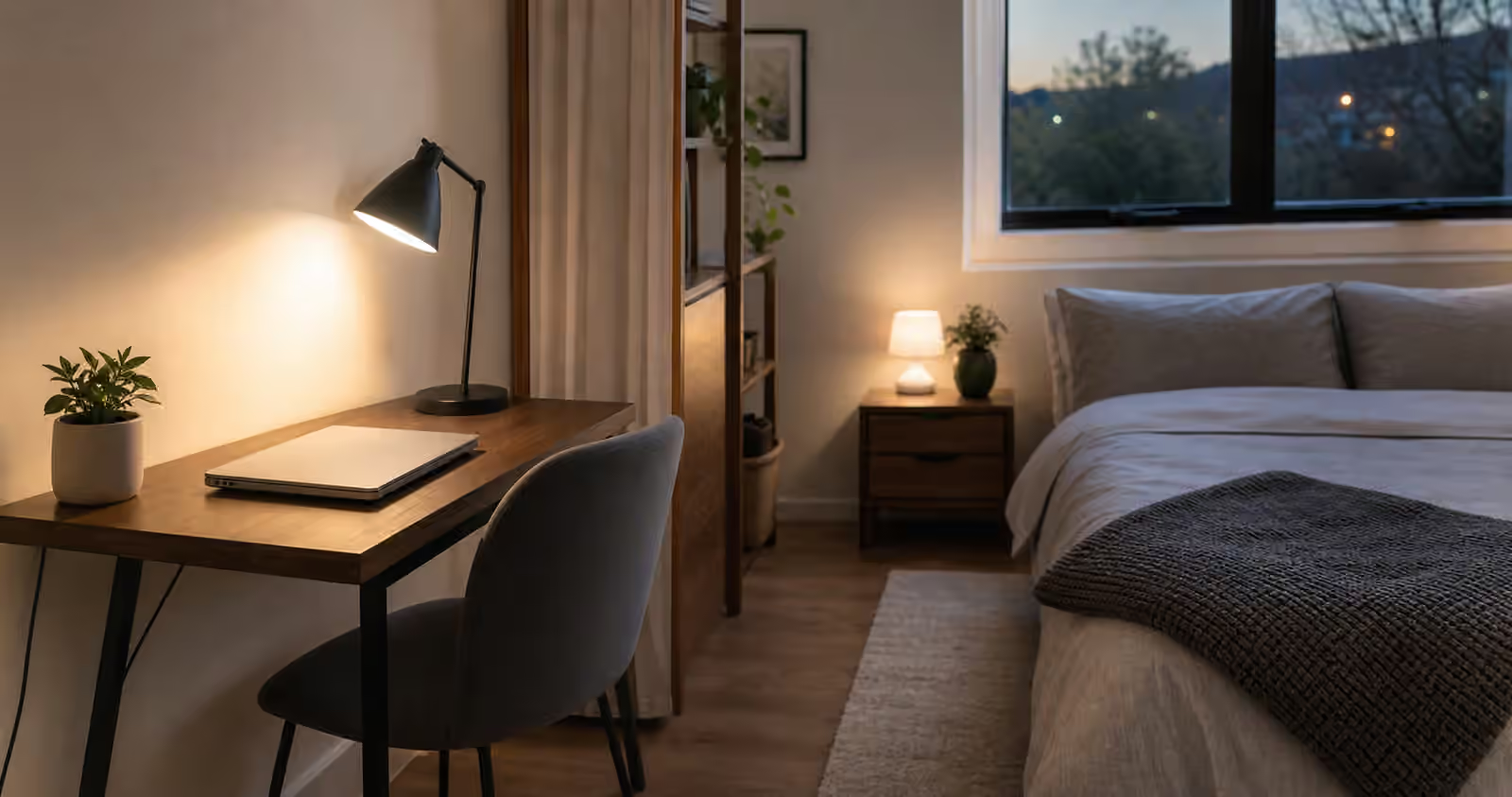
A sound machine should make the room less distracting, not become the loudest object in it.
The best setup depends on what you are masking: hallway voices, street noise, a partner getting ready, building systems, or sudden outdoor sounds.
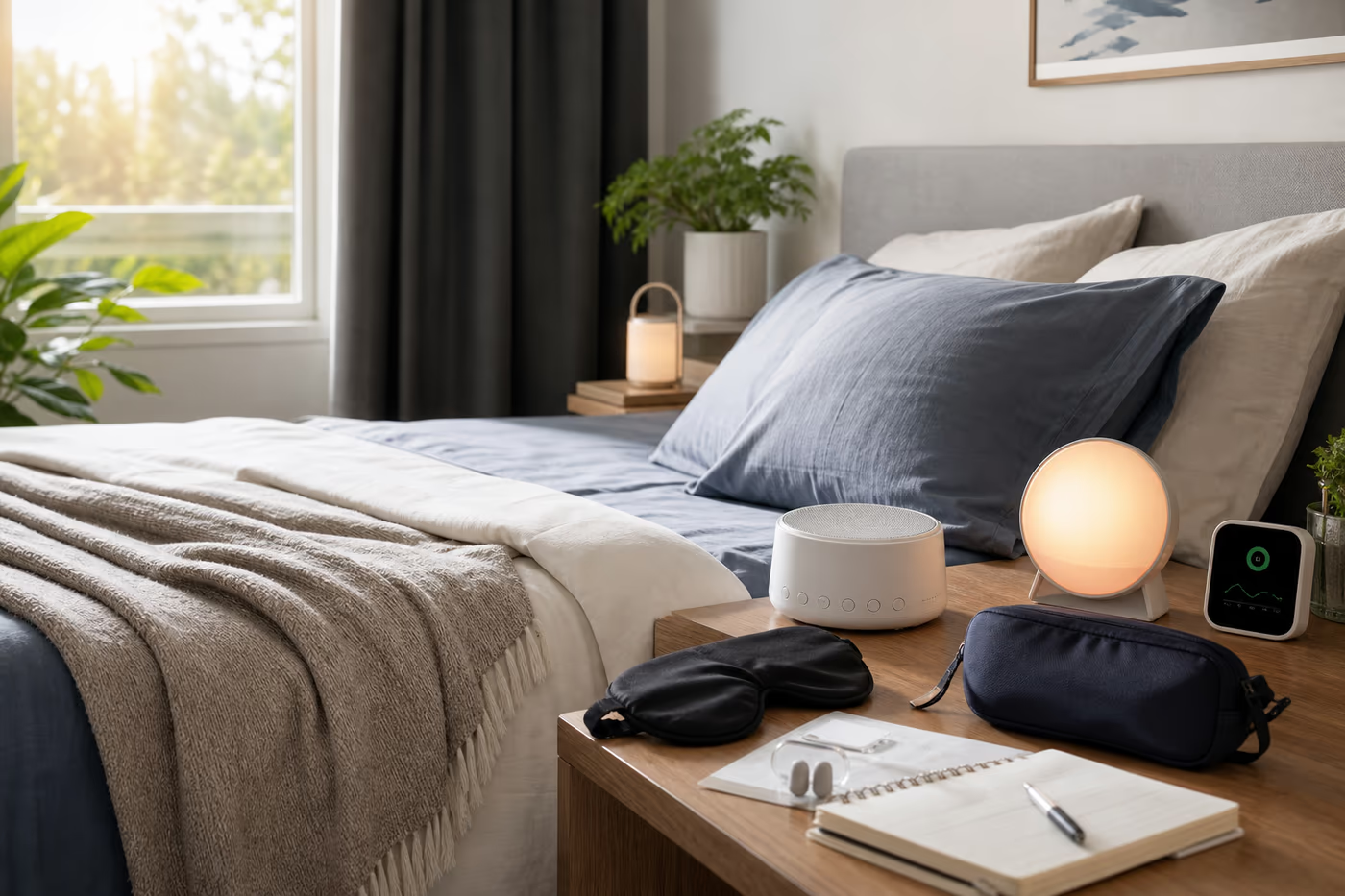
Match sound to the noise
A sound machine works by placing a steady sound between you and the distraction. Hallway voices often call for placement near the door. Street noise may be better masked between the bed and the window. A partner getting ready may only need a lower setting on the disturbed sleeper’s side. Sudden building sounds may call for a consistent masking sound near the bed or shared wall. Travel rooms are often easier when the same familiar sound can sit near the bed or door each trip.
The goal is masking, not volume. If the machine has to be loud to work, placement or the sound type may be wrong.
What to compare
Compare the character of the sound before comparing features. Fan-based machines create mechanical sound and often feel simple. Digital machines offer more sound choices, smaller bodies, and travel convenience, but obvious loops, bright screens, or tiny buttons can become annoying. The volume range needs fine control, especially at the low end. Buttons should be usable in the dark. Timer and memory settings matter if you want the same sound every night. Power source, cable placement, and travel size matter only after the sound itself works.
Fan-based versus digital
Fan-based machines create mechanical sound and often feel simple. Digital machines offer more sounds, smaller sizes, and travel convenience, but loops, bright screens, or tiny buttons can become annoying. Phone apps are flexible, but they add notifications, battery drain, and screen management.
Put sound near the problem
Placement matters as much as the sound. If hallway noise is the issue, the machine may work better near the door than beside your head. If traffic comes through one window, put the sound between you and that wall. If a partner is bothered by the machine, lower volume and move it farther from the pillow before giving up. White noise should blend the interruption into the background. If it becomes the loudest thing in the room, it has turned into a new problem.
Shopping shortcut
For a bedroom-first setup, compare white-noise machines with dim controls . If you want one familiar sound at home and on trips, compare portable white-noise machines instead.
Avoid the sound mistakes
The biggest mistake is placing the machine beside your head when the noise comes from the door or window. Another is choosing a sound with an obvious loop that becomes more distracting than the original noise. Bright displays should not face the bed. Phone audio can work, but notifications, battery drain, and screen management may make it less restful than a dedicated device. Travel machines should still have controls large enough to use in the dark.
Good default
Place the sound between you and the noise source when possible. For hallway noise, the nightstand may not be the best location. For partner schedule noise, a lower bedside setting may be enough.
Next step
Move the sound source before buying another one. Placement often changes the room more than a new sound menu.
Apply this guide as a decision record
Use White-Noise Machine Guide: Sound, Placement, Loops, and Controls to turn a vague household question into a checkable one. Its scope is specific: A beginner guide to choosing a white-noise machine or sound setup for masking everyday bedroom noise. Before changing the setup, write down the condition you are trying to change, the constraint that matters most, and the evidence you still lack.
For a first pass through white noise machine guide, compare the current state with a relevant baseline and record one observation, measurement, or conversation. Make the smallest reversible change available. Keep the manual, model number, room condition, schedule, or maintenance note beside the decision so a future check does not depend on memory. Keep white noise machine, bedroom sound in view as separate signals instead of treating them as one verdict.
A useful follow-up asks whether White-Noise Machine Guide: Sound, Placement, Loops, and Controls improved the named problem without creating a new one. Check the tradeoff that fits this subject — heat, noise, comfort, water, power, wear, effort, or cost — and describe the result in plain language. If a boundary is safety-critical, stop at the guide’s limit and bring the details to a qualified local professional.
The conclusion for white noise machine guide should stay narrow. Record what was observed, which condition made the result possible, what maintenance keeps it dependable, and what would make you revisit the choice. That turns a guidebook into a decision record you can use again rather than a promise to remember.