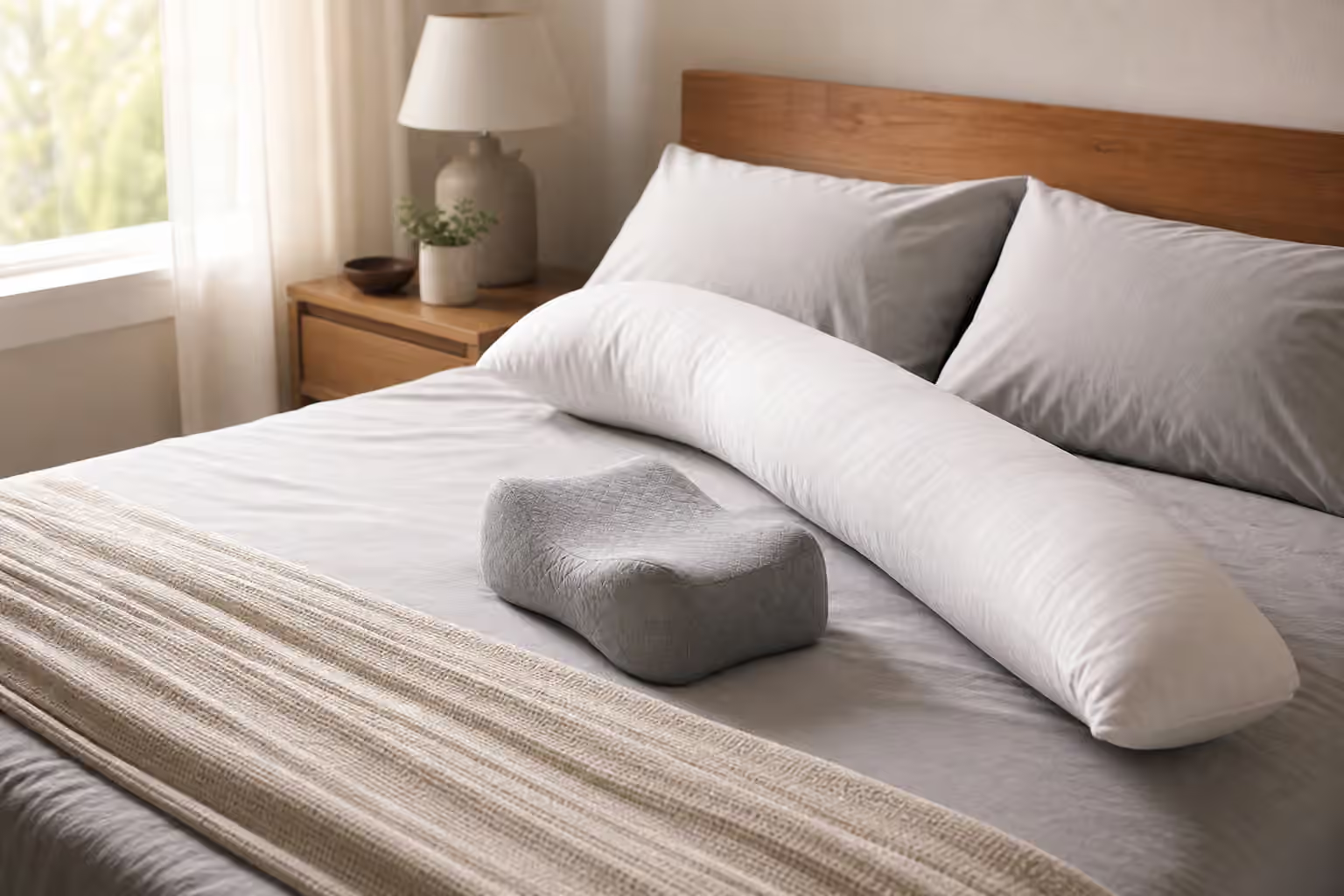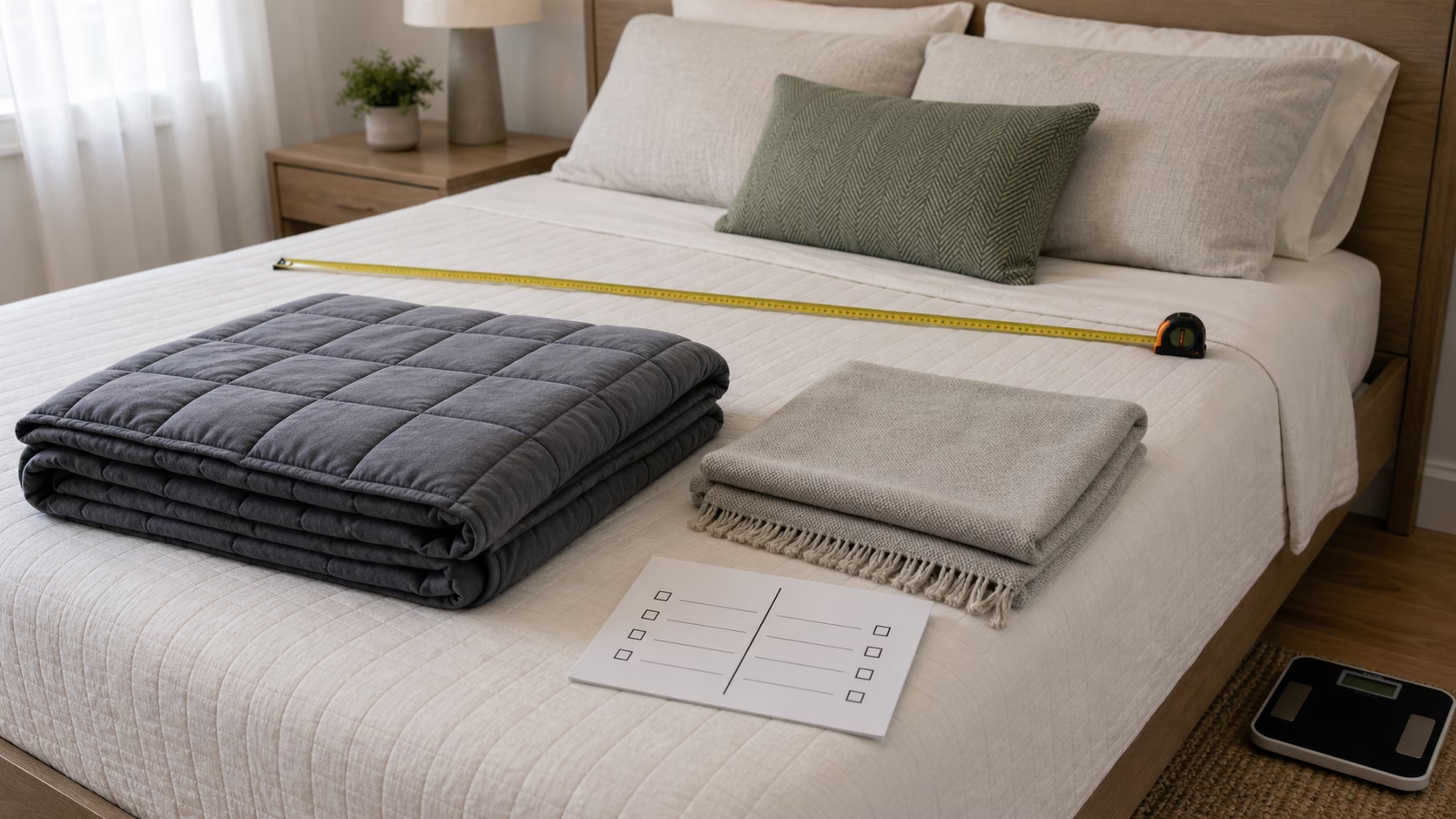
Weighted blankets are a preference product. Some people like the steady feel. Others find them too warm, restrictive, or annoying to wash.
Treat the purchase as a comfort trial, not a promise.

Size matters more than bed size
A weighted blanket usually works best as a personal layer. If it hangs far over the mattress edge, its own weight can pull it down. If it is too wide for one sleeper, it can become awkward to turn, fold, wash, and store.
For couples, buy for the person who wants the weight. Shared weighted blankets often create warmth and tugging problems unless both people clearly want the same feel.
What to compare
Compare total weight, how that weight spreads across the body, blanket size relative to the sleeper, fill type, cover material, warmth level, and washing instructions. A blanket that feels good for five minutes can still be wrong if the fill shifts, the cover traps heat, or the whole thing is miserable to clean.
Glass bead fill often feels smoother and less bulky. Plastic pellet fill can feel thicker or more textured. Quilted pockets help keep weight from shifting. A removable cover makes routine washing easier. Cotton covers feel familiar and breathable in many rooms. Plush covers feel cozy, but they are often warmer.
If you already sleep warm, treat fabric and cover choice as seriously as total weight.
Comfort is a fit problem
Weighted blankets are personal. Some people relax under steady pressure; others feel trapped, hot, or annoyed after ten minutes. That reaction matters more than any chart. Try to separate the pressure from the temperature, because many complaints are really heat complaints. A breathable cover, smaller throw size, or lighter weight may solve the issue better than buying the heaviest blanket available. If the blanket will be shared, treat it like bedding, not a universal therapy tool.
Shopping shortcut
If you are trying the category for the first time, compare weighted blankets with removable covers and favor one-person sizing. A washable cover is usually more useful than another decorative texture.
Treat it like a trial
If you have never tried a weighted layer before, buy carefully. Decide whether it will be used alone, over a sheet, or over another blanket. Choose whether it covers one sleeper or two. Make sure you can lift, carry, wash, and dry it safely. Check whether the cover stays attached during use and whether the return policy remains clear after opening.
Cleaning and storage test
Before buying, check whether the inner blanket, cover, or both can be washed at home. Also check whether you can lift it comfortably when it is dry. A blanket that is pleasant on the bed but miserable to wash may not fit your setup.
Store it where it can be lifted without pulling a stack of bedding down. Weighted blankets do not belong on a high shelf if that makes regular use awkward.
Good default
Buy for one person first. A shared weighted blanket can create tugging, heat, and preference conflicts. For couples, Split Bedding and Blankets is usually the cleaner approach.
Next step
Try weight as a personal layer before making it the shared bed plan. Comfort works better when the person who wants the weight controls it.
Apply this guide as a decision record
Use Weighted Blanket Buying Guide: Weight, Warmth, Size, and Cleaning to turn a vague household question into a checkable one. Its scope is specific: A practical checklist for choosing a weighted blanket by size, fabric, fill, heat, and care needs without treatment claims. Before changing the setup, write down the condition you are trying to change, the constraint that matters most, and the evidence you still lack.
For a first pass through weighted blanket buying guide, compare the current state with a relevant baseline and record one observation, measurement, or conversation. Make the smallest reversible change available. Keep the manual, model number, room condition, schedule, or maintenance note beside the decision so a future check does not depend on memory. Keep weighted blanket, blankets in view as separate signals instead of treating them as one verdict.
A useful follow-up asks whether Weighted Blanket Buying Guide: Weight, Warmth, Size, and Cleaning improved the named problem without creating a new one. Check the tradeoff that fits this subject — heat, noise, comfort, water, power, wear, effort, or cost — and describe the result in plain language. If a boundary is safety-critical, stop at the guide’s limit and bring the details to a qualified local professional.
The conclusion for weighted blanket buying guide should stay narrow. Record what was observed, which condition made the result possible, what maintenance keeps it dependable, and what would make you revisit the choice. That turns a guidebook into a decision record you can use again rather than a promise to remember.