
A vacation rental bedroom is neither fully yours nor fully managed like a hotel room. It may have a real closet, extra blankets, odd lamps, unfamiliar windows, decorative pillows, a noisy refrigerator nearby, and a bed chosen for many kinds of guests. That makes it flexible, but also unpredictable. The first night often goes poorly because everyone arrives tired and treats the room as fixed. For background, see CDC/NIOSH — Tips to Improve Your Sleep When Times Are Tough .
The better approach is a short arrival reset. You do not need to rearrange the property or bring a suitcase full of gear. You need to learn the room while there is still daylight, make temporary changes that can be undone, and give your sleep kit a few stable places to land.
Read the room before unpacking
Before spreading luggage across the bed, walk through the bedroom like a small setup check. Look at the window, door, bed height, pillows, outlets, lamps, thermostat or fan, rug edges, and any noise sources. Notice where morning light will enter. Notice whether the curtains close fully. Notice whether the bed is against an exterior wall, under a vent, or near a hallway. Notice whether the nightstand has reachable power or whether charging will pull a cable across the floor.
This inspection is not fussy. It prevents the tired version of you from discovering every problem after lights out. A rental room may have a beautiful bed and a lamp that cannot be reached from the pillow. It may have blackout curtains that leave a bright vertical gap. It may have extra blankets in a closet that nobody checks until the room is cold.
Hotel Room Sleep Setup uses a similar arrival reset, but a rental has more home-like variables. You may be able to move a small chair, choose another blanket, open a window, or set up laundry. With that flexibility comes the responsibility to keep changes respectful and reversible.
Make the bed familiar without pretending it is home
Start with what touches the body. Remove decorative pillows from the sleep surface and place them where they will stay clean and out of the path. Check the sleeping pillows for height and firmness. If there are several, choose the closest match rather than stacking every pillow into a tower. If you travel with a pillowcase, sleep mask, or small blanket, put it in place before bedtime instead of hunting for it later.
Rental bedding can be unpredictable because hosts balance durability, appearance, and many guest preferences. The bed may run warmer than yours, especially if it uses a thick protector, synthetic comforter, or heavy duvet. It may also run cooler if the room is drafty or the bedding is minimal. Do not decide from appearance. Sit on the bed, feel the top layers, and find the spare blanket before you need it.
If the fitted sheet is loose, smooth the sleeping area rather than remaking the whole bed. If the blanket is too heavy, fold it to the foot and use a lighter layer if one is available. If the pillow is wrong, try a folded towel under or over the pillow only if it stays comfortable and clean. The goal is a temporary workable bed, not a perfect duplicate of your usual setup.
Control light with reversible moves
Vacation rentals often have charming windows and imperfect light control. Shutters may leak at the edges. Curtains may be decorative. A skylight may be lovely at noon and bright at sunrise. Bring the personal tools first: a sleep mask, a familiar eye cover, or clips if they are part of your kit. Avoid taping surfaces, pinning fabric in ways that leave marks, or moving heavy window treatments.
Small reversible changes can help. Pull curtain panels to overlap differently. Use a chair to hold a curtain edge only if it will not damage fabric or create a path hazard. Close a hallway door if light spills through. Turn alarm clocks, routers, or appliance LEDs away from the bed when they can be moved without unplugging important equipment. If a device belongs to the property and you are unsure what it controls, leave it alone.
Sleep Masks and Earplugs is the travel-friendly companion here because personal light control is often easier and more respectful than trying to solve every window.
Name the noise before masking it
A rental may have unfamiliar sounds: road noise, neighbors, plumbing, heating, wildlife, stairs, an ice maker, a pool pump, or people sharing the property. White noise can help, but it works better when placed near the noise path rather than automatically beside the pillow. If sound comes from the hallway, a small machine or phone speaker near the door at low volume may mask it more effectively than a louder sound at the head of the bed.
Use volume restraint. A rental is a shared environment even when it feels private. Sound that helps your room should not become the next room’s problem. Earplugs may be the cleaner answer if the noise is intermittent or if other guests are nearby.
White-Noise Machine Guide explains placement and looping in detail. In a rental, the added rule is simple: choose portable, reversible, low-impact sound control first.
Airflow and temperature need an early test
Thermostats, fans, mini-splits, radiators, and window units vary widely across rentals. Test controls before bedtime. Learn whether the fan clicks, whether the vent blows directly on the bed, whether the unit has a bright display, and whether windows are meant to open. If the property instructions ask guests not to adjust something, follow that instruction and work with bedding and clothing instead.
A room that feels fine at arrival can change after showers, cooking, closed doors, or a temperature drop outside. Find the blanket, fan, and window options early. Check whether luggage blocks vents. Notice whether curtains trap heat around the bed. If the room feels damp or stale, gentle airflow may help more than colder air. Bedroom Temperature and Airflow gives the same room-and-bedding logic that applies at home.
Keep luggage out of the sleep path
Luggage is the easiest rental problem to create. A suitcase opened on the bed delays bedtime. A bag on the floor becomes part of the nighttime path. Shoes migrate under the edge of the bed. Charging cables stretch from a distant outlet. The room is temporary, but the route from bed to door still needs to work.
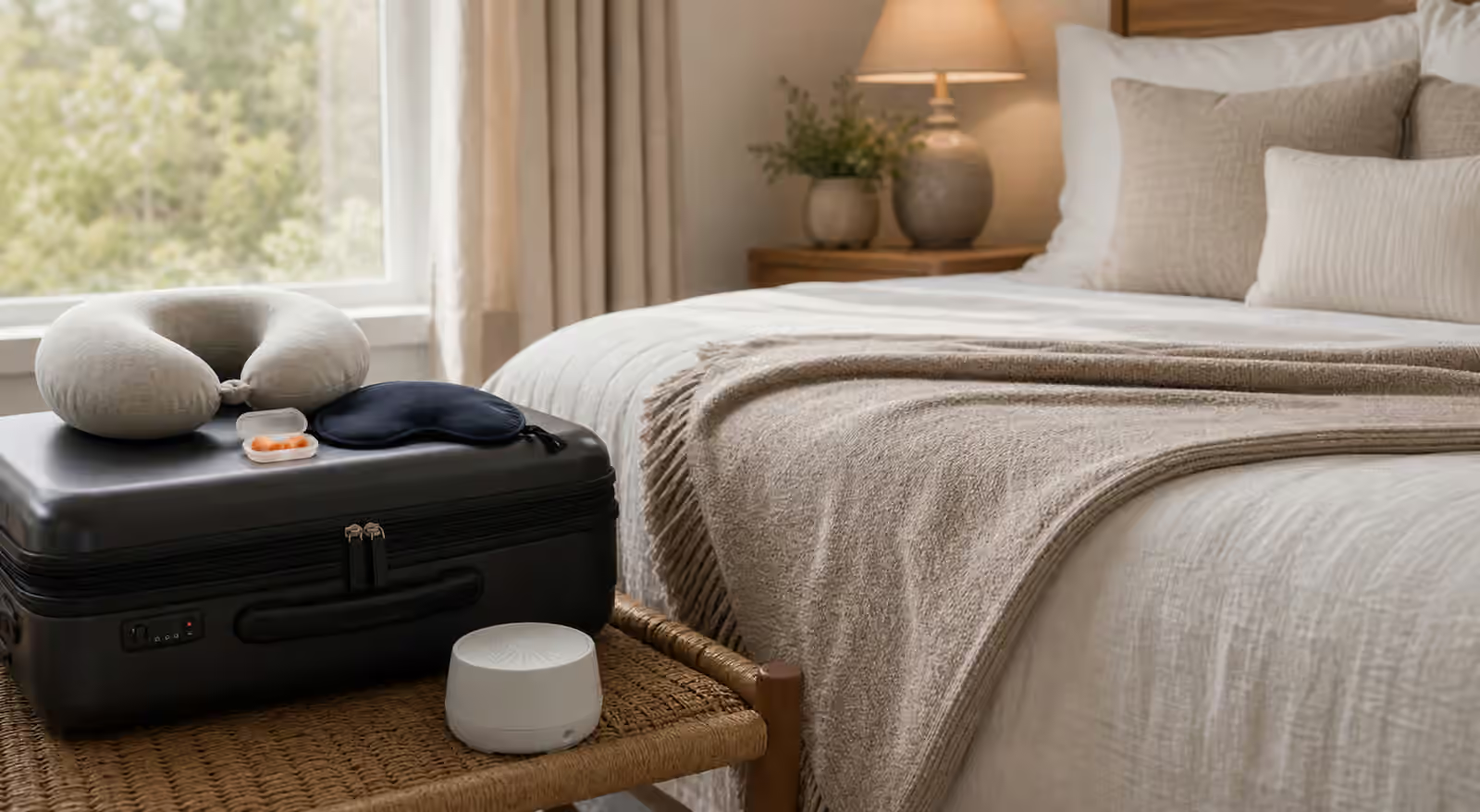
Use a bench, luggage rack, chair, or closet floor if available. If luggage must be on the floor, place it outside the route you will use in the dark. Keep the sleep kit together: mask, earplugs, charger, medication if applicable, water, and reading item. The travel kit should not scatter across the rental because every scattered object becomes harder to find at checkout.
Travel Sleep Kit is the base guide for packing. This guide is what happens when that kit lands in a borrowed room.
Reset the room before leaving
A respectful checkout reset is part of the setup. Put moved furniture back. Return extra blankets to where you found them unless the host instructions say otherwise. Gather personal clips, masks, chargers, and pillowcases. Check behind the nightstand and under the bed edge. Leave the room easy to clean.
The best vacation rental sleep setup is light-handed. It uses observation, personal tools, and reversible room changes. It accepts that the room is not home, but it refuses to let small fixable frictions define the first night.


