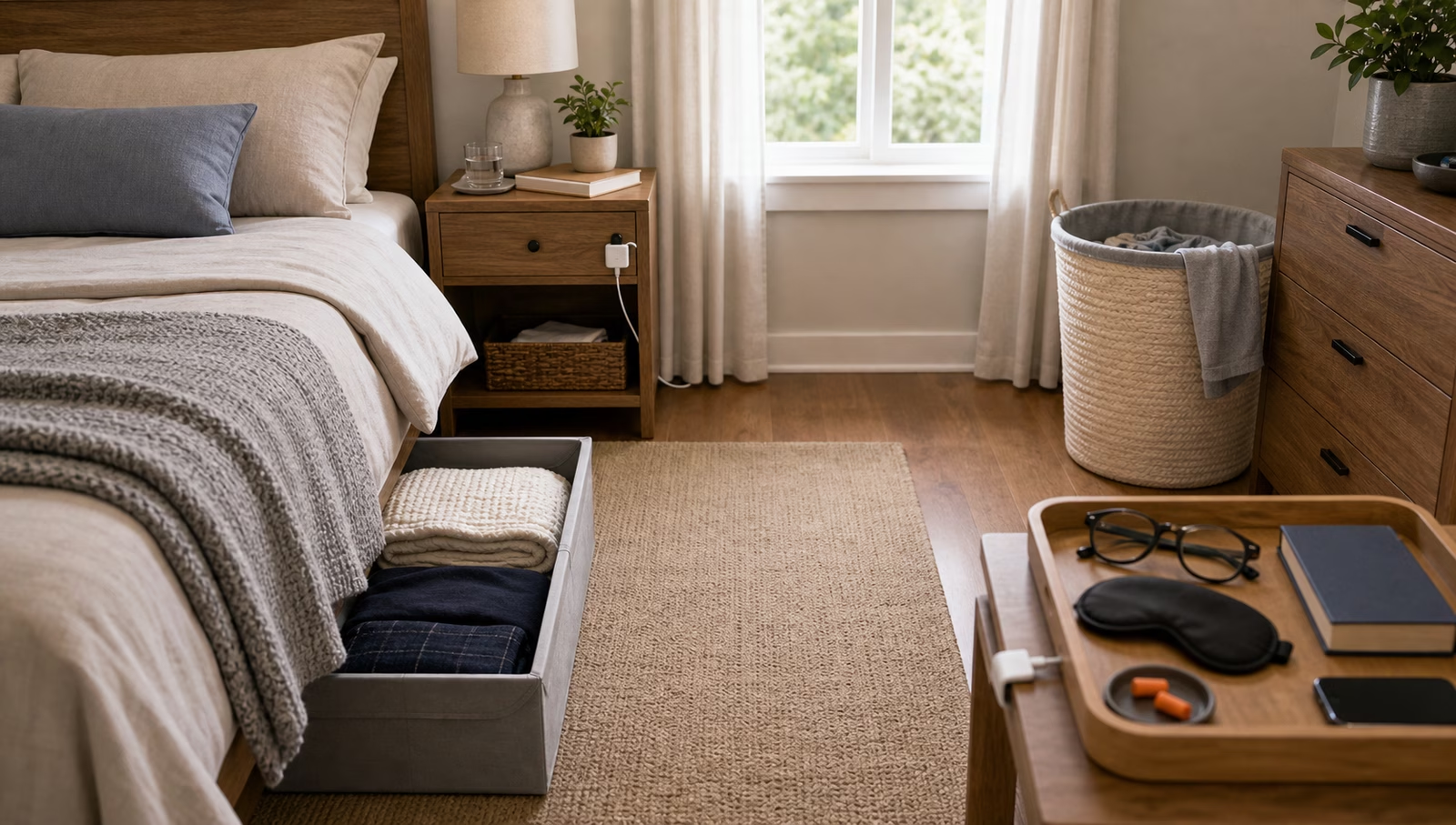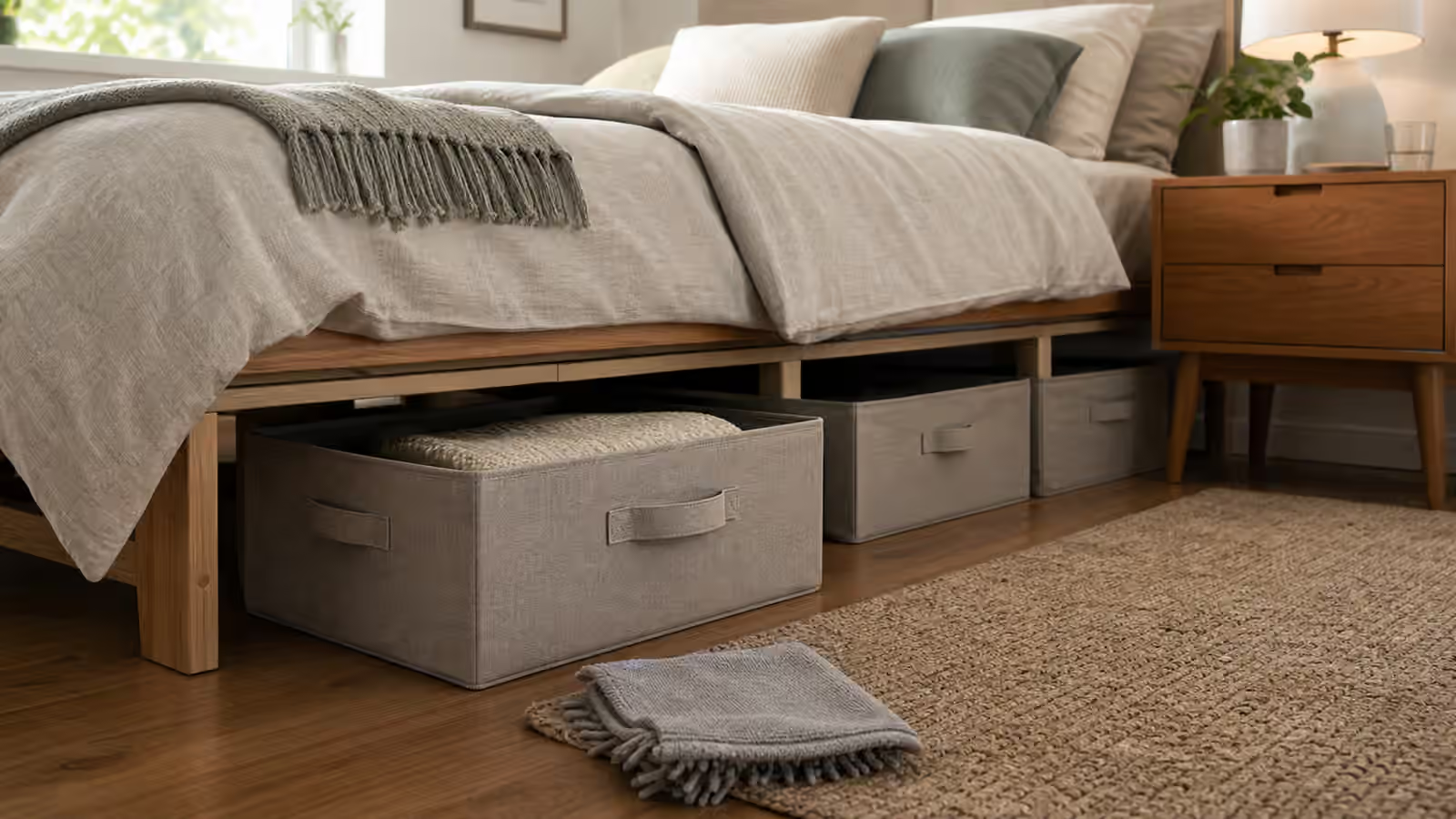
Under-bed storage is tempting because the space is already there. In a small bedroom, it may be the difference between a calm room and a chair permanently buried under off-season bedding. The trouble is that the area under the bed is also part of the sleep setup. It affects dust, airflow, cleaning, floor paths, bed height, frame noise, and how easy the room is to reset on an ordinary weeknight. For background, see EPA — Biological Contaminants and Indoor Air Quality .
This guide treats under-bed storage as a working system, not a hidden closet. It can be useful, but it should not make the mattress stale, the floor impossible to clean, or the nightly path more crowded. If the room already has moisture problems, visible mold, pest activity, damaged flooring, or strong odors, solve those as home maintenance issues before turning the bed into storage furniture.
Store Slow Items, Not Daily Items
Under-bed space works best for things you do not need constantly. Spare sheets, seasonal blankets, guest bedding, travel sleep gear, and off-season sleepwear can make sense. Daily clothes, chargers, books, skincare, and anything needed in a hurry usually do not. The more often a bin comes out, the more dust gets stirred, the more the rug shifts, and the more likely the floor path becomes a storage lane.
Think of the bed area as a low-access shelf. It is not hard to reach, exactly, but it asks for bending, pulling, and clearing space. If an item is needed weekly, it probably belongs in a drawer, shelf, hamper, hook, or bedside tray instead. Storage and Bedside Setup is the better guide for objects that keep landing on the nightstand or floor. Under-bed storage should reduce friction, not hide friction until bedtime.
The test is simple. Imagine using the storage when the bed is unmade, the room is dim, and laundry is on the floor. If retrieving the item requires moving a rug, kneeling awkwardly, or dragging a heavy bin through a narrow path, the storage is too active for that object.
Leave Air Somewhere To Move
Airflow under the bed is not decoration. It helps the area stay less stale and makes cleaning easier. The amount of clearance needed depends on the frame, mattress, flooring, climate, and room moisture, but a bed packed solid from rail to rail will behave differently from a bed with open space around and between containers.
This matters more with foam mattresses, platform beds, floor mattresses, humid bedrooms, basements, and rooms where bedding is often heavy. A mattress needs appropriate support below it, and the area around that support should not become a sealed pocket. Bed Frames and Foundations covers the support side. Under-bed storage adds the question of what happens around that support after the bins arrive.
Use storage that fits below the frame without pressing into slats, fabric, or moving parts. Leave gaps where possible. Avoid stuffing soft bags so high that they rub against the underside of the bed. If a drawer bed is designed for storage, still notice whether the room feels more stagnant after every drawer is full. Storage built into a bed is not automatically exempt from dust and airflow habits.
Dust Is A Design Constraint
The floor under the bed collects dust because air moves, fabric sheds, skin cells fall, rugs release fibers, and the area is easy to ignore. Under-bed bins can either reduce that mess by containing objects or make it worse by creating many edges, handles, and cloth surfaces that trap lint. The storage choice should match the cleaning habit you can actually keep.
Smooth bins wipe more easily. Fabric bins look softer but may hold dust. Zippered bags can protect bedding but may be awkward if overfilled. Clear bins make contents visible but can look visually busy if they peek out from under a low frame. Drawers are convenient, but the rails and corners still need cleaning. There is no perfect material. There is only the one that fits the room and gets maintained.
Bed-Area Dust Control is the companion guide because under-bed storage changes how dust is reached. If the vacuum head cannot fit, if bins are too heavy to move, or if the rug blocks every cleaning pass, the setup will decay quietly. A good storage plan includes enough room to clean around and behind the containers, not just enough room to slide them in once.
Protect Bedding From Stale Storage
Spare bedding deserves better than being compressed into a dusty corner. Sheets, pillowcases, duvet covers, lightweight blankets, and guest bedding should be clean and fully dry before storage. If fabric goes under the bed slightly damp or with lingering body oils, it can emerge stale even if the bin looks tidy. The problem then gets blamed on the room, the detergent, or the bedding material when the storage habit was the issue.
Use breathable storage where appropriate, especially for natural fibers, but do not let breathability become exposure to dust. A cotton bag inside a bin, a zippered fabric case on a clean shelf, or a low container with a lid can all work depending on the room. Avoid crushing pillows for long periods if they lose shape easily. Bedding Wash and Rotation covers the cleaning rhythm, while Seasonal Sleep Setup Refresh is a good moment to pull everything out and inspect what still earns its place.
Labeling can help, but avoid relying on labels that must be read in the dark or hidden under the bed. The better system is visual and physical. Winter duvet in the left bin. Guest sheets in the right bin. Travel kit near the foot. If every bin looks identical and has to be opened to identify, the storage will be annoying.
Keep The Floor Path Honest
Under-bed storage often fails at the moment it meets the walkway. A bin may technically fit under the bed, but pulling it out may require moving the nightstand, lifting the rug, blocking the door, or kneeling where the hamper normally sits. That friction means the storage will either be avoided or will leave the room messy every time it is used.
Before buying bins, tape the pull-out zone or use a cardboard box as a stand-in. Open drawers. Move around the bed. Check whether a partner’s side is being used as storage access without agreement. Look at where slippers, pet beds, fans, and laundry baskets already live. Bedroom Rugs and Floor Paths matters because storage access is part of the path, not separate from it.
Bed height matters too. Raising a bed for storage may create more space but change sitting comfort, nightstand reach, and how bedding hangs. A tall frame with bins beneath may be useful in a small room. It may also make the bed feel bulky and harder to use. Bed Height and Nightstand Reach should be part of the decision before risers or a taller frame arrive.
Know When Empty Space Is Worth More
Not every under-bed area should be filled. Empty space can be valuable because it makes the room easier to clean, improves visual lightness, gives airflow a path, and leaves room for feet, pets, or future changes. In a damp room, a dusty room, or a room with frequent bedding changes, empty space may be worth more than another bin.
The right amount of storage is the amount that solves a real problem without creating a new nightly nuisance. Store slow items. Leave air gaps. Keep containers movable. Protect fabric from dust and stale moisture. Make the cleaning path realistic. If the bed still feels like a calm place after the storage is added, the plan is working. If it begins to feel like a warehouse with pillows on top, the storage has taken too much authority from the room.