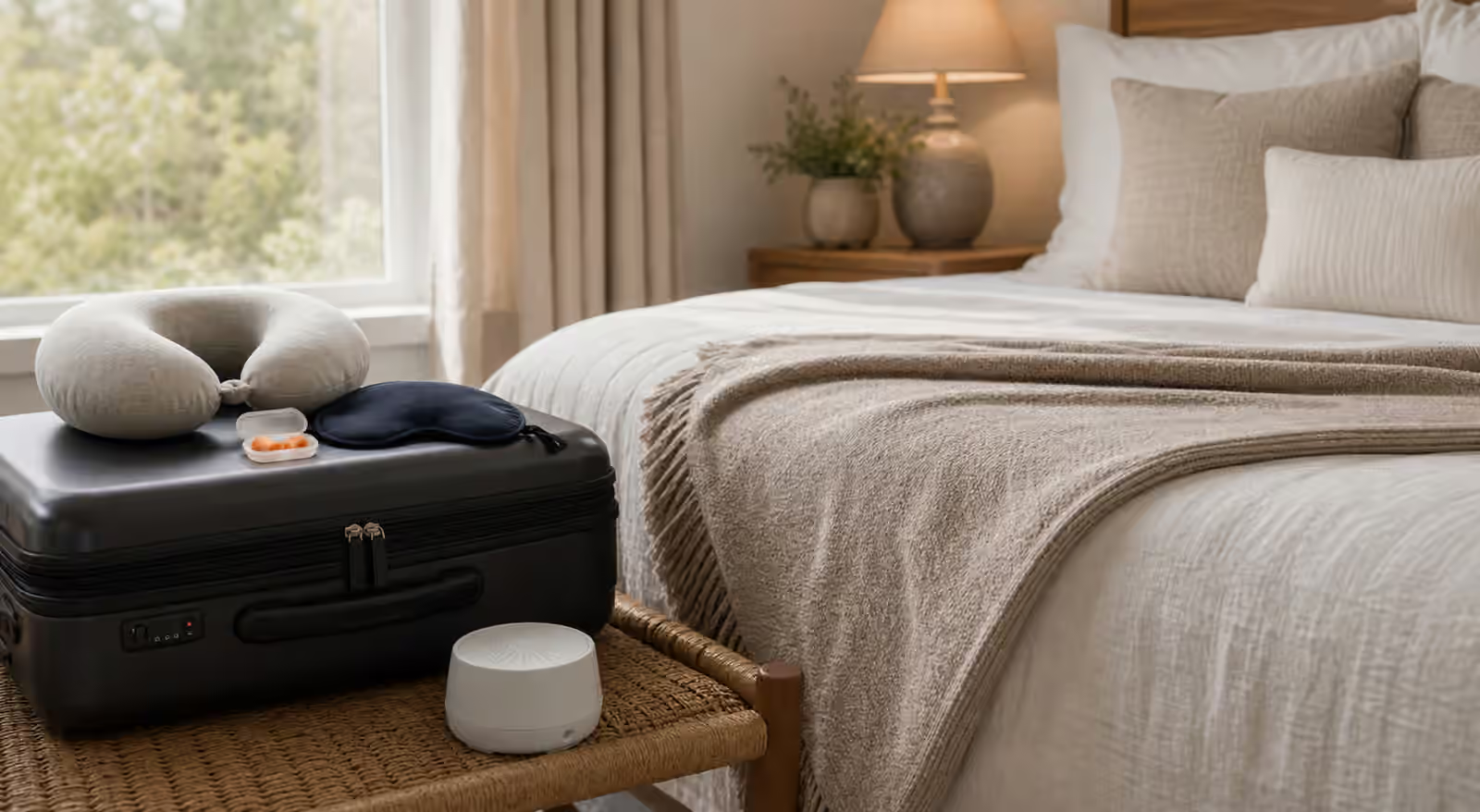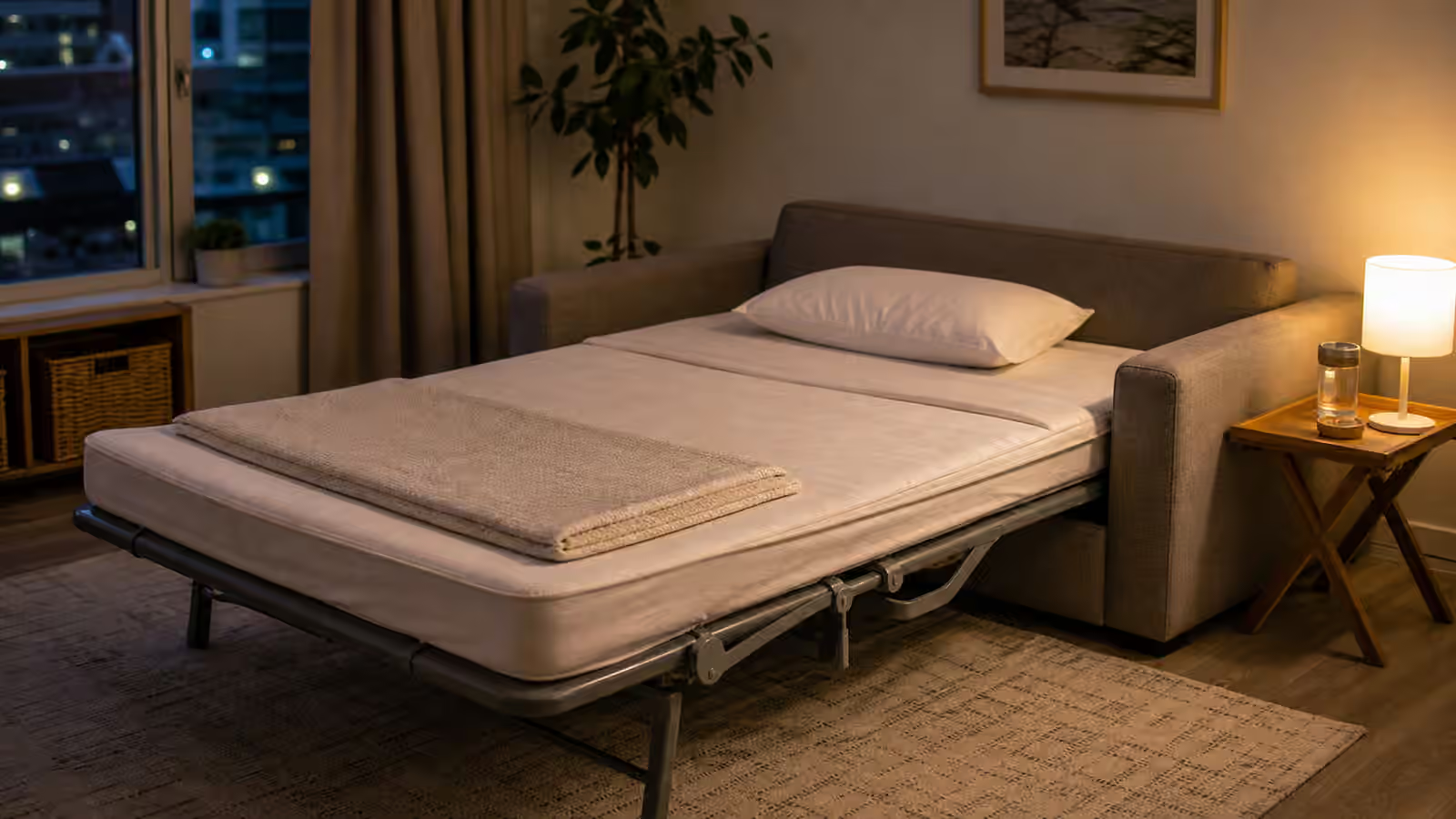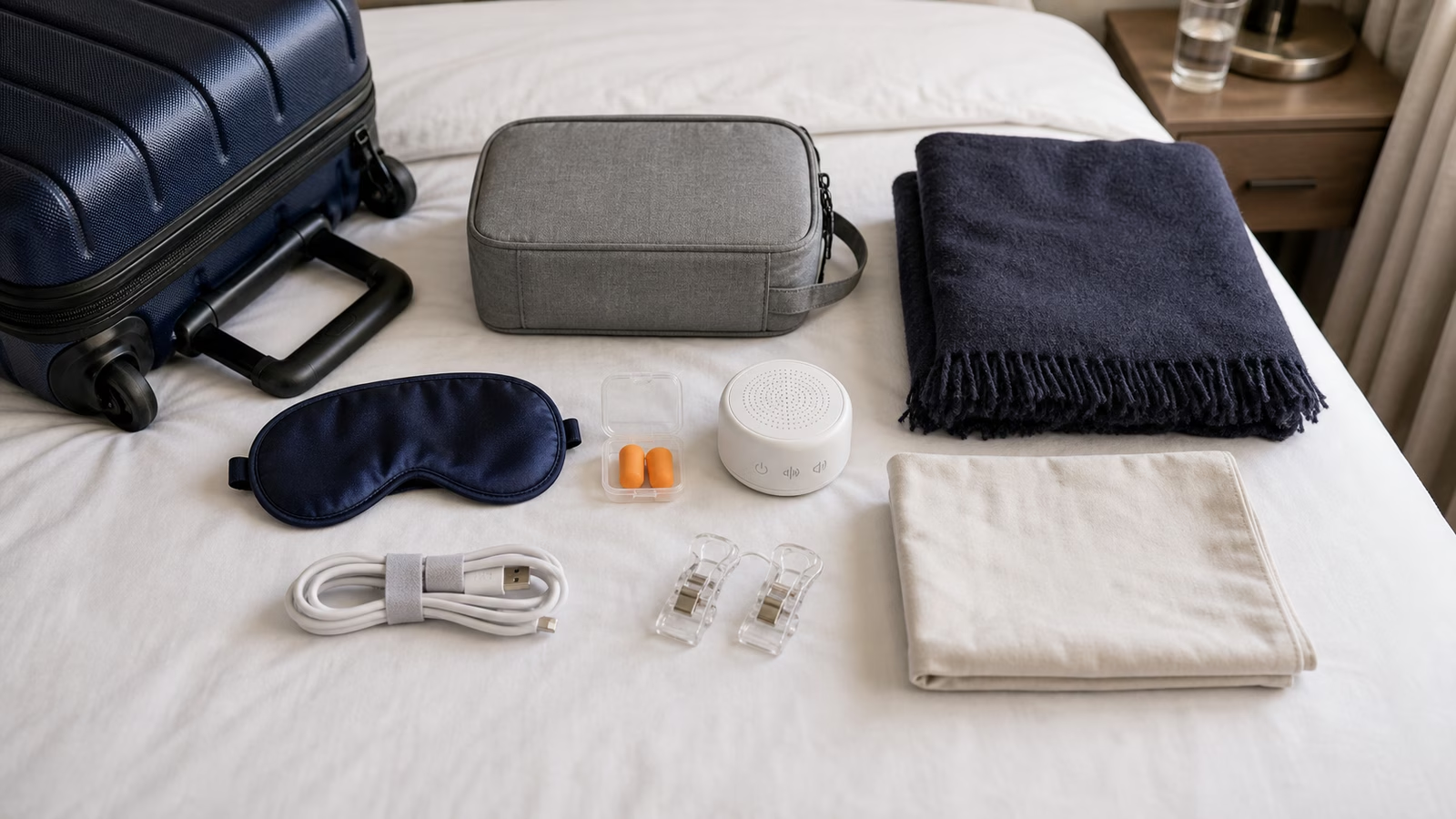
A travel sleep kit should solve the few problems that show up in unfamiliar rooms: light, noise, temperature, pillow mismatch, dry air, outlets, and messy packing.
Keep it small enough that you actually bring it.
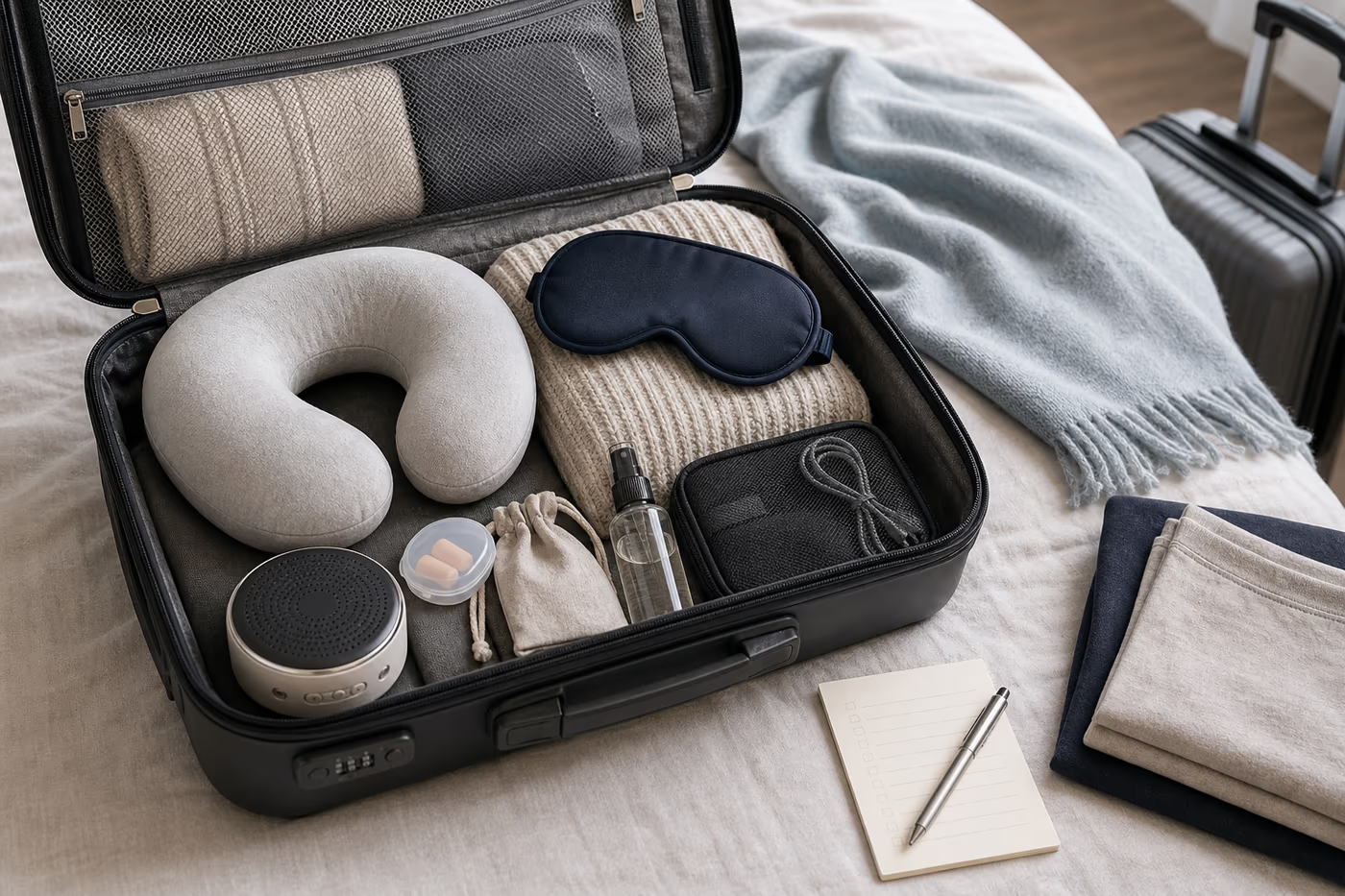
Pack by problem
Start from your last trips, not from a generic packing list.
Curtain gaps call for a mask, clips, or temporary shade tape. Hallway and street noise call for earplugs, a compact sound machine, or a phone-audio backup that does not create new screen problems. Bad pillows may be softened by a packable pillowcase, inflatable pillow, or small travel pillow. Cold rooms and planes need a thin warm layer, scarf, or travel blanket. Dry rooms need water and a quick ventilation check. Distant outlets need a longer cable and compact charger. Messy packing needs one dedicated pouch.
The core kit should stay plain: a comfortable mask, earplugs or compact sound, a pillowcase or travel pillow, one light layer, a small cable kit, a curtain-gap fix, and a pouch that brings everything back to one place.
Keep it replaceable
Travel gear gets lost, crushed, and loaned out. Avoid expensive single-purpose items unless they solve a repeated problem. The strongest kit is usually small, washable, and boring: mask, earplugs, charger, cable, small sound option, and one comfort layer.
Do a reset after each trip. Replace missing earplugs, recharge the device, wash the mask or pillowcase, and put the pouch back in your luggage or closet.
Keep it easy to repack
The most useful travel sleep kit has a home between trips. Restock earplugs, wash the mask, coil the cable, and put everything back in the same pouch when you unpack. That sounds fussy once and saves effort later. The next trip is rarely planned under ideal conditions, and a half-empty kit creates the exact problem it was meant to solve: late-night improvisation in a room you do not control.
Shopping shortcut
If you are building the pouch from scratch, compare travel sleep-kit basics and add a portable white-noise machine only if noise, not light, was the real problem.
Buy from real annoyances
The best travel kit starts with your last three trips. Notice what disrupted them, which item would have solved more than one problem, whether that item fits in your personal bag, whether it is washable or easy to wipe down, whether it works without hotel Wi-Fi, and whether replacing it would be painless if it were lost.
What to leave out
Skip anything too bulky for your personal item, anything with fragile parts, and anything that depends on hotel Wi-Fi. Also skip sleep-adjacent supplements or medications unless they are part of your own professional guidance. This guide is about gear and room setup.
Good default
Build the kit from your actual annoyances. If hotel light is the problem, buy a better mask before a gadget. If noise is the problem, test earplugs and portable sound at home first.
Next step
Pack the same small kit every time. Travel sleep improves when the useful items are boring, reachable, and easy to reset after the trip.
Apply this guide as a decision record
Use Travel Sleep Kit: Pack a Small System, Not a Pile of Gadgets to turn a vague household question into a checkable one. Its scope is specific: A practical checklist for eye masks, earplugs, travel pillows, portable sound, layers, chargers, and hotel setup. Before changing the setup, write down the condition you are trying to change, the constraint that matters most, and the evidence you still lack.
For a first pass through travel sleep kit, compare the current state with a relevant baseline and record one observation, measurement, or conversation. Make the smallest reversible change available. Keep the manual, model number, room condition, schedule, or maintenance note beside the decision so a future check does not depend on memory. Keep travel sleep kit, travel comfort in view as separate signals instead of treating them as one verdict.
A useful follow-up asks whether Travel Sleep Kit: Pack a Small System, Not a Pile of Gadgets improved the named problem without creating a new one. Check the tradeoff that fits this subject — heat, noise, comfort, water, power, wear, effort, or cost — and describe the result in plain language. If a boundary is safety-critical, stop at the guide’s limit and bring the details to a qualified local professional.
The conclusion for travel sleep kit should stay narrow. Record what was observed, which condition made the result possible, what maintenance keeps it dependable, and what would make you revisit the choice. That turns a guidebook into a decision record you can use again rather than a promise to remember.