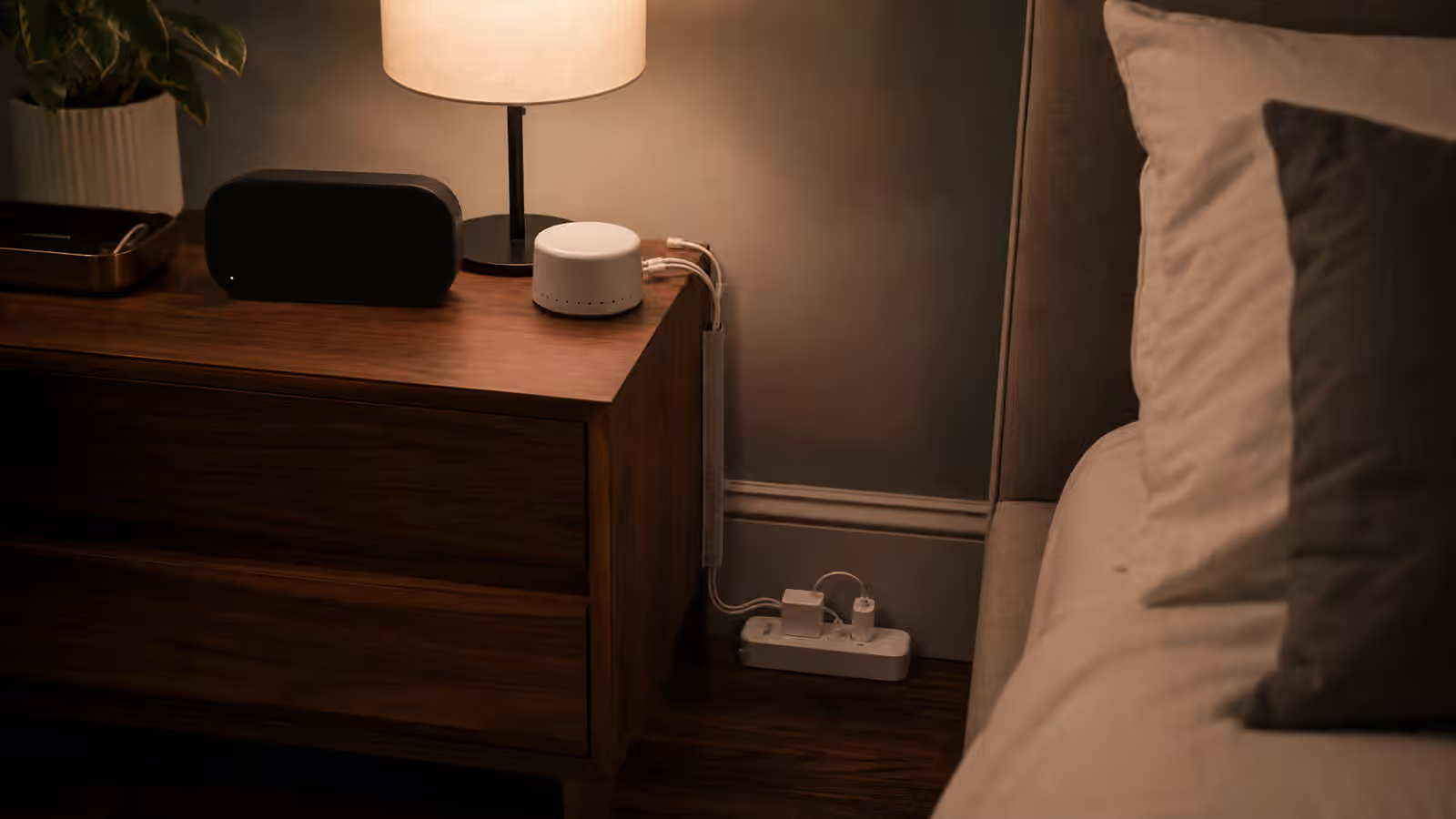
A sunrise alarm is a light-based alarm clock. It can make wake-up feel less abrupt for some people, but it still needs to work as a reliable alarm.
Judge it like a bedside tool, not a promise.
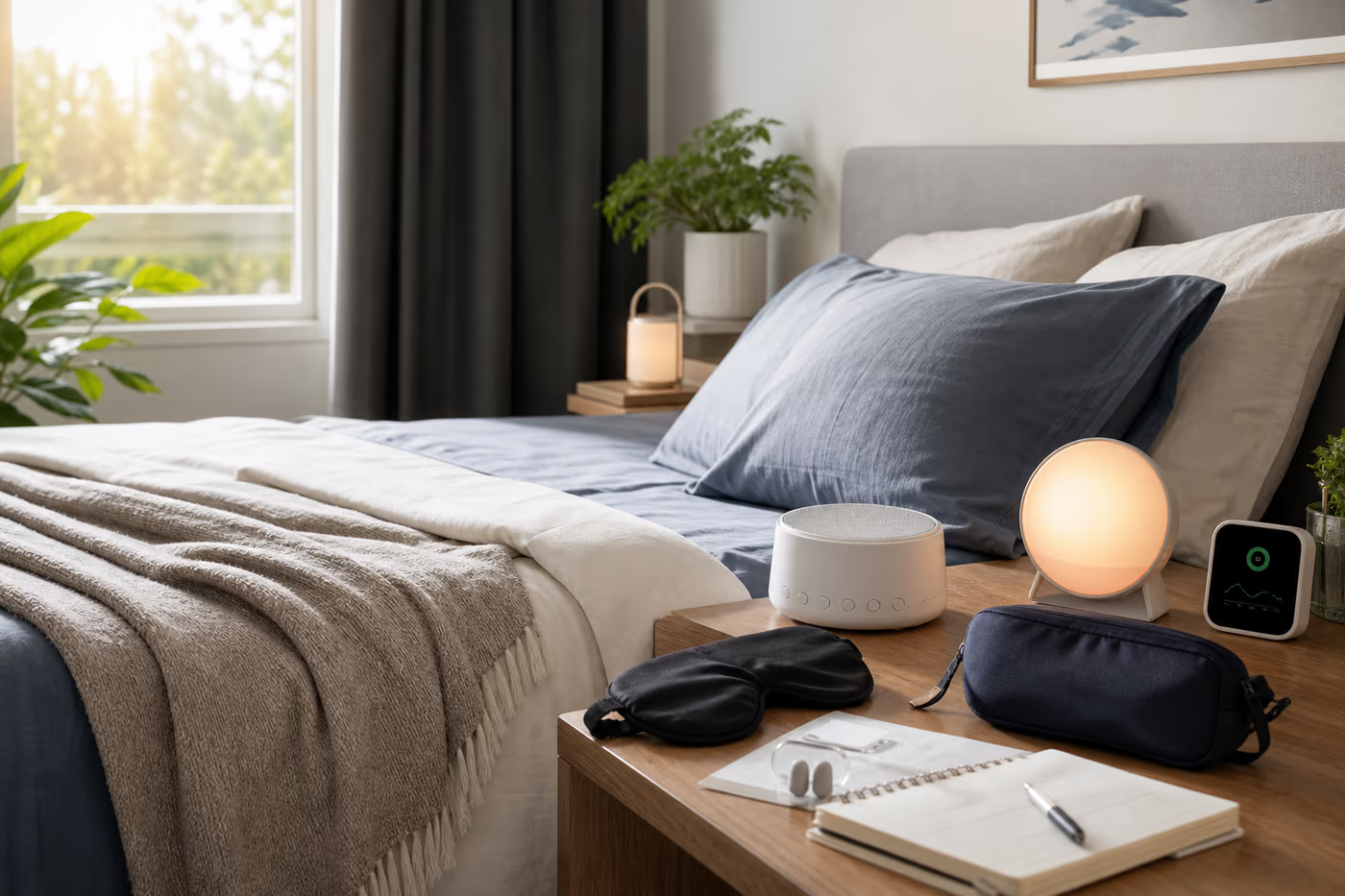
Placement test
A sunrise alarm works only if the light reaches the person who needs it. Before buying, look at the actual nightstand layout.
Notice which side of the bed needs the light, whether the alarm will sit above, beside, or below pillow height, and whether a shade, books, water bottle, or charger will block the glow. In a shared room, think about whether the light shines directly across a partner’s side. The device also needs enough space for physical buttons you can reach, and the display should face away or turn fully dark.
If the nightstand is crowded, solve that first. A good wake light can become annoying if it is wedged behind a lamp or covered by cables.
Shopping shortcut
Compare sunrise alarm clocks with dim displays only after you know where the light will sit. For shared rooms, dim-display and physical-button details matter more than extra sound options.
What to compare
Compare light brightness and spread before extra sounds. The sunrise length should fit your waking style without burying the setting in menus. Sound choices need volume control and loops that do not become irritating. Physical buttons matter because a bedside device is used when you are sleepy. Display dimming or shutoff is often more important than another feature. Battery backup is useful during power blips, but read the details: some backups save settings without running the light.
App control can help when settings are complex, but it also pulls the phone back toward the bed. Radio or audio input can be pleasant if you already wake to sound, but it may make the controls busier. A sunrise alarm should make mornings easier without making the nightstand louder, brighter, or harder to use.
Reliability rules
Use a backup alarm while testing. Check the alarm on a normal weekday and a weekend schedule before trusting it. If the device has app settings, confirm that airplane mode, Wi-Fi outages, or a dead phone do not break the core alarm.
For shared bedrooms, agree on maximum brightness and sound before the return window closes.
Make waking boringly reliable
A sunrise alarm still needs an ordinary alarm plan. Light can make waking gentler, but it should not be the only thing standing between you and a missed train. Check the backup sound, the snooze behavior, the button layout, and what happens after a power interruption. If the clock lives across the room, make sure you can still read or silence it without fully waking a partner. The right device should make mornings less abrupt, not more complicated.
Good default
Keep a separate backup alarm until you trust the device. If you share the room, test brightness and sound with the other person’s schedule in mind.
Next step
Test it with a backup alarm before trusting it alone. A sunrise alarm earns its place only when the light, sound, controls, and display all behave well in the actual bedroom.
Apply this guide as a decision record
Use Sunrise Alarm Buying Guide: Light Shape, Sound, Controls, and Backup Alarms to turn a vague household question into a checkable one. Its scope is specific: A practical product checklist for sunrise alarms, wake lights, dimming features, sounds, and bedside placement. Before changing the setup, write down the condition you are trying to change, the constraint that matters most, and the evidence you still lack.
For a first pass through sunrise alarm buying guide, compare the current state with a relevant baseline and record one observation, measurement, or conversation. Make the smallest reversible change available. Keep the manual, model number, room condition, schedule, or maintenance note beside the decision so a future check does not depend on memory. Keep sunrise alarm, wake light, sleep tech in view as separate signals instead of treating them as one verdict.
A useful follow-up asks whether Sunrise Alarm Buying Guide: Light Shape, Sound, Controls, and Backup Alarms improved the named problem without creating a new one. Check the tradeoff that fits this subject — heat, noise, comfort, water, power, wear, effort, or cost — and describe the result in plain language. If a boundary is safety-critical, stop at the guide’s limit and bring the details to a qualified local professional.
The conclusion for sunrise alarm buying guide should stay narrow. Record what was observed, which condition made the result possible, what maintenance keeps it dependable, and what would make you revisit the choice. That turns a guidebook into a decision record you can use again rather than a promise to remember.