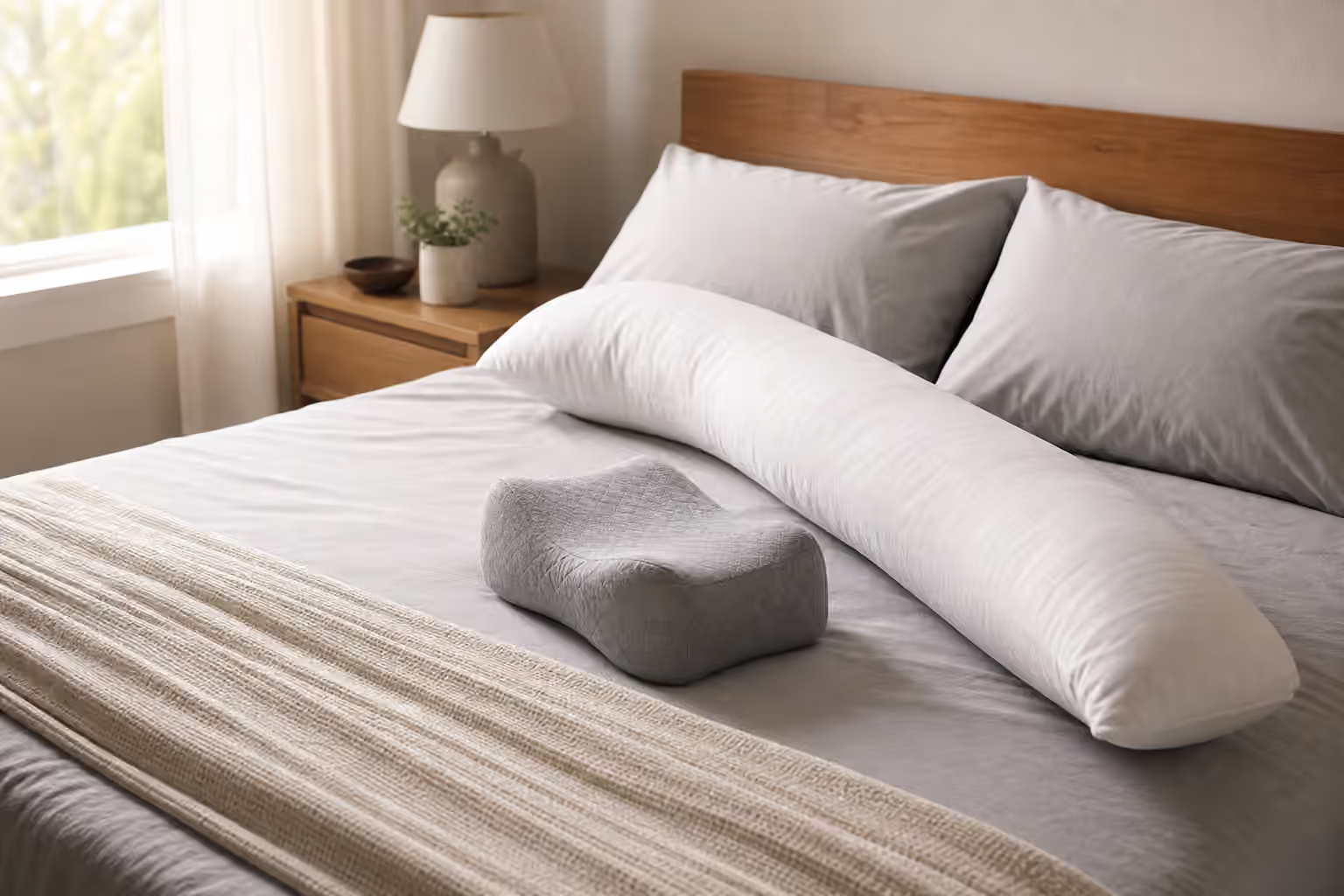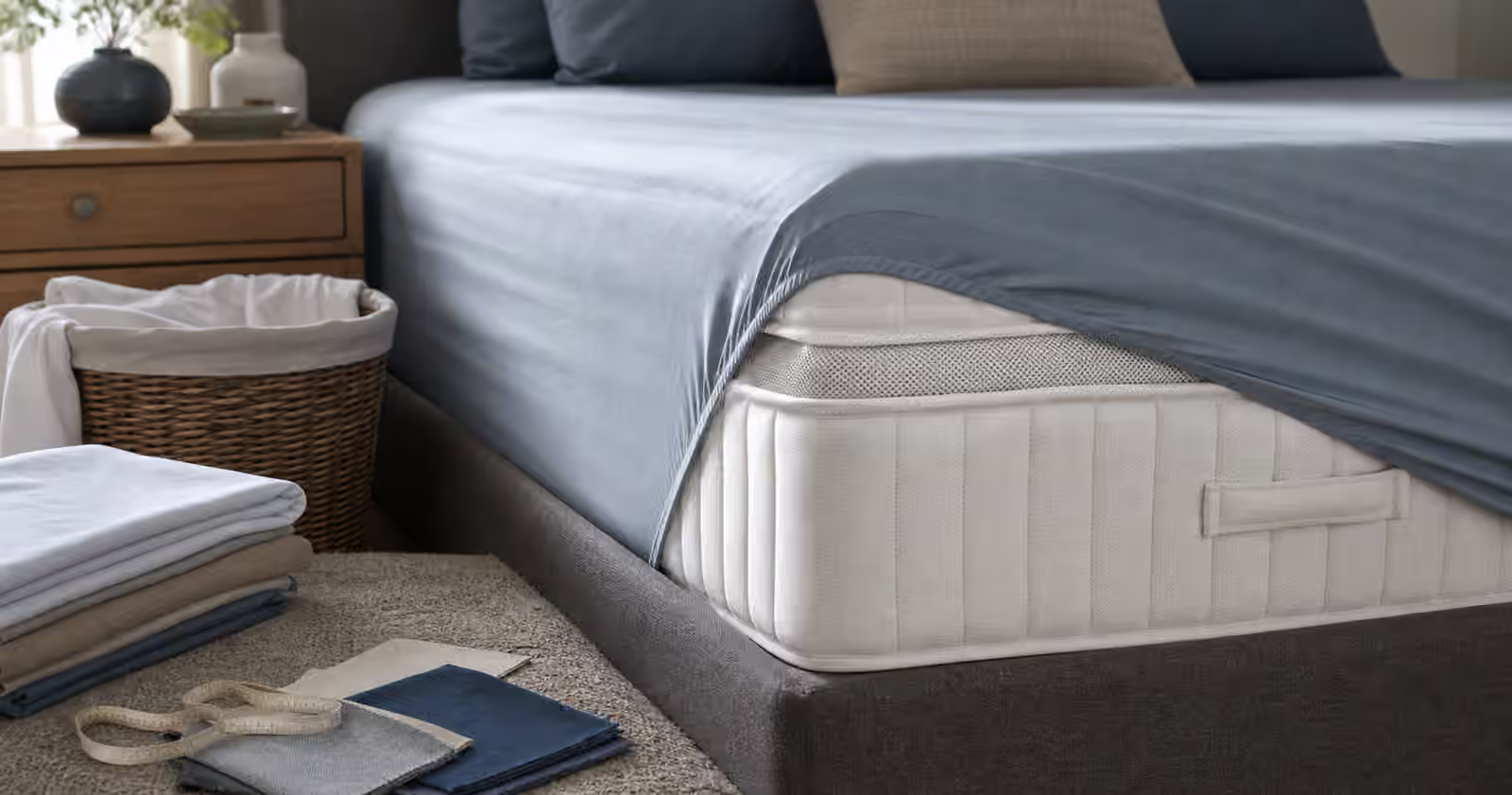
Two people can share a mattress without sharing every layer. Split bedding is often cheaper and easier than trying to find one perfect blanket for two different bodies.
The goal is not two separate rooms. It is fewer blanket negotiations.
When split bedding helps
Split bedding is worth testing when one person sleeps warm, one wants more weight, one steals covers, or one prefers a tucked bed while the other wants loose layers. It is less useful if the real problem is mattress motion, bed size, or a noisy frame.
Shopping shortcut
The easiest split-bedding test is two separate top layers: compare lightweight twin XL duvet inserts or twin XL cotton blankets before replacing the whole bedding system.
Split without chaos
The simplest version is one shared fitted sheet with separate top blankets. That solves many warmth and cover-stealing conflicts without changing the mattress, frame, or room. Two twin or twin XL duvets on one larger mattress create stronger separation when both sleepers have different warmth preferences. A shared quilt with one extra throw works when the mismatch is mild. A weighted blanket can stay on one side only if weight helps one person and heat does not bother the other.
The bed can still look intentional. Matching duvet covers, similar colors, or one lightweight coverlet over both sides can make the daytime bed feel tidy without forcing both sleepers into the same nighttime setup. The trick is to keep the decorative layer light enough that it does not become another source of overheating or another chore nobody wants.
Make the split feel intentional
Two blankets do not have to make the bed look messy. Use similar weights, related colors, or one shared top layer when the bed is made. Keep each sleeper’s extra layer on the same side every night. If one person wants warmth and the other wants airflow, solve that directly instead of choosing a compromise blanket that satisfies nobody. The point of split bedding is not to divide the room. It is to stop negotiating comfort at 2 a.m.
Make laundry part of the choice
Split bedding only works if the layers can be washed, dried, and remade without turning every laundry day into a puzzle. Two smaller blankets may be easier to wash than one enormous comforter, but two duvet covers can also double the amount of stuffing and straightening. Pets, kids, small washers, and limited drying space all matter.
Before buying, name the conflict clearly. Warmth, weight, texture, tucked bedding, loose bedding, and blanket stealing are different problems. Separate blankets solve many of them, but they will not fix mattress motion, a bed that is too narrow, a squeaky frame, or a pillow mismatch.
Make the bed simple
The more layers you add, the harder the bed is to reset. If split bedding becomes a heap, use fewer layers, matching duvet covers, or one lightweight coverlet over both sides. Keep the system easy enough that both people will remake it.
Good default
Try separate top blankets before replacing the mattress. It is a low-risk test that often reveals whether the real conflict is warmth, motion, or space.
Next step
Make one bedding change and live with it for several nights. If the blanket conflict disappears but sleep still feels bad, the next issue is probably motion, size, heat, or pillows rather than shared covers.
Apply this guide as a decision record
Use Split Bedding and Blankets: One Bed, Two Comfort Zones to turn a vague household question into a checkable one. Its scope is specific: A practical guide to separate blankets, duvet sizes, weighted layers, sheet choices, and shared-bed tidiness. Before changing the setup, write down the condition you are trying to change, the constraint that matters most, and the evidence you still lack.
For a first pass through split bedding and blankets, compare the current state with a relevant baseline and record one observation, measurement, or conversation. Make the smallest reversible change available. Keep the manual, model number, room condition, schedule, or maintenance note beside the decision so a future check does not depend on memory. Keep split bedding, couples bedding in view as separate signals instead of treating them as one verdict.
A useful follow-up asks whether Split Bedding and Blankets: One Bed, Two Comfort Zones improved the named problem without creating a new one. Check the tradeoff that fits this subject — heat, noise, comfort, water, power, wear, effort, or cost — and describe the result in plain language. If a boundary is safety-critical, stop at the guide’s limit and bring the details to a qualified local professional.
The conclusion for split bedding and blankets should stay narrow. Record what was observed, which condition made the result possible, what maintenance keeps it dependable, and what would make you revisit the choice. That turns a guidebook into a decision record you can use again rather than a promise to remember.