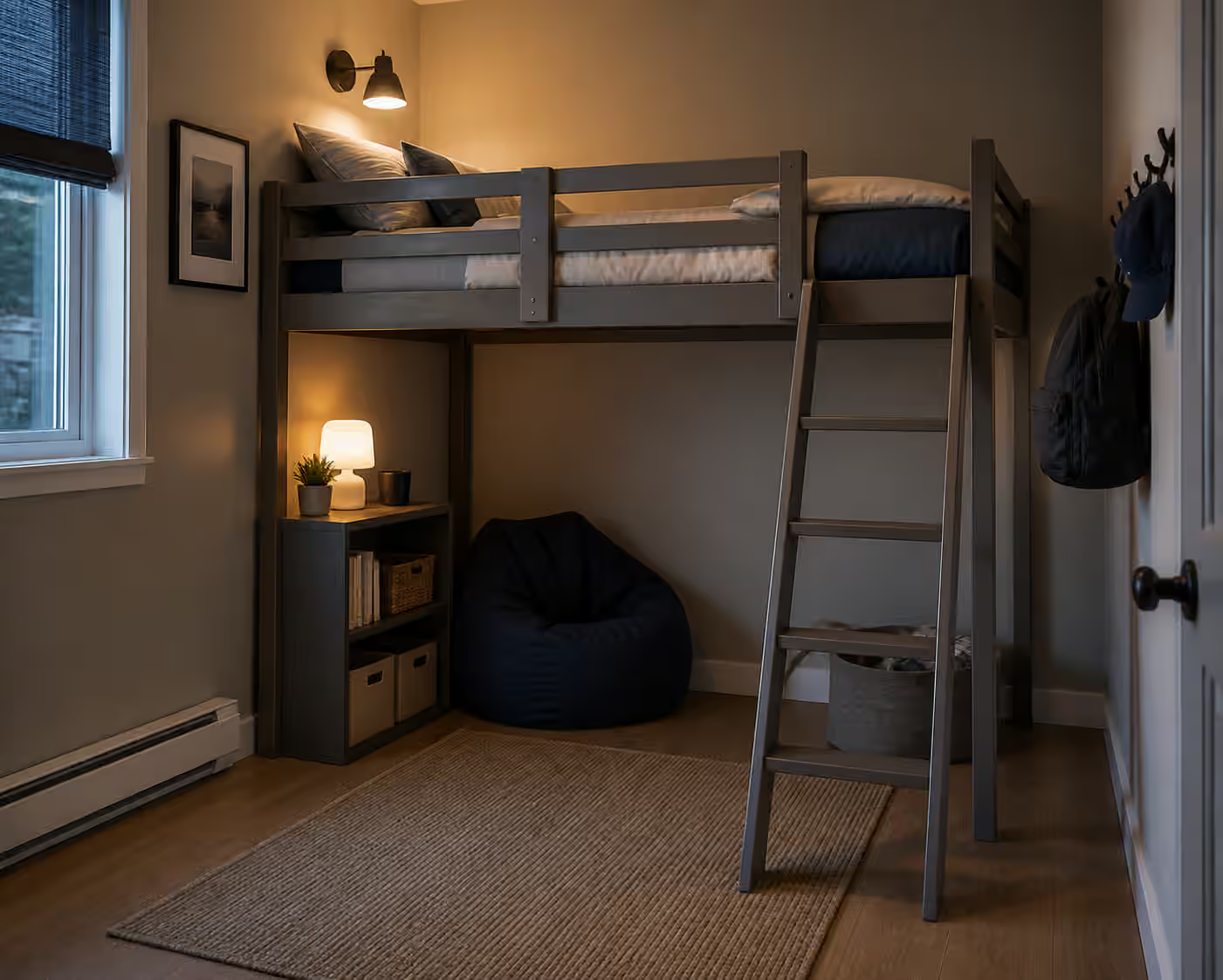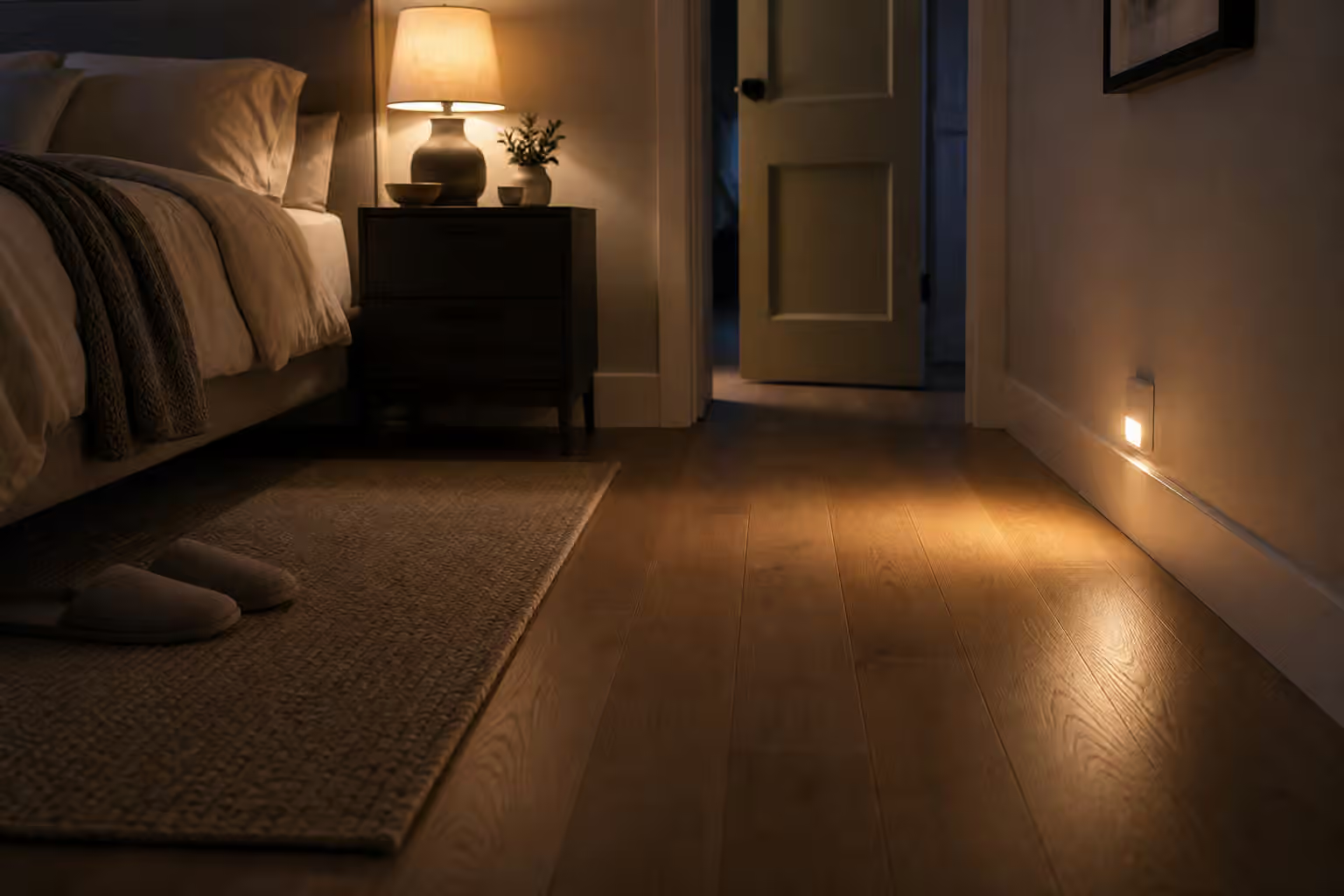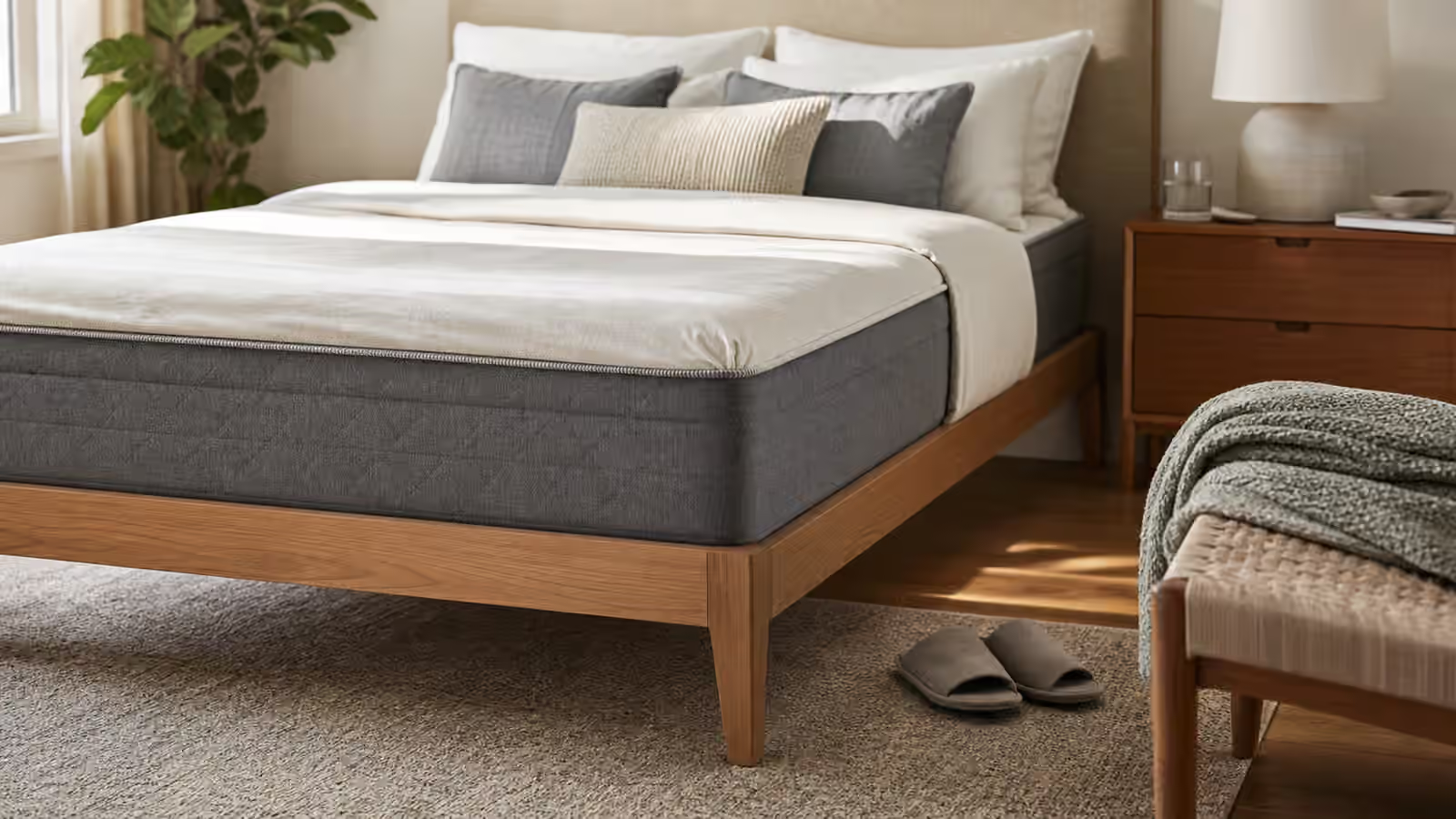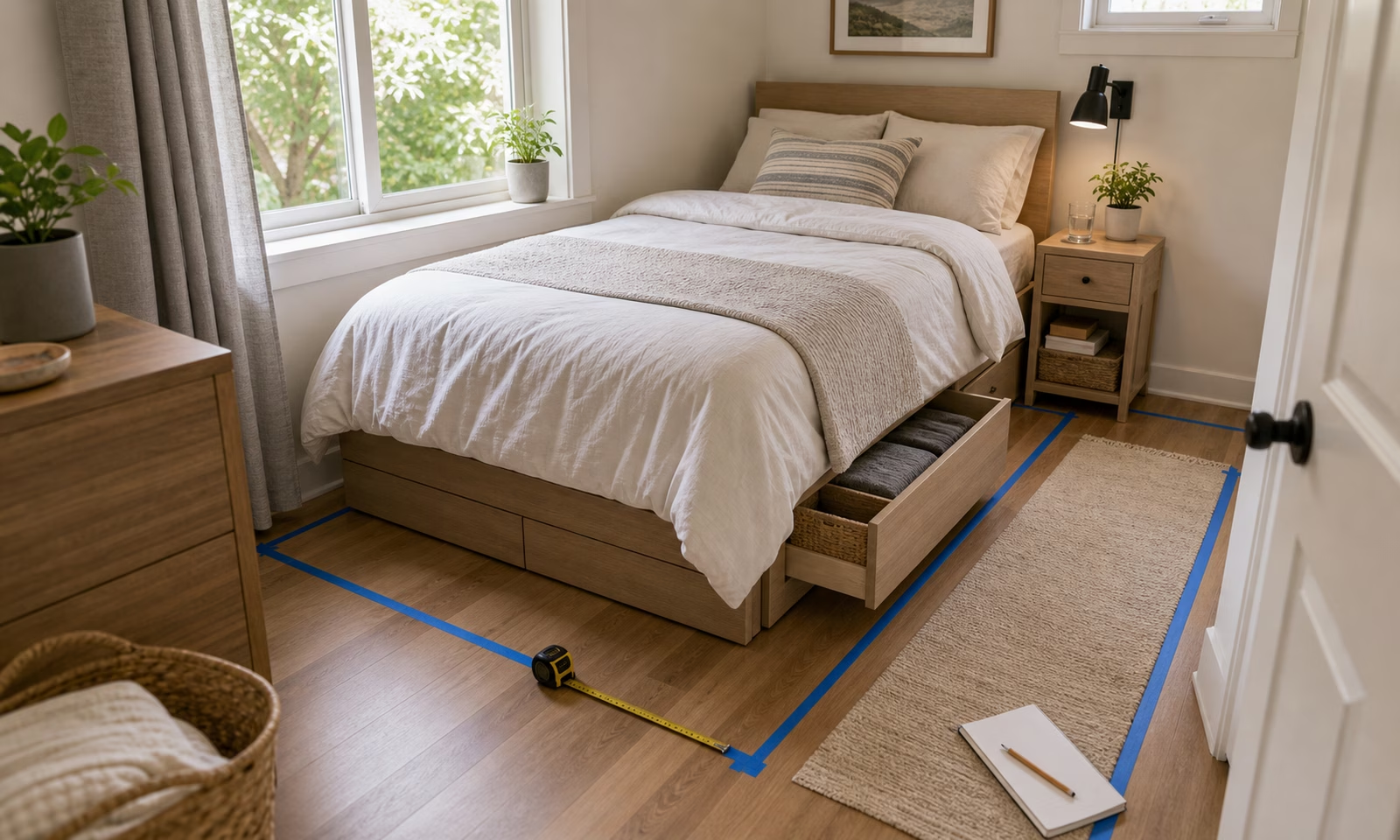
Small bedrooms make every sleep setup decision visible. A bigger bed, thicker duvet, larger nightstand, and floor fan all compete for the same few inches.
Layout comes before product upgrades.
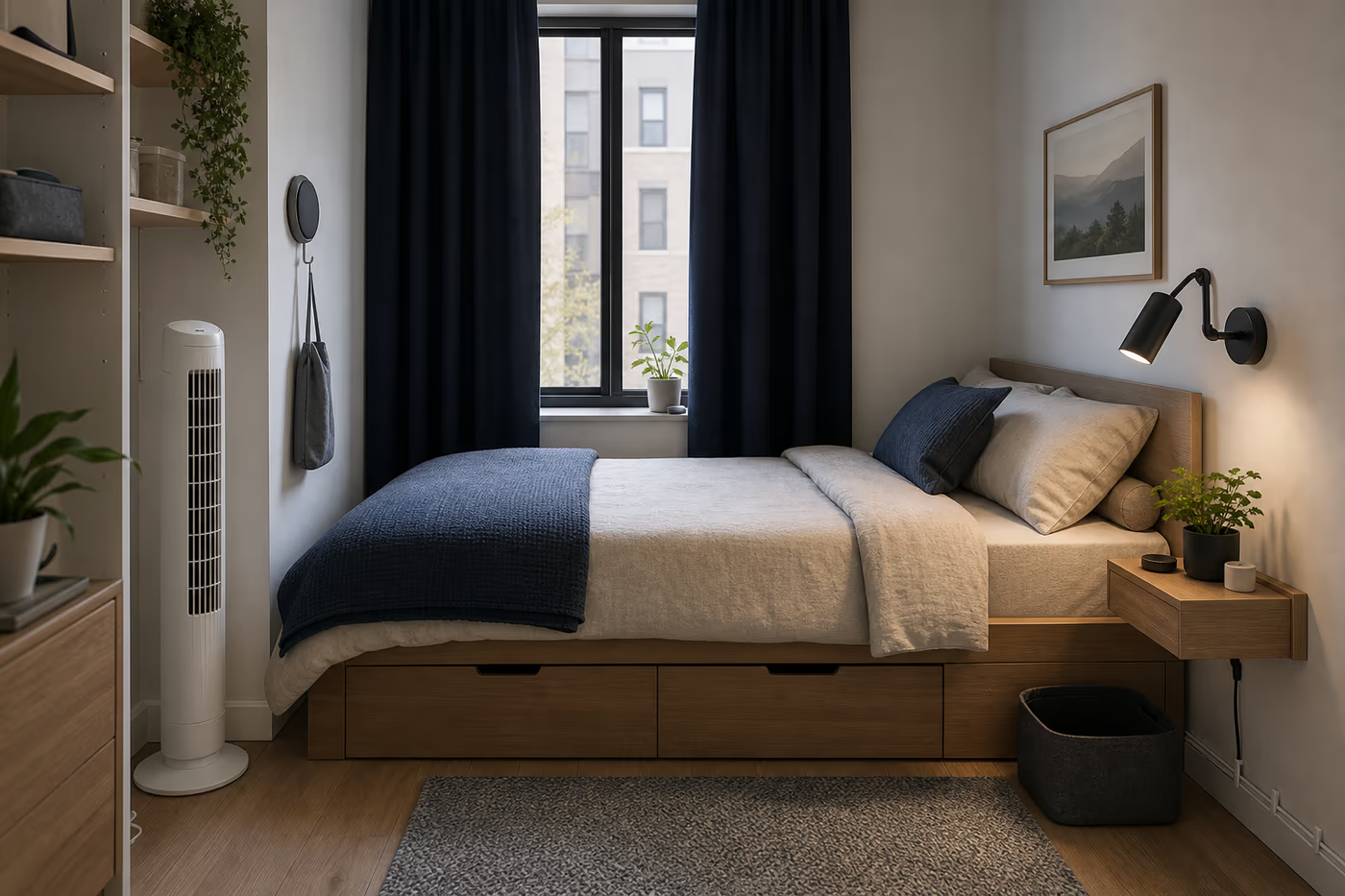
Measure the room like a path
Do not only measure wall length. Measure the movement you need inside the room. A bedroom that technically holds the mattress can still fail if the closet door cannot open, the drawers cannot pull out, the curtain cannot move, or the person changing the sheets has nowhere to stand.
Walk the daily path before buying anything. Notice the bedside walkway, door swing, closet clearance, window access, outlets, switches, vents, radiators, returns, and the path from the bed to the hamper. Tape the bed footprint on the floor if you are changing sizes. A mattress that fits mathematically can still make the room feel jammed if every routine turns sideways.
Choose the constraint
A small room usually has one dominant constraint. Sometimes it is width, which makes a centered bed feel luxurious but impractical. Sometimes it is storage, which makes under-bed drawers tempting until you realize they need clearance and collect dust. Sometimes it is airflow, where a bin, curtain, or headboard quietly blocks the vent that made the room usable.
If two sleepers need side access, a centered bed may still be worth the lost storage. If one person uses the bed or the room is very narrow, placing the bed against a wall can create a usable path, though sheet changes and shared access become harder. Wall-mounted lighting can replace a bulky nightstand, but only if the cord route, switch location, and rental rules work. Headboard storage can help when the floor is tight, but it can also make a small room feel visually heavier.
Buy for the constraint
If the room is narrow, a slimmer nightstand may matter more than a new bed frame. If the room is stuffy, preserving airflow may matter more than under-bed bins. If the room has no closet clearance, a smaller mattress can feel better than a larger one that blocks daily movement.
Shopping shortcut
Small rooms reward wall and under-bed choices: compare plug-in wall reading lights and low under-bed storage bins only after checking vent and drawer clearance.
The mistakes to avoid
Most small-bedroom mistakes come from treating empty space as waste. A queen bed that fits but steals every walkway is not really a fit. A tall frame that collides with the window line may make the room feel shorter and darker. Full under-bed storage can be useful, but not if it blocks cleaning, traps dust, or cuts off airflow. A floor lamp can look harmless until it becomes a tripping hazard where a wall light or clip light would have done the job.
Good default
Start by removing one piece of furniture that does not support sleeping, dressing, or storage. In a small room, empty space is a feature.
Next step
Make one layout change and live with it for several nights if possible. A small room tells you quickly whether the change improved movement, airflow, storage, or only the photograph in your head.
Apply this guide as a decision record
Use Small Bedroom Layout: Fit the Bed, Airflow, Storage, and Nightstand to turn a vague household question into a checkable one. Its scope is specific: A practical guide to small-bedroom layout decisions for mattress size, storage, airflow, curtains, and bedside access. Before changing the setup, write down the condition you are trying to change, the constraint that matters most, and the evidence you still lack.
For a first pass through small bedroom layout, compare the current state with a relevant baseline and record one observation, measurement, or conversation. Make the smallest reversible change available. Keep the manual, model number, room condition, schedule, or maintenance note beside the decision so a future check does not depend on memory. Keep small bedroom, bedroom layout in view as separate signals instead of treating them as one verdict.
A useful follow-up asks whether Small Bedroom Layout: Fit the Bed, Airflow, Storage, and Nightstand improved the named problem without creating a new one. Check the tradeoff that fits this subject — heat, noise, comfort, water, power, wear, effort, or cost — and describe the result in plain language. If a boundary is safety-critical, stop at the guide’s limit and bring the details to a qualified local professional.
The conclusion for small bedroom layout should stay narrow. Record what was observed, which condition made the result possible, what maintenance keeps it dependable, and what would make you revisit the choice. That turns a guidebook into a decision record you can use again rather than a promise to remember.