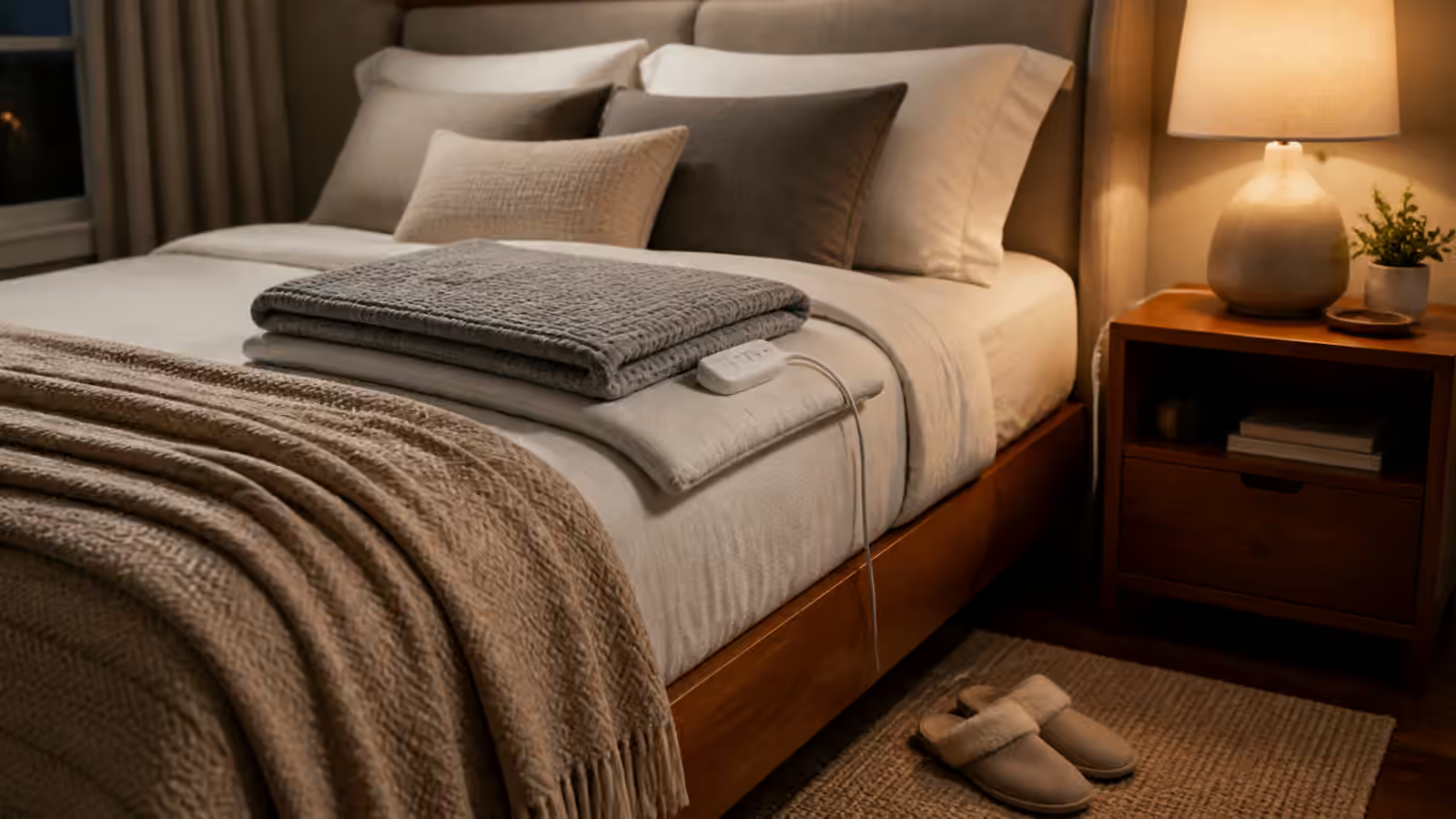
The first layer of a bed is not the sheet. It is whatever touches the sleeper before the sheet does: pajamas, socks, a robe removed at the last minute, a T-shirt, bare skin, or the extra layer someone wears because the room cools after midnight. Sleepwear is easy to ignore because it feels personal rather than architectural, but it changes how sheets, blankets, pillows, and room temperature behave. For background, see FTC — Guide to Textile Care Symbols .
A bed can be carefully chosen and still feel wrong if the clothing layer fights the bedding. Thick fleece pajamas under a warm duvet can make a reasonable room feel overheated. Thin sleepwear under crisp sheets can feel perfect in one season and too exposed in another. Socks can solve cold feet for one person and become irritating for another. The setup gets easier when sleepwear is treated as part of the bed stack instead of a separate afterthought.
Work from skin outward
When a bed feels too warm, too cool, scratchy, clingy, or inconsistent, start with the layer closest to the body. Cooling Bedding Layers uses the same logic for the whole bed: test one layer at a time so the result means something. Sleepwear belongs at the front of that test. Changing a duvet while keeping heavy pajamas may hide the real heat source. Buying crisp sheets while wearing a rough shirt may make the sheets seem worse than they are.
The skin layer shapes moisture too. A breathable pajama set may help the sheets feel calmer because it spreads contact across a washable fabric. A dense synthetic layer may hold heat and make the sleeper feel damp even if the room temperature is reasonable. Bare skin can feel cooler, but it places more body oil and sweat directly onto sheets and pillowcases. None of these choices is universally correct. The useful question is what the layer does inside your actual room.
Give any change a few ordinary nights. One cold evening or one humid night can distort the result. Notice whether the problem appears while falling asleep, after several hours, or near morning. Early overheating often points to the initial clothing and blanket stack. Morning chill may point to room temperature, uncovered shoulders, light bedding, or a heating pattern that drops late. The timing tells you where to look.
Fabric feel should match the sheets
Sleepwear and sheets do not have to use the same material, but they should not fight each other. Smooth pajamas on sateen sheets may feel slippery to some people. Textured linen sheets with a rough shirt may feel too much like friction. A soft knit top under a crisp percale sheet can be comfortable because the sheet stays cool while the shirt softens contact. The point is not to memorize fabric rules. The point is to notice combinations.
Sheets Materials Guide explains how percale, sateen, linen, flannel, blends, and microfiber tend to feel. Sleepwear adds a second fabric decision on top of that. If the sheets are already warm, heavy pajamas may push the stack too far. If the sheets feel cool at first, a light long-sleeve layer may make the entry into bed easier without requiring a heavier blanket all night.
Care matters as much as feel. Pajamas that need delicate handling may not be practical for a household that wants easy laundry. Dark fabrics may show lint. Loose fibers may cling to sheets. Elastic that twists, cuffs that ride up, and seams that press under the shoulder can make a good mattress seem irritating. A sleep setup should not depend on clothing that behaves badly after three washes.
Socks, feet, and uneven warmth
Cold feet can make the whole bed feel colder than it is. Warm feet can make a heavy blanket feel unnecessary. This is why socks deserve a place in the sleep setup conversation even though they are small. A pair of loose, breathable socks can be a simple comfort layer for someone who gets chilled at the edge of the bed. Tight socks, thick seams, or fabric that traps too much warmth can create the opposite problem.
The bedding stack often overreacts to cold feet. Someone adds a heavier comforter because their feet are cold, then wakes up hot through the torso. A more precise fix may be warmer socks, a lighter top blanket, or a foot throw that does not cover the whole body. Duvet, Comforter, and Blanket Choices is useful here because top layers can be zoned without changing the whole mattress environment.
Couples notice this quickly. One person may want socks and a light quilt, while the other wants bare feet and a warmer blanket. That difference does not have to become a nightly negotiation. Split Bedding and Blankets allows each side to tune warmth closer to the body. Sleepwear does the same thing at an even smaller scale.
Protectors and pads change the clothing decision
Mattress protectors, pads, and toppers affect sleepwear because they change heat, texture, and height. A protector that feels plasticky may make heavier pajamas tempting because the sleeper is trying to escape the surface. A thick pad may hold warmth, making the same pajamas too hot. A topper may add pressure relief but also change how tucked bedding and pajama cuffs behave.
Mattress Toppers and Pads and Mattress Care and Protectors cover those layers directly. From the sleepwear side, the practical move is to test clothing after changing the bed stack. If a new protector or topper makes the bed warmer, do not immediately replace the sheets. Try lighter sleepwear for a few nights and see whether the new support layer still works.
This also helps with seasonal rotation. A protector may stay year-round while sheets, pajamas, and top blankets change. A room that needs flannel pajamas in winter may need a light T-shirt in summer, even with the same mattress. The fixed layers and flexible layers should be named. Otherwise every season feels like starting over.
Shared bedrooms need quiet clothing decisions
Sleepwear affects partners in small ways. One person rustles fabric while turning. Another wears a robe to bed and leaves it on the floor. Someone runs warm and kicks blankets off. Someone else wakes when a cold foot crosses the mattress. These are not only personal quirks. They are setup signals.
Shared Bedroom Light and Schedule focuses on light and timing, but the same courtesy applies to clothing and bedding. Keep the bedtime clothing routine simple enough that it does not turn on bright lights or require rummaging through drawers. Store socks, sleep shirts, and robes where they can be reached without opening noisy furniture if one person goes to bed later. Keep the floor path clear so a discarded layer does not become an overnight obstacle.
If partners disagree about warmth, adjust close to the body first. Sleepwear, socks, personal throws, and split blankets are more precise than changing the whole room. Bedroom Temperature and Airflow still matters, but a room temperature compromise becomes easier when each person has a few personal layers that do not disturb the other side.
Travel exposes the system
Travel often reveals whether the home setup is doing quiet work. In a hotel, the sheets may be different, the blanket may be heavier, the room may cycle warmer or colder, and the pillow may not match. Sleepwear becomes the portable part of the bed. A familiar lightweight layer, breathable socks, or a compact sleep shirt can make an unfamiliar bed less unpredictable without packing half the linen closet.
Travel Sleep Kit covers the broader pouch. For sleepwear, pack for the room uncertainty rather than the destination fantasy. A warm climate can still mean an overcooled hotel room. A cold destination can still mean a heavy duvet and sealed windows. Layering gives you options without requiring bulky bedding. One clothing layer can be easier to adjust than fighting a fixed hotel comforter all night.
The same logic helps guest rooms. If you host, leave extra bedding visible and simple, but do not assume every guest sleeps in the same clothing. Guest Room Sleep Setup benefits from a flexible blanket stack because guests arrive with different pajamas, warmth habits, and comfort expectations.
Keep the chair from becoming the closet
Sleepwear can create clutter when it has no destination. A robe lands on the chair. Socks disappear near the bed. A worn-once shirt sits on the nightstand because it is not clean enough for the drawer and not dirty enough for the hamper. After a week, the bed area looks messy even though the problem is a missing transition zone.
Give sleepwear a small, boring home. A hook, drawer, hamper, bench, or basket can work if it is easy to use in dim light. The item should not block airflow, cover a lamp, sit on the pillow, or crowd the walking path. Storage and Bedside Setup is the right place to think about that landing spot. Clothing storage is not separate from sleep quality when it changes how calm the room feels at bedtime.
The best clothing layer is the one that lets the rest of the bed do less. When sleepwear matches the room, the sheets feel more honest, the blanket stack can stay lighter, and the night has fewer small negotiations. You do not need a drawer full of specialized sleep clothes. You need a few dependable layers, washed easily, stored clearly, and chosen with the bed instead of against it.