Sheets are usually discussed as fabric: percale, sateen, linen, flannel, jersey, bamboo viscose, cotton blends, and so on. Fabric matters, and Sheets Materials Guide covers that part. But many sheet problems are not fabric problems at all. They are fit problems. A good sheet that is too shallow, too loose, too slippery, or too tight can make the bed feel fussy every night. For background, see CDC/NIOSH — Tips to Improve Your Sleep When Times Are Tough .
Sheet fit is where mattress height, toppers, protectors, elastic, laundry habits, and bed-making style meet. The goal is not a showroom corner. The goal is a bed that stays put, feels smooth enough under the body, and can be remade without a wrestling match.
Pocket depth is a real measurement
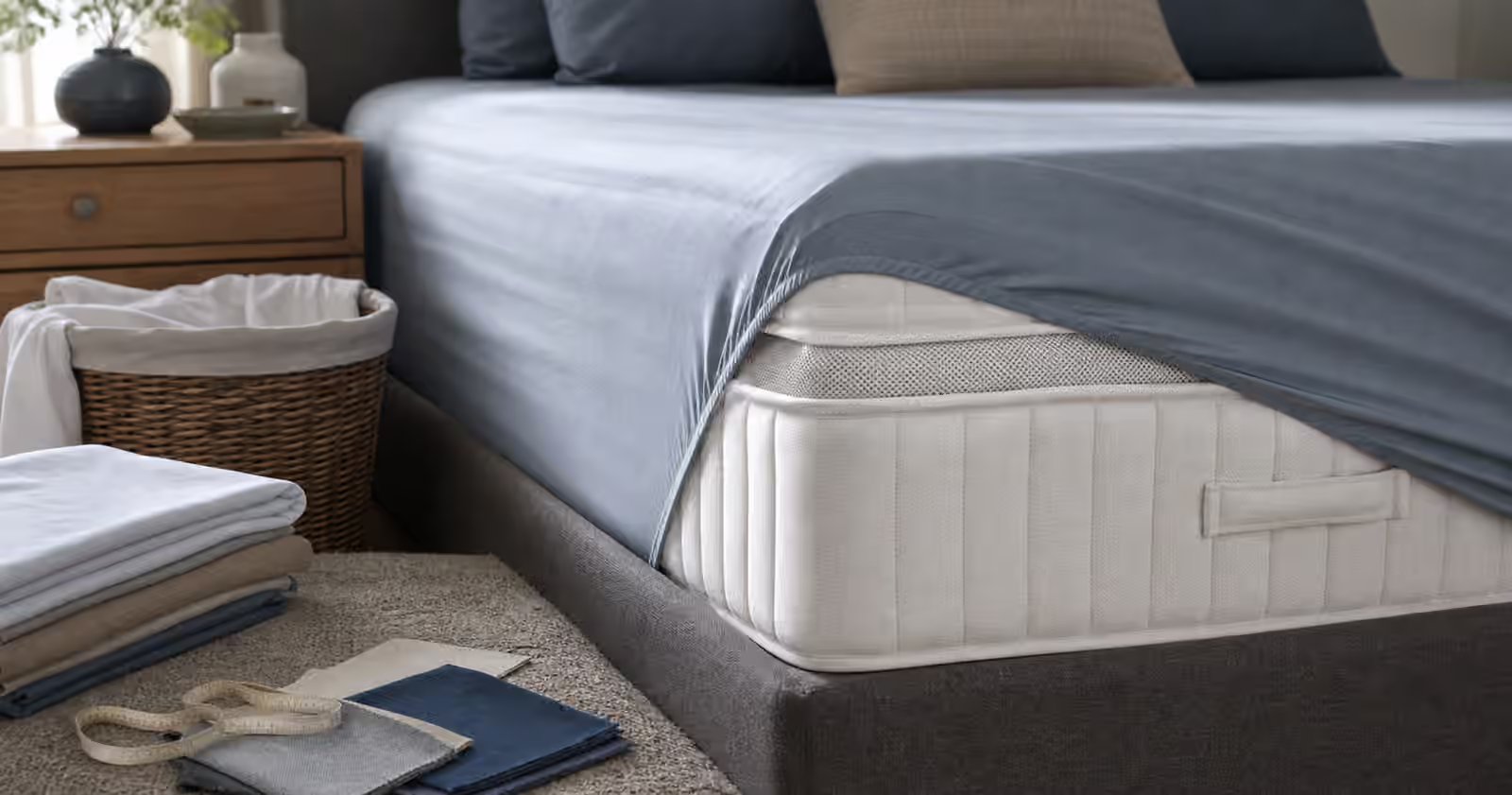
The pocket depth on a fitted sheet describes the mattress height it is meant to wrap. It is easy to ignore because packaging often makes the sheet sound broadly compatible. In the bedroom, the difference between a shallow pocket and a deep pocket shows up quickly. A shallow fitted sheet may pop off the corners, pull the mattress protector out of place, or compress the top edge of the bed. A deep pocket sheet on a thinner mattress may bunch under the sleeper, wrinkle at the corners, or slide around when the bed is used.
Measure the finished sleep stack, not just the mattress label. A mattress that is twelve inches tall becomes taller when you add a topper, quilted protector, pad, or thick encasement. A mattress can also sit inside a frame in a way that makes corners harder to reach. If the sheet barely reaches before bedtime, it will not become more cooperative at 2 a.m.
The useful measurement is from the top sleep surface to the underside edge where the fitted sheet must hold. Add the topper and protector before measuring. Notice the corner shape too. Rounded pillow-top edges, square foam edges, and thick quilted seams all ask different things from elastic.
Too tight and too loose both cause work
A tight fitted sheet can seem neat at first. It pulls smooth, hides wrinkles, and looks crisp. The problem is stress. If the sheet strains at every corner, it may creep upward with movement, tug the protector, and make the bed feel harder than expected because the top fabric is under constant tension. Tight sheets can also make bed-making a chore, which means the bedding is less likely to be reset calmly.
A loose fitted sheet has the opposite personality. It may be easy to put on, but it shifts, wrinkles, and forms small ridges under the shoulder or hip. If the sleeper moves a lot, the loose fabric can twist under the top sheet or blanket. On a shared bed, one person’s movement can pull slack across the middle. The sheet is not failing because it is cheap; it may simply be the wrong depth or the wrong elastic for the stack.
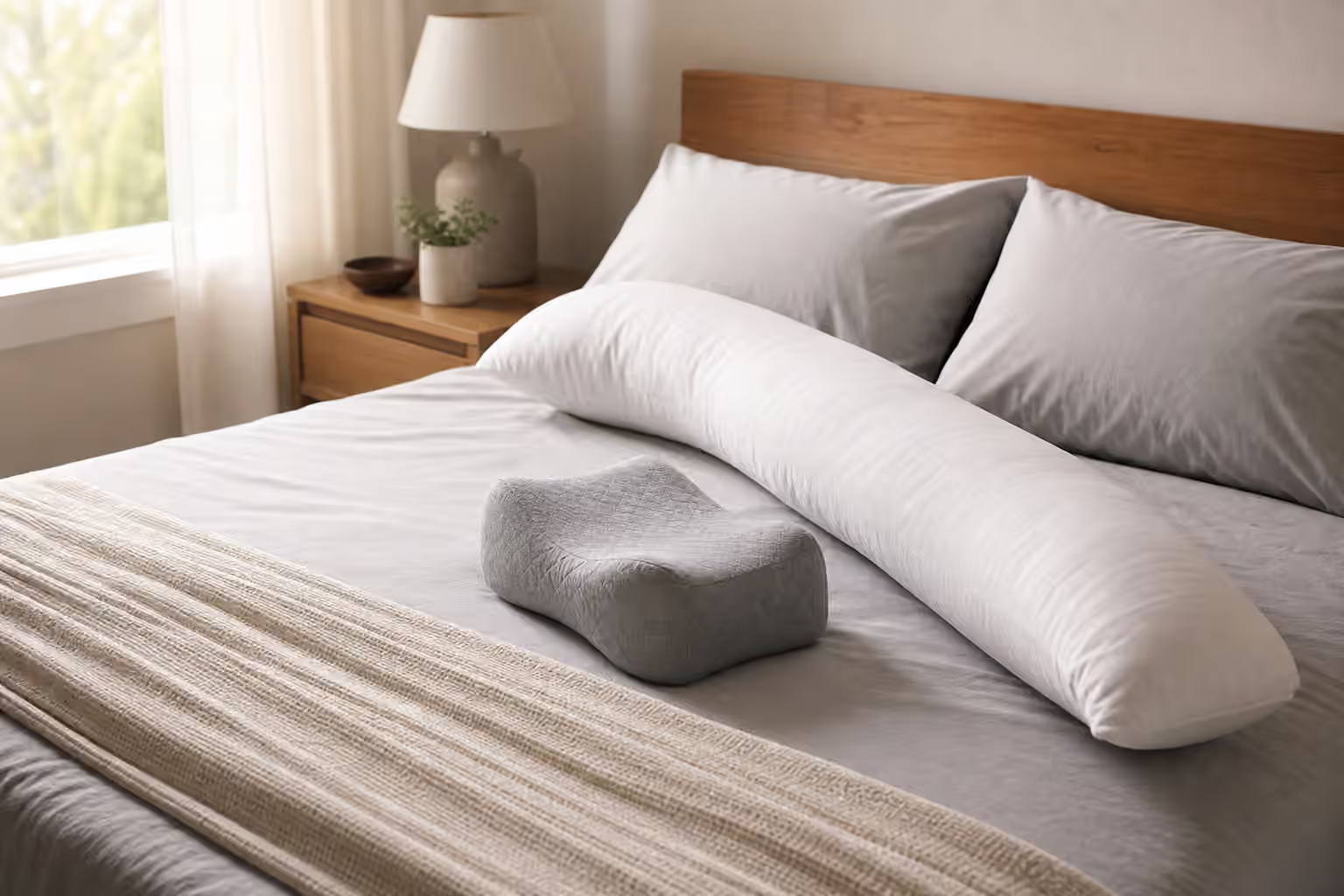
This matters most when the bed already has other comfort variables. A topper changes feel. A protector changes heat and surface texture. A heavy duvet changes how much the fitted sheet is pressed and tugged. Mattress Toppers and Pads helps with the layer decision, but sheet fit is what lets that layer behave.
Elastic quality is part of comfort
Elastic is not glamorous, but it controls a lot of nightly friction. Some fitted sheets have elastic only at the corners. Others have elastic all around. Some have stronger bands or extra straps. A sheet can be made from pleasant fabric and still fail because the elastic cannot hold the mattress shape.
All-around elastic is often easier on thick beds because it distributes tension. Corner-only elastic may work well on simple mattresses, especially when the pocket depth is close. Extra corner straps can help on slippery or tall stacks, but they should not be used to force a truly shallow sheet onto a bed it does not fit. That kind of fix may work for a night, then return as stretched fabric, popped corners, or irritated bed-making.
Elastic also ages. Heat, washing, drying, and repeated stretching change it. If a sheet used to fit and now slides around, the mattress did not necessarily change. The elastic may have relaxed, or the sheet may have shrunk in one direction while losing recovery in another.
Fabric changes the fit conversation
Fabric affects how fit feels. Crisp percale can show wrinkles but often feels stable. Sateen may drape smoothly yet slide more on some protectors. Linen can relax beautifully but may look looser even when it is working well. Flannel grips the bed but can feel bulky on deep stacks. Jersey stretches, which makes it forgiving, but that same stretch can create shifting if the bed is already loose.
This is why two sheets with the same listed pocket depth can behave differently. The number gives a starting point. The fabric decides how the sheet moves once a person sleeps on it. If the mattress protector is slick, a slick sheet may amplify the problem. If the protector is quilted, a heavier or grippier sheet may feel more stable. If the room runs warm, a snug flannel sheet may solve fit while making temperature comfort worse.
Cooling Bedding Layers is worth reading alongside this guide because sheet fit and temperature are connected. A tight, non-breathable stack can feel warmer. A loose sheet can bunch and trap pockets of heat. The best sheet is not only the right fabric. It is the right fabric at the right tension.
Bed-making should match the room
Some rooms make sheet changes easy. There is space to walk around the bed, a frame height that exposes corners, and a laundry rhythm that keeps spare sheets ready. Other rooms are harder. The bed may be against a wall. A nightstand may block one corner. Under-bed storage may crowd the path. A heavy mattress may be difficult to lift. Sheet fit matters more in these rooms because every popped corner costs effort.
If the bed is against a wall, prioritize sheets that go on without heroic pulling. If the mattress is tall, leave enough pocket depth to account for washing and small shifts. If the bed is low, make sure loose fabric does not drag or collect dust. If the room is small, Small Bedroom Layout can help you decide whether the bed placement is making routine bedding work harder than it needs to be.
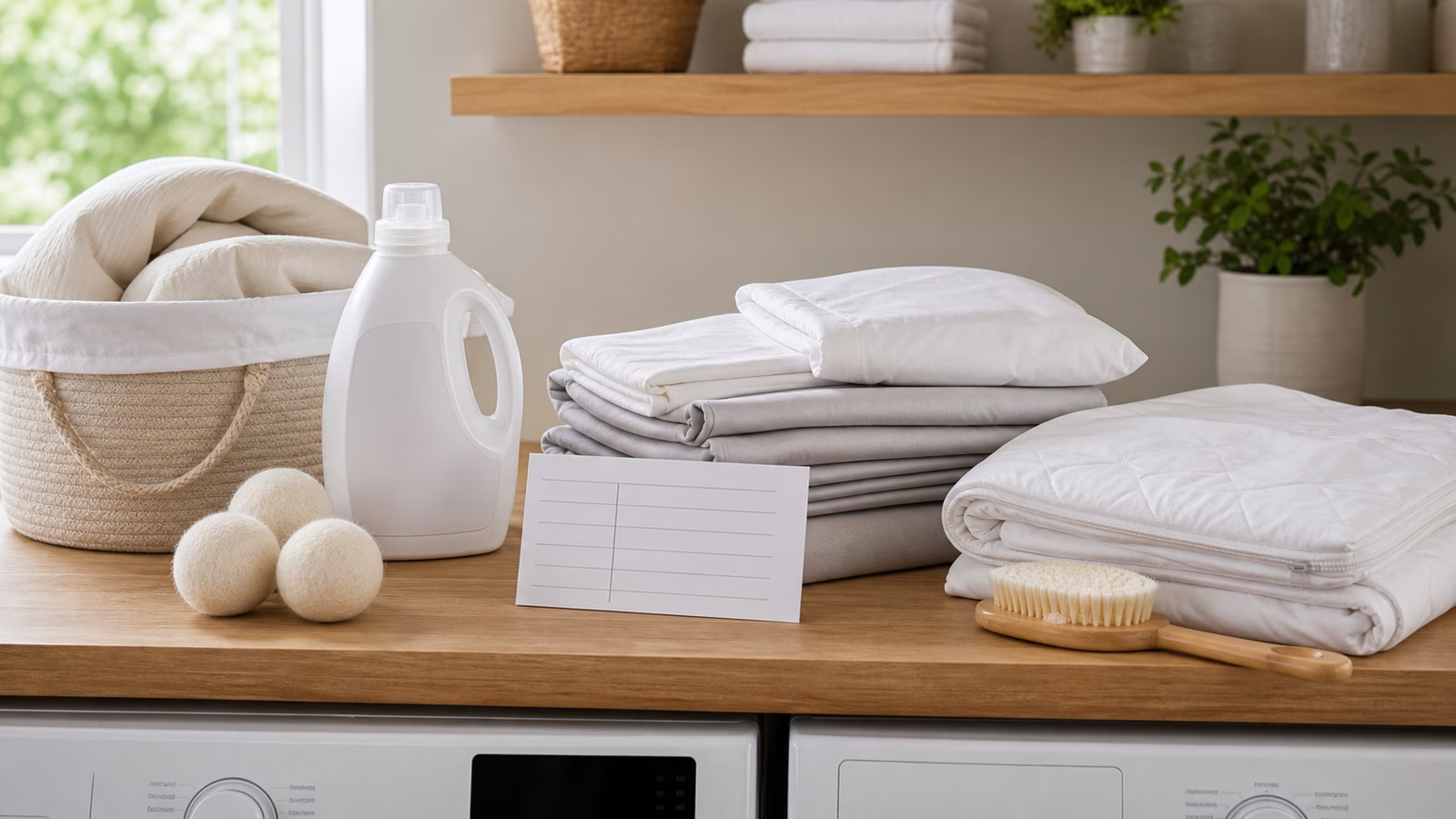
Bed-making friction also affects maintenance. A bed that is annoying to remake is less likely to be aired, washed on schedule, or reset after a bad night. Bedding Wash and Rotation becomes easier when the sheet set fits the actual bed rather than the ideal bed imagined at checkout.
Buy for the finished stack, then keep notes
The best sheet notes are simple. Record the mattress height with protector and topper, the pocket depth that fit, and what happened after washing. Did corners stay put? Did the sheet shrink? Did the elastic recover? Did the fabric feel too tight, too loose, too warm, or too slippery? Those observations are more useful than remembering a brand name.
When you find a sheet that works, protect the information. Keep the tag photo, order details, or a small note in the linen closet. If the bed changes, update the note. A new topper, protector, or mattress can make an old favorite suddenly unreliable.
A fitted sheet is not supposed to be the dramatic part of sleep setup. When it fits, it disappears. The bed feels smooth, the corners stay calm, laundry day is ordinary, and the mattress layers can do their jobs without fabric pulling everything out of shape.