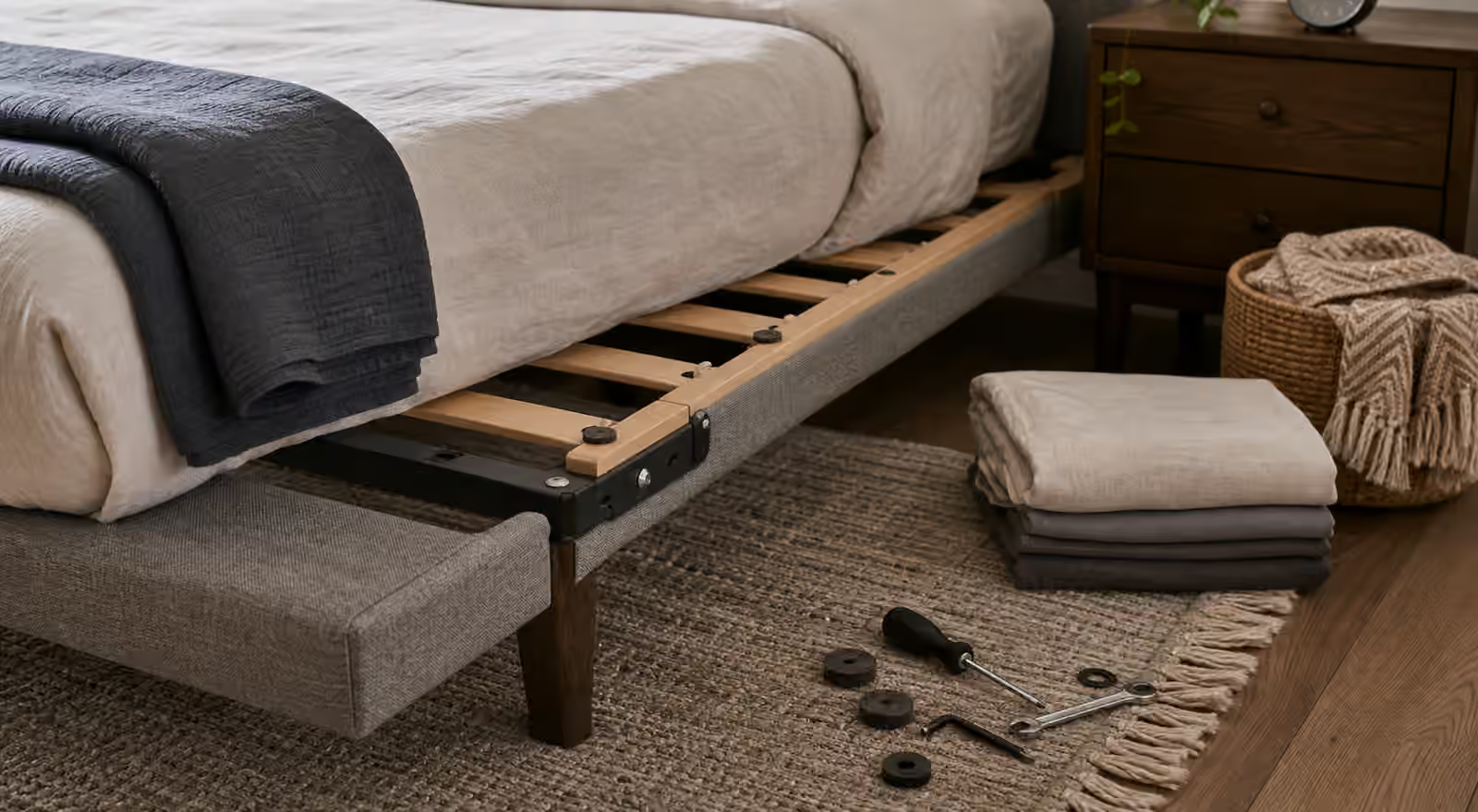
A noisy bed can make the whole room feel badly built. The mattress may be comfortable, the sheets may be right, and the room may be dark enough, yet one small shift at midnight produces a click, scrape, knock, or wooden complaint that makes the setup feel fragile. People often blame the mattress first because it is the part they feel. In many rooms, the sound starts lower: the frame, slats, headboard, floor, wall, or loose hardware. For background, see CPSC — Mattresses: Business Guidance .
This is a setup and maintenance problem before it is a shopping problem. A bed frame is a working object. It holds weight, moves slightly with the sleeper, reacts to humidity, meets an uneven floor, and gets bumped during bedding changes. Quieting it begins with listening carefully instead of tightening every screw at once.
Listen before tightening
The fastest way to waste time is to assume every noise has the same cause. A squeak usually comes from friction. A click may come from a loose connector, slat end, bracket, or caster. A dull knock may be a headboard tapping the wall. A scrape may be the frame shifting on the floor, a storage bin touching a rail, or a bed skirt catching under a leg. A hollow rattle may come from a metal platform, loose center support, or decorative part that is not carrying weight but still moves.
Strip the bed just enough to see the structure. You do not need to empty the room, but you do need to separate layers. Move pillows and loose blankets away. Check whether the sound happens when the mattress moves, when the frame moves, when the headboard moves, or when the floor flexes. Push gently at one corner, then the other. Sit near the edge. Roll across the mattress. Lift the mattress corner slightly if you can do so comfortably. The goal is not to force the frame. The goal is to make the sound repeat in a controlled way.
If the bed is new, this test also prevents a bad return decision. A mattress can feel noisy when the real issue is a frame that flexes under it. Mattress Trial Notes and Break-In is easier to use when the room itself is not adding false evidence.
Separate the mattress, frame, floor, and wall
Think of the bed as four contact systems. The mattress contacts the foundation. The foundation contacts the frame. The frame contacts the floor. The headboard or bed edge may contact the wall, nightstand, rug, or storage. Each contact can be quiet by itself and noisy when combined with the others.
The mattress layer is often innocent, but not always. A mattress on unsupported slats can bend into gaps and make fabric or foam rub against wood. A box spring or foundation can creak internally. A mattress protector can shift against a slippery surface and sound like the frame. If the sound changes when the mattress is lifted or rotated, the support surface deserves attention.
The frame layer is where most simple fixes happen. Bolts loosen over time. Slats slide in their pockets. Metal rails rub at brackets. Wooden parts swell or shrink with seasonal humidity. Center legs can hover above the floor or carry too much load if the frame is not level. Before adding pads or tape, confirm the frame is assembled squarely and that fasteners are snug. Snug does not mean crushed. Overtightening can strip wood, bend hardware, or make a future adjustment harder.
The floor layer matters more than people expect. A frame on hard flooring may creep a few millimeters every night. A leg partly on a rug and partly on bare floor may carry weight unevenly. A center support leg may sink into carpet while the outer legs sit higher. On old floors, the same bed can be quiet in one location and noisy two feet away. Bedroom Rugs and Floor Paths is useful here because rug thickness and edge placement can affect both noise and movement around the bed.
The wall layer is easiest to miss. A headboard touching drywall, trim, radiator covers, window sills, or a nightstand can make the room sound worse than the frame actually is. Leave a small gap if the room allows it, or use soft contact pads where contact is intentional. A fabric headboard can soften sound, but it still needs stable mounting and clearance.
Make friction predictable
Once the noisy contact is named, the fix should make that contact predictable. Felt pads under legs can reduce hard-floor scraping. Rubber cups can help a leg stay put if the floor is smooth. Thin fabric or cork between a slat and rail can reduce wood-on-wood rubbing. Washers can calm some metal-on-metal contact when they are compatible with the hardware. A small amount of suitable wax on a wooden friction point can help, but it should not be smeared where bedding, upholstery, pets, or skin can pick it up.
The best fix is usually quiet and boring. It does not make the frame taller, add glare, block airflow, or turn bed maintenance into a tool project. Avoid stuffing random cloth into structural joints where it can compress, migrate, or hide a loose part. Avoid tape where adhesive can gum up the frame or leave residue on finished wood. If the frame instructions warn against certain modifications, treat that as part of the setup.
Slats need special attention because they are both support and noise source. A slat that bows, slides, or sits unevenly can make a mattress feel unstable. A missing slat changes support. A cracked slat is not a squeak problem; it is a support problem. Bed Frames and Foundations explains the support side, but the noise habit is simpler: every slat should sit where it belongs, carry its share, and avoid rubbing hard against its neighbor.
Couples hear different noises
Shared beds expose frame problems faster. One person may move gently and never notice a loose rail. Two sleepers, split bedding, pets, and different sleep positions can put diagonal force through the frame. Motion that feels like mattress transfer may actually be frame rack, headboard knock, or legs shifting on the floor.
If one side complains about noise, test both sides separately. Sit on the edge where each person gets in. Roll from each side toward the middle. Check the center support. Look for a nightstand, charging cable, or under-bed bin that only touches the frame on one side. Couples Mattress Decisions focuses on feel and compromise, but the bed frame deserves the same two-person test.
Split bedding can also change sound. Two smaller blankets may reduce tugging across the bed, while a heavy shared comforter can pull on one side when someone turns. That does not mean the blanket is wrong. It means the bed is a system, and noise sometimes starts with a movement pattern rather than a defective part.
Keep the quiet setup maintainable
After a move, delivery, deep cleaning, seasonal bedding change, or room rearrangement, the bed should be checked again. Frames loosen because beds are used. That is normal. The maintenance rhythm can be simple: clear objects from under the frame, check that legs are fully planted, confirm slats are seated, snug obvious fasteners, and make sure the headboard has not migrated into the wall.
Do this before a problem becomes a nightly irritation. A five-minute check after rotating bedding is easier than diagnosing a mystery click while tired. Bedding Wash and Rotation already creates natural moments when the bed is partly stripped, so it is a good time to look below the mattress.
Some noises are not worth chasing forever. If the frame is cracked, missing support, badly warped, or incompatible with the mattress, padding the sound may only hide the issue. If the bed has repeated loose hardware that will not hold, the better fix may be replacement parts or a different foundation. Quiet matters because it supports rest, but support comes first. A bed should not only sound calm. It should behave like a stable object in an ordinary room.