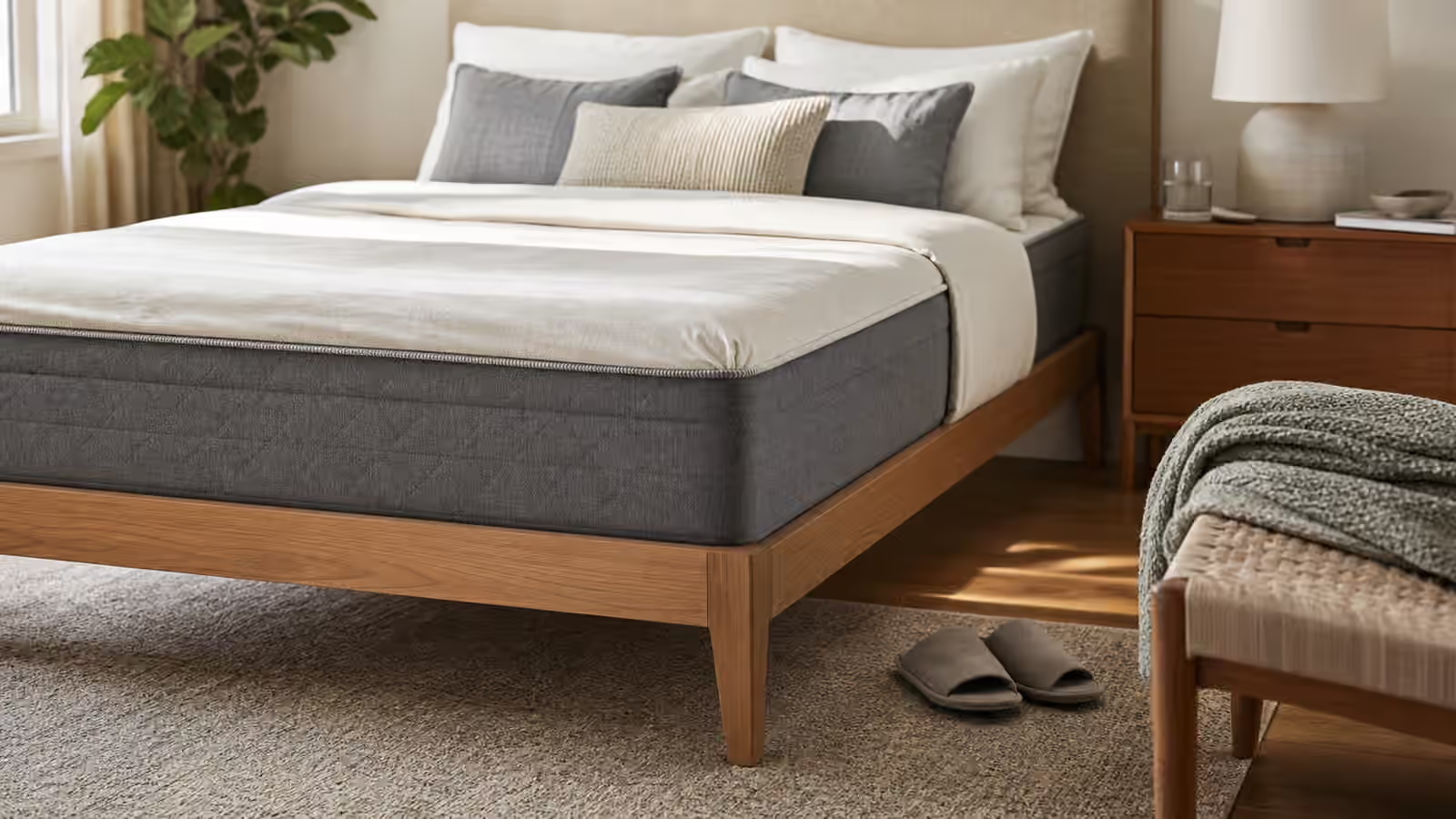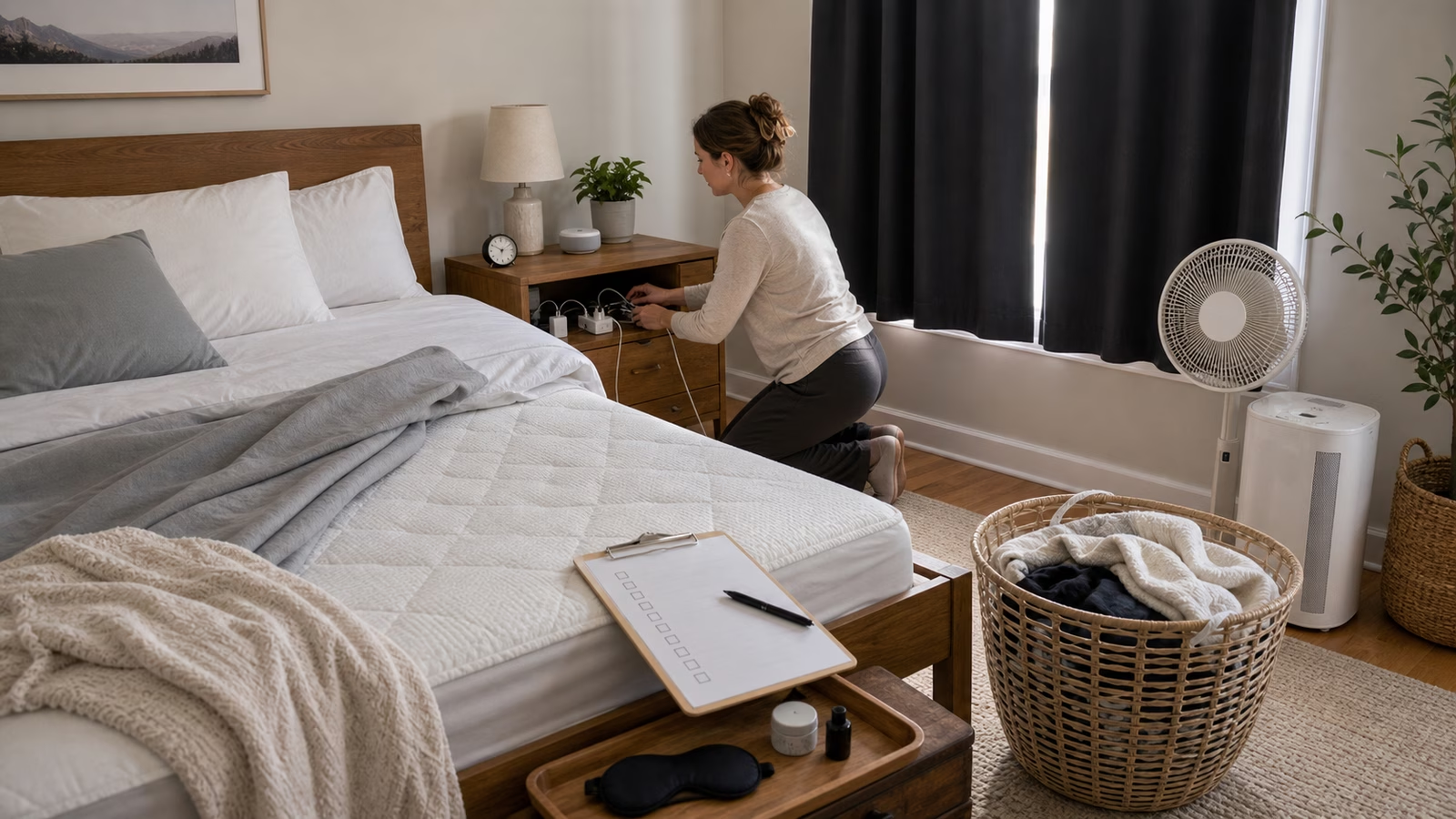
A sleep setup gets easier when you stop treating the bedroom like a shopping list. The room is a small system: support, fabric, temperature, darkness, sound, light, air, clutter, and upkeep.
Start with the parts you can observe. Is the room too bright? Too warm? Too noisy? Are the sheets scratchy, the pillow mismatched, or the mattress sitting on a weak frame? A clear problem beats a vague upgrade.
The 30-minute room audit
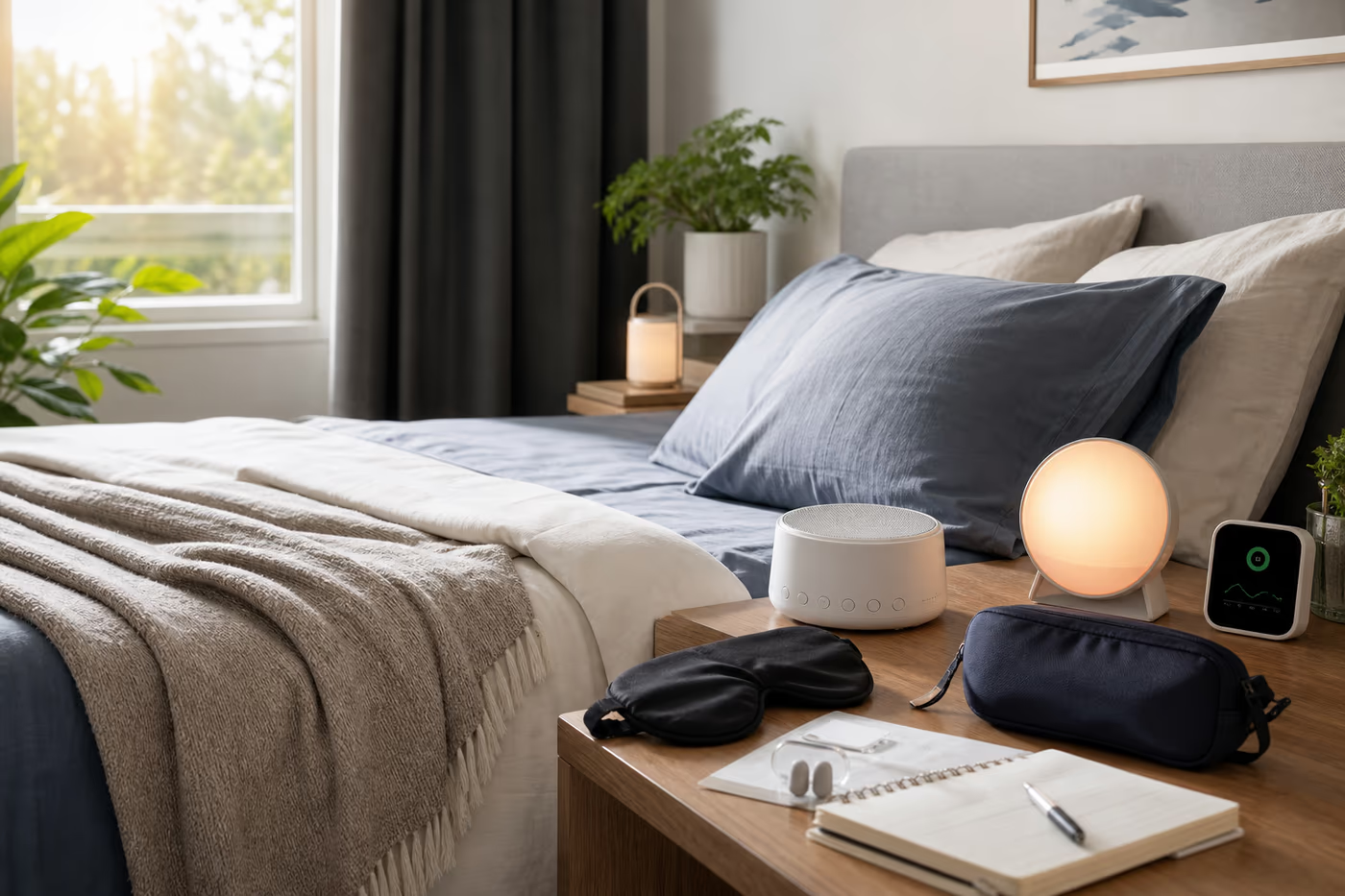
Do this before opening shopping tabs. Stand at the bedroom door and notice clutter, light leaks, and air paths. Sit on the bed edge and listen for frame noise. Pull back the bedding and check the mattress protector, sheet fit, and topper stack. Look at the nightstand for bright screens, cable tangles, blocked alarm controls, and water near chargers. Close curtains and doors, then notice where light still enters. Turn on the fan, sound machine, purifier, or alarm if you use one, and pay attention to whether the controls are usable in the dark.
Then write one sentence that describes the biggest problem. That sentence decides the first guide you should read.
The first pass
Walk through the room from the mattress outward. Bed support covers the mattress, foundation, frame, size, motion, and edge support. Bedding covers pillow loft, sheet feel, blanket weight, heat buildup, and the wash routine. The room environment covers light leaks, noise, airflow, dust, humidity swings, and clutter. Tech covers alarms, sound machines, trackers, chargers, and cable placement. Life constraints include partner preferences, small rooms, rental limits, and travel needs.
You do not need to solve all of it at once. The useful move is finding the first bottleneck.
Choose your path
If the bed feels wrong, start with Mattress Firmness and Feel . If shopping has already started, slow down with Mattress Shopping Checklist . If the pillow feels mismatched, use Pillow Fit Guide . If the bed runs warm, start with Cooling Bedding Layers . Light problems belong with Blackout Curtains Guide , noise with White-Noise Machine Guide , travel disruption with Travel Sleep Kit , and tight rooms with Small Bedroom Layout .
Before buying anything, name the exact problem, test whether a cheaper change could answer it, and make sure the product fits the bed size, room size, outlets, and wash routine. A good purchase should not add more cleaning work, noise, light, heat, or cable clutter than it removes. You should also know how you will judge it after two weeks.
Buy in layers
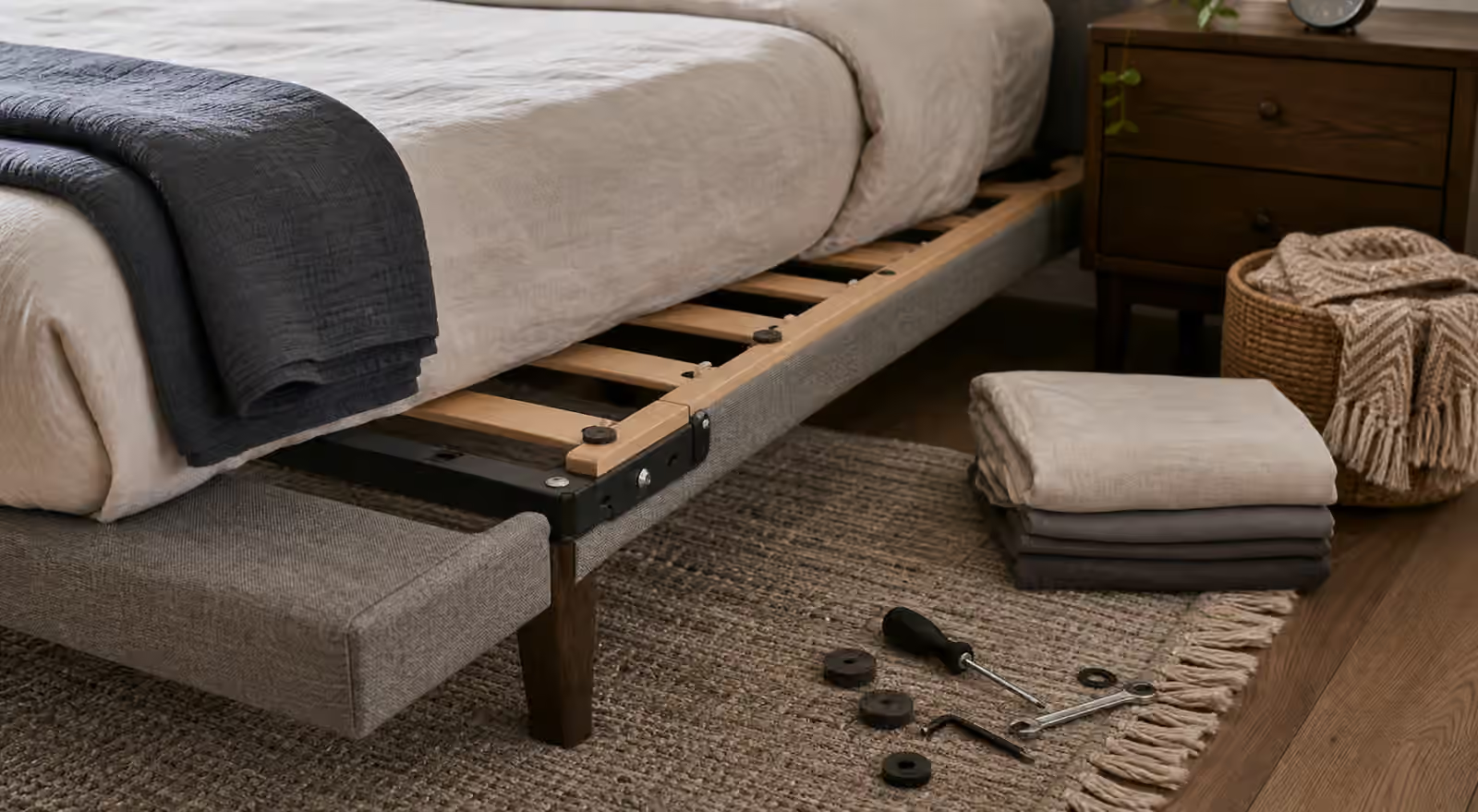
The usual low-risk order is to clean, clear, and measure the room first. Then fix light, sound, cable, and airflow friction. After that, tune pillows, sheets, protectors, and top bedding. Inspect the frame and foundation before blaming the mattress. Only consider the mattress when the complaint remains clear after the surrounding setup has been made readable.
This order keeps a new mattress from being blamed for old problems, and it keeps small problems from turning into expensive purchases.
Shopping shortcut
If you want one low-regret cart before any big mattress decision, start with a breathable mattress protector and an adjustable-fill pillow . Those two buys make the rest of the setup easier to test.
Good first upgrades
The best first upgrades are usually modest: a pillow that matches your position and mattress feel, a washable mattress protector, darker window coverage, a quieter fan, a better sheet material for your temperature preference, or a small travel kit if unfamiliar rooms throw off your routine.
Save the big mattress purchase for when you can describe why the current bed fails. A new mattress is easier to choose after you understand frame support, pillow height, bedding heat, and room temperature.
Next step
Make one change, live with it for several nights if possible, and write down what changed. Then decide whether the next purchase is still necessary.
Apply this guide as a decision record
Use Sleep Setup Quickstart: Build the Room Before You Buy Everything to turn a vague household question into a checkable one. Its scope is specific: A beginner path for improving a sleep environment with mattress, bedding, light, sound, air, and maintenance decisions. Before changing the setup, write down the condition you are trying to change, the constraint that matters most, and the evidence you still lack.
For a first pass through quickstart, compare the current state with a relevant baseline and record one observation, measurement, or conversation. Make the smallest reversible change available. Keep the manual, model number, room condition, schedule, or maintenance note beside the decision so a future check does not depend on memory. Keep sleep setup, bedroom, quickstart in view as separate signals instead of treating them as one verdict.
A useful follow-up asks whether Sleep Setup Quickstart: Build the Room Before You Buy Everything improved the named problem without creating a new one. Check the tradeoff that fits this subject — heat, noise, comfort, water, power, wear, effort, or cost — and describe the result in plain language. If a boundary is safety-critical, stop at the guide’s limit and bring the details to a qualified local professional.
The conclusion for quickstart should stay narrow. Record what was observed, which condition made the result possible, what maintenance keeps it dependable, and what would make you revisit the choice. That turns a guidebook into a decision record you can use again rather than a promise to remember.