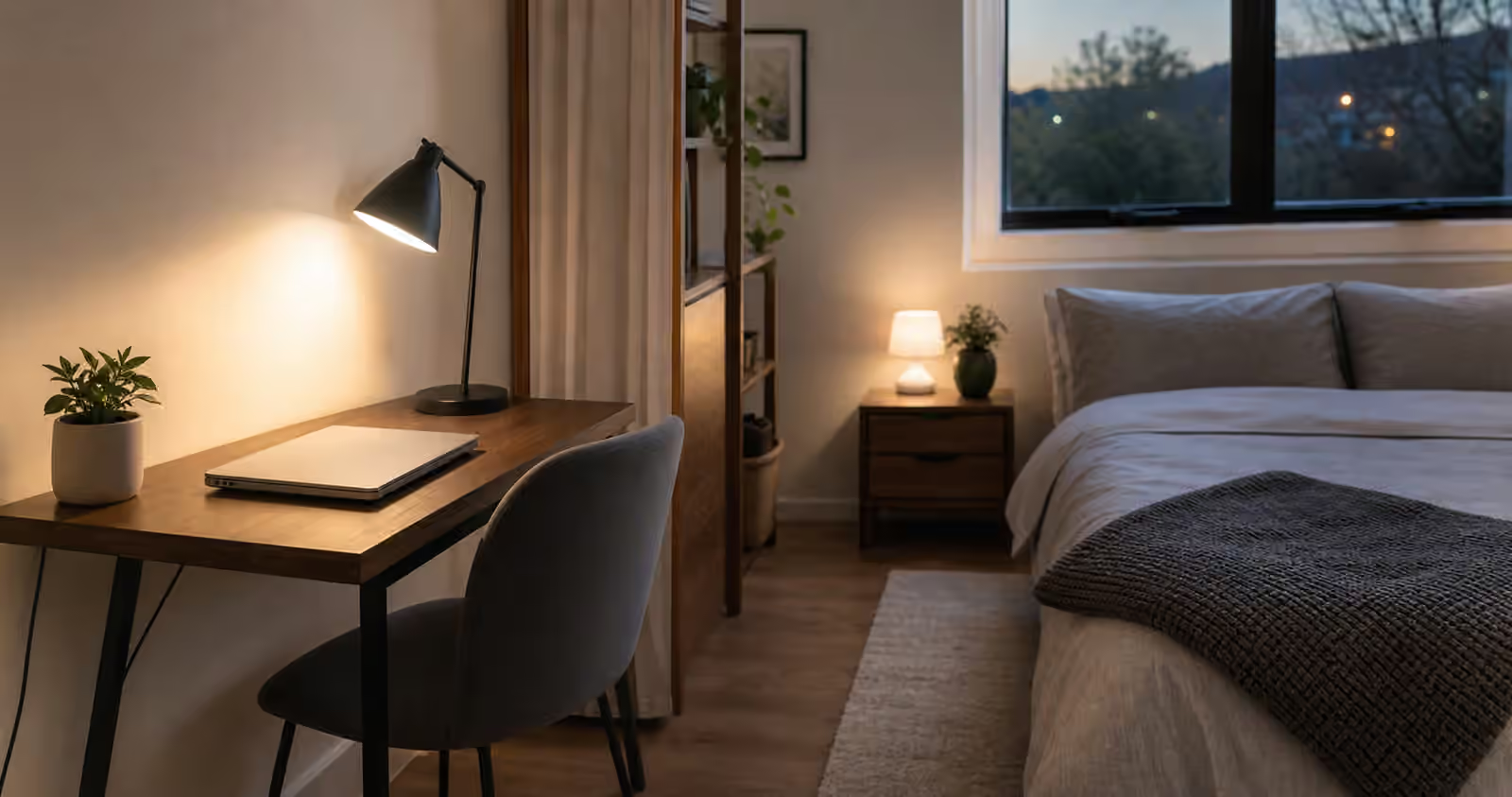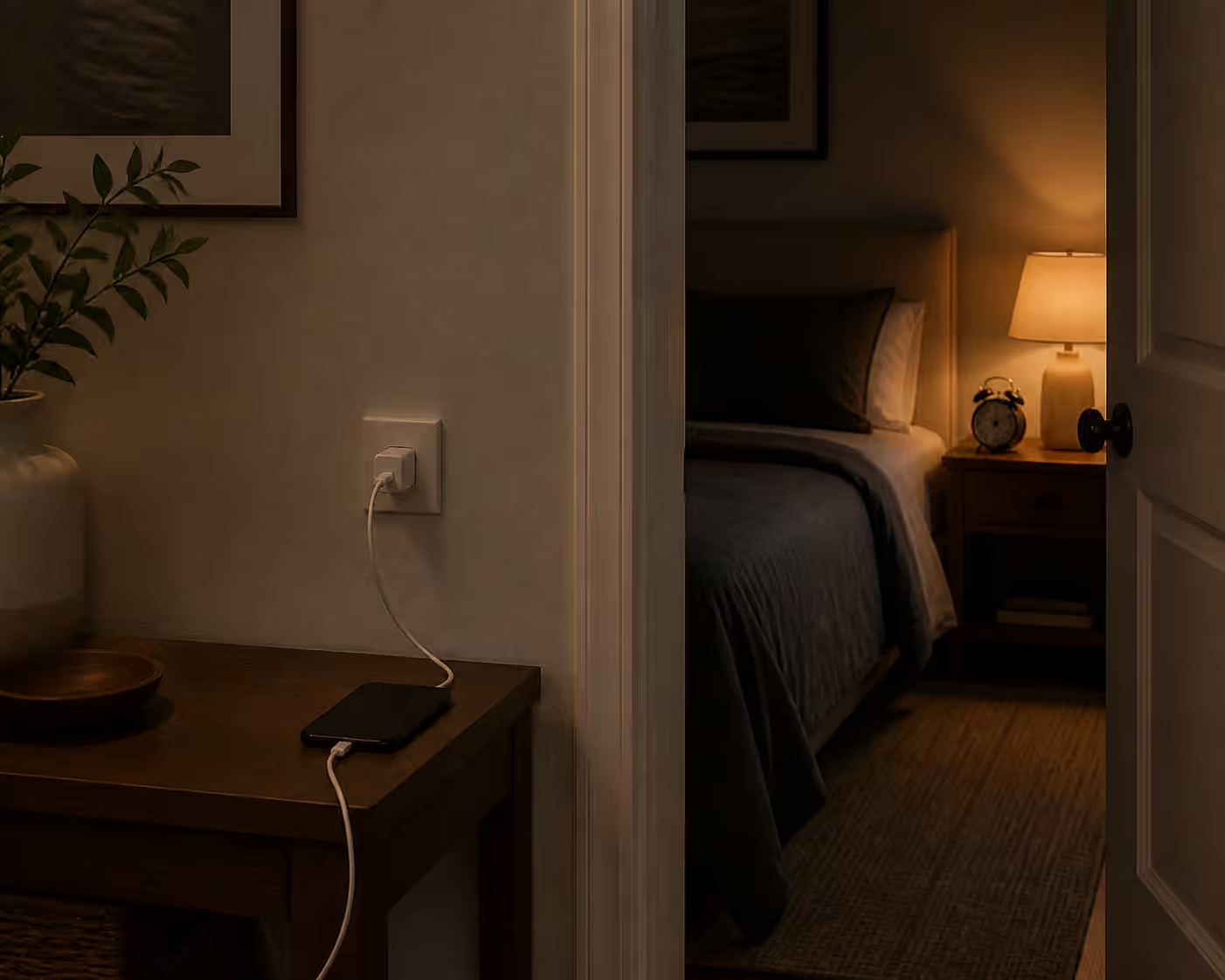
Moving the phone out of the bedroom sounds simple until it touches the rest of the routine. The phone may be the alarm, the emergency contact point, the baby monitor, the white-noise controller, the security app, the weather check, the audiobook player, the medication reminder, the morning calendar, or the thing someone reaches for when they cannot sleep. A rule that ignores those jobs usually fails. For background, see CDC/NIOSH — Tips to Improve Your Sleep When Times Are Tough .
A phone-outside setup works best when it replaces the phone’s useful bedroom jobs before removing the device. The goal is not purity. The goal is a quieter room with fewer glowing, buzzing, scrollable objects near the pillow. The setup should still let the household wake on time, handle necessary calls, charge safely, and leave the morning less frantic.
Name the phone’s real bedroom jobs
Start by naming what the phone actually does at night. If it is only a charger and scrolling device, moving it is easy. If it is the alarm, replace the alarm first. If it controls lights, sound, thermostat, or a fan, decide whether those controls need to be reachable from bed or can be set before bedtime. If it handles urgent calls, make sure the new location is close enough to hear or paired with another alert method that fits the household.
This is the same discipline used in Nightstand Charging and Cables . Every bedside object needs a reason to stay. The phone is often allowed to stay because it has one legitimate job and ten distracting side effects. Separate the legitimate job from the device before changing the room.
An alarm clock may be enough for some rooms. A sunrise alarm may fit better if the phone was also a morning light cue, in which case Sunrise Alarm Buying Guide can help. A simple watch alarm may work for a shared room where sound should stay low. The replacement does not need to be elaborate. It needs to be dependable when the phone is not beside the bed.
Choose a charging location that is still convenient
If the phone moves too far away, the habit may not last. A hallway console, dresser near the bedroom door, kitchen charging shelf, office desk, or entry table can work if it fits the evening and morning path. The best location is usually the place you naturally pass during the last ten minutes before bed and the first ten minutes after waking.
The location should have a stable surface, a safe cord path, and enough room that the phone is not balanced beside water, keys, coins, or a pile of mail. The screen should face down or away from sleeping areas if notifications light up. The charger should not create a trip line across a doorway. If the outlet is loose, overloaded, or awkward, fix that before making the location permanent.
Shared homes need more tact. A phone charging in a hallway should not glow into another person’s room. A kitchen charger should not become a household clutter magnet. A charger in a child’s reach may not be appropriate for every household. The right location is partly electrical and partly social.
Make the bedroom work without the phone
Once the phone leaves, the bedroom needs physical controls again. A lamp switch should be reachable. A sound machine should have usable buttons or a remote that does not require the phone. If the phone was the clock, a dim clock or analog alarm may belong on the nightstand. If the phone was the flashlight, a low path light may be better. Nighttime Path Lighting and Floor Clearance helps with that piece.
Do not move the phone out and then leave the room dependent on it. That creates a worse pattern: walking back out to adjust something, bringing the phone in “just for tonight,” and rebuilding the old habit. A phone-outside setup should make bedtime less fiddly, not more.
The room may also need a small landing zone for non-phone items. Earplugs, a sleep mask, lip balm, water, a book, and a light control can stay if they are useful and quiet. The phone leaving does not mean the nightstand must be empty. It means the nightstand gets to be more honest about sleep.
Handle exceptions in advance
Rigid rules often break on the first unusual night. Travel, illness, on-call work, family needs, severe weather, or early transportation may require the phone nearby. Decide what counts as an exception before bedtime. Otherwise every ordinary impulse can disguise itself as a special case.
One useful approach is a temporary bedside mode. The phone can come in only when it is face down, silenced except for needed contacts, placed across the room, and not used in bed. Another approach is a halfway location just outside the bedroom door. A third is a scheduled charging station that stays outside on normal nights and moves only for specific responsibilities.
The point is to reduce decision-making when tired. A planned exception keeps the setup practical without letting the phone quietly reclaim the pillow zone.
Watch the morning routine
The morning can decide whether the setup survives. If the phone is outside the bedroom, the first check may happen in the hallway, kitchen, or office instead of in bed. That can be useful, but only if the morning path is ready. Glasses, robe, slippers, medication, or a water bottle may need their own homes. The alarm should stop without requiring a half-awake search for the device.
If the new setup makes mornings rushed, adjust the station. Place the phone where it pairs naturally with keys, watch, earbuds, or work bag. Keep the charger fixed so it does not vanish. Use a cable long enough to reach the surface without dangling but not so long that it becomes a snare. A small tray can help if it stays small.
Be careful not to recreate the nightstand somewhere else. A hallway console full of chargers, receipts, watches, and loose adapters can become the same clutter in a new location. The phone station should be boring, fixed, and easy to reset.
Let the room become quieter
The main benefit of a phone-outside setup is not that the room becomes morally better. It is that the bedroom has fewer signals asking for attention. Fewer screen flashes, fewer buzzes, fewer cable tangles, fewer half-awake checks, and fewer reasons to negotiate with a bright rectangle when the room is supposed to be winding down.
Bedroom Electronics Light and Hum covers the broader idea. The phone is often the loudest silent object in the room, but it is not the only one. Once the phone has a better home, notice the charger LEDs, clock brightness, laptop sleep lights, router glow, and cable clutter that remain.
Give the setup a fair trial for several ordinary nights. If it fails, do not treat that as a character flaw. Find the missing job. Maybe the alarm was not dependable enough. Maybe the charging location was too far from the morning path. Maybe urgent calls need a different alert. Fix the setup, not the slogan. A good bedroom system is one you can repeat when tired.