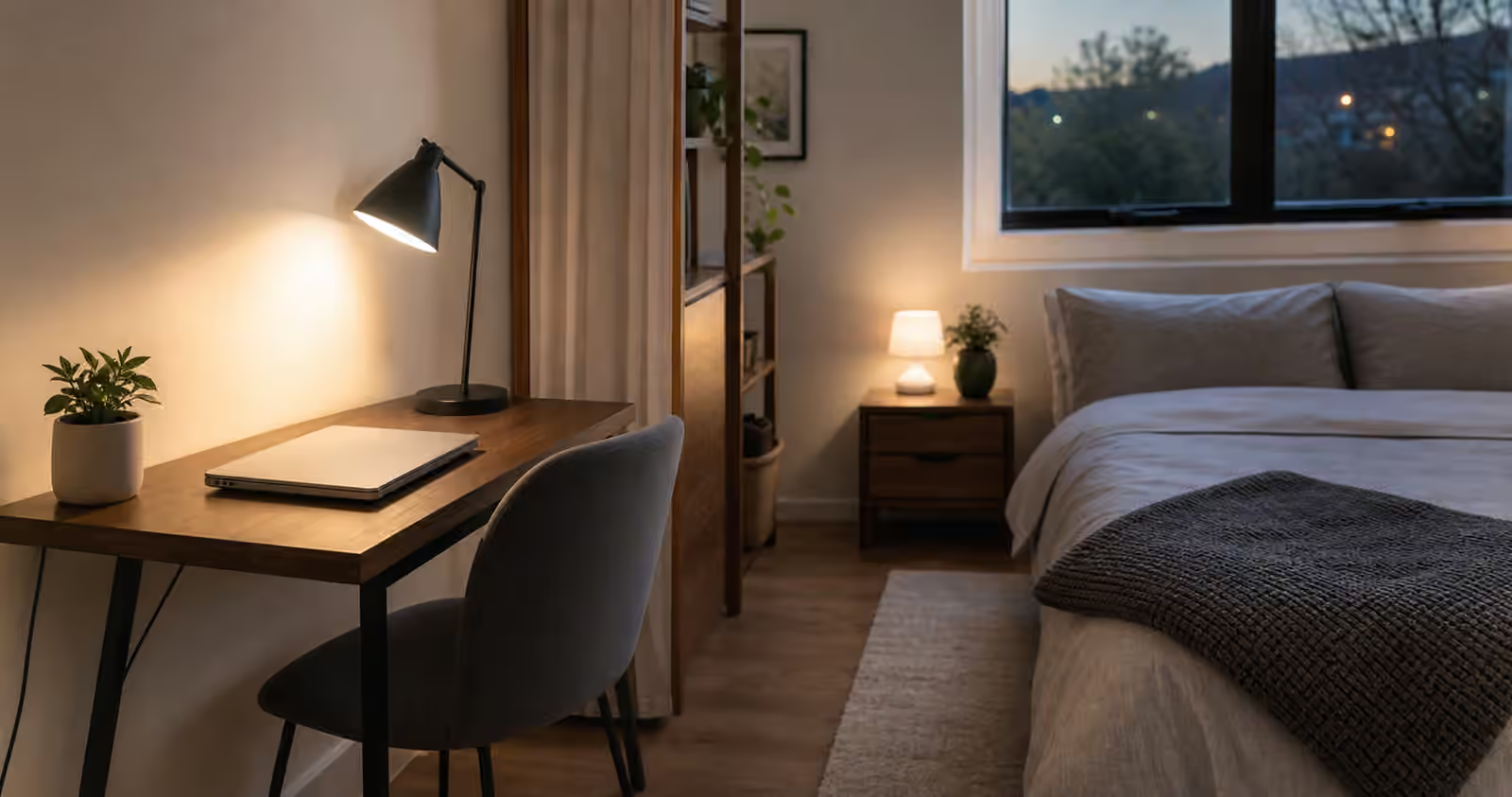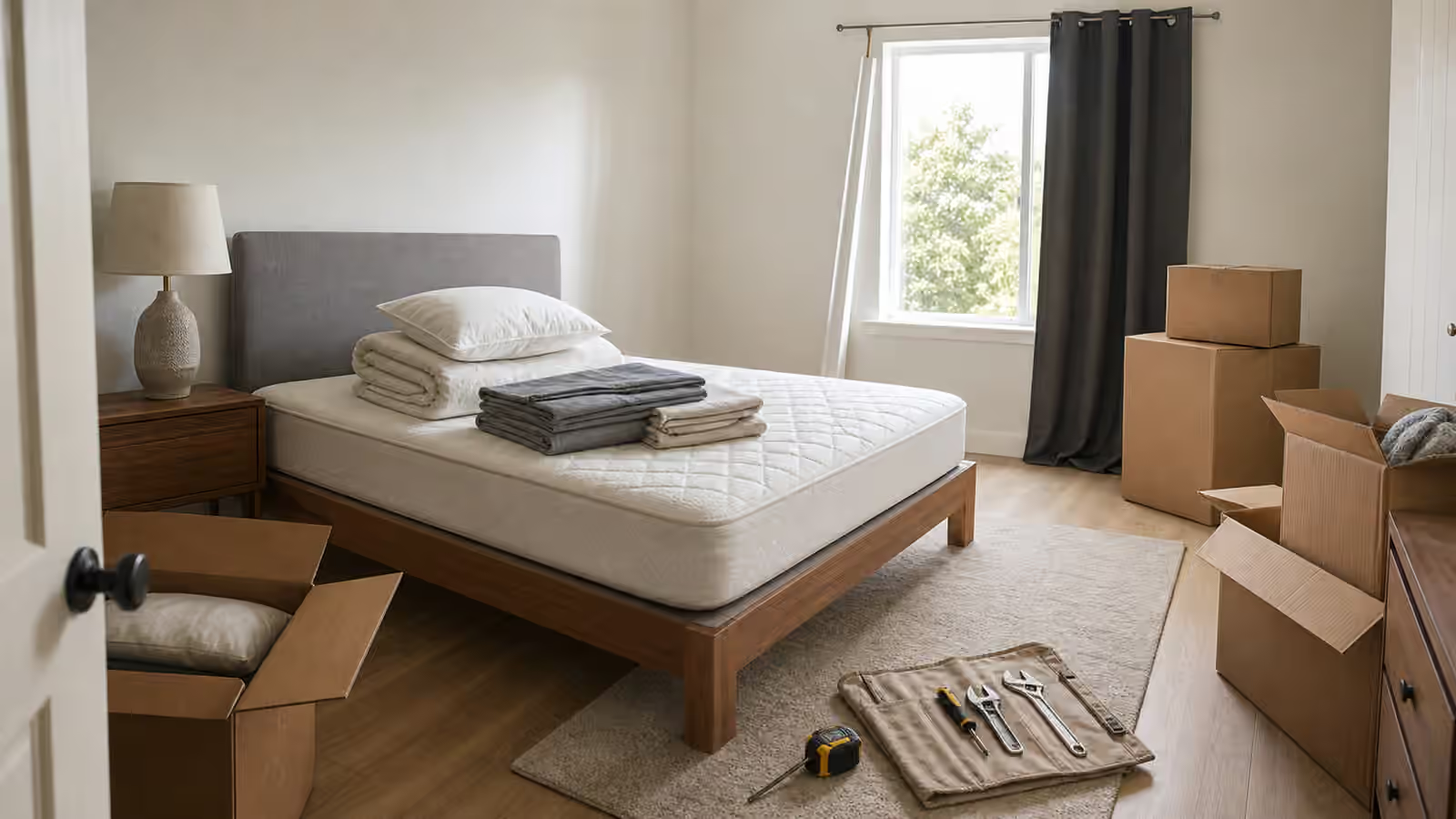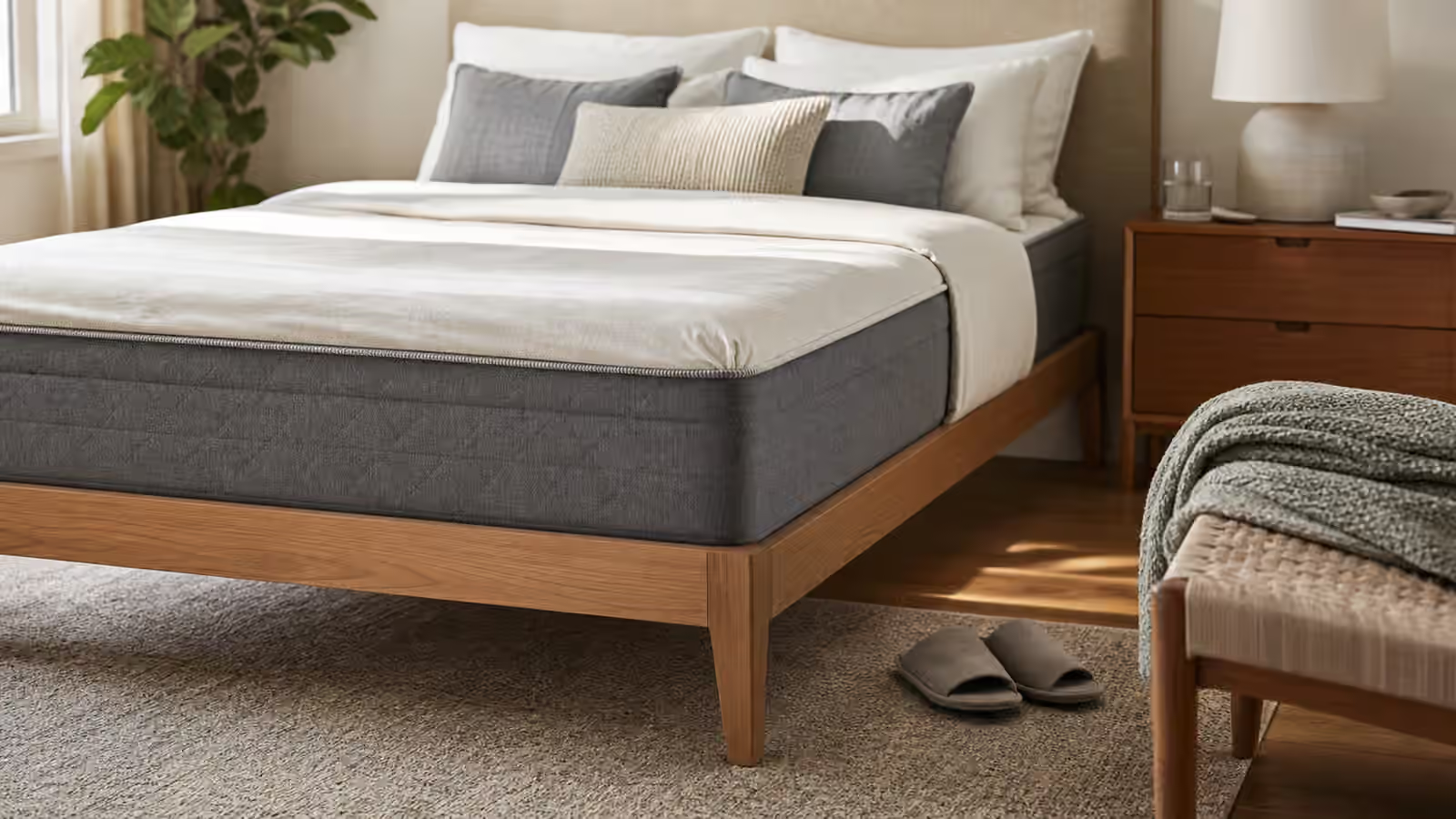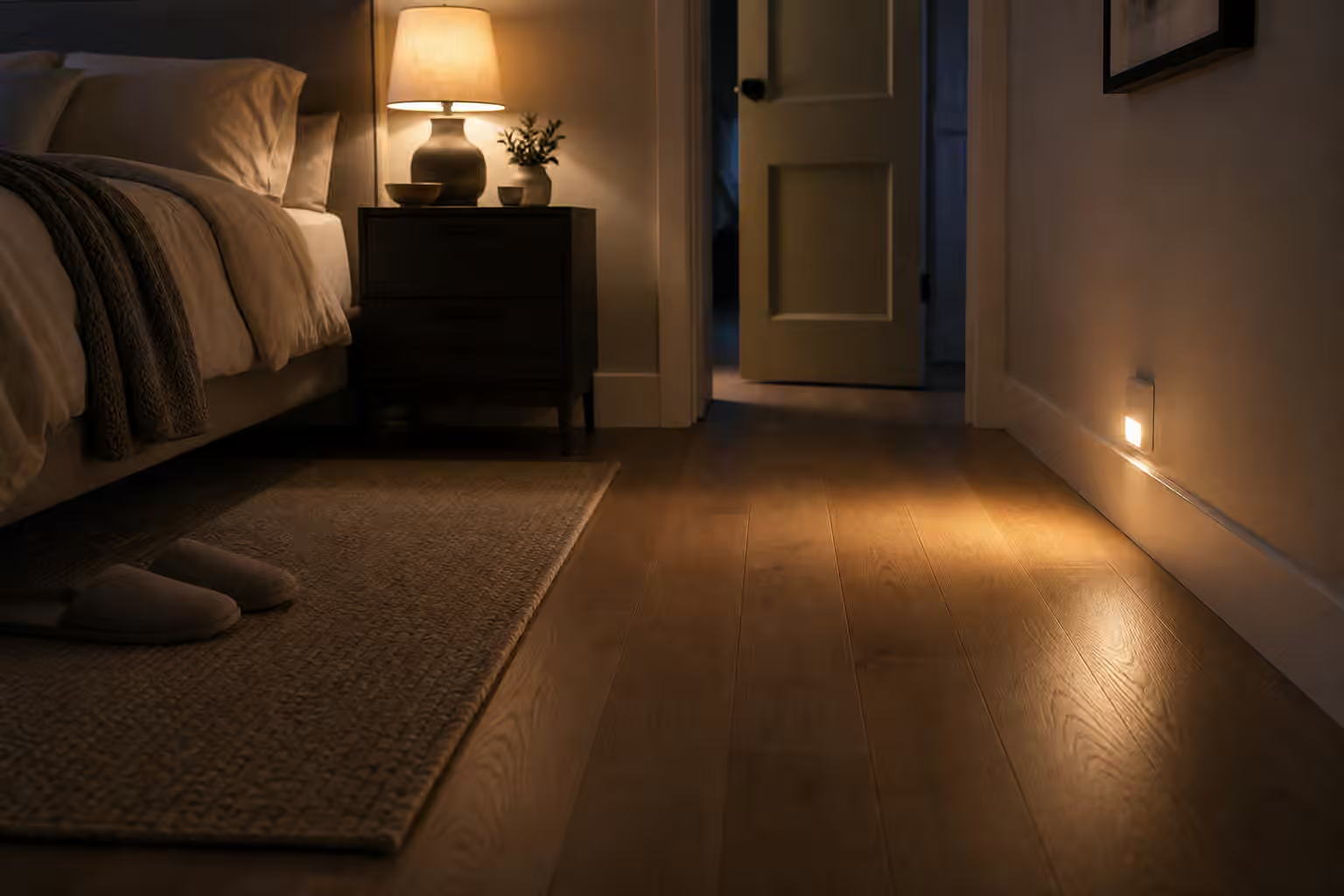
A sleep setup is not only judged while a person is lying down. It is also tested during the half-awake trip from bed to door, bathroom, closet, crib, thermostat, window, or water glass. That moment is easy to overlook because it is not a product category. It is a route. If the route is cluttered, too bright, too dark, or full of rug edges and cable loops, the room asks for attention exactly when it should be quiet. For background, see CDC/NIOSH — Tips to Improve Your Sleep When Times Are Tough .
Good nighttime path setup does not mean lighting the bedroom like a hallway. It means giving the body enough information to move through the room without turning the whole space back on. The path should be visible, boring, and repeatable.
Start from the first footstep
The first footstep is the most important path decision. Where do feet land when leaving the bed? Is there a rug edge, slipper, pet bed, laundry basket, phone cable, storage bin, bench leg, or nightstand corner in that spot? A room can look tidy from the doorway and still fail at the bedside because the landing zone is cramped.
Stand beside the bed in ordinary evening light and trace the first three steps. Then do the same with the room dimmed. The route may change because darkness changes what the body trusts. A chair that seems obvious during the day becomes a shadow. A black charger cable disappears against a rug. A pale rug edge catches the eye. A doorway line becomes the only clear landmark.
Bed Height and Nightstand Reach helps with the sitting and standing side of this problem. If the finished bed stack is high, the first step may need more floor clearance. If the bed is low, loose blankets and under-bed storage may matter more because they sit near the feet.
Light belongs low and indirect
Night lighting should answer one question: where is the route? It does not need to show the whole room. A low plug-in night light, under-bed strip, motion light near the baseboard, dim lamp on a very low setting, or hallway spill can all work if the light stays gentle and aimed away from pillows. Bright overhead light solves visibility by breaking the bedroom mood.
Color and placement matter. Very cool light can feel sharp at night. A warm, low light is usually easier to live with, but it should still reveal floor edges and doorways. A night light hidden behind furniture may glow beautifully while failing to mark the path. A motion sensor can help in some rooms, but it should not flare directly into the bed or trigger every time a partner turns over.
Lighting and Evening Reset covers the broader lamp rhythm. Path lighting is narrower. It is not for reading, dressing, or cleaning. It is for moving through a dark room without making a new decision every time.
Clear the route, not the whole room
Most bedrooms cannot be kept perfectly empty. Small rooms may need under-bed bins, laundry baskets, desk chairs, pet beds, and folded blankets. The path does not require a minimalist room. It requires a defined route that stays clear even when the rest of the room is in use.
Choose the route deliberately. It may run from the open side of the bed to the door. It may angle around a bench. It may pass between bed and dresser. Once the route is named, protect it from temporary storage. The path is not where packages wait, where shoes collect, or where a charging cable stretches because the outlet is inconvenient.
Rugs deserve special attention. A rug can warm the floor, soften sound, and make a room feel calmer. It can also create edges. If the path crosses a rug edge, the edge should lie flat and stay visible in low light. If a rug bunches when the bed is made or when a chair moves, it belongs outside the path or needs a better pad. Bedroom Rugs and Floor Paths goes deeper on rug size and placement.
The nightstand can help or block
Nightstands often creep into the path because they are adjusted for reach, not movement. A nightstand that sits too far forward may catch a hip or knee when someone turns toward the door. A charging cable from the nightstand may droop into the route. A water glass may sit exactly where a hand reaches in the dark. A lamp cord may cross behind the first step.
The best nightstand path setup is stable. The water bottle has a place. The charger has a fixed route. The lamp switch can be found by touch. The sound machine or alarm does not require leaning over clutter. If the room is shared, each side should have its own path logic rather than one person crossing the other’s cables and slippers.
Nightstand Charging and Cables is useful here because cable clutter often begins as a reach problem. When the cable path is fixed, the floor path becomes easier to keep clear.
Doors, curtains, and furniture create shadows
A bedroom path is shaped by vertical objects too. An open closet door can narrow the route. Long curtains can pool near a window. A robe hook behind a door can make the door stop in a different position each night. A dresser drawer left slightly open can become part of the path without anyone noticing until later.
Door gaps also affect path lighting. Hallway light under the door may be enough for one room and too much for another. A draft stopper can reduce light and sound but also changes the visible floor line. Bedroom Door Gaps covers that tradeoff. For path setup, the question is whether the door area stays legible in low light.
Curtains can create the same issue. Blackout curtains are useful, but if they drag into the route or hide an object near the floor, the path needs adjusting. A dark room should still have a readable shape.
Reset the path before the lights go down
The final path check should happen before bedtime, not during a wake-up. Tuck slippers to one side. Move laundry out of the route. Put the book, device, or water bottle back where it belongs. Make sure the chair is pushed in. Check that the low light is on or ready. This is not a grand routine. It is a small room reset.
The payoff is quiet confidence. The room still gets to be dark. The bed still gets to feel calm. But the route from bed to door is no longer accidental. It has enough light, enough clearance, and enough consistency to stay out of the night’s way.