Mattress type is a starting point, not a guarantee. Two hybrids can feel completely different. Two foam beds can have different heat behavior, edge support, and bounce.
Use type to narrow the search, then compare the details that affect your room and habits.
Type is not a spec sheet
Mattress categories describe construction, not quality. A cheap hybrid can have weak edge support. A good foam mattress can feel responsive enough for easy movement. Latex can be wonderful for one person and too springy for another.
Use type to ask better questions: what is the comfort layer, how does the support core behave, how tall is the mattress, how heavy is it, what foundation does it require, and what does the return process look like?
The main categories
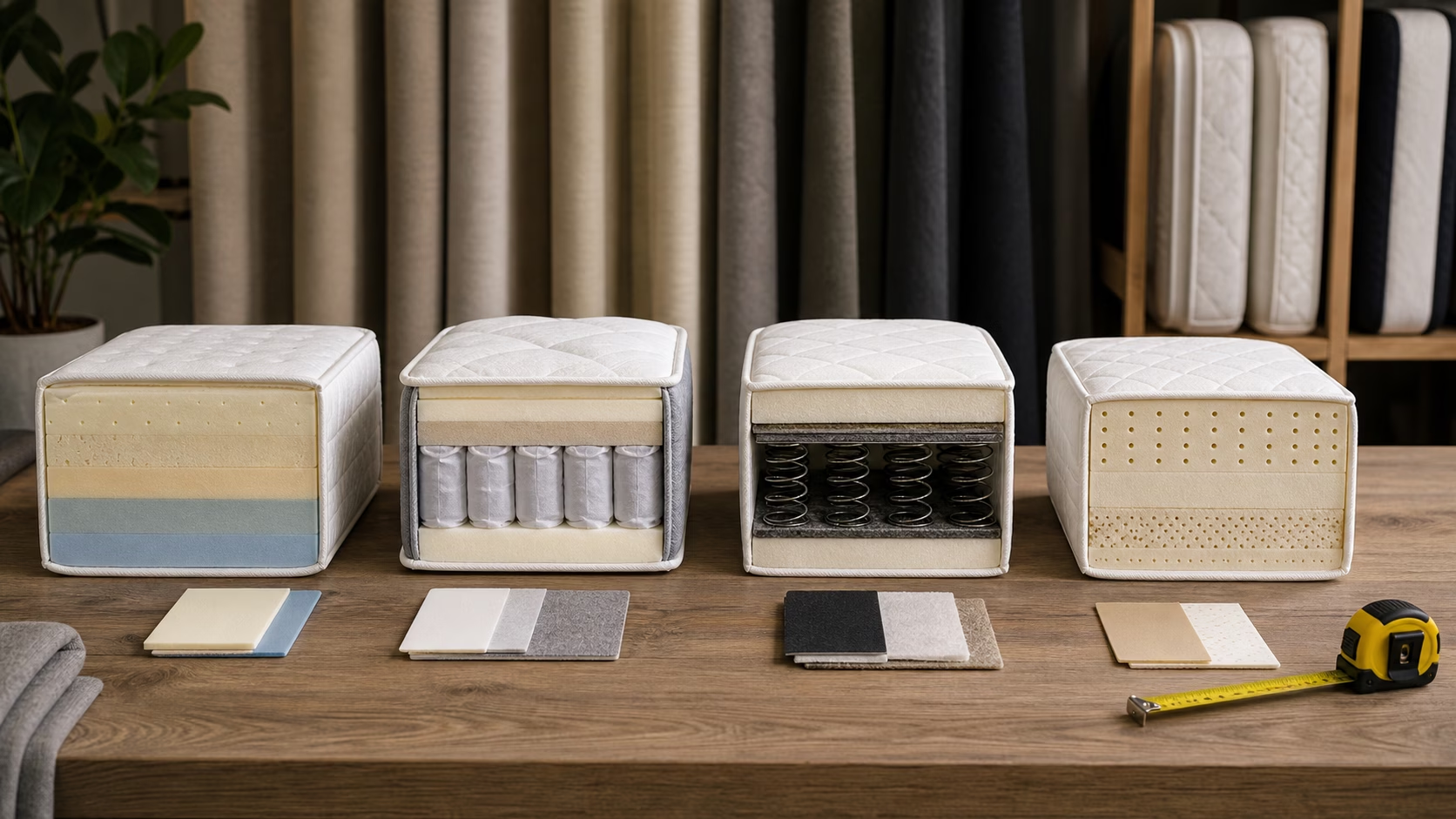
All-foam mattresses usually offer closer contour and lower bounce. They can be excellent for motion control, but heat buildup, edge support, and slower response are worth testing. Hybrids place foam comfort layers over coils, so they often feel more buoyant and breathable, though coil quality, motion behavior, edge design, and price vary widely. Innersprings are bouncier and airier in the traditional sense, but thin comfort layers can create pressure and older frames may become noisy over time.
Latex has a buoyant, resilient feel that some people love immediately and others never warm to. It can be heavy and expensive, so the strong feel preference matters. Adjustable air beds offer custom firmness zones, which can help shared beds, but pumps, controls, parts, and long-term service become part of the purchase.
Where to start
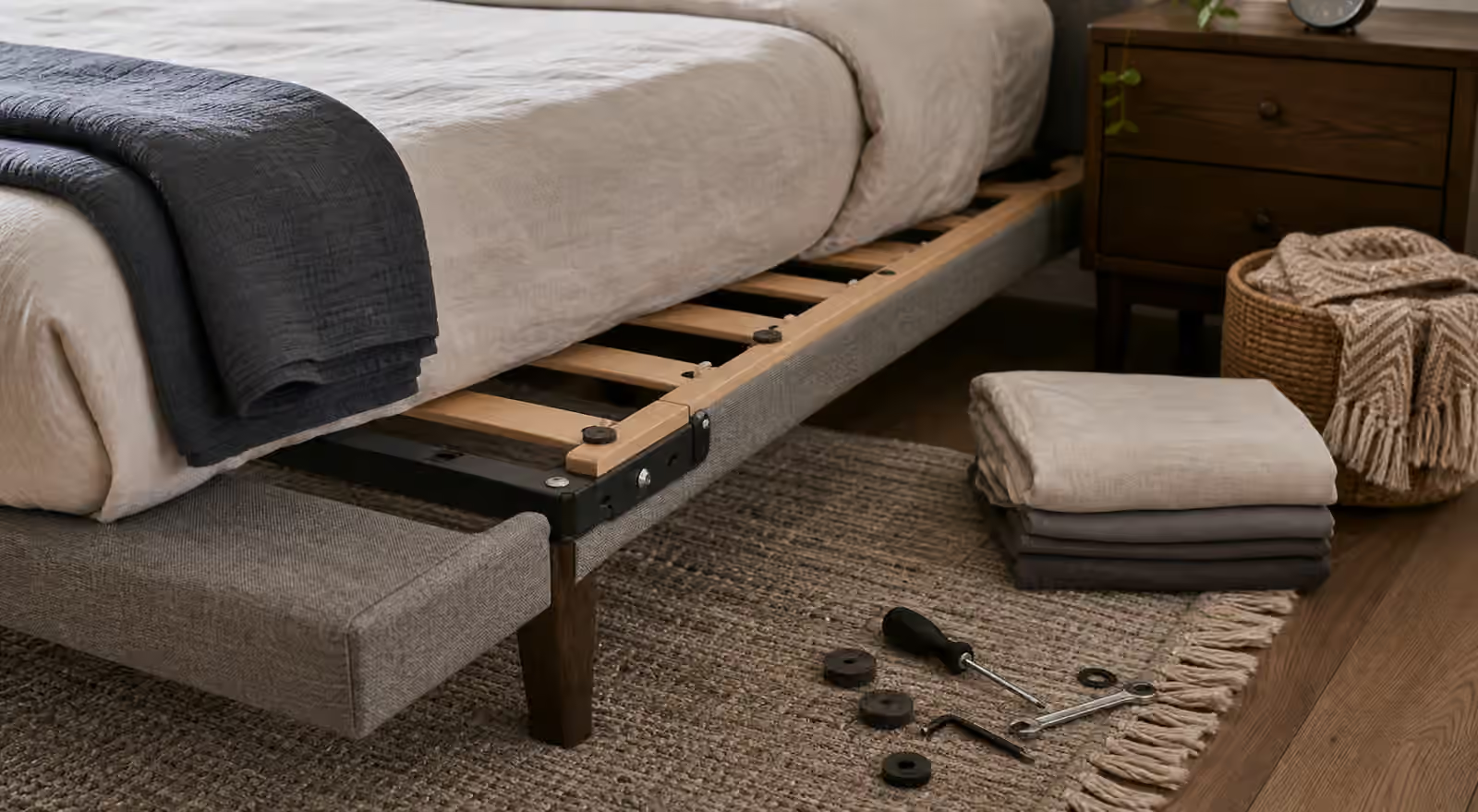
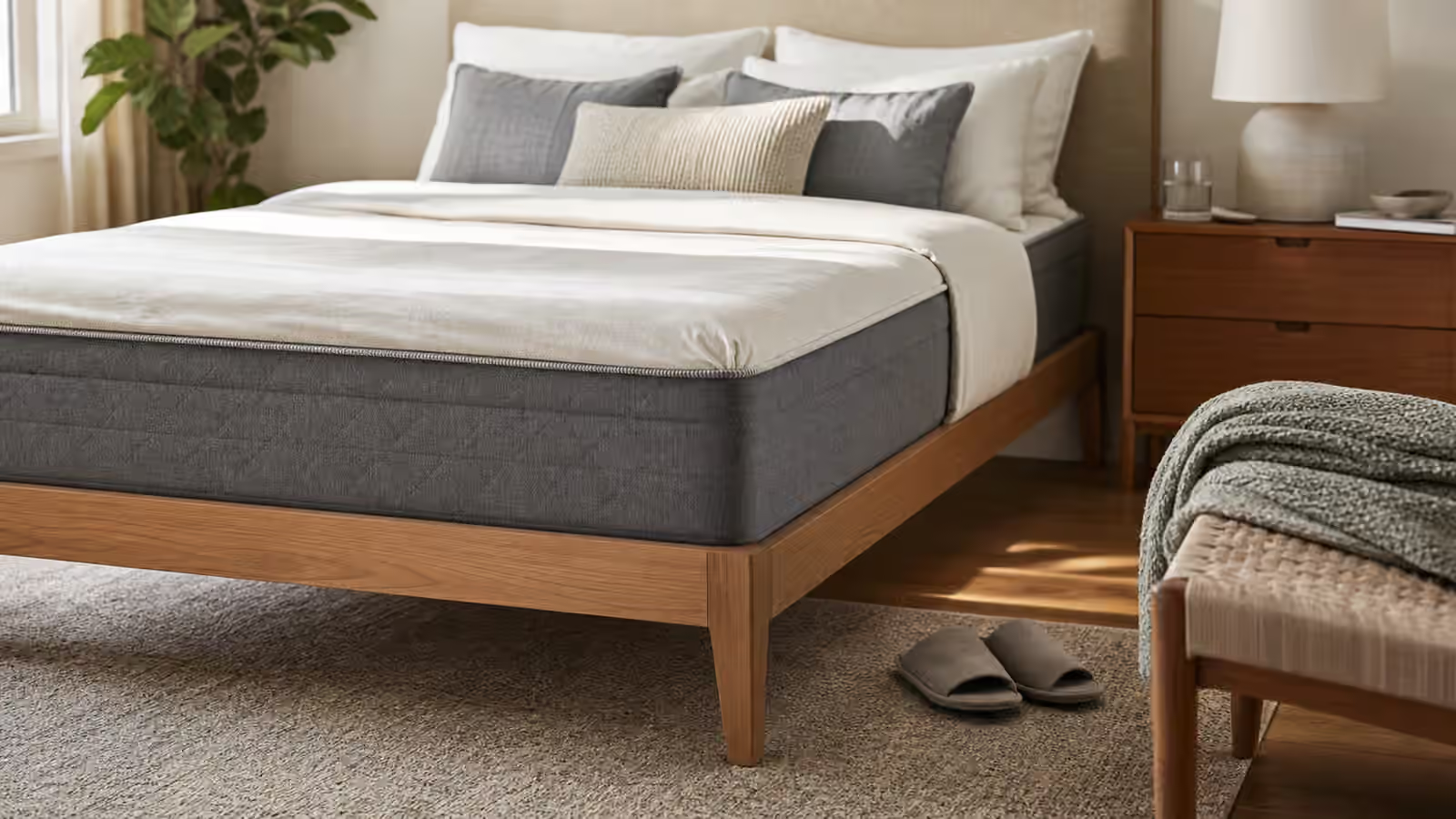
If motion transfer is the main concern, test foam and motion-focused hybrids first. If bounce and airflow matter more, compare hybrids, innersprings, and latex. If you sit on the edge often, focus on hybrids with strong edge design. If easy movement matters, try latex, responsive hybrids, and firmer foams. If two sleepers need different feels, split options or adjustable air may be worth exploring. If bed height is already high, thinner models and compatible bases may matter more than category labels.
This is only a starting map. The finished mattress still has to pass a real trial.
Shopping shortcut
If you are comparing broad mattress categories online, open two searches side by side: medium-firm hybrid mattresses and medium foam mattresses . The useful click is not the first result; it is the pattern of height, trial rules, edge notes, and review complaints.
Avoid category shortcuts
Do not assume foam always sleeps hot or hybrid always sleeps cool. Do not buy latex without trying its buoyant feel. Do not forget mattress weight if stairs, moving, or rotating the bed will be difficult. Do not ignore edge support if the bed is shared or the room forces people to sit on the side. Most importantly, do not choose type before checking return logistics, foundation requirements, and whether the trial is long enough to test the mattress with your actual pillow and sheets.
A useful default
If you do not know your preference, test a medium-feel hybrid and a medium-feel foam mattress in person or during a real home trial. The contrast teaches you more than reading another spec list.
Do not buy from type alone. Materials matter, but the finished build matters more.
Next step
Make one comparison at a time. The first useful lesson is usually whether your body prefers closer contour or easier movement.
Apply this guide as a decision record
Use Mattress Types: Foam, Hybrid, Innerspring, Latex, and Airbeds to turn a vague household question into a checkable one. Its scope is specific: A plain guide to mattress categories, tradeoffs, and what to compare before choosing a mattress type. Before changing the setup, write down the condition you are trying to change, the constraint that matters most, and the evidence you still lack.
For a first pass through mattress types, compare the current state with a relevant baseline and record one observation, measurement, or conversation. Make the smallest reversible change available. Keep the manual, model number, room condition, schedule, or maintenance note beside the decision so a future check does not depend on memory. Keep mattress, foam mattress, hybrid mattress in view as separate signals instead of treating them as one verdict.
A useful follow-up asks whether Mattress Types: Foam, Hybrid, Innerspring, Latex, and Airbeds improved the named problem without creating a new one. Check the tradeoff that fits this subject — heat, noise, comfort, water, power, wear, effort, or cost — and describe the result in plain language. If a boundary is safety-critical, stop at the guide’s limit and bring the details to a qualified local professional.
The conclusion for mattress types should stay narrow. Record what was observed, which condition made the result possible, what maintenance keeps it dependable, and what would make you revisit the choice. That turns a guidebook into a decision record you can use again rather than a promise to remember.