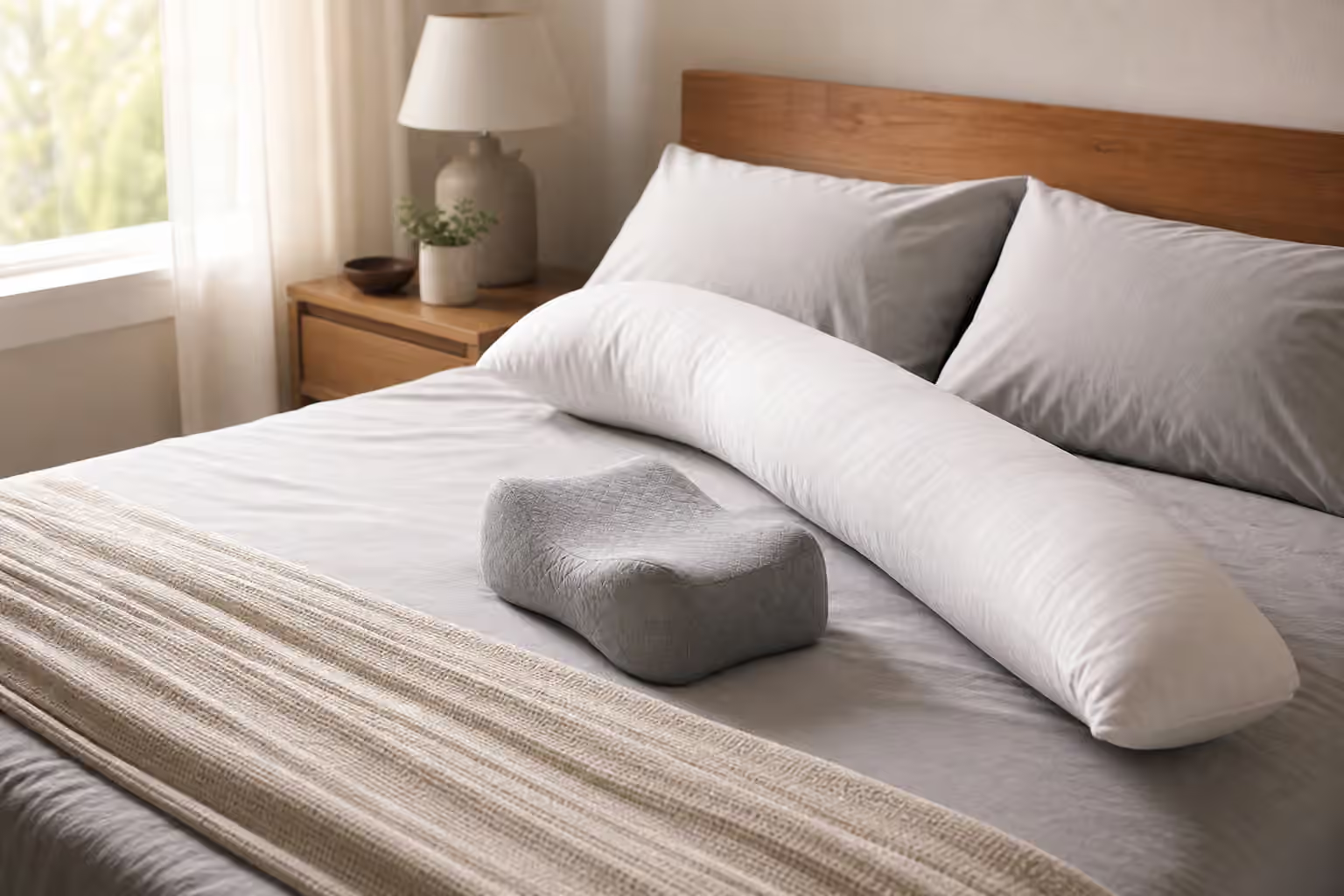
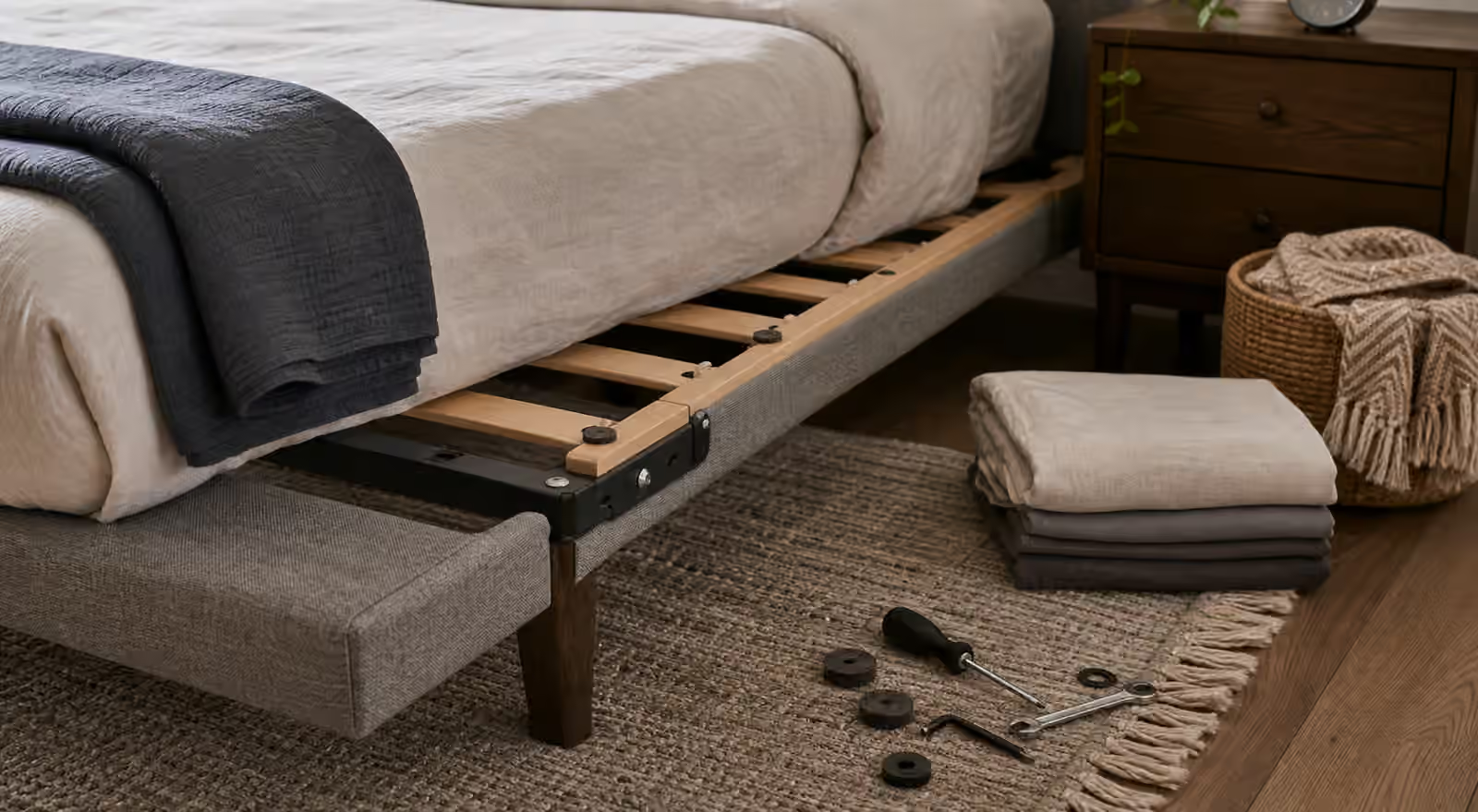
A topper is tempting because it sounds like a simple fix. The mattress feels too firm, the surface feels tired, or the bed in a guest room needs a little more generosity, and a few inches of material seem easier than starting over with a new mattress. For background, see CPSC — Mattresses: Business Guidance .
That can be true, but a topper is not a magic sheet. It is a new comfort layer added to an existing sleep system. It changes the height of the bed, the feel of the mattress surface, the way sheets hold corners, how heat moves through the bed, and how much laundry or cover management the setup needs. The best topper purchase begins with a plain sentence about the current problem and a clear limit on what a top layer can actually change.
Start With The Complaint
The useful question is not whether toppers are good. The useful question is what the current bed is doing wrong. A mattress that feels hard at the shoulder or hip may respond to a softer topper because the top surface needs more cushioning. A mattress that feels flat, hammocked, or unsupportive usually needs a different conversation, because a soft layer on top may make the dip feel deeper. A bed that feels fine for support but slightly thin in a guest room can often be improved with a modest pad or topper. A mattress that runs warm may become worse if the new layer traps heat under the torso.
Use Mattress Firmness and Feel before buying if the complaint is vague. A topper can soften the first impression of the bed, but it cannot rebuild weak edge support, broken slats, poor center support, or a mattress that has lost its shape. Those problems belong closer to Bed Frames and Foundations and mattress condition than to bedding.
The easiest home test is removal. Sleep for a night or two with the current pad, protector, or extra blanket removed if that is practical and clean. If the bed immediately feels cooler, flatter, or less bunched, the existing layer is part of the complaint. If nothing changes, adding another layer may not be the first move. The goal is to learn what layer is speaking before adding a louder one.
Know The Difference Between Pad And Topper
A mattress pad is usually thin and often quilted. It can add a little softness, protect the surface, smooth minor texture, and make the bed easier to wash, but it should not be expected to change a firm mattress into a plush one. A topper is thicker and more deliberate. It may use foam, latex, wool, down alternative, or another fill to change pressure feel and surface response. A protector is different again. Its job is coverage, spill resistance, and maintenance, though it may affect sound and warmth.
The names are not always used carefully in product copy, so judge by function. If the layer is thin enough to wash frequently and mostly quilted, think of it as a pad. If it is several inches thick and changes how deeply you sink, think of it as a topper. If it is waterproof, zippered, or built to shield the mattress from stains and dust, think of it as a protector even if it adds a little cushion.
This distinction matters because each layer has a cost beyond price. A washable pad can be part of Bedding Wash and Rotation . A thick topper may need a separate cover, spot cleaning, airing, and deeper fitted sheets. A waterproof protector can be useful but may create noise or heat if the material is plasticky. The right layer is the one that solves the problem without making the weekly bed routine harder than the original complaint.
Match Material To The Job
Foam toppers usually change contour the most. Memory foam can soften pressure points and create a slower, more cradling feel, but it may also make movement feel stickier and heat feel more concentrated. Responsive foam feels less slow and can be easier to turn on, though it still adds height and insulation. Latex toppers feel buoyant and springy, often useful when someone wants cushioning without sinking as deeply. Wool toppers feel more like a breathable pad than a deep cushion, and they can soften the surface while keeping a drier textile feel. Down and down-alternative toppers feel plush at first, but they compress and shift, so they suit people who want a cloudlike surface more than precise support.
Thickness is not automatically better. A one-inch layer may take the edge off a firm surface. A two-inch layer can noticeably change pressure relief. A thicker layer can begin to hide the mattress underneath, which is useful only when the underlying support is still reliable. If the mattress is already soft, a thick soft topper may create too much sink and make pillow height feel wrong. If the mattress is very firm, a thin pad may not be enough to matter.
Think about the bed as a stack. Mattress, protector, topper, pad, fitted sheet, top sheet, blanket, and duvet all interact. Cooling Bedding Layers is worth reading before buying a dense topper for a warm bed, because the layer closest to the body often has more influence than the top blanket. A cooler quilt will not fully rescue a heat-trapping comfort layer underneath the sheet.
Check Sheet Fit Before You Buy
Many topper regrets show up on laundry day. The fitted sheet that worked on a plain mattress may not reach once a protector and topper are added. A sheet that barely catches the corners can pop off during the night, pull the topper out of place, or make the bed look messy even when the layer feels good. Pocket depth matters, but so does elastic quality, shrinkage, and the slipperiness of the topper cover.
Before choosing a topper, measure the finished stack in ordinary terms. You do not need a perfect diagram, but you should know whether the mattress is already tall and whether existing sheets have extra room. Sheets Materials Guide explains why pocket depth and fabric behavior matter. Crisp percale, soft sateen, linen, jersey, and flannel do not grip a tall bed in exactly the same way.
If the topper is for a shared bed, sheet fit becomes a couples issue too. A topper that shifts toward one sleeper, bunches under the fitted sheet, or makes the bed too tall for one person can create friction even when the surface feels good. In that case, the topper belongs in the same decision set as Couples Mattress Decisions , split bedding, and pillow retuning.
Give The Topper A Trial Like A Mattress
A topper needs a real home trial because it changes with time on the bed. The first night can be misleading. New foam may feel firmer or warmer than expected, a fiber layer may compress, and the old pillow may suddenly feel too tall or too low. Keep the rest of the setup stable for several nights if possible. Use the same sheets, the same pillow, and the same room temperature so the topper is the main variable.
Write down the specific change you hoped for. If the goal was less shoulder pressure, notice that. If the goal was making a guest bed feel less thin, ask whether the bed feels more finished without becoming hot or difficult to make. If the goal was fixing a dip, be honest if the topper only made the dip softer. That honesty prevents a small purchase from delaying the decision that the mattress or foundation really needs.
Keep Maintenance In The Decision
A topper needs a cover if the surface cannot be washed. The cover should be removable without a wrestling match, and it should fit your washer or cleaning routine. Foam toppers may need airing and careful spot cleaning. Wool and fiber layers may have specific care limits. Thick layers can be awkward to move, especially in a small room or on a tall frame.
Use Mattress Care and Protectors once the topper is likely to stay. The protector question may change after a topper is added. Some people protect the mattress under the topper and cover the topper separately. Others use a single fitted protector over the full stack if it does not make the bed hot or noisy. The best answer is the one you can maintain without removing the topper from the bed every time sheets are washed.
The Good Use Case
A topper works best when the mattress is structurally sound but the surface feel needs a modest adjustment. It is especially useful for a firm mattress that needs cushioning, a guest bed that needs a softer welcome, a temporary living situation where replacing the mattress is not sensible, or one side of a shared bed where a removable layer can solve a personal preference.
It works poorly when it is asked to hide a failing mattress, replace missing support, fix a broken frame, or cool a bed that is already warm because of dense materials. Buy the topper only after you know which job it has. Then check sheet fit, bed height, warmth, and cleaning before treating it as a bargain. A good topper makes the existing bed more usable. A bad one simply turns one unclear mattress problem into a taller stack of bedding.