Edge support is easy to ignore until the bed is used like furniture instead of only as a sleeping surface. People notice it while sitting to put on socks, leaning over to reach a nightstand, rolling toward a partner, climbing out of a tall mattress, changing sheets, or sharing a smaller bed. The center of the mattress may feel fine, yet the outer few inches can make the whole setup feel narrower, softer, or less settled than expected. For background, see CPSC — Mattresses: Business Guidance .
This guide is about ordinary setup decisions, not mobility advice or medical guidance. If getting in and out of bed is painful, unsafe, or connected to a health condition, treat that as a professional conversation. For everyday bedroom planning, though, edge support belongs beside mattress firmness, bed height, frame stability, and floor path because it changes how the bed behaves during the small transitions that happen every day.
The Edge Is Part Of The Usable Bed
A mattress is not only the rectangle printed on the size label. It has a usable sleeping area, a sitting area, and a transition area where the body shifts weight before standing or settling in. If the edge compresses sharply, the bed can feel smaller than its official size. A couple on a queen may feel pushed inward. A solo sleeper who likes space may avoid one side. Someone who sits on the edge every morning may read the mattress as less supportive than it really is in the center.
This is why edge support should be tested as a behavior, not a spec. Sit near the edge for a minute. Shift forward as if tying shoes. Lie close to the side in the position you actually use. Roll toward the edge and pause. Notice whether the surface gently compresses, slopes, collapses, squeaks, or makes you brace with your hands. A mattress can have a soft edge and still be pleasant if the room gives you a bench or chair. It can also have a firm edge and feel awkward if the finished bed height is wrong.
Mattress Firmness and Feel helps separate center feel from surface feel. Edge support adds another distinction. The side of the bed may be doing a different job than the middle, and it deserves its own test.
Height Changes The Edge
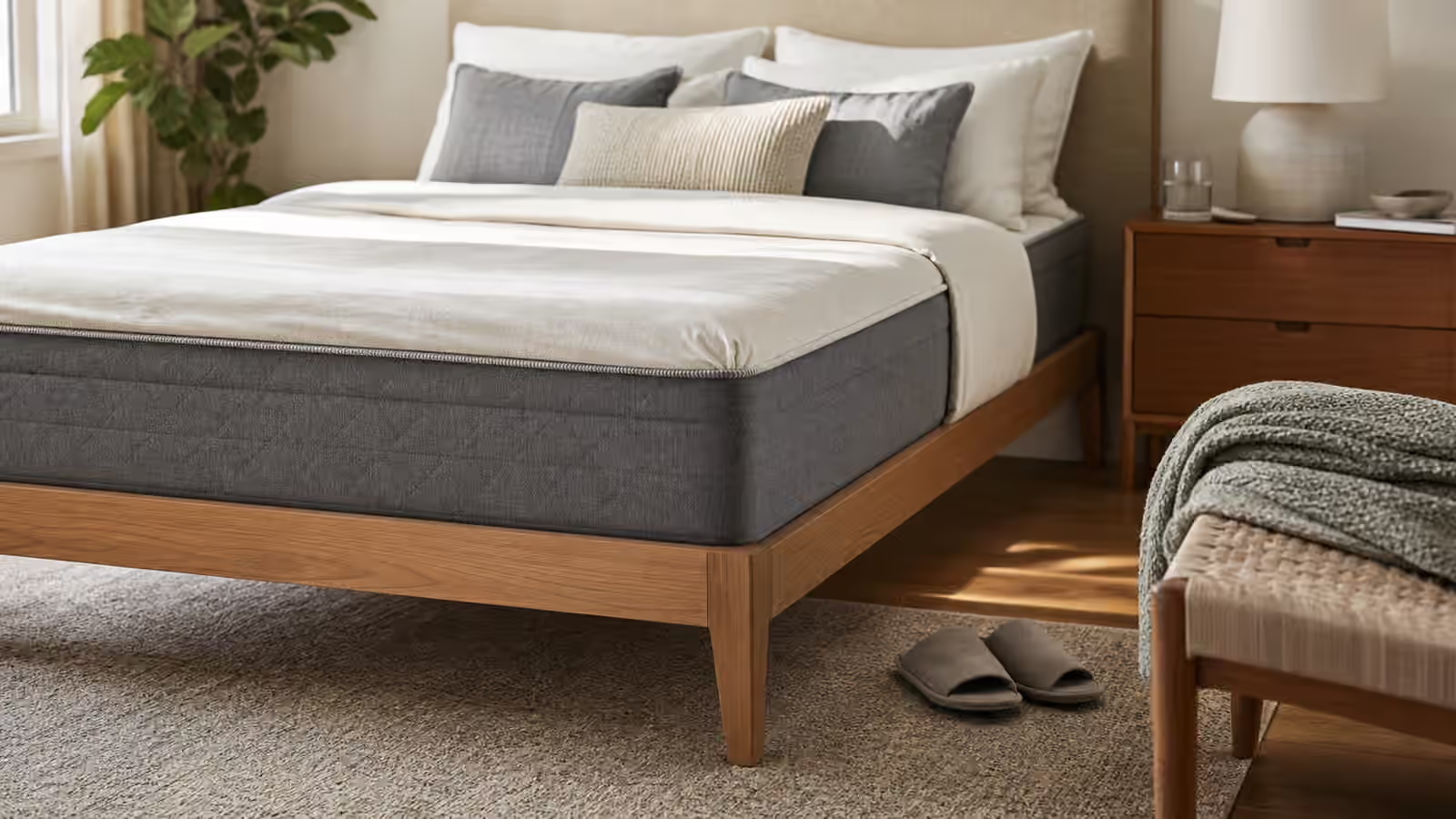
The same mattress edge feels different on a low platform, a tall storage bed, a box spring, or an adjustable base. When the bed is too high for the person using it, sitting on the edge can create a dangling-leg feeling that makes the mattress seem unstable. When the bed is very low, standing up may require more forward motion, and a soft edge can exaggerate the effort. A thick mattress on a tall frame can quietly turn a reasonable purchase into an awkward daily movement.
Measure the finished height after the mattress, topper, protector, and bedding are in place. A topper can add enough height to change how the edge works. A fluffy duvet can hide the edge visually, making the step out of bed less clear in the dark. A bed skirt can conceal frame feet and storage bins, which may matter when your toes need a predictable landing zone. Bed Height and Nightstand Reach covers the reach and furniture side, but edge support is where that height becomes physical.
Nightstand height matters too. If you lean sideways to grab glasses, water, or a phone, the mattress edge carries that weight. A stable nightstand within easy reach can make the edge feel less stressed. A too-low or too-distant nightstand invites twisting, leaning, and repeated pressure on the same corner of the bed.
The Frame Can Make A Good Edge Feel Bad
Before blaming the mattress, look underneath. A weak frame, missing center support, loose slats, bowed rails, or an uneven floor can make the edges feel unreliable. The problem may be worse on one side, which is a clue that support below the mattress is uneven. A mattress on a frame with poor side rails may feel fine in the showroom and disappointing at home because the home support is doing less work.
Bed Frames and Foundations should be read before returning a mattress for edge complaints. Check whether slats run evenly under the outer zones. Confirm that center legs touch the floor. Tighten hardware. Look for a frame foot that rocks on a rug edge. If under-bed drawers or storage bins push against slats, they may be adding noise or uneven pressure. Edge support is a partnership between mattress construction and the surface below it.
There is also a bedding effect. Tight fitted sheets, thick protectors, and mattress encasements can pull at the corners. If the fabric is straining, the edge may feel puckered, rounded, or harder to read. During a mattress trial, test the edge with the bedding you intend to use, but also test briefly without the most suspicious layer. Mattress Trial Notes and Break-In is useful here because it keeps the observation from turning into a quick verdict.
Sitting Is Different From Sleeping
Some mattresses are excellent for sleeping and mediocre for sitting. That is not automatically a failure. Foam surfaces, pillow tops, and softer hybrids may compress under concentrated sitting pressure more than they do under a lying body. The question is whether the room expects the bed edge to act like a chair. In a small bedroom without a bench, the mattress may be the only place to put on socks, fold laundry, sort pillows, and pack a bag. In a larger room, a chair or bench can take that work away from the mattress.
This is a setup choice. If you love the mattress for sleep but dislike sitting on the side, add a small landing seat if the floor plan allows it. The bench does not need to become decorative clutter. It needs to hold a person briefly, leave the walkway clear, and avoid becoming the permanent laundry chair. Bedroom Rugs and Floor Paths is the companion guide because a bench that steals the night path creates a different problem.
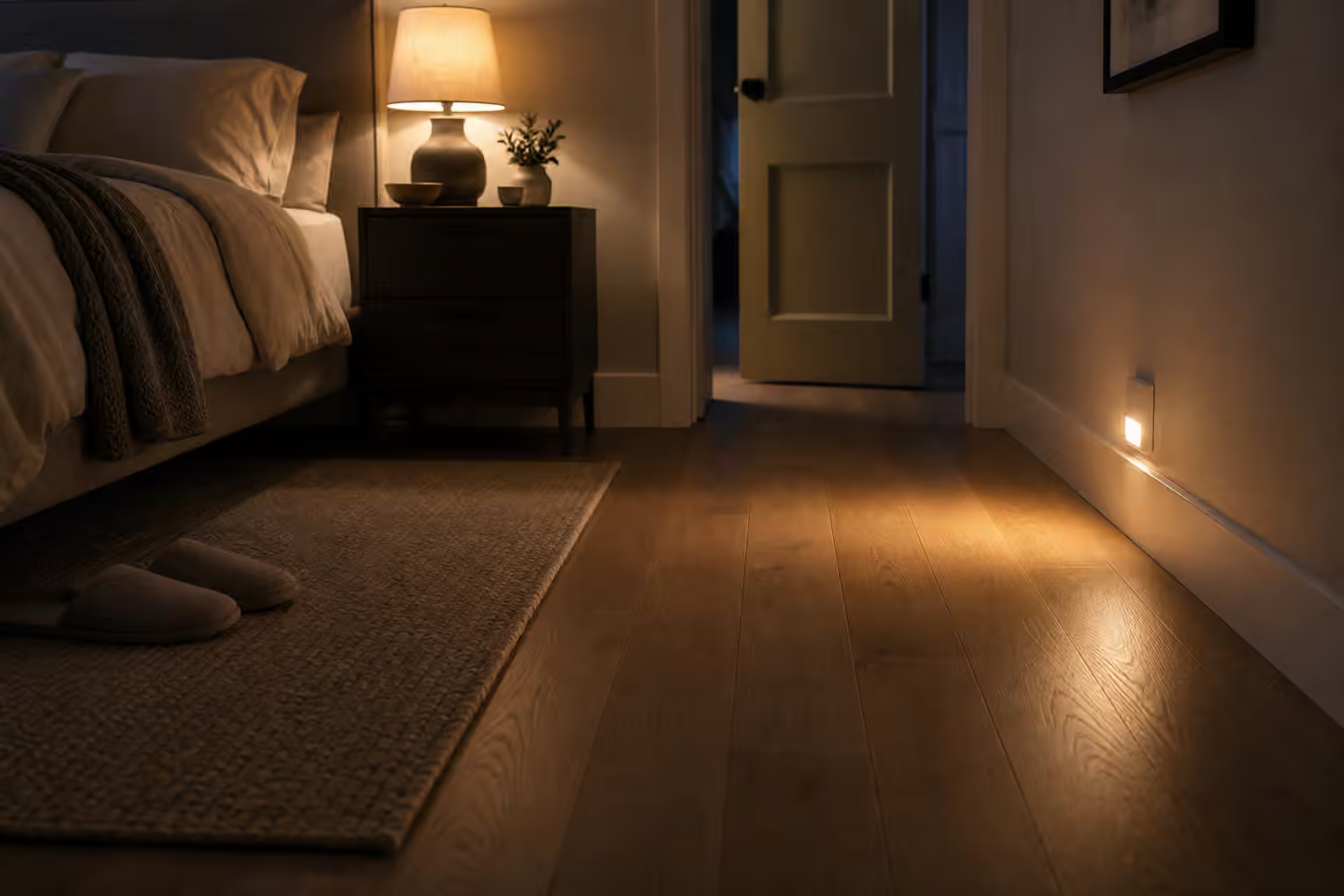
If there is no room for a bench, improve the edge routine. Keep slippers where feet naturally land. Move the hamper out of the standing zone. Avoid storing heavy objects where knees need to move. Make sure the rug does not curl at the exact point where you stand. A mattress edge feels more secure when the room around it is predictable.
Shared Beds Need Edge Honesty
Couples often talk about firmness, motion, heat, and blanket stealing before they talk about edge support. Yet edge behavior affects all of those topics. A weak edge can make two sleepers drift toward the center. One person may avoid the outer zone, leaving less room for the other. A bed that is technically large enough may feel crowded because the usable surface has shrunk.
The edge also matters for staggered schedules. If one person gets in later, the other may feel a dip or roll near the side. If one person sits on the bed edge in the morning, the motion may travel through a lighter frame. Couples Mattress Decisions gives language for these tradeoffs, but the practical test is simple: each person should try the edge on their own side, in their own routine, before deciding whether the mattress is working.
Split bedding can reduce edge strain indirectly. If a shared blanket pulls one sleeper toward the middle or drags over the side, separate top layers may let each person use their side more naturally. Split Bedding and Blankets is not only about warmth. It is also about giving each side of the bed cleaner movement.
Read The Edge Before Buying More Bed
When the edge feels wrong, the tempting answer is a larger mattress. Sometimes that is right. A larger bed can give sleepers more center space and reduce reliance on the outer zone. But a larger mattress also needs more floor clearance, better frame support, different sheets, and a room that can handle the walking path. Mattress Size and Room Fit should come before the purchase.
Other times, the answer is smaller and more specific. Fix the frame. Remove a too-thick topper. Change the finished height. Add a bench. Move the nightstand. Replace a slippery rug pad. Re-route a cable that makes the exit path tense. The edge is often the place where many small setup choices meet.
A good edge does not have to feel rigid. It has to feel trustworthy for the way the bed is actually used. When sitting, lying near the side, changing sheets, reaching the nightstand, and stepping out all feel uneventful, the mattress becomes easier to live with. That quiet reliability is the point.