Mattress Care and Protectors: Keep the Bed Easier to Maintain
How to choose mattress protectors, topper covers, rotation habits, frame checks, and basic mattress care.
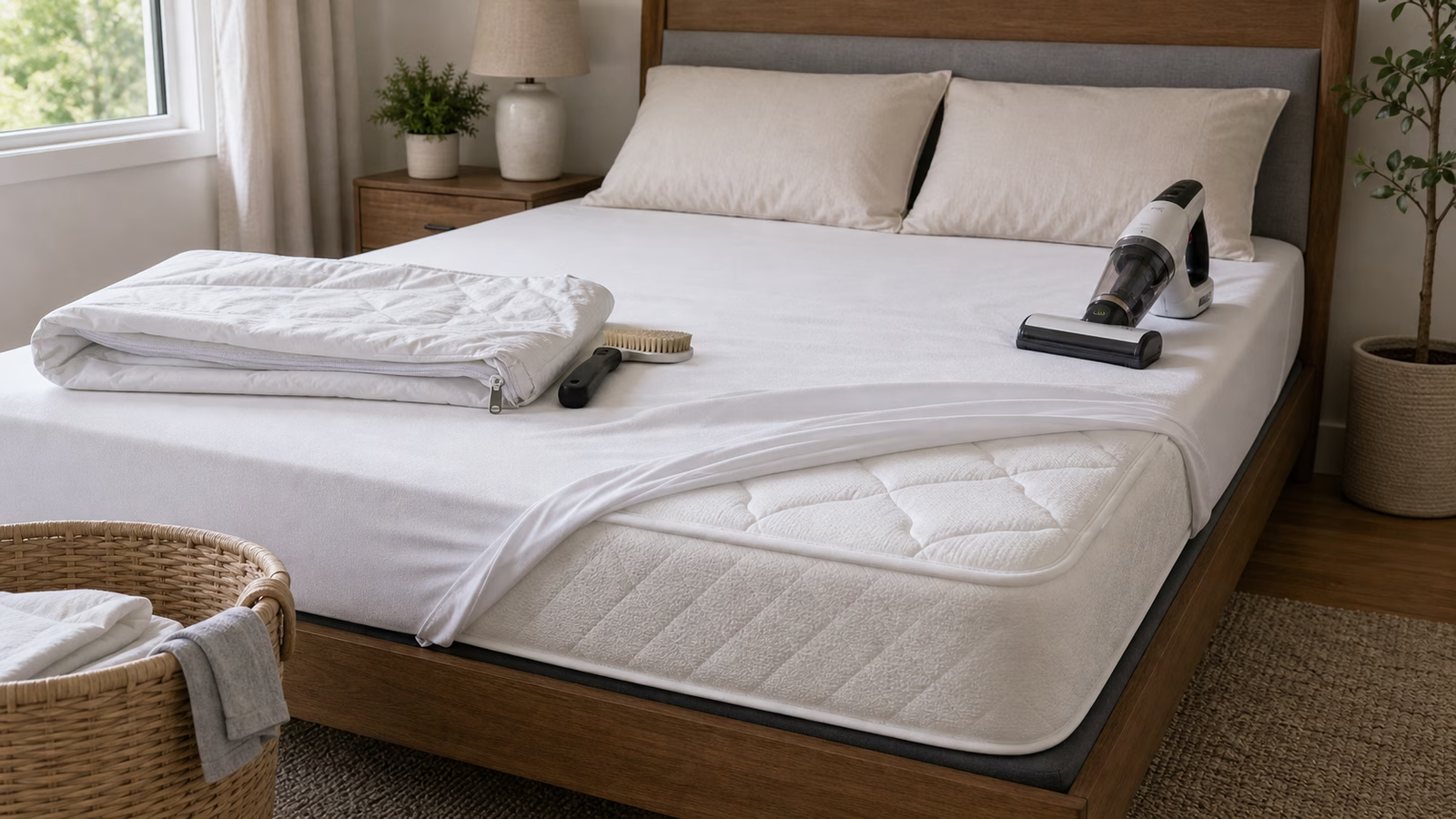
A mattress protector is not exciting, but it can protect the most expensive item in the room and make cleaning less stressful. For background, see CPSC — Mattresses: Business Guidance .
Choose one that fits your mattress height and comfort needs.
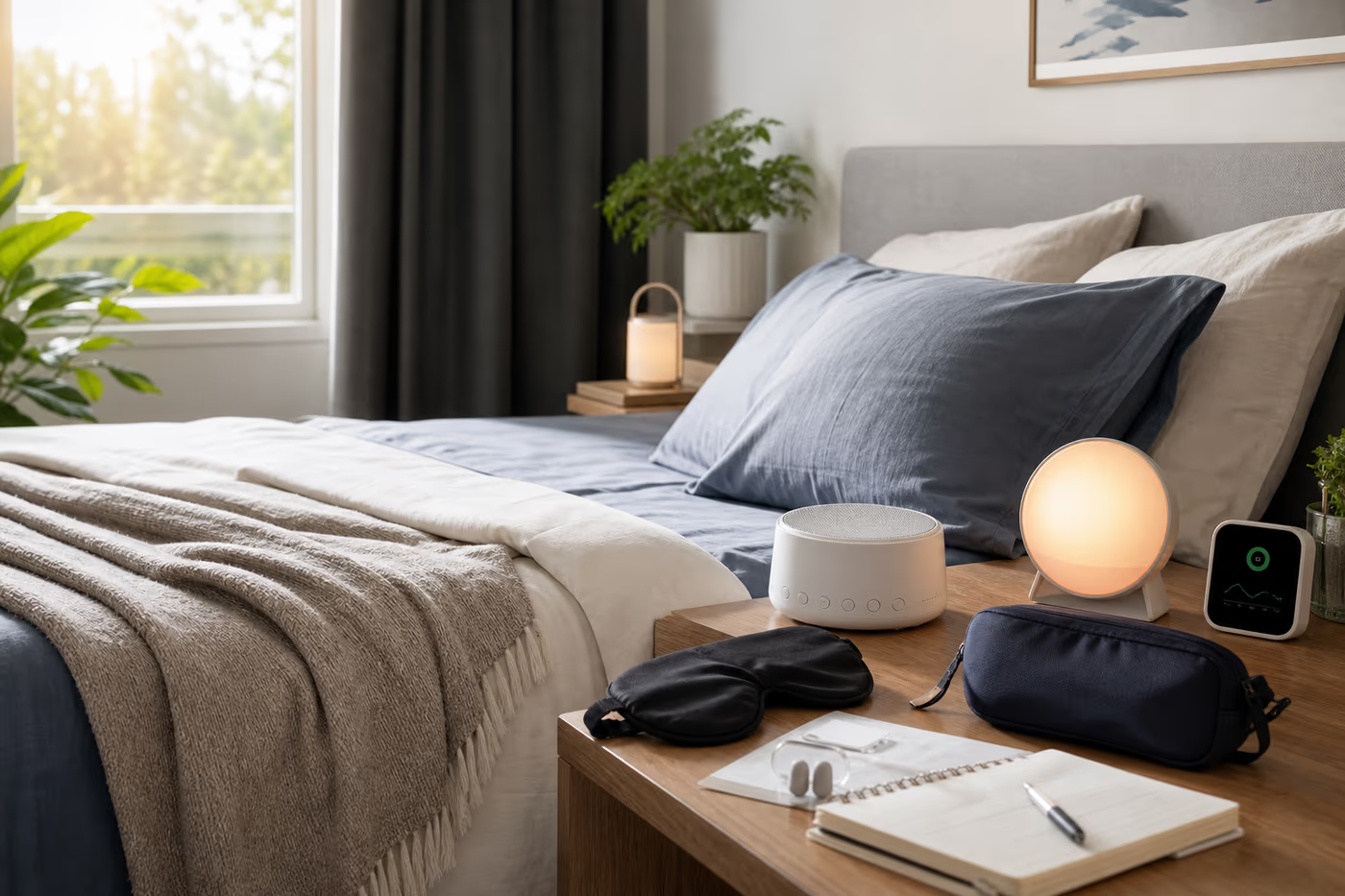
Protector types
A five-sided fitted protector is the everyday choice for spill and surface protection, though the sides may still be exposed. A full encasement gives more complete coverage during moves, storage, or higher-risk homes, but it is harder to install and remove. A quilted pad adds a little cushion and washability while changing the feel. A cooling or breathable protector can help when a plasticky protector traps heat, usually at higher cost. A waterproof layer is useful for spills, kids, pets, or rentals, but it must be quiet and breathable enough for the bed.
What to maintain
Protector fit and breathability matter every night. Sheet pocket depth has to account for the protector and any topper. Frame bolts, slat support, under-bed dust, airflow, stains, spills, and the mattress maker’s rotation guidance all belong to care, not just comfort.
Care schedule
Use the mattress maker’s care instructions first, but keep a simple room checklist too.
Check frame bolts and center support every few months. Look for broken slats, bent legs, or squeaks. Vacuum under the bed before dust builds into storage zones. Wash the protector according to its label. Rotate only if the mattress maker recommends it. Keep liquids, uncovered mugs, and messy snacks off the bed if returns or warranties matter.
When choosing a protector, ask whether it fits the mattress depth, stays quiet when you move, changes heat or feel, washes and dries at home, and stays tight under the fitted sheet. The right style depends on whether you need an encasement, five-sided protection, or only top protection.
Trial and return details
Read return rules before the mattress arrives. Some trials require the bed to be clean, unstained, and supported correctly. A protector, a proper foundation, and basic documentation can prevent a boring logistics problem from becoming expensive.
Keep the order confirmation, model name, foundation requirements, and pickup instructions in one note. If the mattress fails, you should be deciding based on comfort, not searching for policies.
When to choose more protection
Most adults do fine with a quiet five-sided protector, but some beds need more coverage. A guest room, rental, storage move, bed used by kids or pets, or mattress in a damp-prone room may justify an encasement or a second washable layer. More protection is not automatically better, though. Thick or plasticky layers can change heat, sound, and feel. The right protector is the one you will actually keep on the bed after the first week.
Shopping shortcut
For a new or still-good mattress, compare breathable waterproof protectors first. If you need more complete coverage for storage, moving, or higher-risk homes, compare zippered mattress encasements.
Good default
Buy the protector with the mattress, not after the first spill. Then test sheets over the full stack: mattress, protector, topper if any, and fitted sheet.
Next step
Treat mattress care as part of the bed, not an accessory afterthought. The protector, frame, and cleaning routine decide how easy the mattress is to keep.
Example: record a protector’s effect
After fitting a protector, note its model and whether the feel, fitted-sheet grip, or warmth changed. Keep the mattress and bedding otherwise consistent for a useful comparison. Check the care label before washing: high heat or an unsuitable program can damage some protective layers. Confirm the mattress manufacturer’s care requirements rather than assuming every bed can be flipped, steamed, or washed. If a spill reaches the mattress, follow its instructions and arrange appropriate advice where needed. A protector supports maintenance; it does not make the underlying mattress waterproof or repair damage.
Sources & further reading
- CPSC — Mattresses: Business Guidance — Mattress product-safety requirements, not comparative comfort or treatment evidence.
- CDC/NIOSH — Tips to Improve Your Sleep When Times Are Tough — Sleep-environment background; not evidence that a particular mattress or accessory treats a condition.