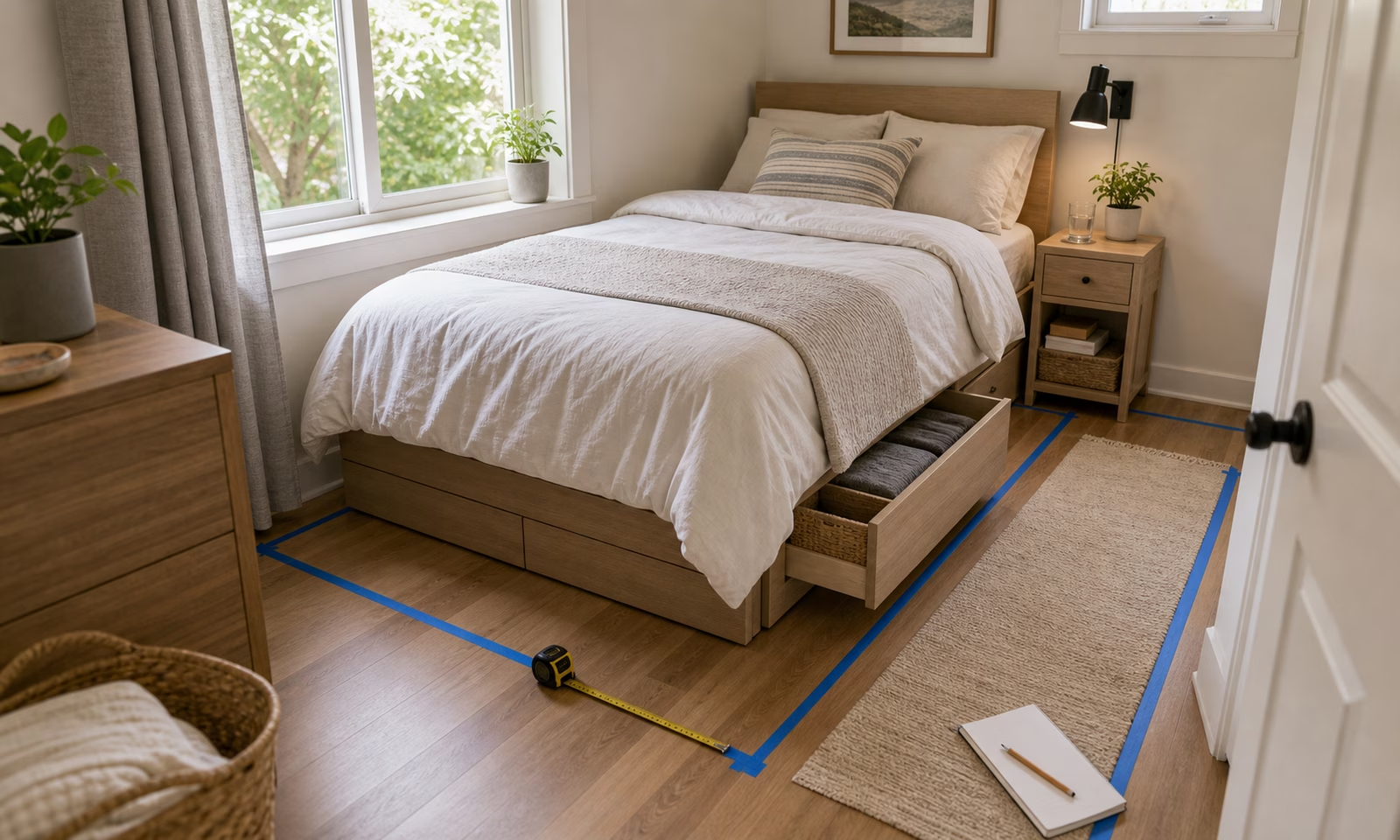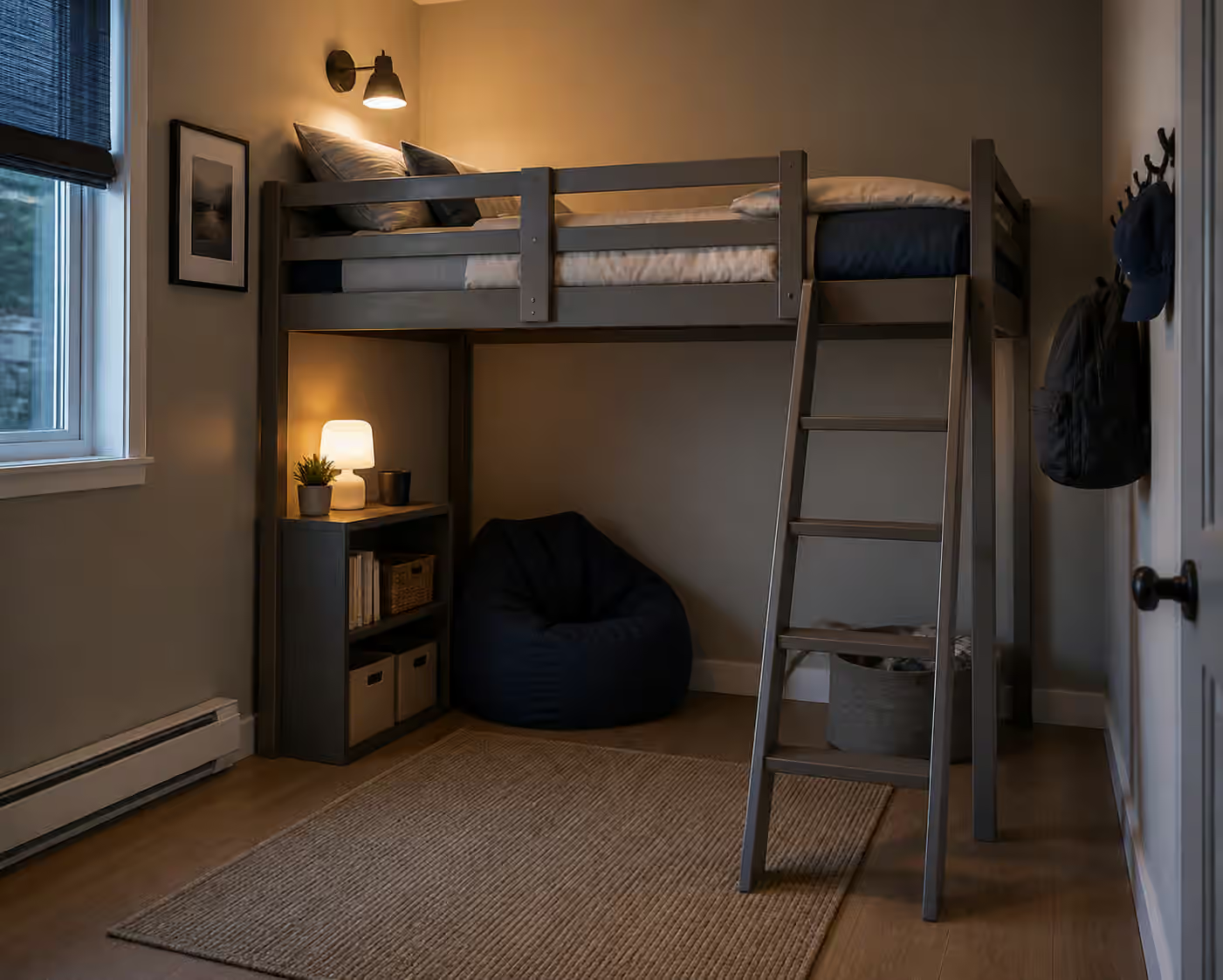
Loft beds and bunk beds solve one problem by creating several smaller ones. They free floor space, make shared rooms possible, and let a small bedroom hold more than a mattress. They also change how a person climbs into bed, changes sheets, reaches water, handles light, manages heat, and gets down in the dark. A setup that looks efficient in the daytime can become annoying at midnight. For background, see CDC/NIOSH — Tips to Improve Your Sleep When Times Are Tough .
This guide is about practical room setup. Follow the bed manufacturer’s instructions for assembly, guardrails, mattress thickness, weight limits, anchoring, ladder use, and age guidance. If a loft or bunk frame wobbles, lacks required parts, sits too close to a ceiling fan, or does not match the sleeper, solve that before treating the issue as a comfort project.
Clearance is the first comfort feature
A loft bed or top bunk is not comfortable if the sleeper cannot sit, turn, read, or climb without feeling trapped. Ceiling clearance matters more than the floor plan suggests. Measure from the mattress surface, not only from the frame. A thick mattress can reduce guardrail height and headroom at the same time, so use the mattress size and thickness the bed is designed to accept.
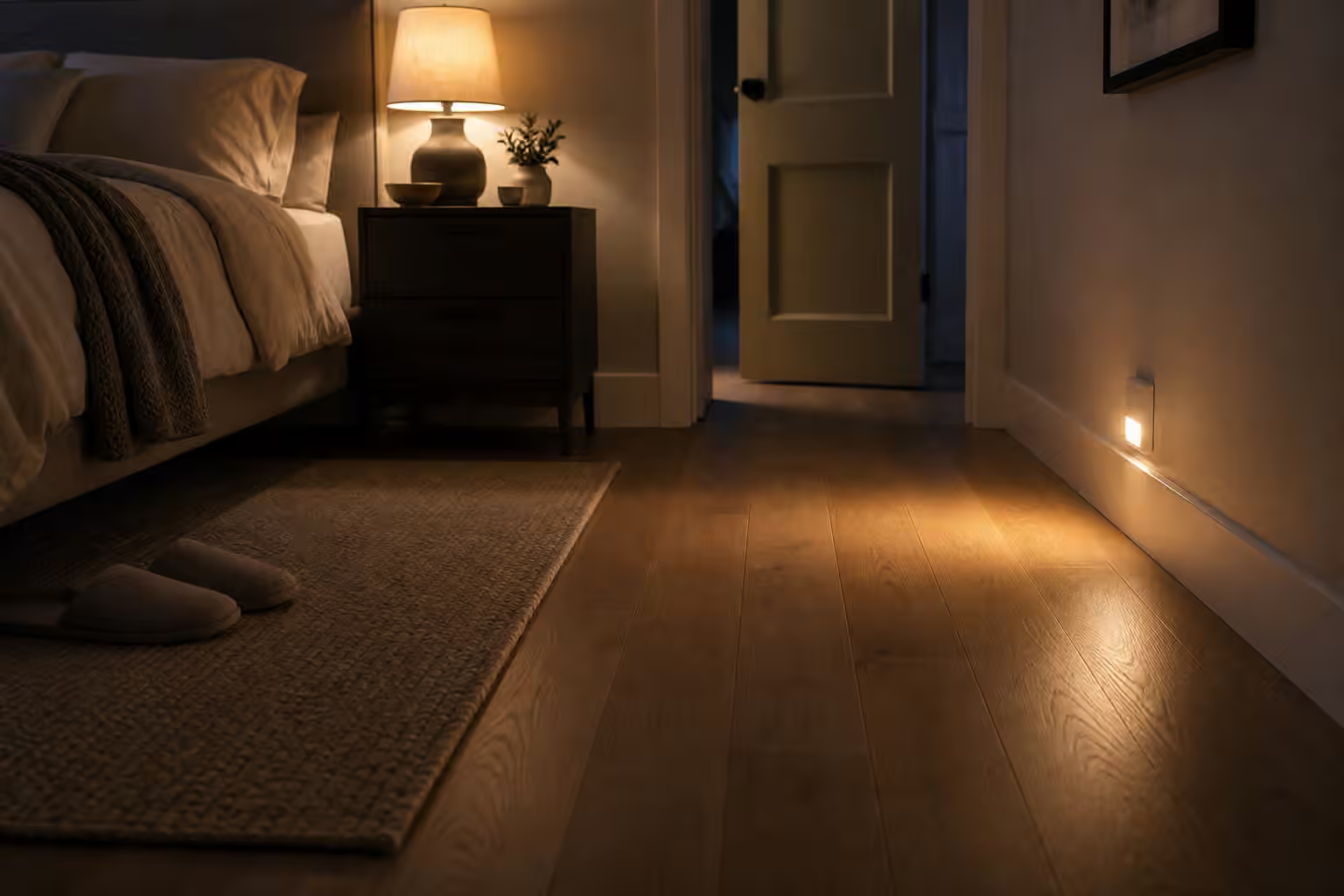
Clearance also applies around the ladder. The ladder should not land on a rug that slips, a storage bin, a chair, a backpack, or the swing of a door. The first step out of bed should be predictable. This connects directly to Nighttime Path Lighting and Floor Clearance , because the elevated bed makes the first half-awake movement more complicated.
Small rooms tempt people to use every inch under and around the bed. Resist filling the ladder zone. Empty floor there is not wasted. It is part of the bed.
Bedding needs to be easy to handle
Changing sheets on a loft bed can be irritating enough that the task gets delayed. The bedding setup should account for that. A very heavy comforter, oversized duvet, slippery top blanket, or fitted sheet that barely reaches the corners may be tolerable on a low bed and miserable on a top bunk.
Choose bedding that can be managed from the ladder or room side without a wrestling match. A fitted sheet with reliable depth and elastic helps. A lighter duvet or comforter may be easier than a stack of loose blankets. A washable blanket that stays aligned can be better than a decorative layer that falls down every morning. Sheet Fit, Pocket Depth, and Bed-Making Friction is especially relevant because poor sheet fit becomes more annoying when the mattress is hard to reach.
For children, guests, or anyone who struggles to make the bed, simplify the layers. The bed should be clean and comfortable, not styled in a way that makes maintenance fail. A loft bed with bedding that gets washed on schedule beats a prettier setup that nobody wants to remake.
Light should be reachable without climbing around
An elevated bed needs a light plan. A ceiling light may be too bright. A floor lamp may be unreachable after climbing up. A clip light can work if it attaches securely and the cord is routed safely. A wall light can be excellent if the switch is reachable from the sleeping position and the beam does not hit the lower bunk or a roommate.
The light should support reading, settling, and getting down. It should not glare into the sleeper’s eyes or leave the ladder in darkness. If the room is shared, aim and brightness matter. One person’s reading light should not turn the lower bunk into a spotlight.
Bedside Reading Light Setup gives the general lamp logic. With bunks and lofts, add one more rule: the sleeper should be able to turn the light off from the actual sleep position without leaning over an edge or stepping onto the ladder.
Airflow changes with height
Air can feel different near the ceiling. A top bunk may run warmer than the lower part of the room, especially in a small bedroom with poor circulation. A loft bed near a window may catch a draft. A bunk tucked into a corner may feel stale if curtains, furniture, or the frame block air movement.
Do not aim a strong fan directly at the top bunk without testing how it feels after an hour. A small fan clipped or placed badly can create noise, vibration, or a dry blast. A room fan that moves air across the whole space may work better. Keep cords away from ladders and bedding, and use only equipment in ways the manufacturer allows.
Bedroom Fan Placement and Bedroom Temperature and Airflow are useful companions. The elevated bed is part of the room’s air pattern, not separate from it.
The lower zone needs a job
The space under a loft bed often becomes a desk, reading chair, dresser, storage zone, or pile of things waiting for a decision. It should have one primary job. If the lower zone tries to be storage, office, guest seat, laundry station, and hobby corner, it will make the sleep zone feel crowded from below.
For a sleep-focused room, keep the area under the bed visually calm. Closed bins, a small desk, or a single chair can work. Open shelves full of dusty objects can make the bed feel busy and add cleaning work. If under-bed storage is the point, read Under-Bed Storage Without Losing Airflow or Dust Control and apply the same restraint. Air and cleaning access still matter when the bed is high.
The lower zone also affects sound. A desk chair banging the frame, bins scraping the floor, or a backpack hanging from the ladder can make the bed feel less steady. Keep hard objects from becoming nightly noise sources.
Shared rooms need quiet rules
Bunk beds often live in shared rooms, where one person’s movement affects another person’s sleep. The top sleeper climbing down, the lower sleeper turning on a light, a drawer opening under the frame, or a phone charger glowing near the ladder can become small conflicts.
Set up the room so courtesy is easier than memory. Each sleeper needs a reachable light or agreed light path. Each person needs a place for glasses, water, book, or charger that does not require stepping into the other’s space. If schedules differ, Shared Bedroom Light and Schedule can help with the broader routine.
Do not store noisy items on the ladder or frame. Do not let the ladder become a coat rack. Do not make the lower sleeper responsible for passing up every forgotten object. The room works better when each sleep zone is self-sufficient.
Keep the bed boring to use
The best loft or bunk setup is not the most clever one. It is the one that can be used when tired. Climbing is clear. The sheet stays on. The light is reachable. Air moves without blasting. The lower area has one job. The floor path is open. Cleaning can happen without dismantling the room.
That may mean choosing a simpler bed frame, a thinner allowed mattress, fewer decorative pillows, a calmer storage plan, or a smaller desk. It may mean giving up a little floor storage so the ladder stays safe and obvious. Small Bedroom Layout makes the same argument from the room side: empty space is sometimes the feature that makes everything else work.
A loft bed or bunk bed should make the room easier to live in, not just easier to photograph. When the elevated bed becomes ordinary to use, the space it frees up can actually serve the room.