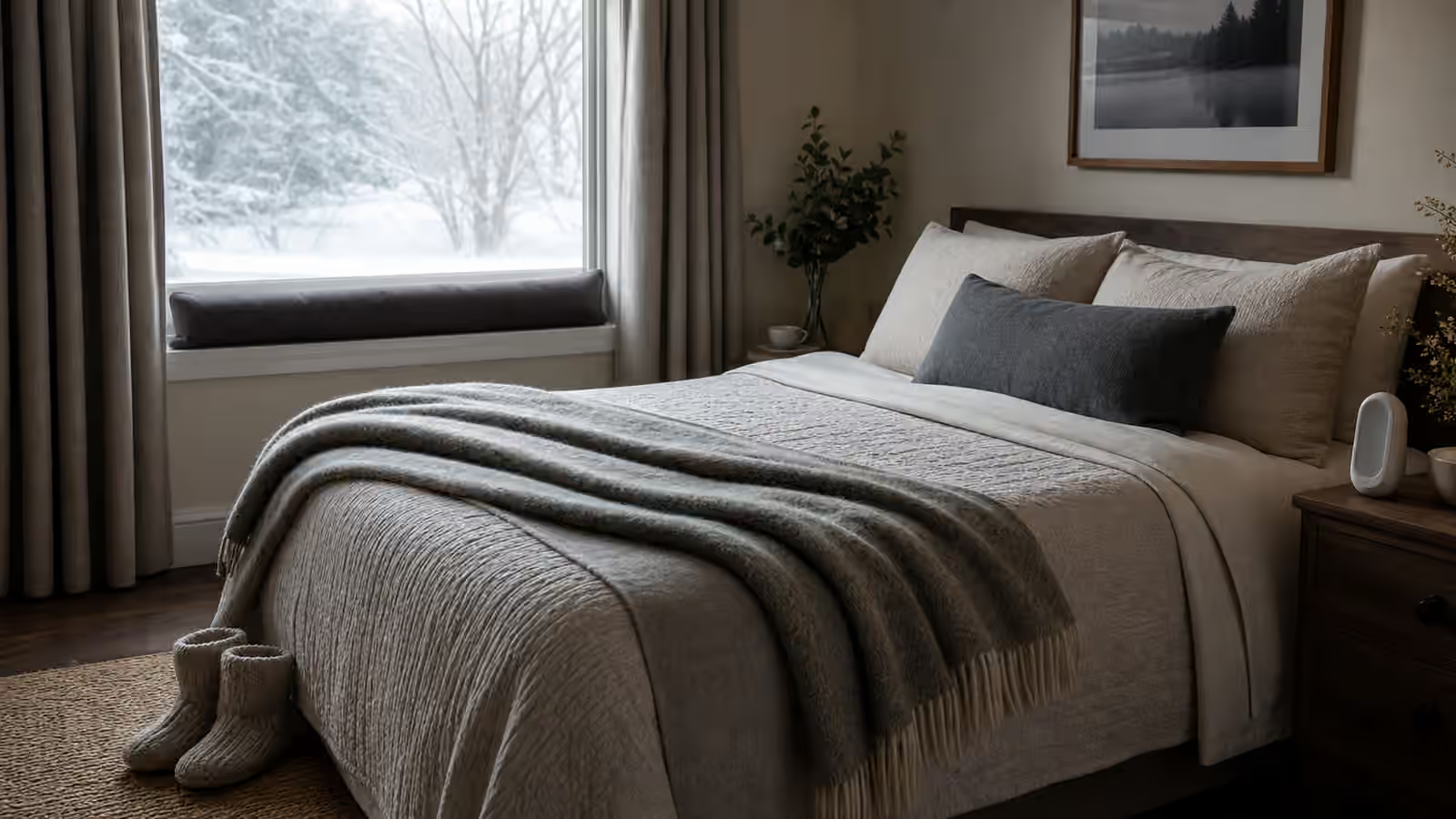
Heated bedding is one of the few sleep products that can change a cold bed before the room itself changes. That is useful when the bedroom is chilly, the sheets feel sharp, or one side of a shared bed wants warmth without making the whole room warmer. It can also become annoying if the cords are awkward, the controls glow, the heat is trapped under the wrong layers, or the blanket is treated like ordinary bedding when it needs more care. For background, see FTC — Guide to Textile Care Symbols .
This guide stays in the practical lane. Heated mattress pads, electric blankets, heated throws, and warming layers vary by model, age, condition, and manufacturer instructions. Follow the instructions for the exact item you own, especially around placement, washing, folding, pets, children, storage, and what may or may not be layered above it. If warmth needs are tied to health symptoms, circulation concerns, pain, medication, or safety, treat that as professional advice territory. For ordinary cold-room setup, heated bedding works best when it is planned as part of the bed system rather than tossed on top at the last minute.
Warm The Bed, Not The Whole Room
The biggest advantage of heated bedding is focus. Instead of warming the entire bedroom, it warms the surface you enter. That can matter in drafty rooms, older buildings, guest rooms, basements, and homes where two sleepers disagree about temperature. A heated mattress pad usually warms from below and can make the bed feel ready before you get in. An electric blanket or heated throw warms from above and may be easier to remove, share, or use briefly while reading.
The choice depends on the problem. If the mattress feels cold at first contact, a pad may be more direct. If shoulders and upper body feel cold while the room is otherwise comfortable, a heated throw may be enough. If one person wants warmth and the other does not, a dual-control pad or separate heated throw can be less disruptive than raising the thermostat. Cold Bedroom Warmth Without Overheating is the broader companion because heat can come from socks, layers, curtains, drafts, and humidity too.
Heated bedding should not be asked to solve every cold-room problem. If the window leaks air, the floor is icy, or the bedding is damp from poor drying, fix those first. Window Drafts and Condensation helps when the cold is arriving through the room rather than the bed.
Place The Warm Layer Where It Can Work
Layering decides whether heated bedding feels gentle or trapped. A heated mattress pad usually belongs on the mattress according to its instructions, with a fitted sheet above it and without extra padding that blocks or concentrates heat unless the maker allows it. A heated blanket should usually lie flat and should not be folded tightly while heating. A heated throw may be more flexible for pre-warming a reading spot, but it still needs room to breathe and a cord path that does not fight the sleeper.
Avoid treating the heated layer like a random blanket in the stack. Heavy comforters, dense protectors, thick toppers, and tight tucking can change how warmth feels. If the bed becomes too warm by morning, the answer may be a lower setting, shorter preheat, lighter top layer, or moving the heated item to only the part of the routine that needs it. Sleepwear and Bedding Layers is useful because pajamas and blankets work together. Warm socks and a breathable quilt may reduce the need for aggressive heat.
A shared bed needs a clearer plan. One person’s heated throw crossing the middle can become the other person’s heat problem. Split blankets, separate controls, or a heated layer on only one side may keep the peace. Split Bedding and Blankets covers the social side of that decision. Heated bedding makes the same point in electrical form: comfort should be adjustable without making one person manage the other person’s preferences all night.
Give Cords A Real Route
The cord is part of the setup, not an afterthought. A controller dangling off the edge, a cord crossing the walking path, or a plug hidden under bedding can make a useful item feel messy or stressful. Route cords along the side of the bed where the controller will be used. Keep them away from places where feet land, drawers open, wheels roll, pets chew, or bedding is tucked hard. If an extension cord or power strip is involved, follow product guidance and use common electrical caution rather than improvising.
The controller should be reachable but not dominant. Bright displays can bother a dark room. Raised buttons can be easy to find by touch. A control that lands behind pillows will be forgotten until it pulls. A control that lives on the floor will collect dust and may be stepped on. Nightstand Charging and Cables is a good next stop because the same habits that tame phone chargers also tame heated bedding: short paths, visible connections, and fewer loose loops near the pillow.
Bed height can change the cord route. On a high bed, a controller may hang too far below the mattress unless clipped or placed on the nightstand. On a low platform, cords may run close to the floor path. On an adjustable base, moving parts and flexing positions need extra attention, and compatibility matters. Adjustable Bed Base Setup should be checked before assuming any heated layer belongs on a moving bed.
Use Heat As A Timed Tool
Many people need warmth most at the beginning of the night. Pre-warming the bed can make the first few minutes calmer without requiring high heat for hours. Others wake cold toward morning because the room drops in temperature or bedding shifts. The useful pattern depends on the room, not on the highest setting.
Start modestly. Choose a low setting and notice when warmth is actually needed. If the bed feels good at bedtime and too warm later, shorten the heat window or reduce the top layers. If the feet are cold but the torso overheats, the bedding stack may be unbalanced. If one sleeper is comfortable and the other is not, split the heat rather than negotiating one setting for the whole bed.
Humidity and airflow can change the result. A damp cold room may feel unpleasant even with added heat because fabrics hold moisture. A dry cold room may feel scratchy, making warmth alone less satisfying. Bedroom Humidity and Dry-Air Comfort helps separate those sensations so the heated blanket does not get blamed for a room problem.
Cleaning And Storage Are Part Of Ownership
Heated bedding is a maintenance object. It should be inspected, cleaned, dried, and stored according to the instructions, not shoved into a closet like a spare throw. Look for worn fabric, damaged cords, loose controls, sharp bends, or anything that has changed since last season. If an item looks damaged or behaves oddly, stop using it until the issue is understood. That is not an alarmist rule; it is basic respect for a product with wiring inside.
Washing instructions vary. Some items allow machine washing after removing controls. Others require more careful handling. Drying may matter as much as washing because damp bedding stored too soon can smell stale and make the next cold season worse. Bedding Wash and Rotation covers the ordinary laundry rhythm, but heated bedding needs its own patience.
Storage should avoid hard creases and crushing. A breathable bag, clear shelf, or dedicated bin is better than a heavy pile pressing the same fold all summer. Keep the controller with the item so setup is not a search project later. Seasonal Sleep Setup Refresh is the moment to inspect it before the room is cold enough that you rush.
Know When A Simpler Layer Is Better
Heated bedding is not always the cleanest answer. A warmer sheet texture, wool blanket, lighter but more insulating duvet, draft fix, rug beside the bed, or better sleepwear may solve the cold without cords. If the problem is only the first minute of getting into bed, a brief pre-warm can be elegant. If the whole night requires strong heat, the room setup deserves another look.
The goal is a bed that feels warm enough without becoming complicated. The controller should have a home. The cord should be boring. The layer should sit where it is meant to sit. The heat should answer a specific cold moment, not become a substitute for understanding drafts, airflow, bedding, and room moisture. When heated bedding is treated that way, it can be a quiet tool instead of another thing to manage in the dark.