A floor mattress can look simple in a photo and become complicated in daily life. It lowers the bed, opens wall space, and can make a small room feel less crowded. It can also trap moisture, make bedding harder to air out, turn the floor path into a shuffle, and make every nightstand decision stranger than expected. The question is not whether a low bed is sophisticated or minimalist. The question is whether the room can support it without asking the sleeper to fight the setup every morning. For background, see CPSC — Mattresses: Business Guidance .
This guide is about ordinary room planning. It does not replace manufacturer instructions for a mattress, futon, platform, or foundation. Some mattresses require specific support, and those requirements matter more than the look of the room. If the mattress maker calls for a foundation, a floor arrangement may shorten the mattress’s useful life or create a return problem. Start there, then design the room around the support that is actually allowed.
Start with the support layer
The floor is flat, but flat support is not the same as good support. A mattress sitting directly on a hard surface has very little air movement underneath. That can matter in humid rooms, basement rooms, warm climates, poorly ventilated bedrooms, and any setup where bedding stays tightly made all day. A simple low platform, breathable slat base, tatami-style mat, or roll-up foundation can keep the look low while giving the mattress a path to dry.
Bed Frames and Foundations is the deeper companion because low beds still need the same basic honesty as tall beds: the surface should not sag, the middle should not collapse, and the mattress should not bridge across wide gaps. A low platform that looks calm but flexes under the hips is not a better sleep setup. It is only a quieter-looking problem.
Airflow under the bed should be visible in the plan, not assumed. If the room already feels damp or the bed sits on a cold floor, direct floor contact deserves extra caution. If the room is dry and well ventilated, the same mattress may behave differently. The setup is local. The same low bed that works in a sunny apartment can feel stale in a shaded ground-floor room.
Moisture is the hidden test
A bed gathers warmth and moisture overnight. On a raised frame, some of that moisture can move through fabric and away from the mattress. On the floor, the bottom side has fewer ways to breathe. The result may not be dramatic at first. The room may simply smell less fresh, the sheets may feel cooler or flatter, or the mattress may seem harder to air out after a warm night.
Bedroom Humidity and Dry-Air Comfort is worth reading before committing to a floor setup. A small humidity monitor can reveal whether the room is mostly dry, seasonally damp, or consistently heavy. That single number will not design the bed for you, but it keeps the conversation honest. A low bed in a room with persistent condensation, musty odor, or slow-drying laundry needs more than a pretty foundation.
The daily habit matters as much as the base. Pull the top bedding back in the morning if the bed tends to feel warm or damp. Let pillows and the top layer breathe before making the bed tightly. If using a futon that is designed to fold or air, follow that rhythm instead of treating it like a permanent slab. If the mattress is meant to be rotated or lifted periodically, choose a setup where that can happen without moving half the room.
Keep the night path boring
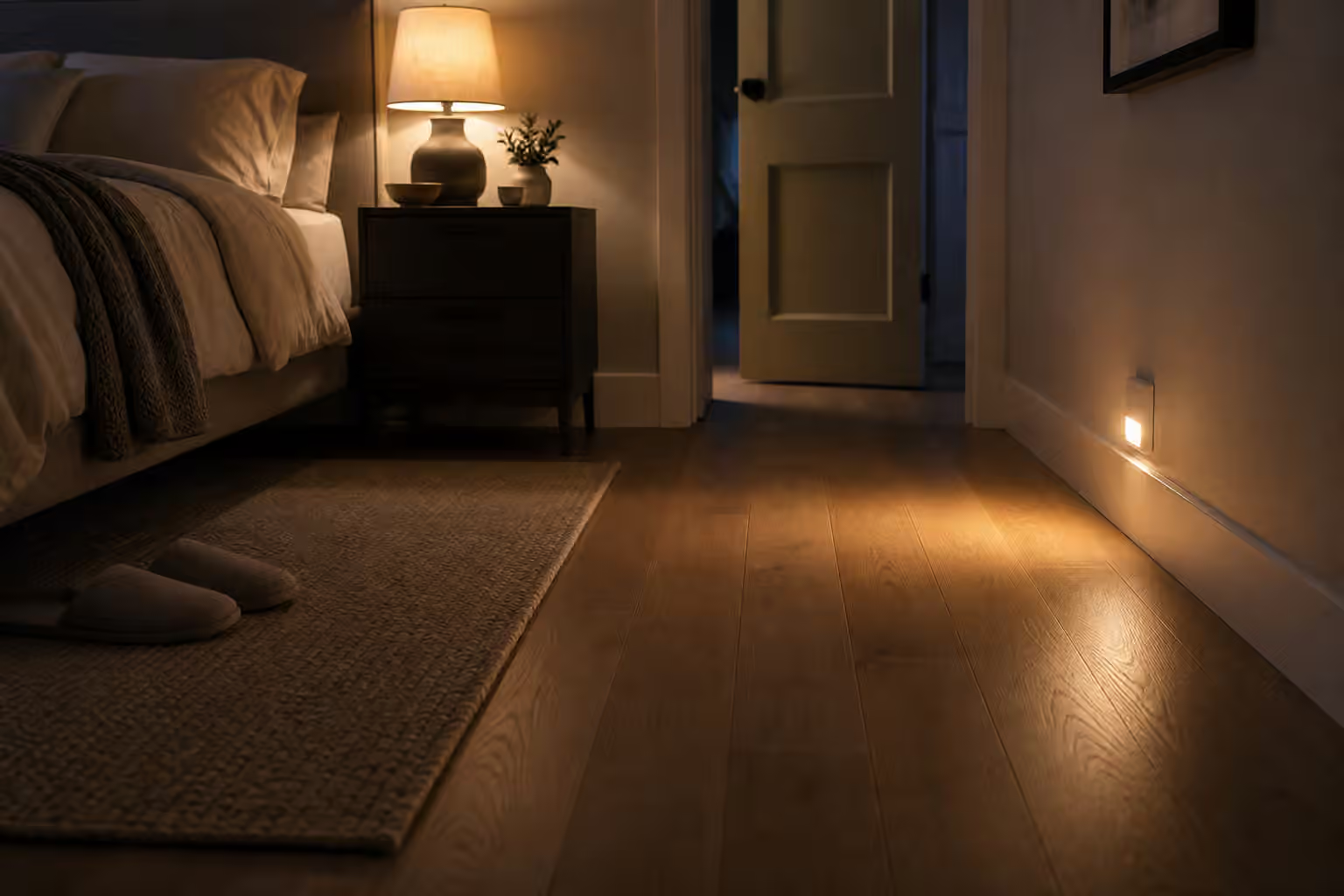
Low beds change how a bedroom works in the dark. The mattress edge may sit below the usual line of sight. A thick rug, loose throw, charging cable, pet bed, or under-bed bin can become more noticeable when the sleeper is stepping down instead of across. The room may feel larger by day and less legible at 3 a.m.
Bedroom Rugs and Floor Paths gives the practical test: feet should know where to land. With a low bed, the landing area should be flat, stable, and free of objects that migrate. A rug can soften the room, but it should not curl at the corner where the sleeper stands. A floor cushion may look inviting, but it should not live where knees or toes find it first.
Nightstands need a fresh look too. A standard nightstand may be too tall for a floor mattress, which makes water, glasses, lamps, books, and phones feel perched above the sleeper. A low tray, short table, wall shelf, or narrow stool may work better. The goal is reach without clutter. Bed Height and Nightstand Reach covers the broader method, and low beds make that method less optional because every height mismatch is obvious.
Bedding has to reset cleanly
A floor bed often fails through bedding friction. Blankets drag on the floor. Duvets collect dust at the edge. Fitted sheets pull loose because the sleeper changes the bed from a different angle. Pillows migrate into the walking path. The room may look relaxed in the morning for two days and then become a soft pile nobody wants to rebuild.
Choose bedding with the reset in mind. A lighter quilt or washable blanket may behave better than a large heavy comforter that puddles on the floor. A duvet can work, but it needs enough clearance and a cover that is easy to wash. Deep fitted sheets may help if the mattress sits on a topper or low foundation. Duvet, Comforter, and Blanket Choices and Sheets Materials Guide are practical companions because fabric weight and edge behavior matter more when the bed is close to the floor.
Dust exposure is part of the bedding question. Floors hold hair, lint, and tracked-in grit. A duvet that touches the floor will pick up more than a duvet that clears a raised frame. If pets share the bedroom, the low setup may invite them into the bed or onto the bedding edge. That can be fine if planned, but it should be planned with washable layers and a clear boundary. Pets in the Bedroom is useful when the bed height changes the pet routine.
Small rooms still need clearance
Low beds are popular in small rooms because they reduce visual bulk. That helps, but it does not erase the footprint of the mattress. A queen mattress still uses queen-size floor area. A low frame still needs space around it. Storage, doors, closets, radiators, vents, curtains, and drawers still need room to work.
Use the same measuring discipline as any other layout. Mattress Size and Room Fit helps keep the bed from swallowing the room. Small Bedroom Layout helps protect the walking path and storage access. The low bed may make the ceiling feel higher, but the real test is whether the room still works when laundry is folded, a suitcase is open, or two people are getting ready at the same time.
Under-bed storage deserves restraint. A low platform may leave a tempting slot for shallow bins, but the more crowded that area becomes, the less air can move. Plastic bins can also make the room feel visually busier from bed height. If storage is necessary, keep it closed, sparse, and easy to remove for cleaning. If the bed needs airflow, storage under it should be treated as a compromise, not free space.
Make the setup easy to clean
The best low bed is one you can maintain without a special mood. Vacuuming around it should be possible. The mattress should be liftable or movable enough for the household that owns it. Bedding should not need to be dragged across the floor to make the bed. Cords should not run under the mattress or disappear behind the low frame. A setup that looks serene but resists cleaning will stop feeling serene.
This is where Mattress Care and Protectors becomes more important. A protector can help guard the mattress from ordinary wear, but it should not trap heat or make the bed noisy. On a low bed, the protector is part of a larger moisture and dust plan. It does not replace airflow, cleaning, or sensible bedding.
The right low bed should feel deliberate after a normal week, not only after a photo reset. The floor path is clear. The bedding lifts and airs without drama. The mattress sits on support that fits its requirements. The room can be cleaned. The nightstand is reachable without becoming a shelf of clutter. When those pieces are in place, a floor mattress or low platform can be genuinely calm because it has stopped depending on neglect.