Daytime sleep asks more from a bedroom than ordinary nighttime use. The room has to resist sunlight, delivery noise, warm afternoon air, household traffic, phone interruptions, and the visual pull of a day that is already underway. The goal is not to pretend the sun is gone. The goal is to make the bedroom consistent enough that the bed still feels like a place to sleep, not a place to endure a nap while the rest of the home stays in motion. For background, see CDC/NIOSH — Tips to Improve Your Sleep When Times Are Tough .
This is a setup problem before it is a shopping problem. A room can have blackout curtains and still fail because light leaks around the door, the phone lights up on the nightstand, the hallway becomes a traffic lane, or a fan only works when someone remembers to start it early. Treat daytime sleep as a repeatable room mode. The better the mode is prepared before you are tired, the less willpower it asks for later.
Start With The Real Light Sources
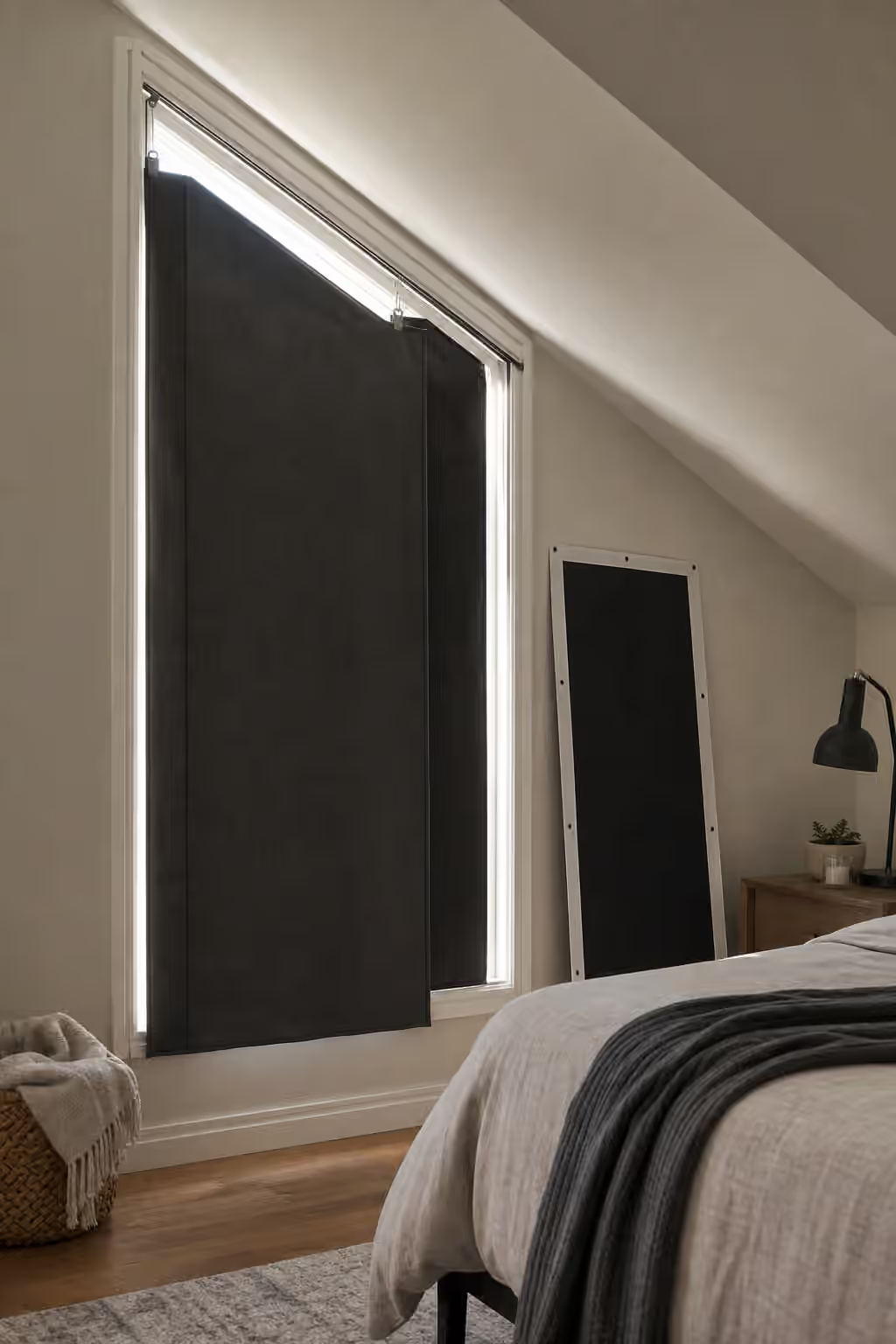
Sunlight is obvious, but daytime bedrooms often leak light from many small places. Window edges glow even when the curtain fabric is dark. A bright hallway line can enter under the door. Charger LEDs, humidifier indicators, alarm faces, and uncovered mirrors can make the room feel alert. If you are trying to sleep after sunrise, those small sources matter because they keep reminding the room what time it is.
Begin with the same plain inspection used in Blackout Curtains Guide , but perform it during the actual sleep window. Close the door, shut the curtains, and stand in the room for a few minutes after your eyes adjust. Look at the edges, not the center. The center of the curtain may be excellent while the top, sides, and sill are doing most of the damage.
Daytime darkness usually needs layering. Curtains can handle the broad window surface, while side returns, wraparound rods, removable side seals, or a shade behind the curtain can address edge glow. Renters may need tension rods, temporary film, or removable fabric solutions rather than mounted hardware; Renter-Friendly Blackout and Noise covers that kind of reversible thinking. A sleep mask can also be part of the setup, but it should not become an excuse to ignore a room that is bright enough to keep pulling your attention.
Build A Sound Plan Before The Noise Starts
Daytime noise has a different texture from nighttime noise. It is not always loud, but it is varied. Trucks stop, doors close, appliances run, children move, neighbors work, and phones collect messages. A bedroom that feels quiet at midnight may feel exposed at noon because the sound field changes every few minutes.
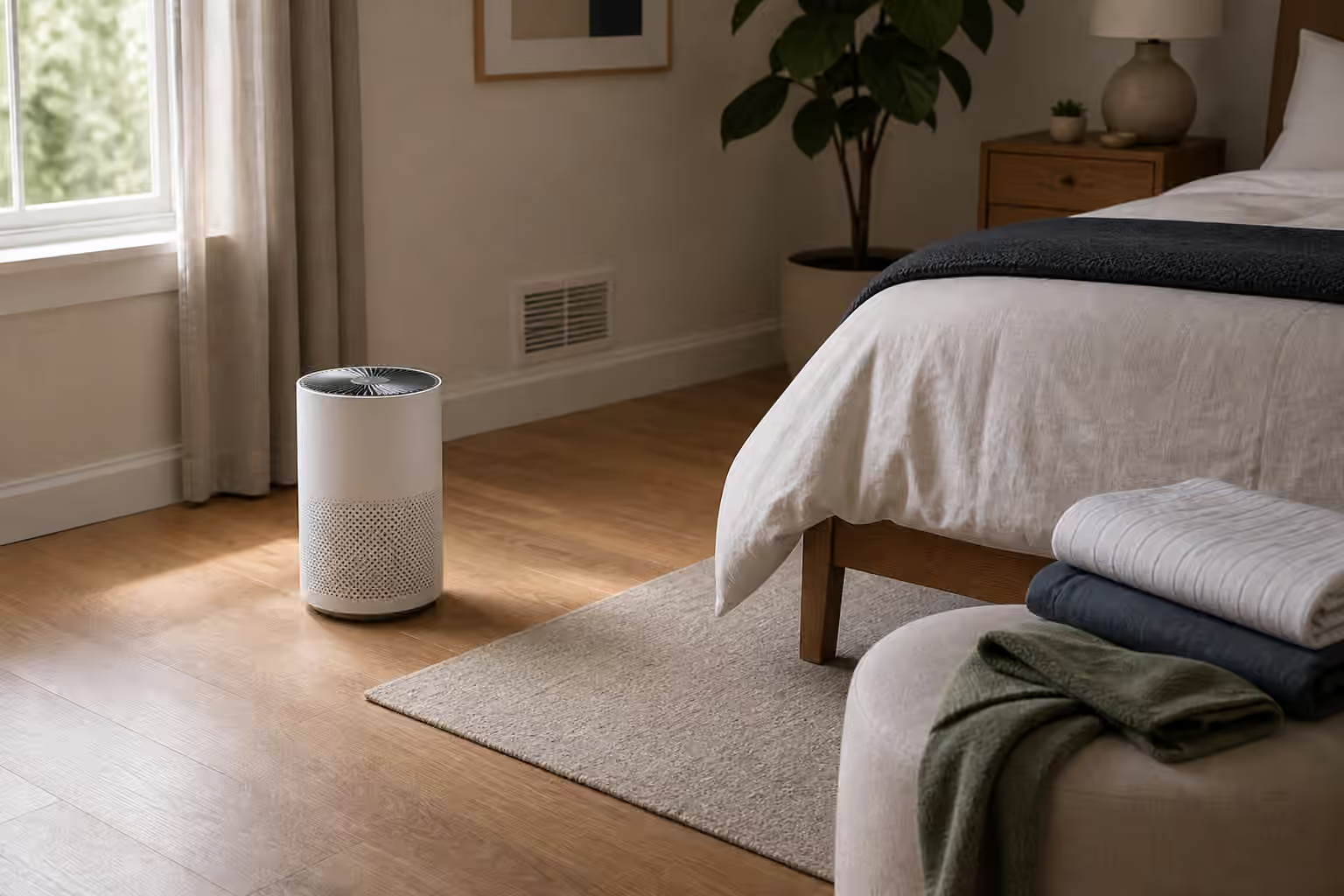
The first decision is whether you are trying to reduce sound, cover sound, or route household behavior away from the room. Soft furnishings, rugs, curtains, and a closed door can reduce sharp reflections inside the bedroom. A white-noise machine, fan, or steady air purifier can make sudden sounds less distinct. A household signal on the door can reduce preventable interruptions. These are separate jobs, and the room works better when each job has its own answer.
Use White-Noise Machine Guide for the masking part, but place the machine with daytime use in mind. The sound should be stable and boring, not dramatic. It should sit where controls are easy to reach without bright light. If the worst noise comes from the hallway, placing masking sound near the door can sometimes make more sense than placing it beside your head. If the worst noise comes from the window, curtain weight and window fit may matter as much as the machine.
Earplugs are useful for some people and wrong for others. They can help with unpredictable sound, but they also change how alarms, children, pets, or household signals are heard. That makes Sleep Masks and Earplugs a companion guide rather than an afterthought. Daytime sleep needs quiet, but it also needs a way to wake when waking matters.
Cool The Room Before It Becomes A Problem
Daytime sleep often collides with heat gain. Sun warms the glass, walls, roof, and curtains before the room feels obviously hot. By the time you get into bed, the mattress, pillow, and top bedding may already be holding more warmth than they do at night. A fan started after the room is stuffy may only move warm air around.
Prepare the room earlier when possible. Closing window coverings before direct sun hits the glass can help more than closing them after the room has already heated. A fan placed to move air across the room, rather than directly at your face, can make the room feel more even. A lighter top layer may do more than a lower thermostat if the main heat is trapped close to the body. Bedroom Temperature and Airflow and Cooling Bedding Layers are the relevant checks before buying active cooling gear.
The daytime bed also needs a simpler layer plan. A heavy duvet that feels comforting at night can be too much in a sun-warmed room. Flannel, thick protectors, dense foam pillows, and extra blankets can all make a short daytime sleep feel sticky. A separate daytime top layer can be useful if the household schedule makes the room warmer during those hours. It does not need to be special; it needs to be easy to repeat.
Make The Door Communicate
Many daytime sleep failures are social rather than technical. The bedroom is dark, the sound machine is running, and then someone opens the door because they do not know whether the room is in sleep mode. The door needs to communicate without requiring a conversation every time.
The signal can be simple. A closed door, a quiet sign, a dim hallway, a calendar block, or a household rule about deliveries and chores can protect the room without turning the sleeper into a negotiator. The point is to make the sleep window legible. If the home includes partners, roommates, children, or guests, Shared Bedroom Light and Schedule is worth reading because the room setup and the household agreement have to support each other.
Door behavior also affects light and sound. A gap at the bottom may leak hallway brightness and noise. A latch that clicks loudly can make every interruption sharper. A door that swings into a cluttered floor path may encourage people to leave it half open. Small physical details become part of the boundary, especially when the sleep schedule is unusual for the rest of the home.
Keep The Bed From Becoming A Day Desk
Daytime sleep is vulnerable to task creep. The phone is awake, the home is bright, and the bed can easily become a place to answer messages, scroll, snack, or wait for sleep. A good setup removes decisions from the bed area before you enter it.
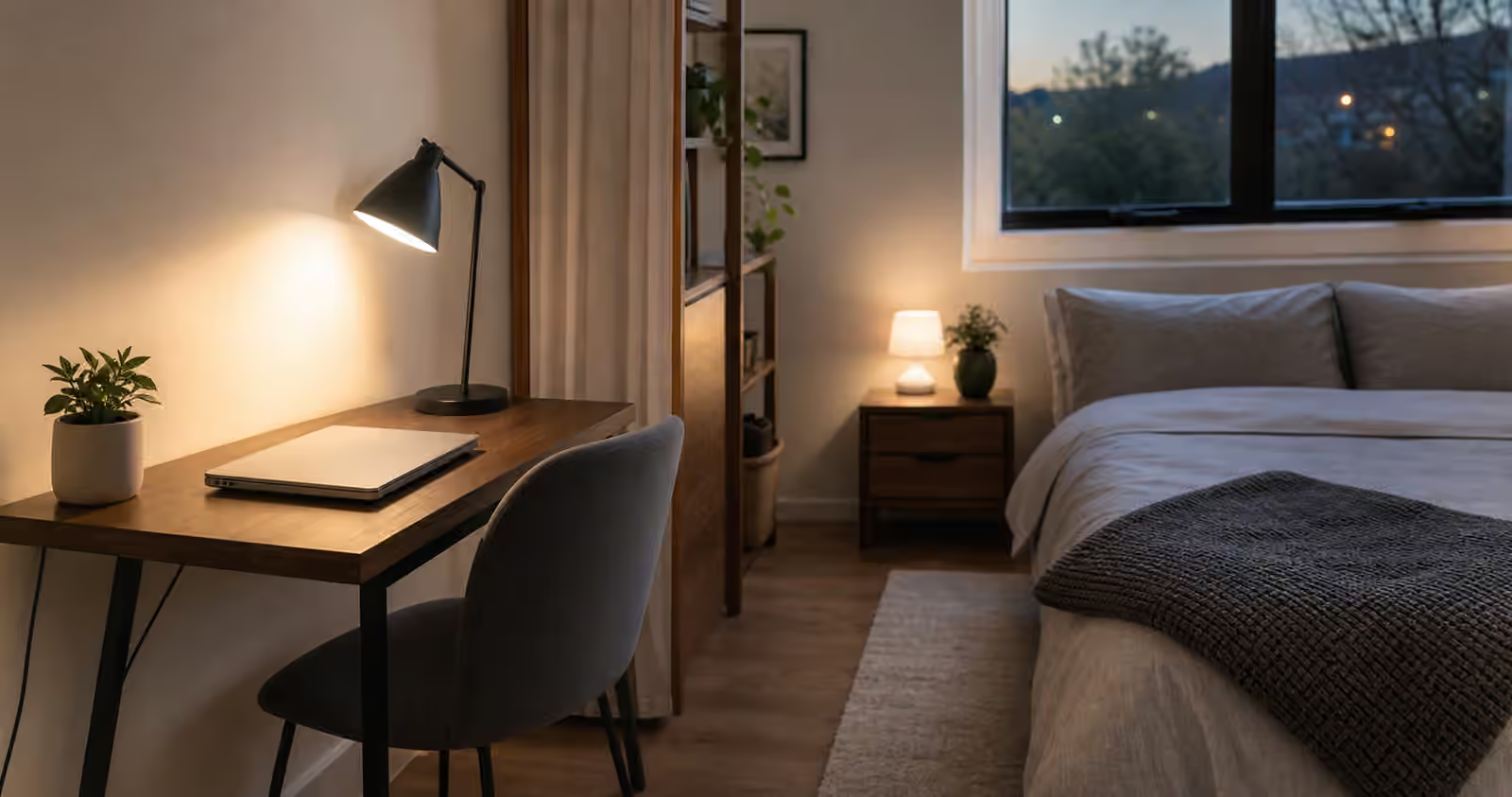
Put the phone where it can alarm without demanding attention. Dim or cover indicator lights. Move work papers, laundry baskets, packages, and daytime errands out of the sleep line of sight. If the room doubles as a work space, create a visible reset between work mode and sleep mode, even if that reset is only closing the laptop, clearing the chair, and turning the lamp to a warmer, lower setting. Lighting and Evening Reset translates well here even though the clock is different, because the principle is the same: the room should stop asking for daytime decisions.
Bedside charging deserves special care. A phone on the pillow side of the bed can turn every message into a small negotiation. Nightstand Charging and Cables helps keep the alarm reachable while reducing cable clutter and bright screens. The daytime version is stricter because daylight already supplies enough alertness.
Test The Setup As A Sequence
The room should have a start sequence that can be completed when you are already tired. Close or check the window covering. Start steady sound. Set the alarm. Adjust the fan or airflow. Move the phone into its place. Clear the floor path. Close the door. Those actions should take minutes, not a project.
After several uses, notice which step fails. If the curtain is too annoying to close, the hardware may be wrong. If the fan is always forgotten, it may need a timer or a more visible switch. If the room is dark but still noisy, the sound plan needs work. If the bed feels hot only during daytime sleep, the issue may be sun gain or bedding rather than the mattress itself. If people keep interrupting, the room needs a clearer household signal rather than another product.
Daytime sleep setup is successful when it becomes boring. The room gets dark enough, steady enough, cool enough, and clear enough that the unusual hour no longer dominates the experience. You are not building a cave or a perfect studio. You are building a repeatable bedroom mode that protects sleep when the rest of the day is still awake.