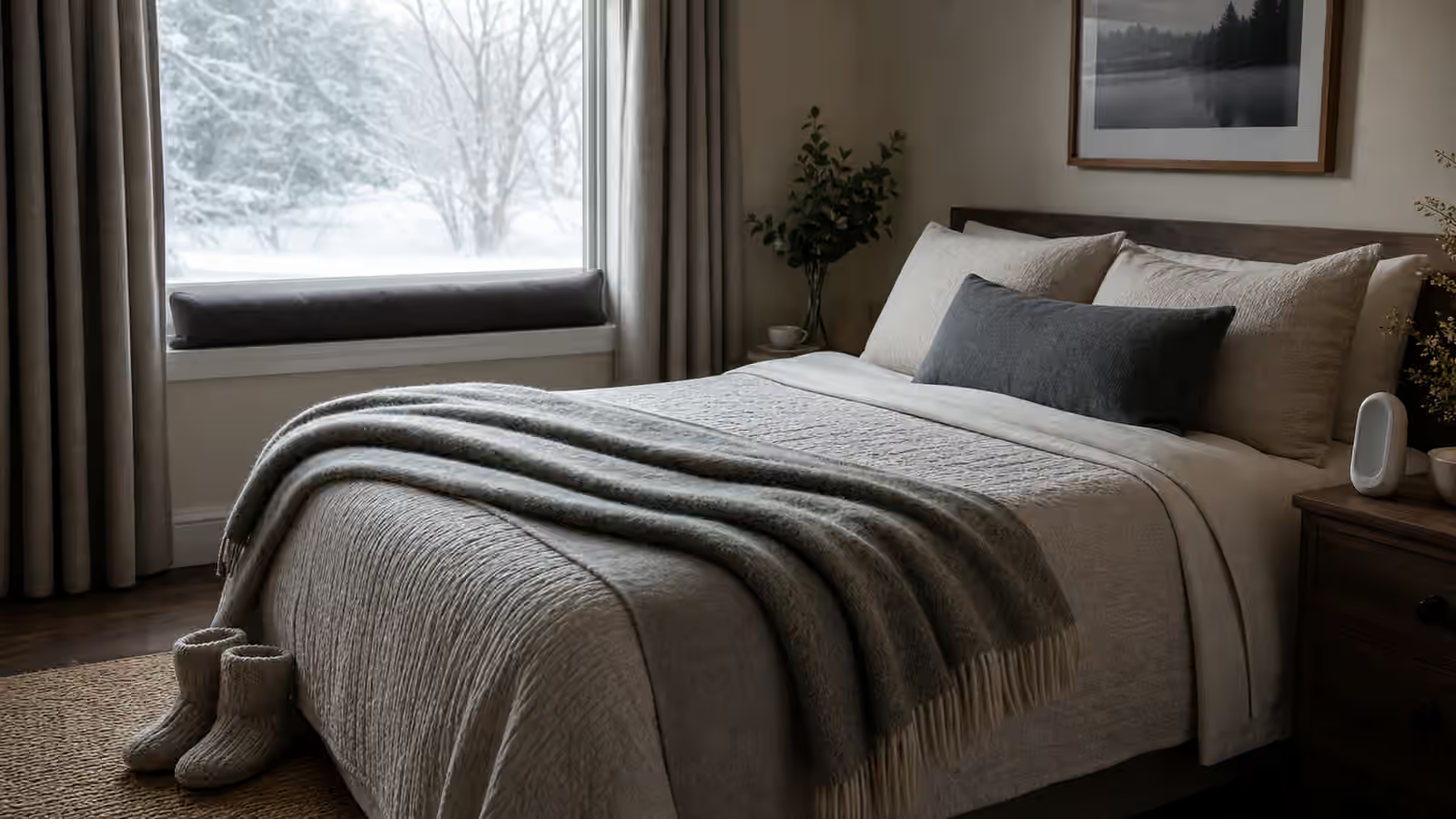
A cold bedroom can make people solve the wrong problem. They add the heaviest blanket in the closet, wake up too warm under the torso, kick a leg out, get chilled again, and repeat the cycle. The room is cold, but the bed becomes a sealed pocket. Warmth works better when it is layered, breathable, and easy to adjust before the night turns into a negotiation. For background, see CDC/NIOSH — Tips to Improve Your Sleep When Times Are Tough .
This guide is about comfort setup, not medical advice. Persistent chills, circulation concerns, fever, pain, breathing trouble, or unsafe heating equipment belong outside a room-styling decision. For ordinary cold rooms, the useful question is practical: where is the cold entering, which part of the body notices it first, and which layer is doing more work than it should?
Name the cold spot before adding weight
Cold is not one sensation. Feet can feel chilled while the torso is too warm. Shoulders can feel exposed because the top sheet and blanket slide down. The side of the bed near a window can feel different from the side near an interior wall. A mattress can feel cool at first contact and comfortable after ten minutes. A pillowcase can feel cold against the face while the rest of the bed is fine.
If you add one heavy layer to all of those problems, you may solve the first ten minutes and ruin the next six hours. Instead, notice the location. Cold feet often call for socks, a foot throw, or better lower-bed coverage rather than a warmer comforter. Cold shoulders may call for a larger top layer, a different duvet cover, or a sleep shirt that covers the gap. A cold window side may need curtain changes, bed placement changes, or draft attention. A cold mattress surface may need a quilted pad or breathable topper, not necessarily a hotter blanket.
Bedroom Temperature and Airflow covers the room side of heat and circulation. In a cold room, use the same method in reverse. Do not only ask whether the thermostat is low. Ask where air moves, which surfaces radiate cold, and whether the bed is trapping heat unevenly.
Build warmth in removable layers
Warm bedding should give you choices while half asleep. A single bulky comforter can be cozy, but it is a blunt instrument. If it becomes too warm, the only adjustment is throwing it off. Two or three lighter layers can be easier to tune: a sheet, a breathable blanket, a duvet or comforter, and perhaps a folded throw at the foot of the bed. The point is not to create a hotel stack. The point is to make small changes possible without rebuilding the bed.
The layer closest to the body matters. Flannel sheets, jersey sheets, percale, sateen, linen, and knit fabrics all feel different at first contact and after warming up. Sheets Materials Guide helps compare that first-touch feel. A cold bedroom may not need the warmest sheet if the upper layers already hold enough heat. Sometimes a crisp sheet plus a better blanket stack feels steadier than a warm sheet under a heavy, heat-trapping duvet.
Duvets, comforters, quilts, wool blankets, cotton blankets, fleece throws, and weighted blankets each hold heat differently. Duvet, Comforter, and Blanket Choices is useful because the top layer is often blamed or praised for everything. In cold rooms, the best top layer is the one that warms the sleeper without making moisture and heat collect under the torso.
Keep feet warm without cooking the bed
Feet are often the deciding detail in a cold bedroom. If feet stay cold, the whole bed can feel wrong even when the room and torso are comfortable. The usual overcorrection is to add a heavy blanket over the entire body. A more targeted answer can be calmer.
Warm socks, a foot-only throw, a tucked lower blanket, or a slightly thicker blanket folded across the lower third of the bed can solve a foot problem without adding heat to the chest and shoulders. The sock choice should feel dry and loose enough for comfort. Tight, sweaty, or bulky socks can become their own disruption. A hot water bottle or heated product may be part of some households, but it needs careful use, manufacturer instructions, and common sense about leaks, cords, burns, pets, and children. This guide does not depend on active heating because passive layers are easier to repeat safely.
The lower bed should also stay orderly. If the top sheet pulls loose every night, cold air can enter around the feet. If a duvet is too small for the mattress or shared bed, one person may get edge gaps. Split Bedding and Blankets can help couples avoid turning one shared blanket into a nightly tug-of-war.
Watch drafts, curtains, and window-side beds
Cold rooms are often really drafty rooms. A bed near a window, exterior wall, door gap, fireplace, poorly sealed vent, or thin curtain can feel colder than the thermometer suggests. The body notices surface temperature and moving air, not only the room average.
Start with the obvious bedroom pieces. Curtains can reduce the feeling of cold glass near the bed, but they should not trap moisture against windows or block needed airflow in a way that creates dampness. A draft stopper at a door or window can help with small gaps, especially in rentals where permanent repairs may not be available. If the bed sits directly under a window, Bed Placement and Headboards may be more useful than another blanket.
Renter-friendly changes should stay reversible and sensible. Tension rods, thermal curtains, removable weatherstripping, rug placement, and furniture clearance can change how a room feels without altering the building. Renter-Friendly Blackout and Noise focuses on darkness and sound, but the same reversible mindset helps cold rooms.
Balance warmth with moisture
Cold air and dry air are easy to confuse. Heated indoor air can feel sharp even when the room is not extremely cold. A damp cold room can feel clammy even when the bedding is warm. If you only add blankets, you may miss the moisture problem.
An inexpensive thermometer-hygrometer can make the room easier to read. Bedroom Humidity and Dry-Air Comfort explains why moisture changes how temperature feels. In winter, a room may feel dry enough that fabrics seem scratchy and static builds. In a basement or poorly ventilated space, the problem may be damp cold instead. The bedding response is different. Dry cold may need softer fabric, less overheating, and careful humidifier use. Damp cold may need airflow, dehumidification, source control, and bedding that dries fully.
Bedding maintenance matters in both cases. A thick bed that never airs out can hold moisture. A comforter stored slightly damp can smell stale. A mattress protector that traps heat and moisture can make a cold room oddly clammy. Bedding Wash and Rotation is not just a cleaning guide; it helps the bed feel warm and fresh instead of heavy.
Make the first ten minutes easier
Many cold-bedroom complaints are about the first ten minutes in bed. The body meets cool sheets, the pillow feels cold, and the room seems less welcoming than it did while moving around. Solving that short window can prevent overbuilding the whole night.
A robe or warm layer for the transition, socks ready near the bed, curtains closed before the room cools, and bedding pulled smooth rather than rumpled can all help. A bedspread or folded blanket over the top during the evening can keep the bed surface from feeling exposed, then move aside before sleep if it is too warm. If the room cools quickly after sunset, timing matters. It may be easier to close curtains and set layers before the room drops than to fix the bed once it already feels cold.
The final setup should be boring in the best way. You get into bed, the first contact is not a shock, feet warm without burying the whole body, and one layer can be moved without waking fully. Cold-room comfort is not about making the bedroom hot. It is about giving warmth a structure, so the bed can stay inviting without becoming a sealed furnace by morning.