A good pillow setup is not only about the pillow under your head. The rest of the body also changes how the mattress feels. A side sleeper may feel comfortable at the neck but twisted at the hips. A back sleeper may like the mattress until the knees feel unsupported. A shared bed may have plenty of pillows in theory and no usable space in practice. For background, see CDC/NIOSH — Tips to Improve Your Sleep When Times Are Tough .
Support pillows are useful when they solve a specific friction. They become annoying when they are bought as vague comfort objects and left to drift around the bed. The goal is not to build a nest with every pillow shape available. The goal is to give the body one or two quiet points of support without making bedtime, laundry, or bed-making harder than it needs to be.
Start with the complaint
Before buying a body pillow or knee pillow, describe the problem in ordinary language. Maybe the top knee drops forward when side sleeping. Maybe the upper arm needs somewhere to rest. Maybe the lower back feels better when the knees are slightly bent. Maybe pregnancy, recovery, or temporary soreness has changed the way the bed needs to support the body, in which case the pillow setup is only a comfort aid and not a substitute for professional advice.
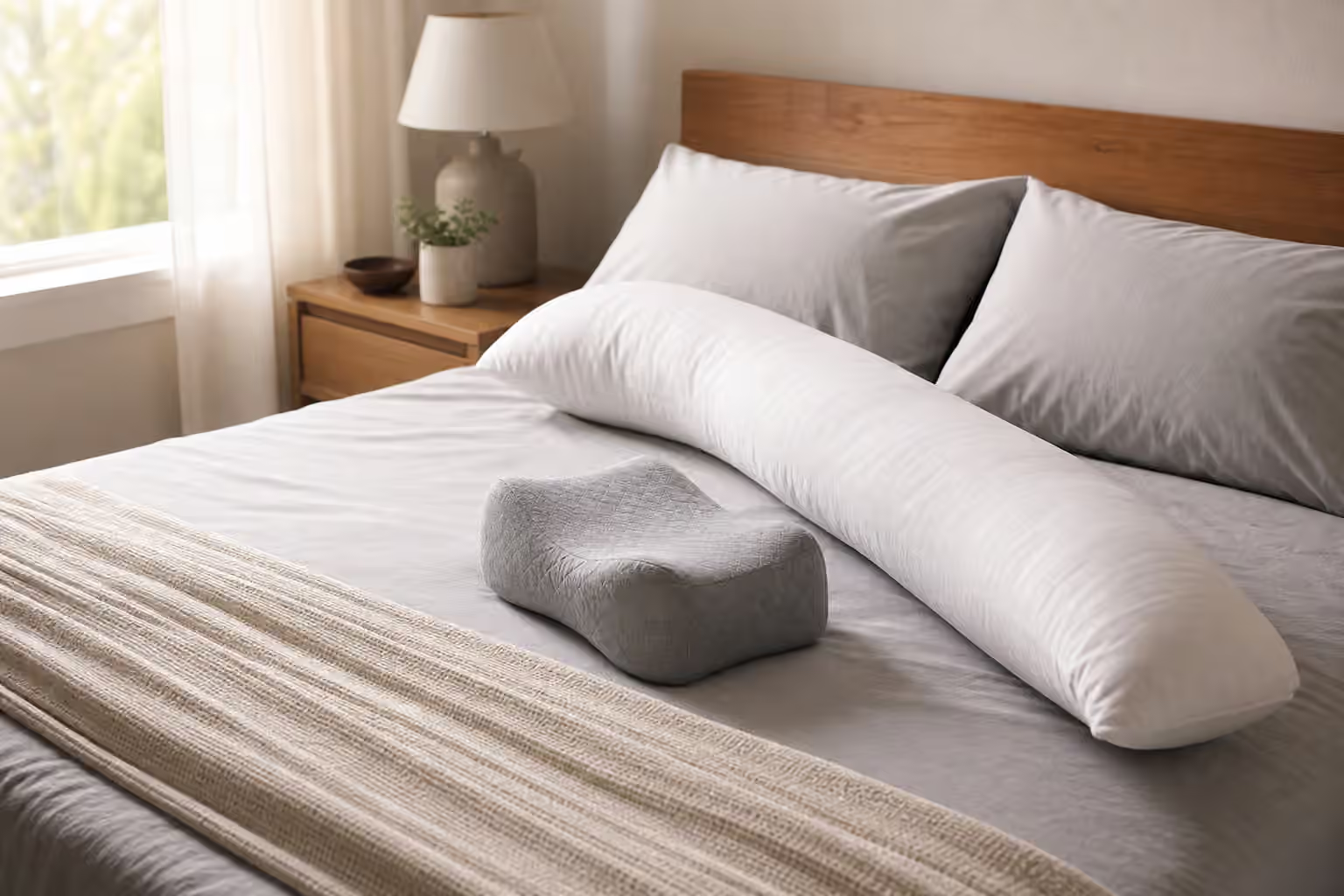
That plain complaint matters because different pillows solve different problems. A long body pillow gives the upper arm, chest, and knees something to lean into. A small knee pillow focuses on spacing the legs without taking much room. A wedge is more directional and can feel intrusive if it is used casually. A standard bed pillow can be enough when the need is occasional or when storage space is tight.
If the problem is mainly at the head and neck, start with Pillow Fit Guide instead. If the whole mattress feels wrong, read Mattress Firmness and Feel before assuming a support pillow can solve the bed. A pillow can tune a setup, but it cannot make a badly matched mattress disappear.
Side sleeping is a whole-body position
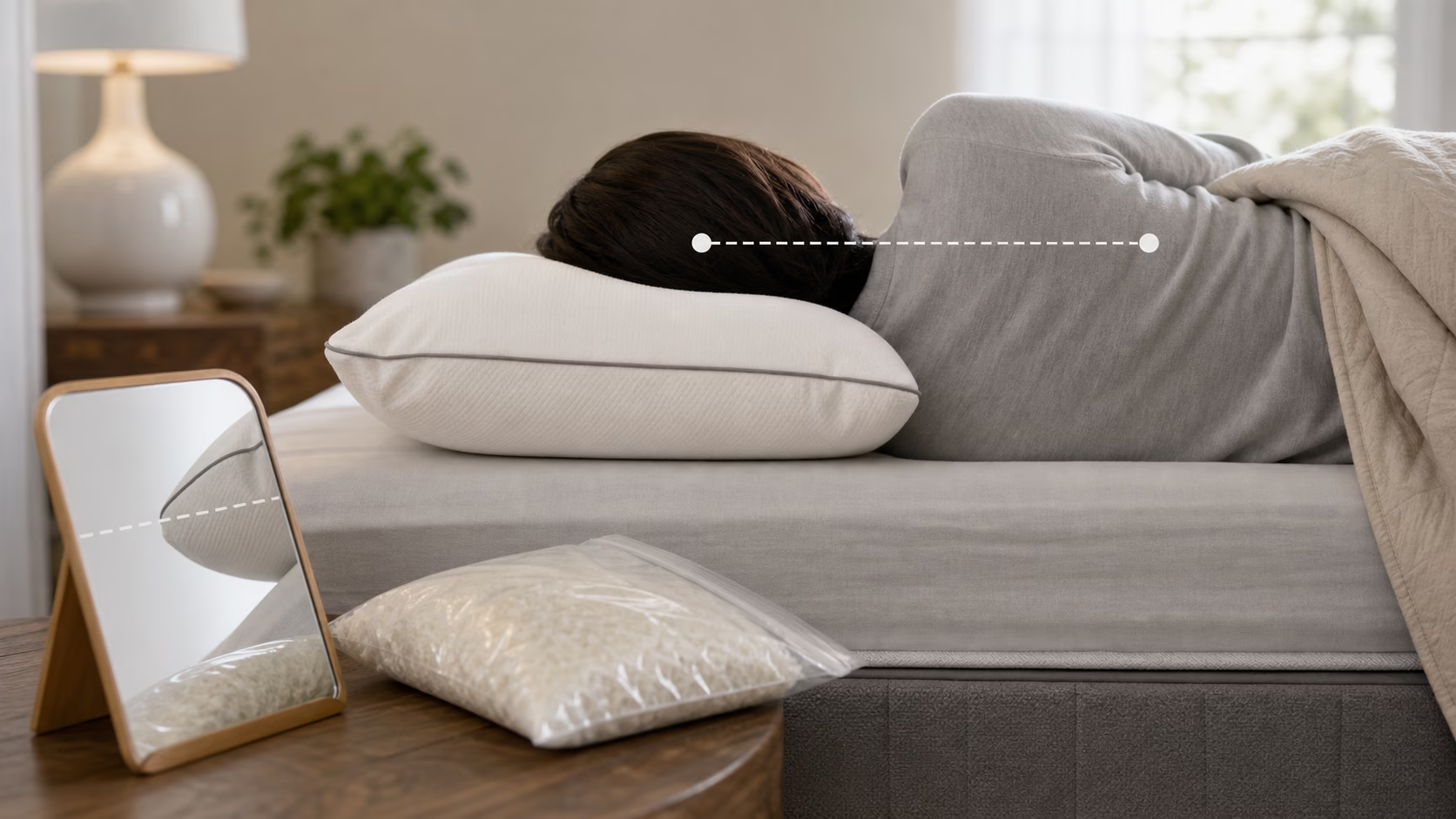
Side sleeping is where support pillows earn their place most often. The head pillow holds the neck, but the knees, hips, shoulders, and upper arm still have to settle somewhere. Without a support point, the top leg may roll forward, the upper shoulder may collapse across the chest, or the sleeper may grip a blanket for stability without noticing.
A body pillow can reduce that nightly improvisation. The useful placement is usually simple: the pillow runs along the front of the body, close enough that the top arm and top knee can rest on it without reaching. It should not be so tall that it lifts the shoulder sharply or so bulky that it pushes the sleeper onto the back. A long pillow with a softer fill often works better than a stiff cylinder because the body can settle into it without feeling propped on a rail.
A knee pillow is more focused. It sits between the knees or slightly lower between the legs, depending on the sleeper and pillow shape. The point is spacing, not pressure. If the pillow is so thick that it forces the legs apart, it can create a new annoyance. If it is so thin that it collapses immediately, it may not do much. The right feel is usually quiet. You notice it when it is missing more than when it is present.
Do not ignore heat and fabric
Every extra pillow is another fabric surface. In a cool room that may feel cozy. In a warm room, it can trap heat exactly where the body already runs warm. A dense foam knee pillow with a synthetic cover may feel tidy but sleep hotter than a small washable pillow in a cotton case. A large body pillow may feel comforting in winter and excessive in summer.
Pair support pillows with the same temperature thinking used in Cooling Bedding Layers and Sleepwear and Bedding Layers . If a new pillow makes the bed warmer, do not immediately blame the room. Try a lighter top blanket, a more breathable cover, or a smaller support shape before giving up on the idea.
Fabric also decides maintenance. A pillow that cannot be covered with a washable case will be harder to keep in rotation. Body pillows need cases that are not a wrestling match on laundry day. Knee pillows need covers that come off easily and dry fully. The support pillow lives close to the body, so it should be treated like bedding, not like a decorative cushion that never gets cleaned.
Shared beds need a space agreement
Support pillows can be awkward in shared beds because they claim territory. A body pillow on a smaller mattress may become a third sleeper. A knee pillow may fall into the middle of the bed. A person who changes position often may shove the pillow toward a partner without meaning to.
This does not mean support pillows are only for solo sleepers. It means the bed needs a layout. In a shared queen, a slimmer body pillow or standard pillow may work better than an oversized shape. In a king, each person may be able to keep a side-specific pillow without crowding the center. If two people use different blanket weights or sleep temperatures, Split Bedding and Blankets may make the support pillow easier to live with because each side becomes more independent.
The pillow should also have a morning home. If it lands on the floor every day, it will collect dust and become one more thing to move before bed. If it has to be hidden in a closet across the room, it may not be used consistently. A bench, basket, or specific bed-making position keeps the setup from becoming clutter.
Test with what you already own
The cheapest test is often a regular pillow. Put a bed pillow between the knees for a few nights. Hug a spare pillow while side sleeping. Fold a thin blanket into a soft roll and see whether the body wants support along the front. These tests are not perfect, but they tell you whether the problem is real enough to deserve a dedicated pillow.
During the test, change only one thing. If you add a body pillow, change the top blanket, replace the head pillow, and move the fan on the same night, you will not know what helped. Keep the room and bedding familiar. Notice whether falling asleep is easier, whether turning over is harder, whether the bed feels warmer, and whether the pillow stays where it belongs.
A dedicated support pillow is worth considering when the same small improvement shows up repeatedly. If the test pillow does nothing, remove it without turning the bed into a storage problem. If it helps but feels too bulky, choose a smaller shape. If it helps but sleeps warm, think about fabric and cover before choosing a denser fill.
Keep the setup ordinary
The best support pillow setup looks boring by morning. The pillow has a place. The cover gets washed. The bed can still be made. The sleeper can roll over without negotiating a pile of objects. The room still feels like a bedroom rather than a product test.
Body pillows and knee pillows are not magic. They are small positioning tools. Used carefully, they can make the mattress feel more understandable and the pillow stack less random. Used carelessly, they add heat, clutter, laundry, and partner friction. Let the first few nights decide which one you have.