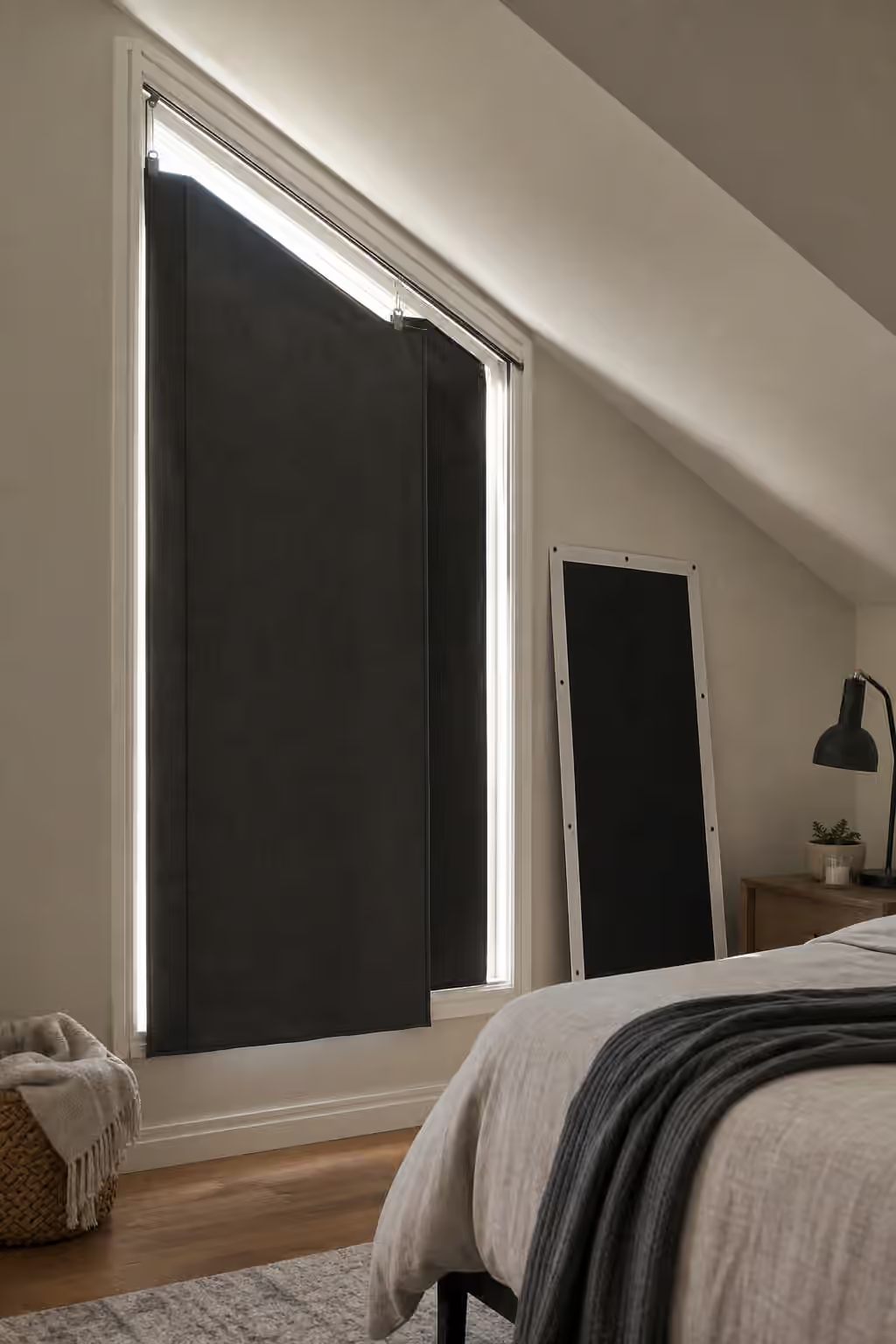
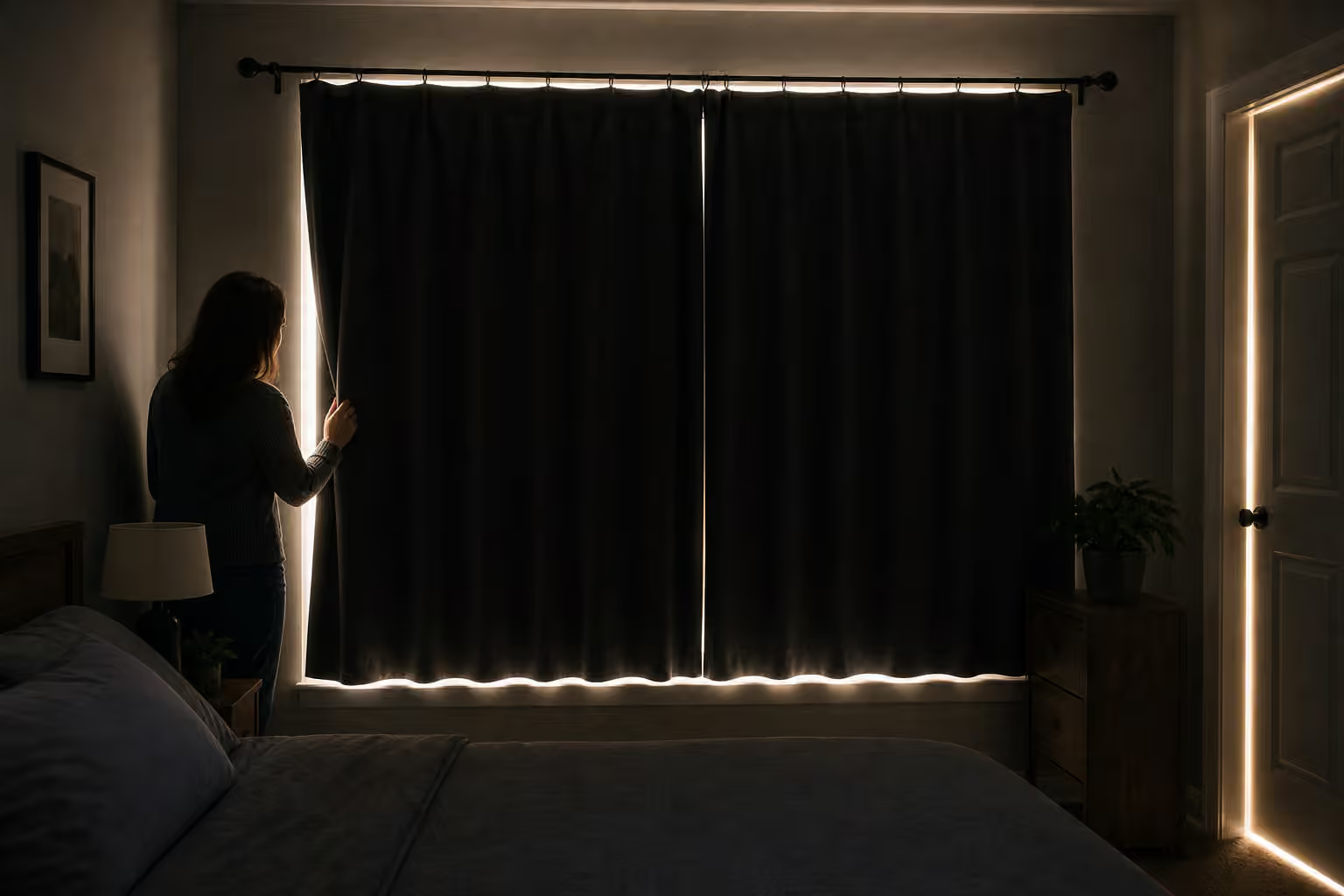
Most blackout failures happen at the edges, not the middle of the fabric. Light leaks around the top, sides, bottom, and door cracks can make a good curtain look worse than it is.
Start by finding the leak pattern.
Find the leak
Check the room at the time light bothers you most. Morning sun, streetlights, hallway light, and neighbor lighting create different problems. A top leak usually asks for a higher mount or a valance-style block. Side leaks ask for more width or a wraparound rod. Bottom leaks ask for length or overlap. Glass glow may need a shade, liner, or temporary panel. Door light belongs to a draft stopper or hallway-side fix, not the window.
Do this before buying. If the light comes from the sides, darker fabric in the same narrow position will not solve much.
Darkness options
Blackout curtains are broad, easy, and decorative, but they need enough width and height to control the edges. Curtain liners can improve existing curtains without replacing the visible fabric. Cellular blackout shades give cleaner window-mounted darkness when the frame allows it. Wraparound rods reduce side leaks. Track curtains offer stronger ceiling-to-floor control. Temporary film or panels can help in rentals, travel rooms, or odd windows where hardware is limited.
Measuring notes
Curtains usually need to be wider than the window and mounted above it to control edge light. Check rod width, curtain panel width, length, window handles, radiators, vents, baseboards, and whether the fabric can slide fully open during the day.
For renters, decide whether no-drill brackets, tension rods, liners, or a sleep mask solve enough without risking the wall.
Keep the window livable
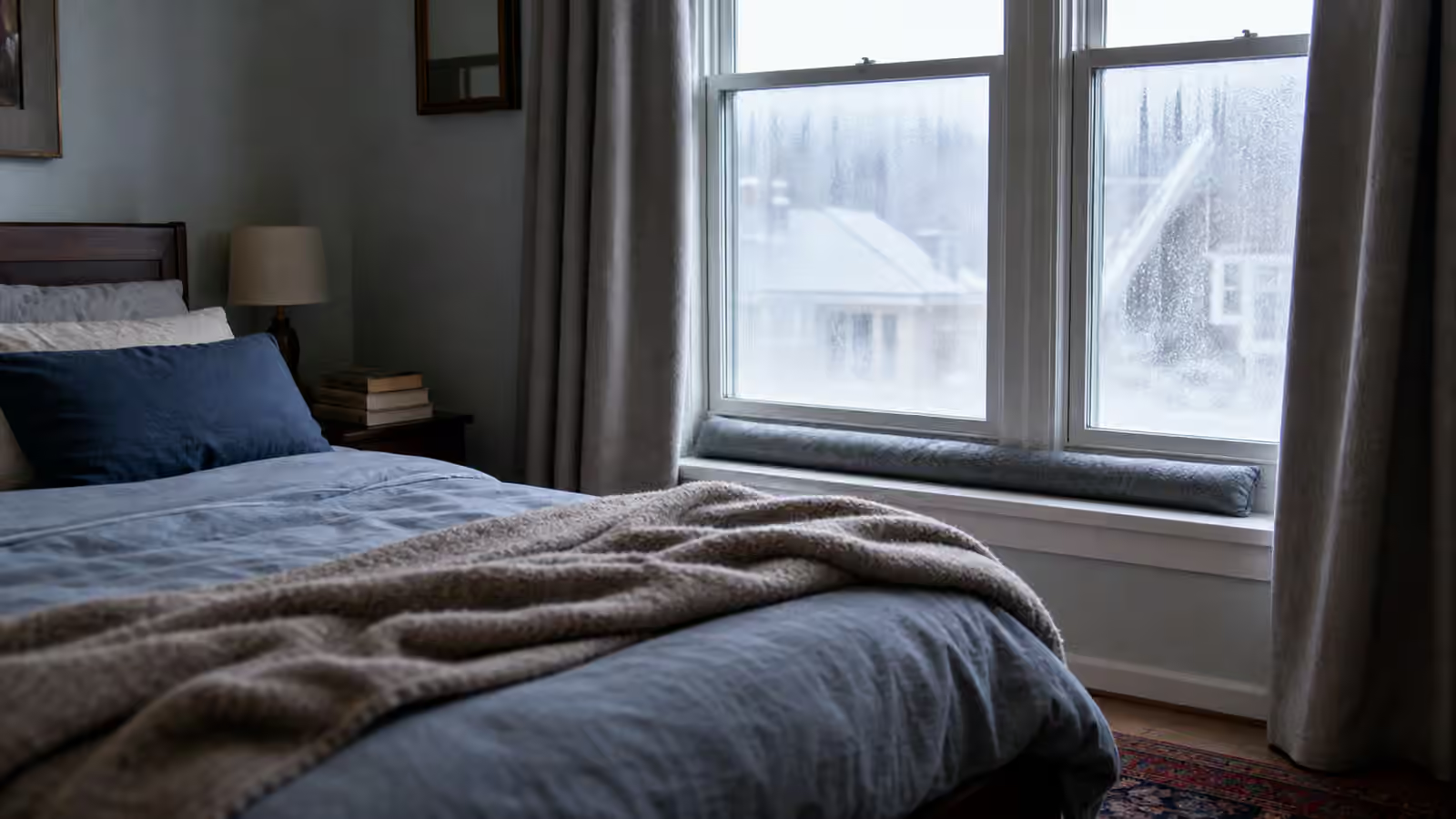
A blackout setup still has to work in daylight. If opening the curtains becomes annoying, the room will stay gloomy and the fabric will be shoved aside badly. Check whether the panels clear the glass, whether the rod lets them stack beyond the window, and whether the shade can be raised without fighting furniture. Bedrooms need darkness at night, but they also need morning air, sunlight when you want it, and a way to inspect condensation or dust. The best blackout fix disappears during the day.
Shopping shortcut
If the leak is around the curtain edges, compare wraparound curtain rods before buying darker fabric. If the window itself glows, compare blackout curtain panels with enough width for overlap.
Avoid the edge mistakes
Buying one panel when two are needed for fullness is a common way to leave light at the sides. Hanging curtains inside the frame can look neat and still fail when edge light is the real problem. Heavy fabric can block airflow from a vent or radiator. A setup that darkens the room perfectly at night can still be annoying if it makes the window hard to use during the day. Door light is its own problem, and blaming the window will not solve it.
Good default
Mount curtains high and wide when you can. A wraparound rod and enough side overlap usually help more than buying the darkest fabric and hanging it too narrowly.
Next step
Find the leak before shopping. Once you know whether the problem is top, side, bottom, glass, or door light, the purchase becomes much simpler.
Apply this guide as a decision record
Use Blackout Curtains Guide: Darken the Room Without Fighting the Window to turn a vague household question into a checkable one. Its scope is specific: How to compare blackout curtains, liners, shades, tracks, and renter-friendly darkness fixes. Before changing the setup, write down the condition you are trying to change, the constraint that matters most, and the evidence you still lack.
For a first pass through blackout curtains guide, compare the current state with a relevant baseline and record one observation, measurement, or conversation. Make the smallest reversible change available. Keep the manual, model number, room condition, schedule, or maintenance note beside the decision so a future check does not depend on memory. Keep blackout curtains, bedroom light in view as separate signals instead of treating them as one verdict.
A useful follow-up asks whether Blackout Curtains Guide: Darken the Room Without Fighting the Window improved the named problem without creating a new one. Check the tradeoff that fits this subject — heat, noise, comfort, water, power, wear, effort, or cost — and describe the result in plain language. If a boundary is safety-critical, stop at the guide’s limit and bring the details to a qualified local professional.
The conclusion for blackout curtains guide should stay narrow. Record what was observed, which condition made the result possible, what maintenance keeps it dependable, and what would make you revisit the choice. That turns a guidebook into a decision record you can use again rather than a promise to remember.