Reading in bed should feel quiet, not improvised. The problem is that most bedrooms are lit for entering the room, finding clothes, or making the bed, not for holding a page at chest height while another person is trying to sleep. A ceiling fixture can flood the room. A tiny nightstand lamp can glow warmly but miss the book entirely. A clip light can solve the page and irritate the eyes. The useful setup is less about buying a dramatic lamp and more about getting light, reach, posture, and shutoff into the same small zone. For background, see CDC/NIOSH — Tips to Improve Your Sleep When Times Are Tough .
This guide treats reading as a room setup question. It does not argue that reading is better than any other evening routine. It asks whether the light you use supports the thing you are actually doing, whether it stays out of a partner’s face, and whether turning it off is simple when you are already half asleep. For the broader evening room reset, start with Lighting and Evening Reset . Bedside reading is the close-up version of that same problem.
Aim light at the page, not the whole bed
A good reading light puts enough light on the page without making the whole bedroom feel awake. That usually means a shade or adjustable head that directs light downward and slightly across the book. It does not need to be harsh. It needs to be placed so the page is bright enough while the pillow, wall, and partner’s side of the bed are not doing all the reflecting.
The common mistake is choosing a lamp by how it looks on the nightstand while standing in the store or scrolling online. Reading happens from a lower position. Your head is against pillows. The book or reader may be in your lap, propped against bent knees, or held closer to your face. A lamp that looks balanced from the doorway may put the bulb directly in your eyes once you recline.
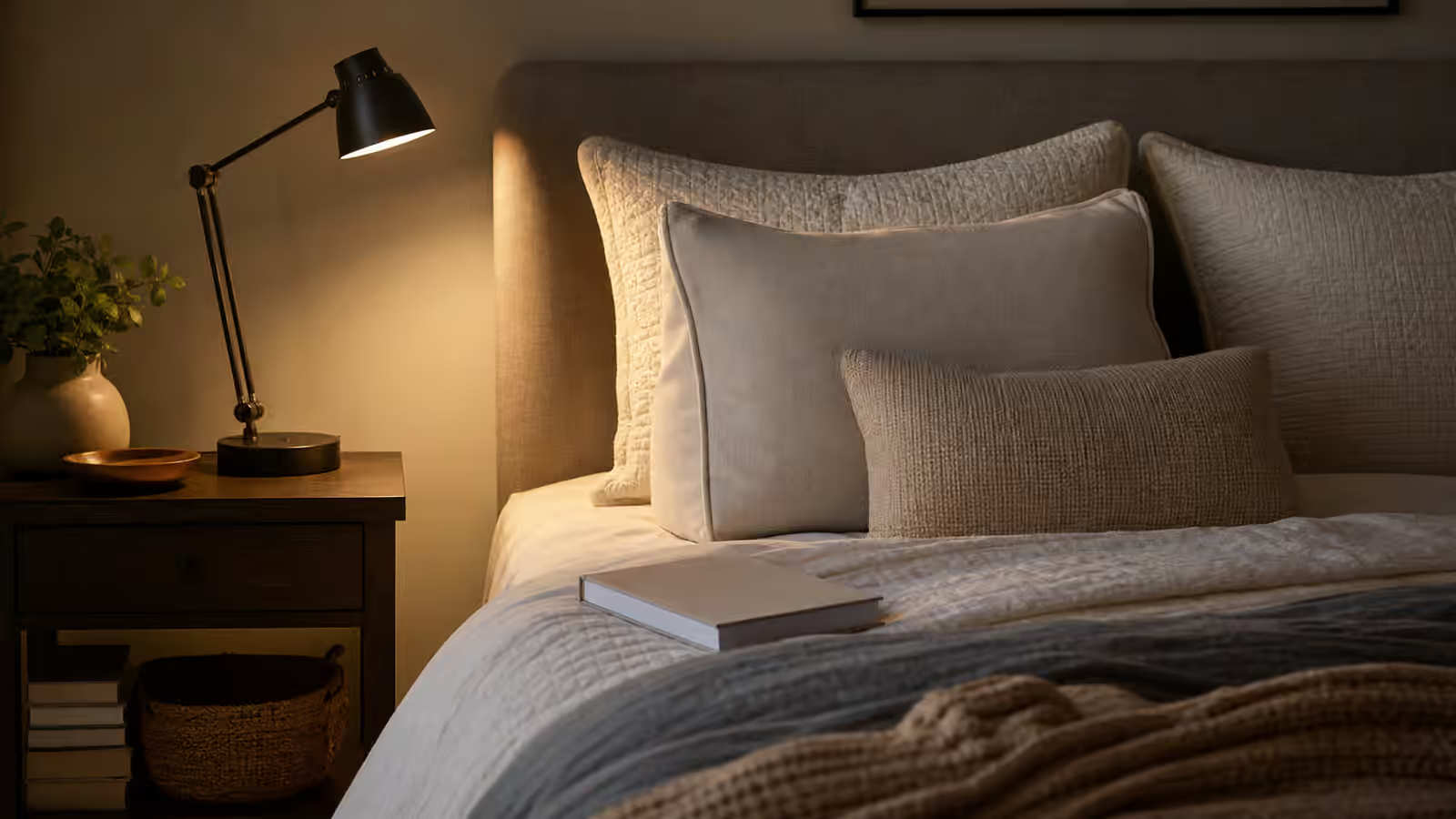
Sit where you actually read and check the path of the light. If the bulb is visible from your pillow, the shade is probably too open, too high, too low, or aimed too directly toward your face. If the page is dim while the wall behind the bed glows, the lamp is decorating the room instead of serving the task. A swing-arm lamp, shaded sconce, clamp lamp, or carefully chosen table lamp can all work. The category matters less than whether the beam lands where your hands naturally hold the book.
Put the switch where sleep finds it
The best reading light loses points if you have to sit up, lean across cables, or reach behind a shade to turn it off. A bedroom should not ask for fine motor coordination at the end of the day. The switch should be reachable from your reading position and from your settling position. If those are different, choose the sleeping position first.
Nightstand height matters here. Bed Height and Nightstand Reach covers the finished stack of frame, mattress, topper, and nightstand. Reading adds another test. Can you reach the switch without pulling the pillow stack apart? Can you set the book down without knocking over water, glasses, or a charger? Can the lamp cord stay behind the furniture instead of crossing the reach path?
Smart bulbs and plugs can help, but only when they reduce friction. A voice command or app scene may feel convenient until someone is asleep, Wi-Fi is slow, or a guest cannot figure out the room. Smart Bedroom Without Fuss has the right rule for this: keep a manual fallback. For a reading light, that may mean a physical button on the cord, a bedside remote with one obvious control, or a lamp switch that can be found by touch.
Build a pillow position that does not fight the light
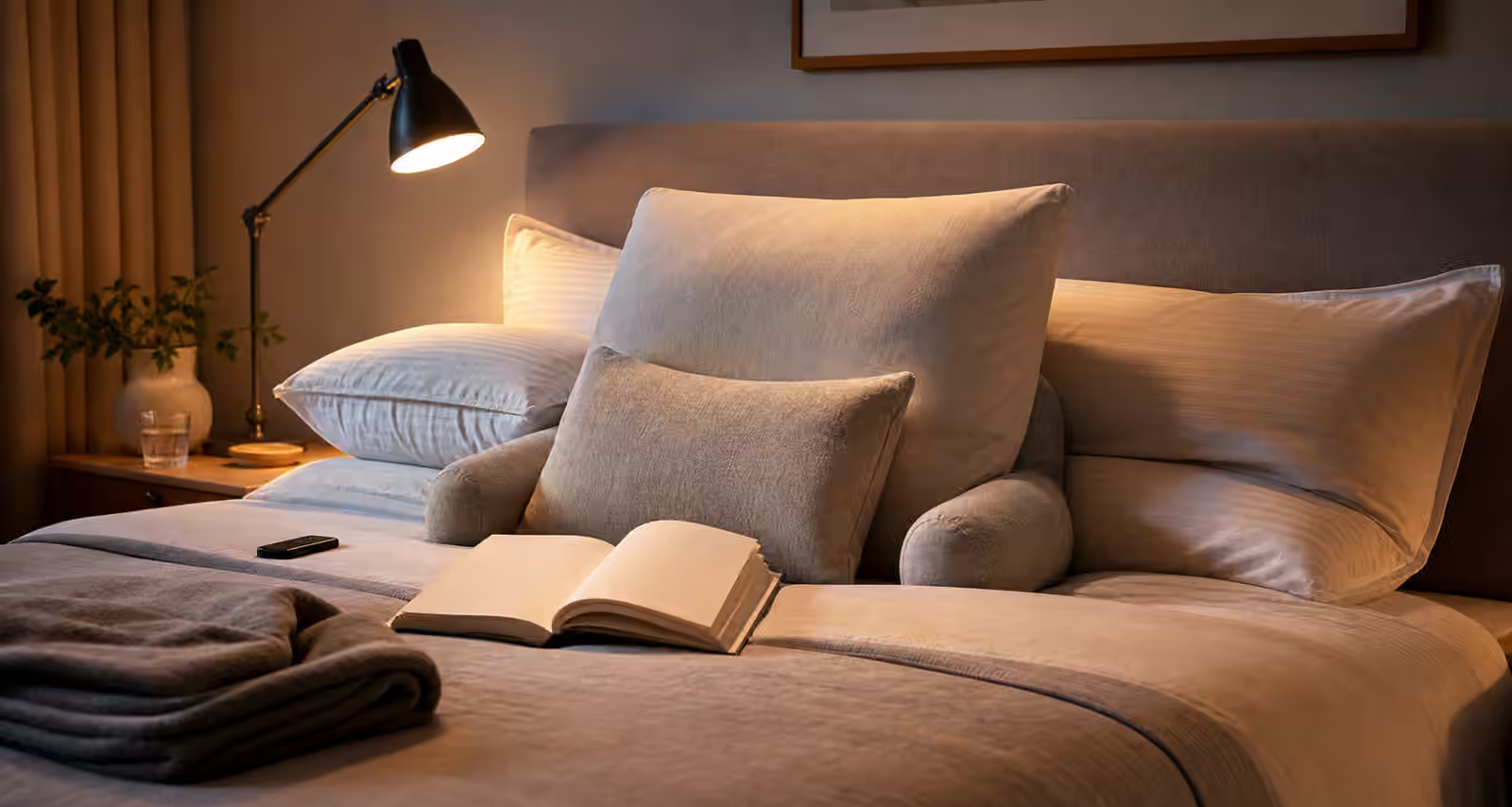
Reading posture is often treated like a willpower issue, but the bed shape decides a lot. If pillows collapse, the book drifts closer to the face, shoulders rise, and the lamp angle stops working. If pillows are too tall or too firm, the neck may be pushed forward and the light may shine under the brow instead of onto the page. A good reading stack is stable enough for twenty minutes and easy to dismantle before sleep.
The sleep pillow does not always need to be the reading pillow. Many people do better with a spare sham, wedge, folded blanket, or firm back pillow that lives nearby and leaves the actual sleep pillow alone. This keeps the sleeping pillow from being folded, crushed, and warmed before bedtime. It also makes the transition clearer: reading support moves away, sleep pillow comes back, lamp turns off.
If you read on an adjustable base, the same principle applies with different hardware. The incline should support the torso without sliding the body down the mattress or pulling bedding into a lump near the knees. Adjustable Bed Base Setup is useful if the lamp, remote, and bedding all need to move with the raised position.
Protect the other side of the room
Shared bedrooms turn reading light into a courtesy problem. The person reading may want enough brightness to avoid squinting. The person trying to sleep may notice every reflection from a white wall, glossy headboard, tablet screen, or pale lampshade. The fix is not always a weaker bulb. Sometimes a narrower beam, darker shade lining, lower lamp position, or different side of the bed works better.
Notice what the non-reading side sees. Lie on that side and look toward the lamp. A lamp that feels gentle from the reader’s spot can shine straight across the pillow line. A clip light on a book can create a tiny bright source that is more irritating than a shaded lamp. A tablet or e-reader can make the face and ceiling glow even when the room lamp is off. Shared Bedroom Light and Schedule covers the larger negotiation, but the small test is simple: the reader should be able to read without making the whole bed participate.
Separate controls help. Two small lights are usually better than one large lamp in the middle of the room. A reading lamp on one side and a softer path light near the door can keep bedtime from turning into a sequence of compromises. If one person reads much later, consider a sleep mask as a courtesy layer, not as permission to flood the room. Sleep Masks and Earplugs pairs well with this setup when schedules are genuinely different.
Keep the nightstand from becoming a reading pile
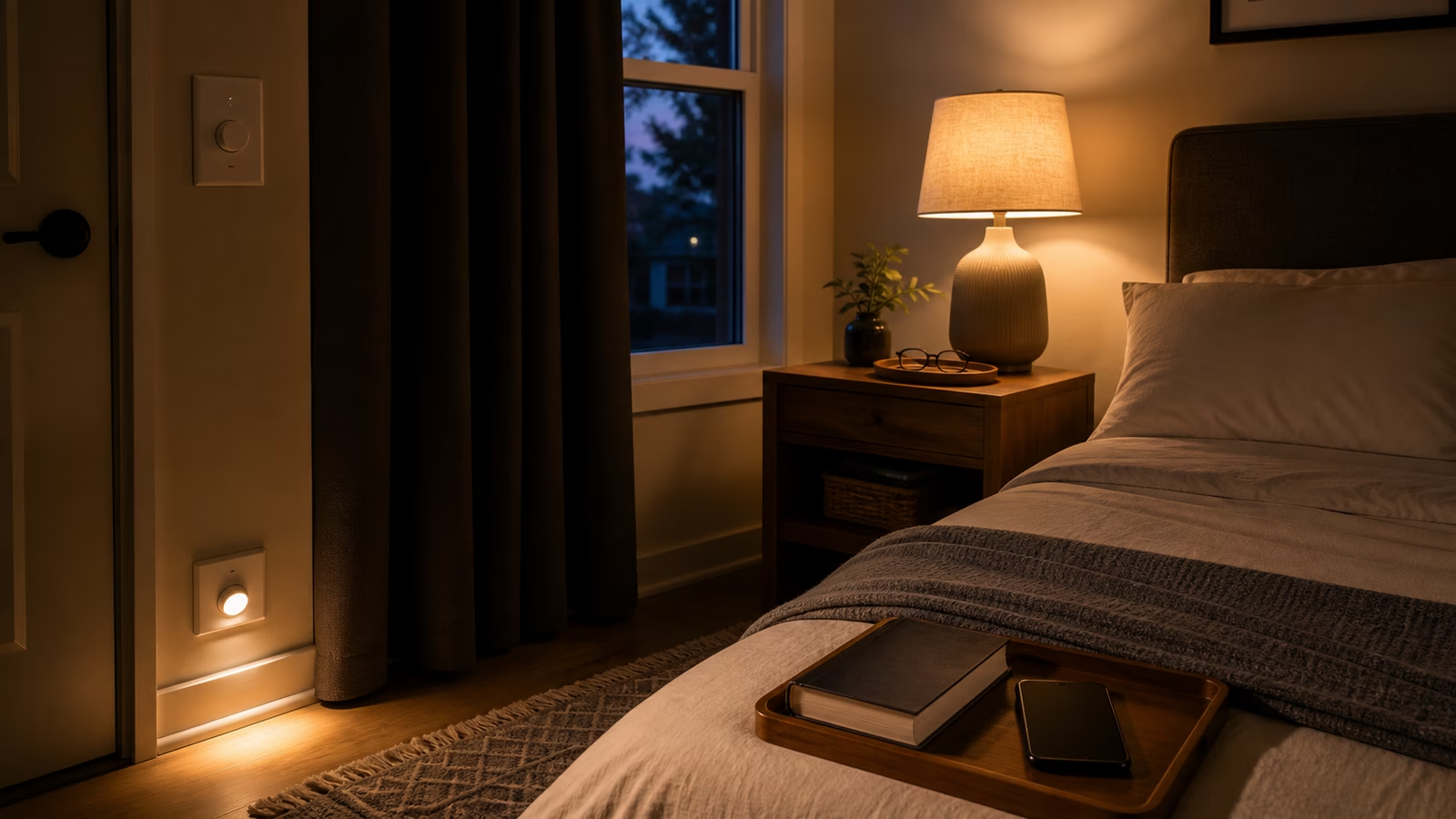
Reading in bed brings objects with it: books, glasses, bookmarks, chargers, hand cream, water, tissues, remotes, and sometimes a notebook. When the nightstand becomes a stack, the lamp gets pushed back, the switch gets harder to reach, and the book lands on the floor. The reading setup should include a landing place, not only a light.
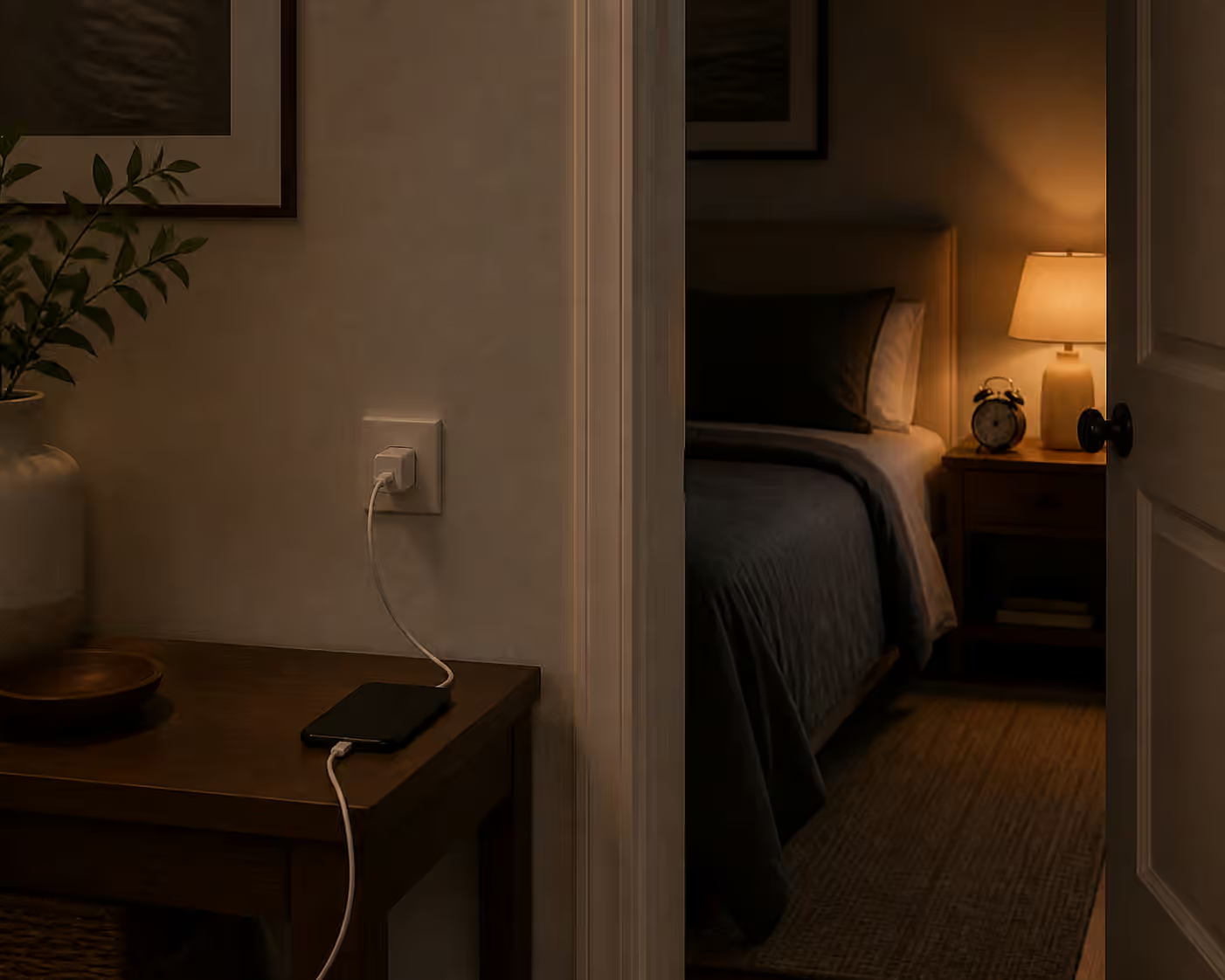
One tray or open shelf can be enough. The important move is to separate things used in bed from things stored near the bed. A book in current use deserves a flat spot. Finished books do not need to live in the switch path. Charging cables should not cross the lamp base or wrap around the water glass. Nightstand Charging and Cables is the companion guide for keeping power useful without letting it take over the bedside.
The same applies to e-readers. If a device is part of the routine, give it a dull, predictable place to charge. Dim its screen before bed rather than after your eyes have adjusted. Turn off attention-seeking notifications. The bedroom does not need to become anti-technology, but it should be honest about which devices are there to support reading and which ones are waiting to interrupt it.
Let the room wind down after the page
A reading setup is successful when it has a graceful ending. The book closes. The reading support moves aside. The lamp turns off without a reach puzzle. The room returns to sleep mode. If the transition is awkward, reading can leave the bed more tangled than it found it.
The easiest fix is to make the last action physical and obvious. A bookmark lives near the lamp. The book lands in the same place. The pillow used for reading has a home on a chair, bench, or side of the bed. The lamp switch can be found without opening your eyes fully. None of this has to look perfect. It only has to be repeatable on a normal night.
Bedside reading is a small setup, but it touches many parts of the room: light direction, nightstand height, pillow support, partner comfort, charging, and clutter. When those pieces cooperate, reading stops being a lighting workaround and becomes a calm part of the bedroom. The page is visible, the room is not overlit, and sleep does not have to fight the equipment that helped you get there.