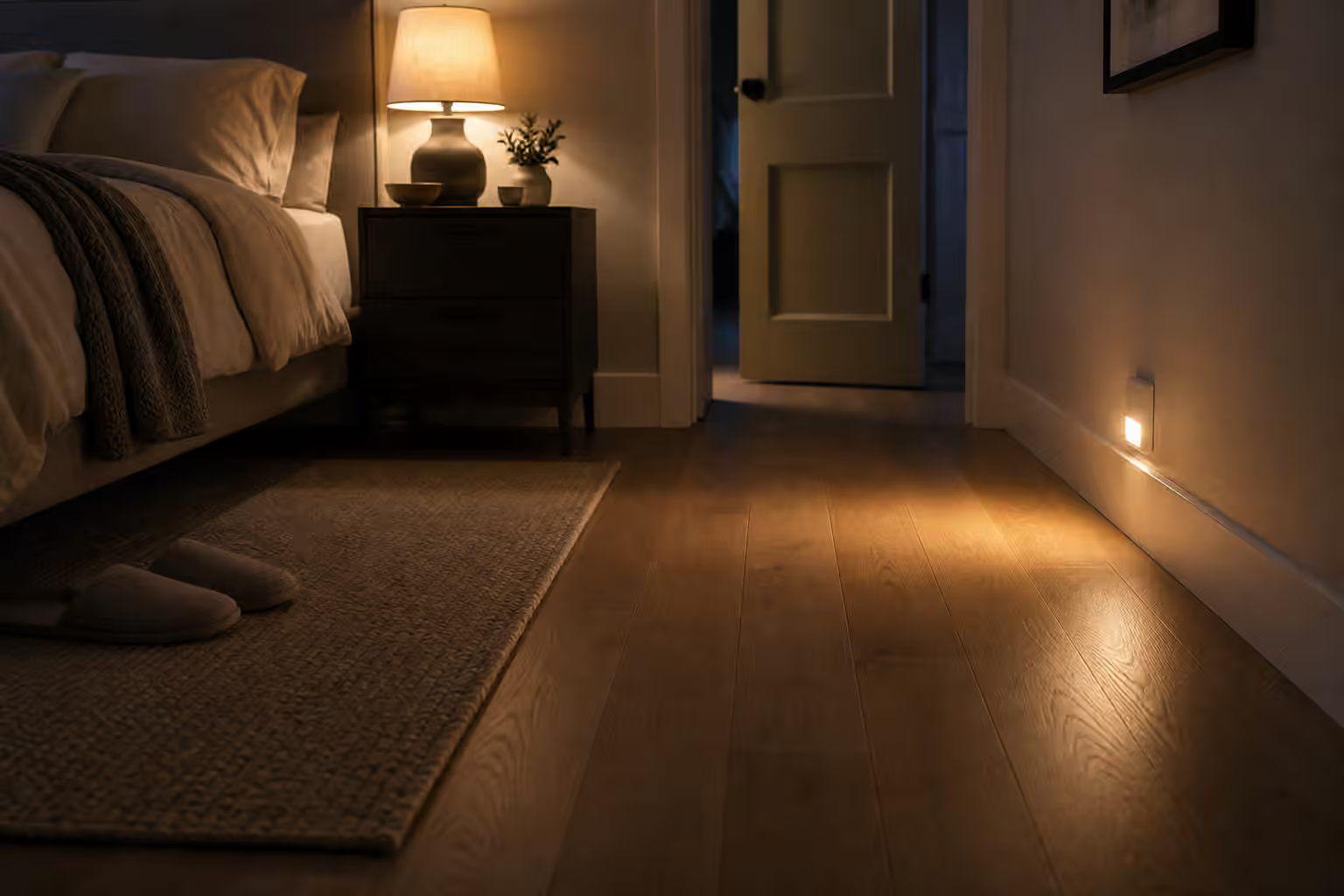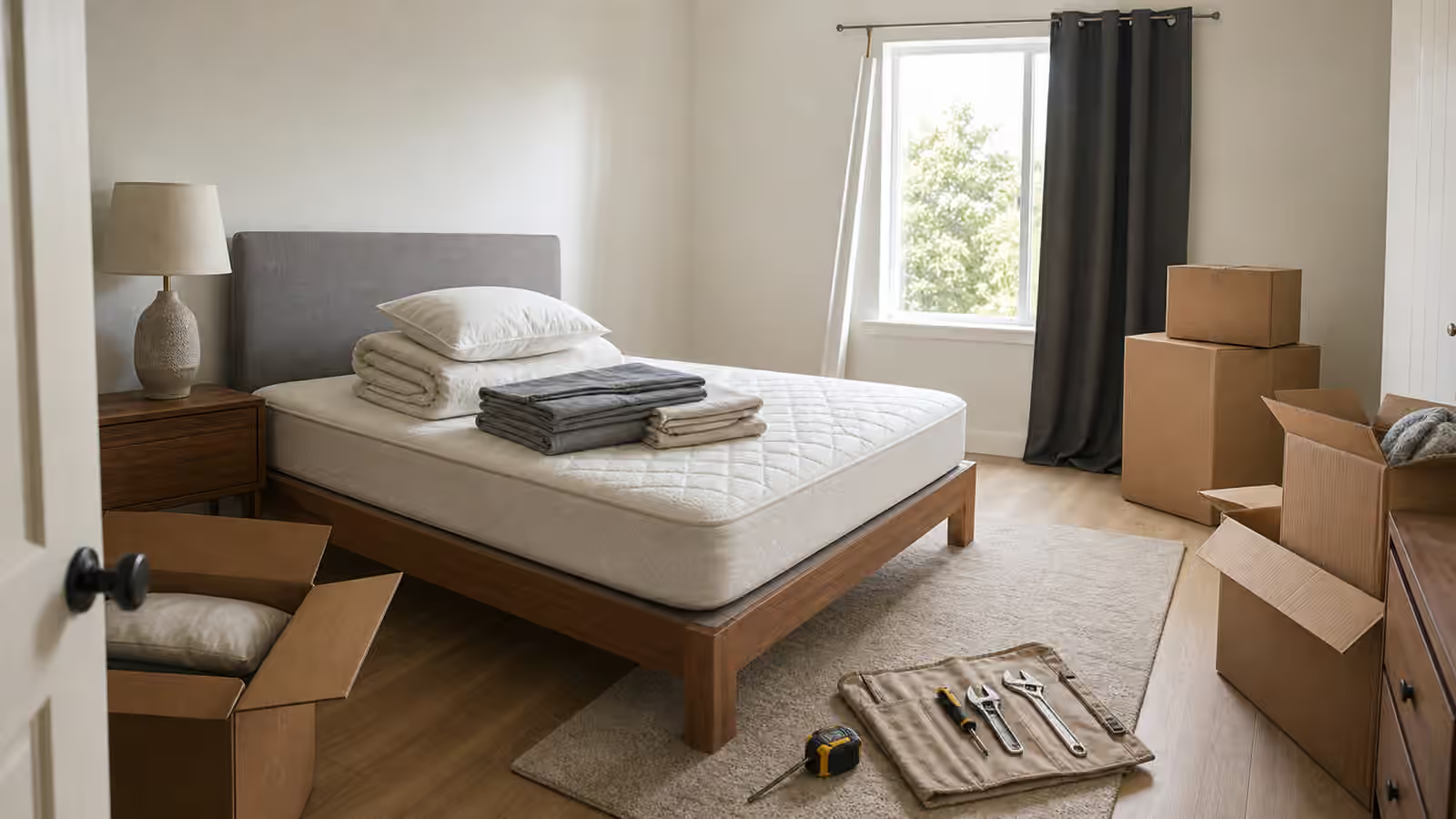
Many bedrooms have to hold more than sleep. They hold a desk, laptop, printer, craft table, school supplies, workout gear, laundry, or a pile of papers waiting for a decision. That does not automatically ruin the room. The problem begins when the workspace has no boundary, so the bed becomes overflow seating, the nightstand becomes a charging hub, and the last thing visible from the pillow is unfinished work. For background, see CDC/NIOSH — Tips to Improve Your Sleep When Times Are Tough .
Bedroom workspace setup is not about pretending a small room is larger than it is. It is about giving the work zone a clear edge and giving the bed enough visual, physical, and electrical calm to remain a bed.
Draw the boundary with furniture first
The strongest boundary is physical. A desk that faces away from the bed, sits in a corner, or has its own wall can feel more contained than a desk aimed straight at the pillow. A shelf, curtain edge, plant stand, low cabinet, or even a clear gap in the floor plan can signal where work stops. The divider does not need to be dramatic. It needs to keep the desk from visually spreading across the room.
In a small bedroom, the best desk location is often the one that protects bed access. A chair should not block the route to the bed. A desk should not force charging cables across the floor. A monitor should not glow toward the pillow. If the bed is already squeezed against a wall, the workspace needs to be especially disciplined because there are fewer paths and surfaces available.
Small Bedroom Layout is a useful companion because a workspace boundary is a layout problem before it is an organization problem. If the bed, door, closet, and desk are fighting the same strip of floor, storage bins will not fix the feeling.
Keep the bed out of the work loop
The bed should not be the default place for sorting papers, folding work clothes, charging devices, reviewing notebooks, or staging tomorrow’s bag. Once the bed becomes the overflow work surface, the room loses its clearest boundary. It also makes the evening reset harder because work materials must be removed before bedding can settle.
Give active work a landing place that is not the bed. A shallow tray on the desk, a closed folder, a small shelf, or a drawer can hold the unfinished state. The goal is not to finish every task before bedtime. It is to contain the evidence of the task so the sleep surface is not carrying it.
This is especially important for laptops. A closed laptop on a desk reads differently from an open laptop glowing from a nightstand. If the computer must charge overnight, route it in the work zone instead of borrowing the bed outlet unless that is the only safe outlet available. Nightstand Charging and Cables covers the bedside side of that decision.
Light should not pull the room back to work
Workspace lighting is usually brighter and more directional than sleep lighting. That is useful at the desk and irritating near the bed. A desk lamp aimed across the room can light the pillow, cast hard shadows, or leave a bright switch visible at night. A monitor or laptop display can do the same even when nobody is working.
Aim task light down and inward. Use a shade, lamp position, or desk orientation that keeps work light in the work zone. If the bedroom is shared, check the view from the other side of the bed, not only from the desk chair. A lamp that feels contained while sitting at the desk may glare from the pillow.
Bedroom Electronics Light and Hum is the guide for small device annoyances. In a bedroom workspace, those annoyances multiply: power bricks, chargers, monitors, speakers, clocks, hubs, and printers all add light or sound if they are left exposed.
Cables need two separate systems
A combined bedroom and workspace often fails through cables. Work cables want length, flexibility, and many devices. Bedside cables want reliability, darkness, and reach. When those two systems merge, the room gets floor loops, overloaded outlets, bright charging blocks, and devices migrating from desk to bed.
Give the workspace its own cable path and the nightstand its own cable path. The desk path can be bundled or clipped along the back of the desk. The nightstand path should stay short and quiet. If there is only one outlet, a carefully placed power strip may be necessary, but it should not sit where bedding, water, or feet interact with it. Follow product instructions and avoid improvising around damaged cords or overloaded equipment.
Cable discipline also helps cleaning. A floor full of loops gathers dust and makes the room harder to reset. Bed-Area Dust Control becomes easier when the work zone is not shedding wires into the sleep zone.
Paper and small objects need a closing move
Digital clutter gets attention, but paper is often what makes a bedroom workspace feel unfinished. Receipts, notebooks, mail, sticky notes, chargers, pens, headphones, and glasses all spread because they are small enough to ignore. The closing move should be simple enough to repeat when tired.
Use one visible container for active desk items and one hidden place for items that are not needed tomorrow. A drawer, lidded box, file pocket, or shelf can work. The exact storage matters less than the rule that the bed and nightstand are not the archive. If the nightstand collects pens, work badges, receipts, and earbuds, Storage and Bedside Setup can help narrow what belongs beside the bed.
The closing move should also include the chair. A chair left angled into the room can block the nighttime path and make the bedroom feel like the workday is still open. Push it in, turn off the desk lamp, close the laptop, and leave the bed area clear.
The morning setup matters too
Bedroom workspace boundaries are often framed as an evening issue, but mornings matter. If the desk setup requires dismantling the nightstand every morning, the boundary will fail. If work materials are buried under bedding, the bed will be disturbed before the day even starts. If the chair blocks closet access, clothes and laundry will migrate onto the bed.
Build a morning path that does not cross the sleep surface. Work bag, charger, notebook, and headphones should have a place that can be reached without using the bed as a staging table. Laundry should have its own route. A small room can handle multiple jobs when each job has a path and an endpoint.
The aim is not a perfect separation. A bedroom with a desk will still look like a bedroom with a desk. The better question is whether the room can shift modes without a struggle. When work ends, the desk can close. When sleep begins, the bed can stay clear. When morning comes, the workspace can restart without pulling the bedding into the task. That is a boundary worth keeping.