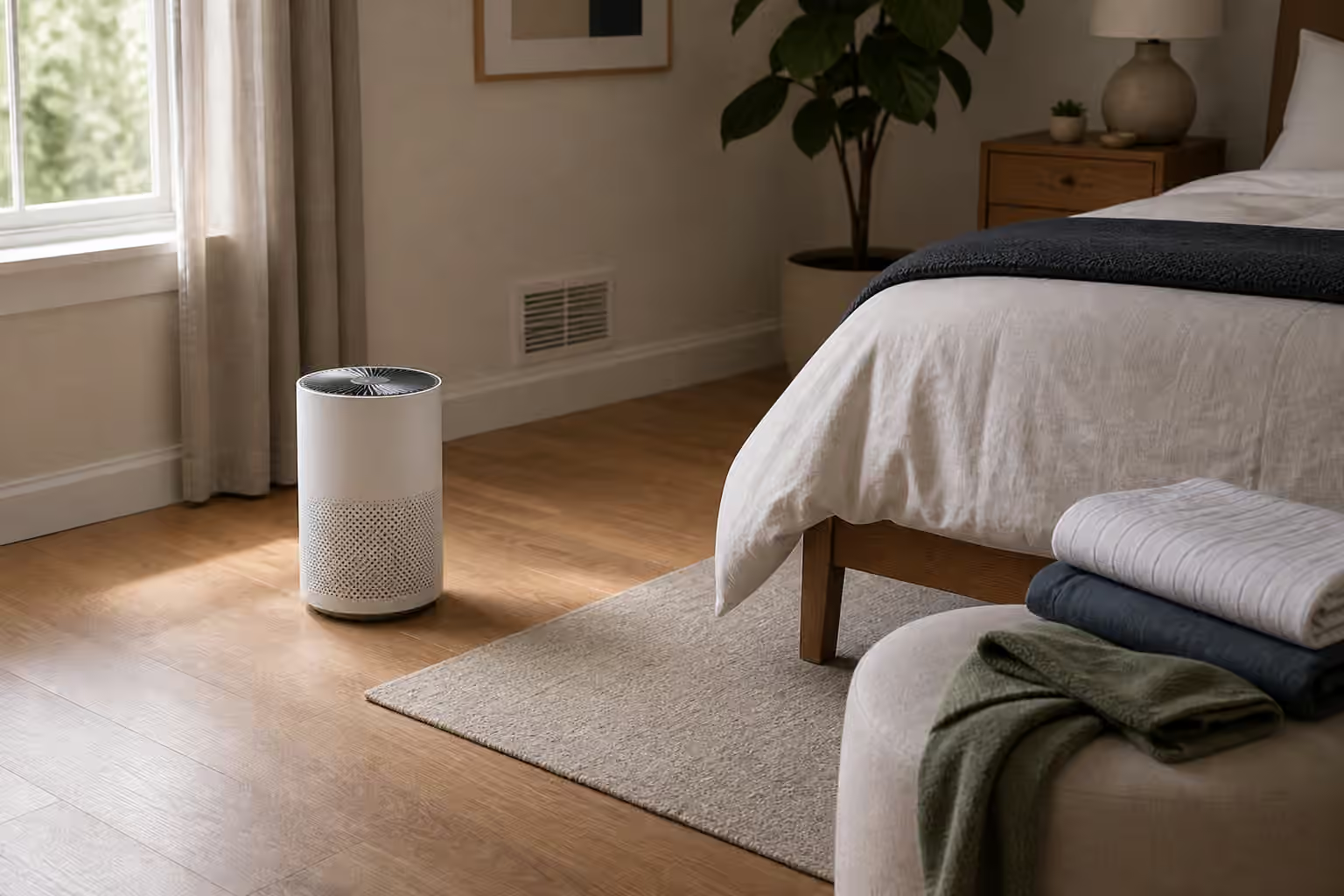
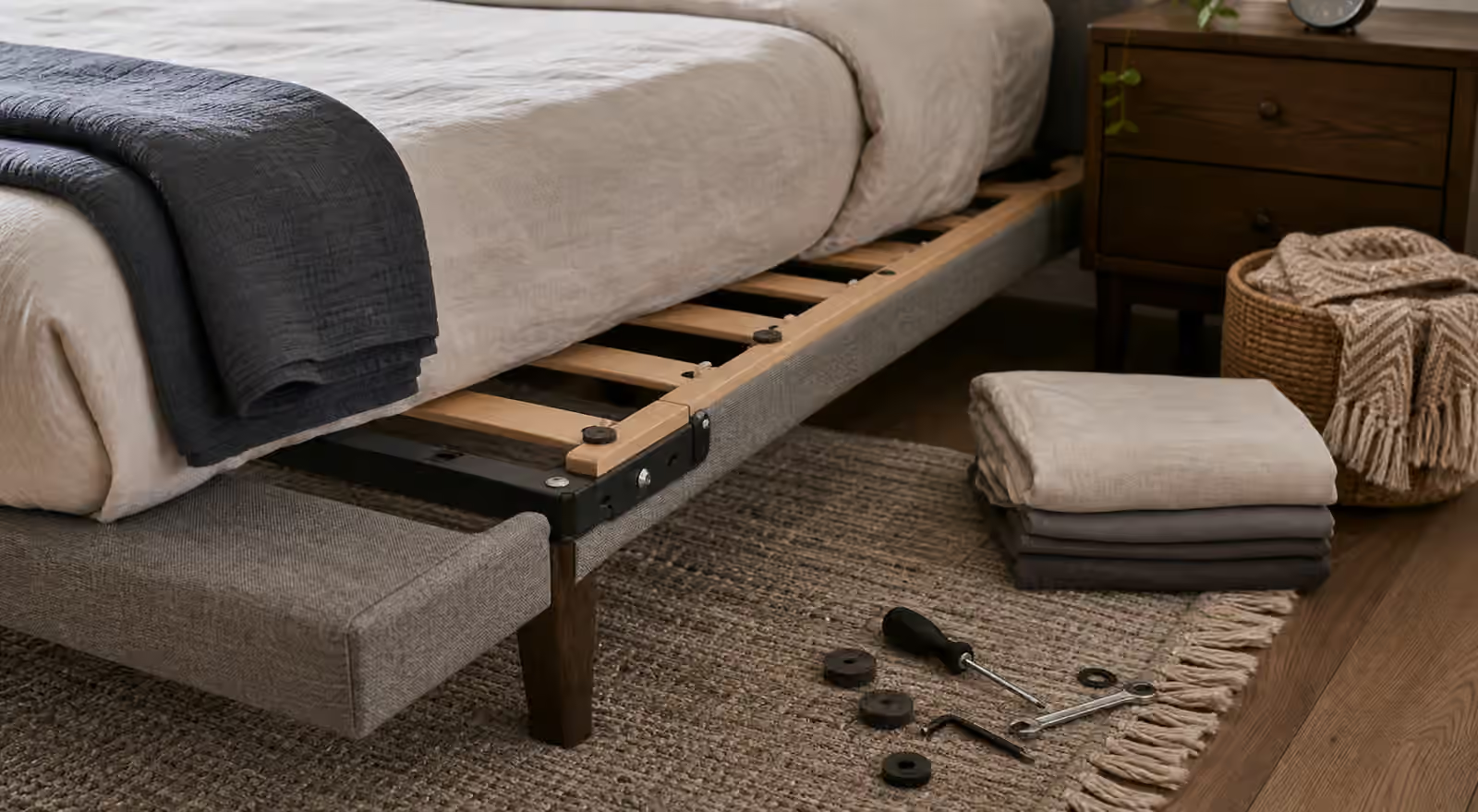
A bedroom should smell like clean fabric, fresh air, and the quiet materials already in the room. When it smells stale, sour, dusty, damp, perfumed, or over-washed, the answer is usually not a stronger fragrance. The answer is finding what the room is holding onto and changing the setup so odors do not keep returning. For background, see EPA — Biological Contaminants and Indoor Air Quality .
Scent is part of sleep comfort because it sits close to the pillow, sheets, mattress protector, hamper, rug, closet, and air path. It is also easy to overcorrect. Candles, sprays, diffusers, heavily scented detergents, and deodorizing products can make a room smell busy without making it cleaner. A better bedroom scent plan starts with sources, then air movement, then laundry, and only then optional fragrance.
Separate Odor From Fragrance
Fragrance can be pleasant, but it should not be asked to hide a maintenance problem. If the room smells stale when the door has been closed, look at airflow and fabric load. If the pillow area smells oily or sour, look at pillowcases, hair products, pillow protectors, and pillow age. If the closet side of the room smells musty, look at damp shoes, laundry timing, exterior walls, and items stored too tightly. If the mattress area smells dusty, look at rugs, under-bed storage, and how often bedding is removed enough for the surface to air.
Bedroom Air Quality Basics is the broader room check, but scent has its own clue value. Odors often identify where the room’s routine is underbuilt. A hamper without enough airflow, a rug that is hard to clean, a mattress protector that traps heat, or a humid corner can all announce themselves before they look messy.
The useful habit is to smell the room at different times. Notice it when you first open the door, after the bed has been slept in, after laundry day, after a shower, and after the window has been closed for several hours. One moment does not tell the whole story. A bedroom that smells fine when aired out but stale by morning probably needs a different closed-room plan.
Make Laundry Do Its Part
Bedding is the largest scent surface in most bedrooms. Pillowcases, sheets, duvet covers, blankets, protectors, and pajamas all collect skin oils, sweat, hair products, lotions, dust, and household smells. If the room scent seems to sit near the bed, laundry rhythm usually matters more than room spray.
Bedding Wash and Rotation covers the practical schedule, but odor control adds a few details. Pillowcases may need more frequent attention than flat sheets because they sit against hair and skin. A duvet cover that looks clean may still hold cooking smells, pet smells, or body oils if it is rarely removed. A mattress protector can be useful, but if it runs warm or plasticky, it may create the very pillow-and-sheet smell you are trying to avoid.
Detergent choice also affects the room. More scent is not the same as cleaner fabric. Heavy fragrance can cling to sheets and compete with sleep, especially in a small room. Too much detergent can leave residue that holds odors or feels irritating. The best wash routine is boring and repeatable: the bedding gets clean, dries fully, fits back on the bed, and does not leave the room smelling like a laundry aisle.
Let The Bed Air Without Turning It Into A Project
Some odor control is simply giving fabric and foam a chance to release moisture before being sealed under layers again. That does not require elaborate rituals. Pulling back the top bedding for a while, opening the door, running a fan, or delaying the full bed-making until the room has had some air can help the bed feel less closed in.
This matters more when the mattress has dense foam, the protector is waterproof, the sleeper runs warm, the room is humid, or the top bedding is heavy. Cooling Bedding Layers and Bedroom Humidity and Dry-Air Comfort both connect to odor because warmth and moisture change how fabrics behave. A cool, dry-feeling bed is not only a temperature preference; it is also easier to keep fresh.
The bed still needs to be practical. If airing the bed means the room looks unfinished all day and gets ignored, the habit will not last. Choose a simple version that fits the household. Pull the duvet halfway down while getting ready. Keep the bedroom door open for a set period. Run a quiet fan across the room. Small routines beat dramatic resets that happen once and disappear.
Watch The Hidden Odor Sources
Bedrooms collect objects that do not look like odor sources until the room is closed. Shoes, gym bags, damp towels, half-full water glasses, snack dishes, trash bins, pet bedding, laundry piles, scented candles with dusty lids, and under-bed storage can all shape the room’s smell. The issue is not moral tidiness. It is that the bedroom has less airflow than a kitchen or entryway, and the nose is close to soft materials for many hours.
Start with items that bring outside or bathroom moisture into the room. Shoes may need a different landing spot. Damp towels should not live on hooks behind a closed bedroom door. Gym clothes need a breathable hamper or a faster route to washing. Trash should be small, lined if necessary, and emptied before it becomes part of the room’s baseline scent.
Under-bed storage deserves a careful pass. Bins can be useful, especially in small rooms, but they reduce access for cleaning and can hold fabric, cardboard, or forgotten items close to the mattress. Bedroom Rugs and Floor Paths is relevant because floors, rugs, and under-bed space decide how dust and dropped items accumulate. A room can smell stale simply because too many soft and stored surfaces are never fully aired or cleaned.
Use Scent Lightly And Deliberately
If the room is clean, dry, and aired, a small amount of scent can be pleasant. It should be easy to remove, easy to reduce, and safe for the household’s own sensitivities and routines. Strong candles, plug-ins, diffusers, incense, sprays, and heavily perfumed laundry can overwhelm a bedroom because the room is small and the exposure is long.
Keep fragrance away from the pillow zone unless you already know it suits you. A scent that feels nice at 7 p.m. can feel intrusive at 2 a.m. Avoid layering too many scented products at once. Detergent, dryer sheets, linen spray, candles, lotion, hair products, and diffusers can create a crowded smell even when each item is mild on its own.
Households with pets, children, respiratory sensitivities, or shared bedrooms should be especially conservative, not because scent is automatically wrong, but because the bedroom is not a showroom. It is a long-use room. If a fragrance requires everyone to tolerate it for hours, it should be treated as a shared choice.
Keep Freshness Repeatable
The best odor control routine is almost invisible. Bedding is washed before it announces itself. The hamper breathes. Shoes and damp towels do not settle near the bed. The rug can be cleaned. The mattress protector supports the bed instead of trapping heat. Air moves through the room often enough that closed-door hours do not create a stale pocket.
Mattress Care and Protectors is useful once the bed itself is part of the scent question. A protector, topper cover, pillow protector, or washable pad can make freshness easier, but only if those layers are actually washed or aired. Adding more covers without maintaining them just adds more fabric to hold odors.
When the room smells off, resist the urge to buy scent first. Remove trash, clear damp items, wash the pillow-facing fabrics, air the bed, check humidity, and clean the floor zone. Then decide whether fragrance is still wanted. A bedroom that smells quietly clean gives every other sleep setup choice a better chance to work.