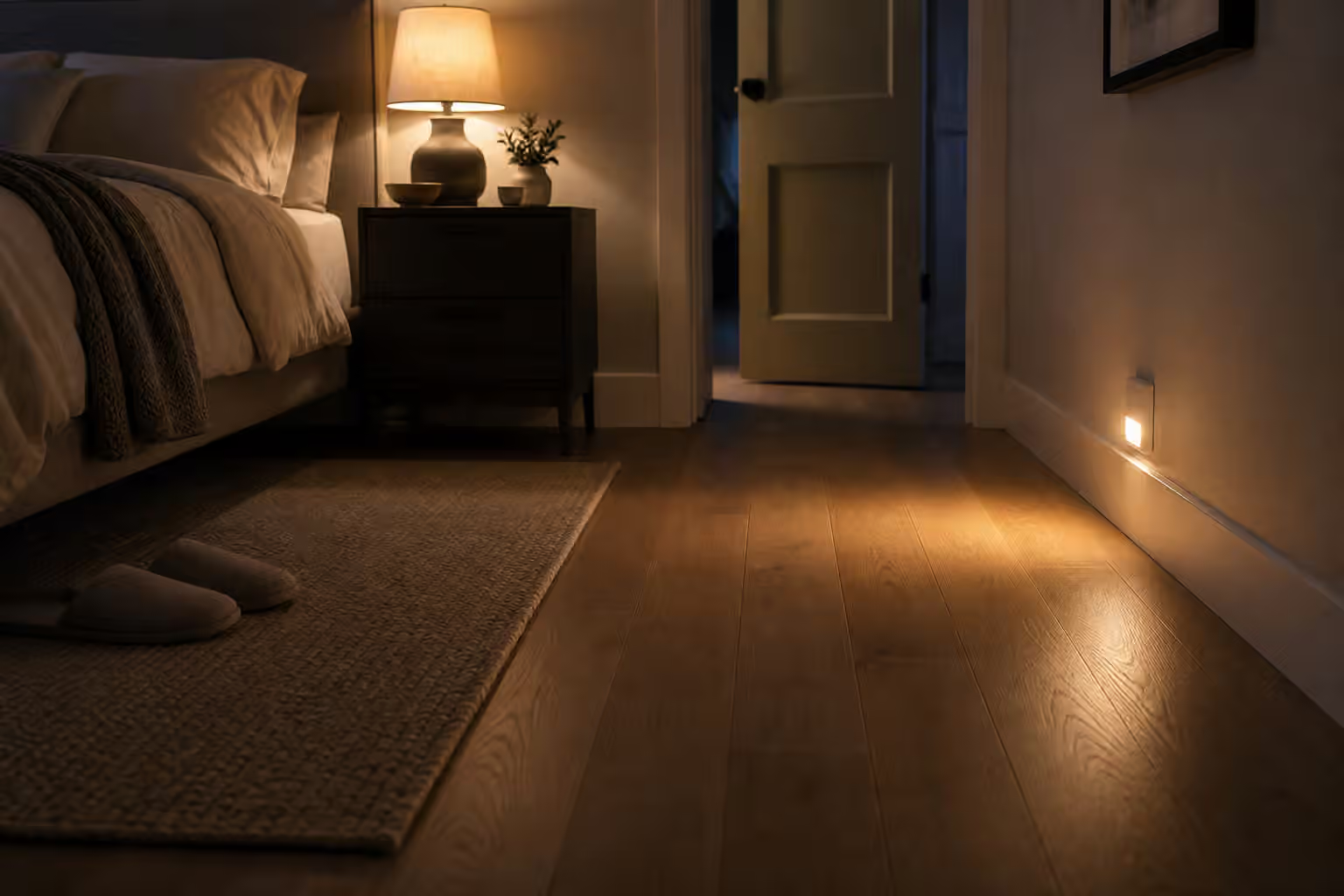
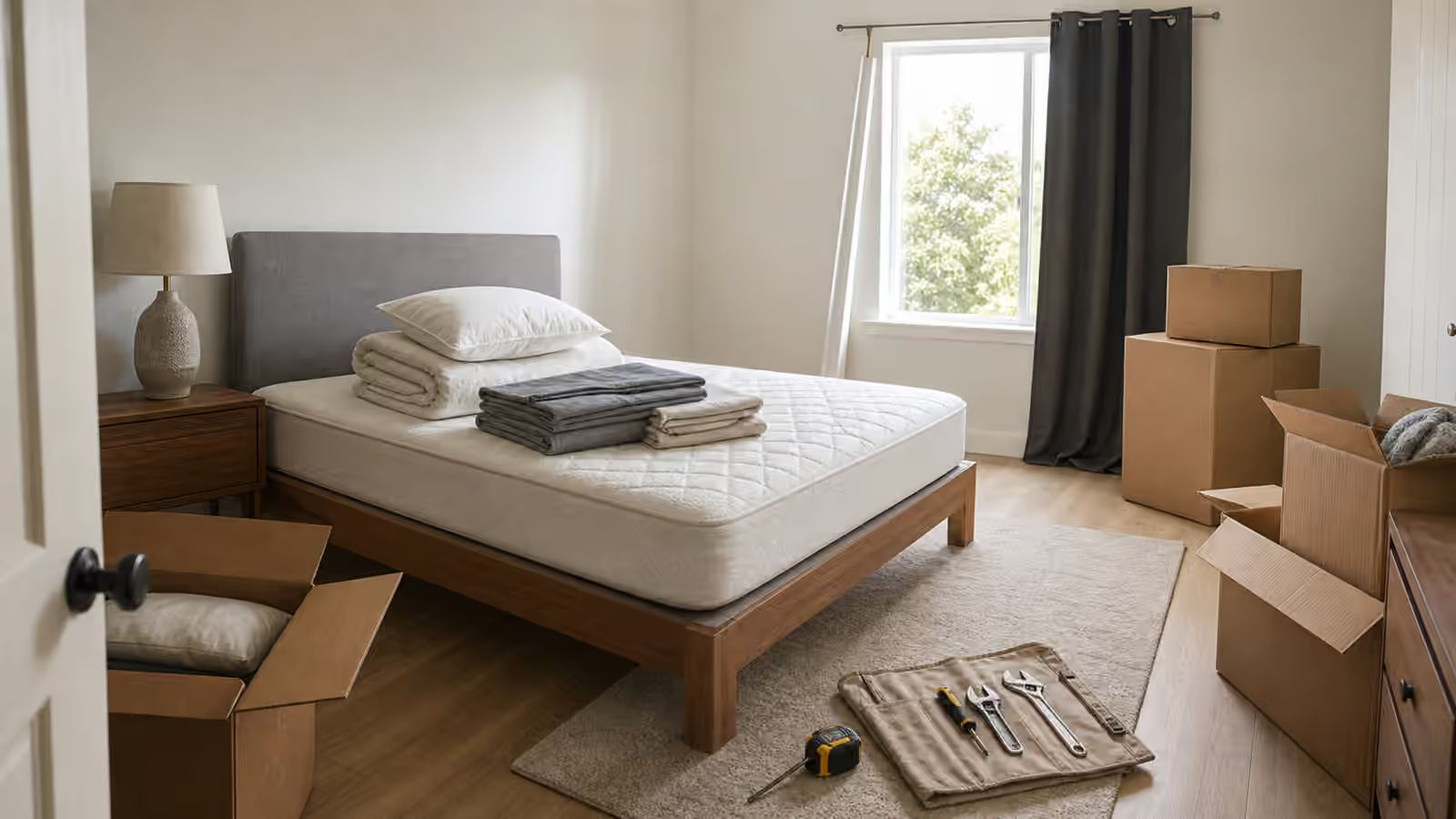
The floor around the bed carries more of the sleep setup than it gets credit for. It is where slippers land, drawers open, fans sit, blankets drag, hampers migrate, chargers fall, pet beds collect, and half-awake people move through the dark. A rug can make that floor quieter and warmer, but it can also create bunching, dust, blocked doors, or a walkway that looks clear only when the room is freshly cleaned. For background, see CDC/NIOSH — Tips to Improve Your Sleep When Times Are Tough .
A good bedroom floor plan is not empty for the sake of minimalism. It is clear where it needs to be clear and soft where softness helps. That means planning the path around the bed before buying a rug, storage bench, fan, hamper, or larger nightstand.
Start With The Night Path
The most important floor path is the one you use when the room is dark. It runs from the bed to the door, bathroom route, light switch, closet, or child or pet check, depending on the household. During the day, you can step around shoes and baskets. At night, those small obstacles become the room’s real design.
Walk the route slowly with the lights dimmed enough to notice shadows and edges. Look for the side of the bed where a slipper always lands, the cable that sags from the nightstand, the drawer that opens into the walkway, the rug corner that lifts, and the hamper that creeps out from its assigned spot. Lighting and Evening Reset covers the visual side of this problem, but the floor deserves its own pass because light cannot fix a path that is physically crowded.
The useful question is not whether the bedroom looks tidy in a photo. It is whether the path survives a normal week. If laundry, books, shoes, packages, and bedding regularly land in the same walking strip, the room is telling you that storage and floor planning are connected. Storage and Bedside Setup is the next guide when objects have no realistic home.
Choose Rug Size By Movement
Bedroom rug advice often starts with proportions, but use should come first. A rug beside the bed can give bare feet a soft landing. A larger rug partly under the bed can visually calm the room and soften sound. Two runners can work when the bed is centered and a full rug would fight doors, vents, or storage drawers. A small accent rug can be useful in a tight room if it does not slide or curl.
The rug should support the bed routine. If two people use both sides of the bed, softness on only one side may make the room feel lopsided. If the bed is against a wall, one good landing zone may be enough. If under-bed drawers are part of the setup, the rug must not block them or bunch under their path. If a door swings across the rug, check clearance before falling in love with thickness.
Small Bedroom Layout is helpful here because a rug can make a mathematically tight room feel either more settled or more crowded. A rug that extends into the main walkway can visually shrink the path. A rug that stops just short of the route can define the bed zone without stealing movement. Tape can show the future rug footprint in the same way it shows a future mattress footprint.
Texture Is A Maintenance Decision
Softness has a cleaning cost. High-pile rugs feel warm and quiet, but they can hold dust, lint, hair, and small objects. Flatweave rugs are easier to clean and less likely to block a door, but they may need a pad to stay put and feel cushioned. Natural fiber rugs can look calm and wear well, but some feel rough under bare feet. Washable rugs are appealing, though larger sizes still need a realistic laundry path and drying plan.
The rug should match the room’s real life. A pet-friendly bedroom may need a lower pile and easier cleaning. A room with under-bed storage may need a rug that tolerates bins sliding nearby. A room with a rolling office chair or luggage stand may need a firmer surface. A guest room may benefit from a low rug that looks welcoming without becoming another item to deep-clean after every stay.
Bedroom Air Quality Basics matters when adding fabric surfaces. Rugs can soften echo and make a room feel less bare, but they also become dust reservoirs if they are not cleaned. A bedroom already full of upholstered furniture, heavy curtains, throws, and open storage may not need another thick textile. In that case, a smaller washable landing rug can be better than a full-room layer.
Keep Airflow And Devices In Mind
The floor is also where air moves. Vents, returns, door gaps, fans, purifier intakes, and under-bed space all depend on clearance. A rug that covers a floor vent, traps a door gap, or makes a fan unstable is solving one problem by creating another. Bedroom Temperature and Airflow should guide rug placement in rooms that already feel stuffy or uneven.
Under-bed airflow is easy to forget. Storage bins, bed skirts, thick rugs, and low frames can all change how dust and air behave beneath the bed. That does not mean every bed needs open space underneath, but the choice should be deliberate. If the room feels stale, the floor plan should be checked before buying another fan or purifier.
Cables belong in the floor conversation too. A rug should not hide an unsafe cord path or make it harder to notice a charger pulled loose. If a lamp, fan, purifier, humidifier, or sound machine needs power, route the cord along a wall or furniture line instead of across the walking area. Nightstand Charging and Cables handles the bedside details, but the same rule applies across the room: the floor path should remain visible and boring.
Use Soft Surfaces For Sound Without Overpromising
Rugs and textiles can reduce echo and soften footsteps. They can make a hard bedroom feel less sharp and help a white-noise machine blend into the room. They do not soundproof a wall, erase traffic, or solve structural noise. That distinction keeps the setup honest.
If the problem is echo inside the room, a rug, curtains, upholstered headboard, or textile layer may help the room feel quieter. If the problem is hallway noise, a door gap or sound masking may matter more. If the problem is shared-wall impact, bed placement and furniture on that wall may matter more than a rug beside the bed. Renter-Friendly Blackout and Noise is useful because rugs are often one of several reversible fixes, not the entire answer.
Sound choices should still respect cleaning and movement. A thick rug that quiets the room but catches every door, blocks drawers, and collects dust will not stay welcome. A flatter rug with a good pad may be less dramatic but easier to live with.
Put Furniture On The Path Test
Rugs reveal whether furniture is in the right place. A nightstand that sits half on and half off a rug may wobble. A bench at the foot of the bed may look useful until it steals the only clear route to the closet. A hamper may need to move closer to the real undressing spot. A floor lamp may be better replaced by wall-mounted or clip lighting if its base crowds the path.
Test furniture with the bed unmade, drawers open, laundry in hand, and the door moving. That is the room in use. If a rug only works when nothing else is happening, it is too large, too thick, or in the wrong place. If a path only works when the hamper is empty, storage is underbuilt. If a fan only works by sitting where feet need to go, the airflow plan needs a different device or placement.
Bed Height and Nightstand Reach connects here because vertical and floor decisions meet at the bedside. A tall bed changes where feet land. A low bed changes blanket drop. A thick rug changes the step down. A nightstand that is easy to reach may still fail if its legs sit awkwardly on the rug edge.
The Good Floor Setup
A good bedroom floor setup feels uneventful. The first step out of bed is soft enough if that matters to you. The main path is clear in the dark. Doors open. Drawers open. Fans and purifiers sit stable. Cables do not cross the route. Rugs do not curl at the corners. The room can be cleaned without dismantling half the layout.
Buy the rug after you understand those movements, not before. The right rug is not the largest one that fits or the softest one in the store. It is the one that makes the bed zone calmer while preserving the path that lets the bedroom work every day.