Humidity is one of the quiet reasons a bedroom can feel wrong even when the bed looks right. The sheets are clean, the pillow is familiar, the room is dark enough, and the temperature seems reasonable, yet the air still feels scratchy, clammy, stale, or heavy. People often blame the mattress first because the mattress is the biggest object in the room. Sometimes the real problem is moisture.
This guide is about room setup and comfort, not medical diagnosis. Dry air, damp rooms, congestion, allergies, skin irritation, asthma, mold, and sleep disruption can cross into health territory quickly. If symptoms are persistent, severe, or connected to visible mold, water damage, breathing problems, or illness, treat that as a professional health or building issue. For ordinary bedroom setup, though, humidity is worth understanding because it changes how temperature, bedding, airflow, and cleaning feel.
The simplest way to think about humidity is that air can hold moisture, and your body notices whether that moisture level fits the season, the bedding, and the room. Too dry and the room may feel sharp, static, dusty, or dehydrating. Too humid and the same temperature can feel warmer, heavier, and less fresh. The bedding may hold moisture longer. A closed bedroom can feel used up by morning. The fix is rarely one gadget by itself. It is usually a room system.

Measure before guessing
An indoor thermometer-hygrometer is one of the least glamorous and most useful sleep setup tools. It gives you a number for temperature and relative humidity instead of forcing you to guess from discomfort. Without measurement, people often buy the wrong device. They add a humidifier to a room that is already damp, or they run a dehumidifier when the real issue is stale air and heavy bedding.
The number does not tell the whole story, but it gives the conversation a floor. Notice morning and evening readings. Notice what happens after a shower nearby, after closing the bedroom door, after running heat, after opening a window, after using a fan, and after changing bedding. A single reading is less useful than a pattern.
Bedroom Temperature and Airflow covers the heat and circulation side. Humidity sits beside that guide because moisture changes how temperature feels. A room can be technically cool and still feel clammy. A room can be warm and dry enough to feel scratchy. Comfort comes from the combination.
Dry winter air needs restraint
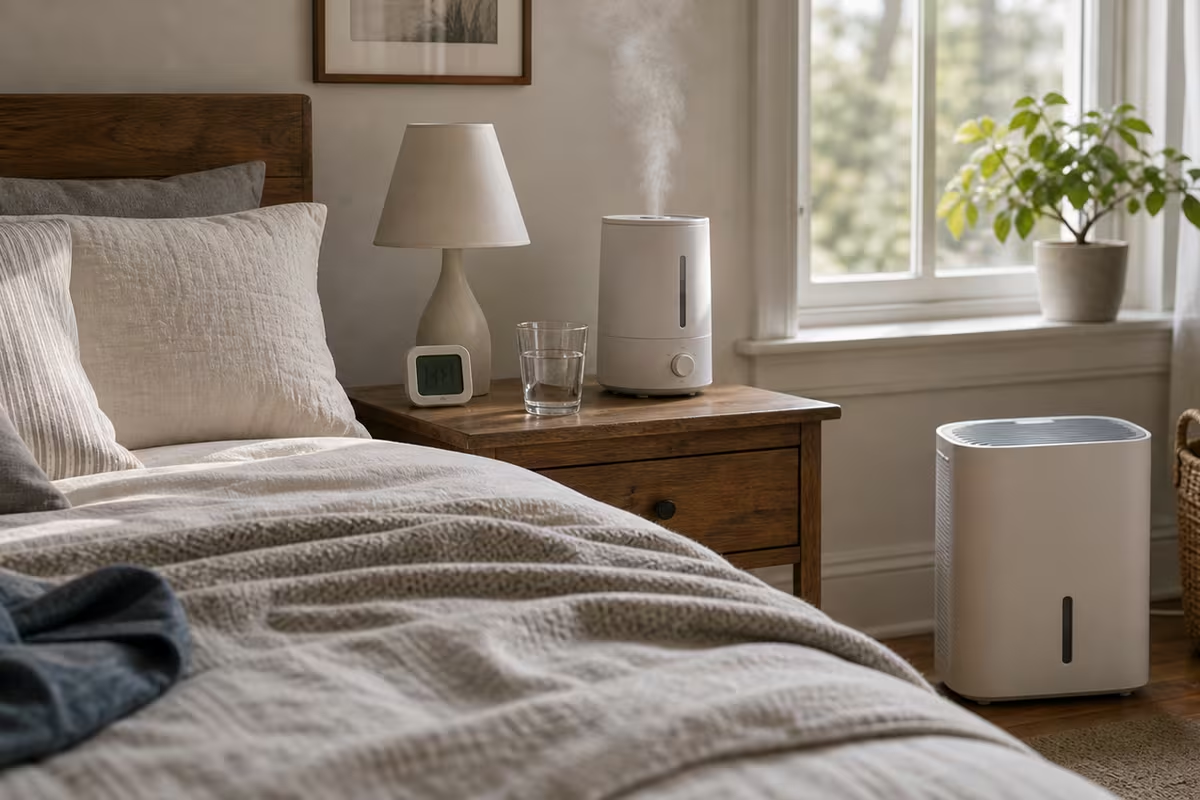
In cold seasons, heated indoor air can feel dry. People respond with humidifiers, bowls of water, more plants, or simply heavier bedding because the room feels harsh. A humidifier can help in the right context, but it is not a set-and-forget object. It needs cleaning, fresh water, sensible placement, and attention to the room’s actual humidity.
Too much added moisture can create new problems. Windows may show condensation. Corners may feel damp. Dust can settle differently. A humidifier placed too close to bedding can make fabric feel cool or moist. A device that is hard to clean may become something you avoid maintaining, which defeats the purpose.
The better habit is gentle adjustment. Measure first. Run the humidifier only as needed. Keep mist away from walls, books, electronics, and bedding unless the device instructions say otherwise. Clean it according to the manufacturer. Empty and dry parts when not in use. If the room reaches a comfortable range, stop treating moisture like a contest to win.
Dry air also changes bedding choices. Flannel, fleece, heavy comforters, and thick synthetic layers may feel cozy, but they can trap heat while the air still feels dry. Sometimes the answer is not more blanket. It is softer sheets, a breathable top layer, a properly maintained humidifier, and a room that is not overheated.
Damp rooms need sources named
A humid bedroom may be caused by weather, poor ventilation, a nearby bathroom, drying laundry indoors, a basement location, a poorly sealed window, water intrusion, too many plants, or an HVAC pattern that does not move enough air. A dehumidifier may help, but it should not become a way to ignore a leak or building problem.
Start by naming sources. Does humidity rise after showers? Does the room share a wall with a damp area? Are windows wet in the morning? Is the closet musty? Does bedding dry slowly after washing? Does the room feel worse with the door closed? Is furniture tight against exterior walls? These observations matter because moisture is not only a number. It has paths.
If there is visible mold, water staining, persistent musty odor, or damp material, the issue is no longer only sleep setup. It needs building attention. For ordinary seasonal dampness, improve airflow, avoid drying laundry in the bedroom, keep bedding from staying bunched, and consider a properly sized dehumidifier that is easy to empty and clean.
Bedding can hide moisture
Bedding is part of humidity comfort because fabric stores and releases moisture. A mattress protector that does not breathe well can make the bed feel warmer or clammy. Heavy duvets can trap moisture near the body. Pillows can hold humidity differently depending on fill and cover. Sheets that feel crisp in a dry room may feel sticky in a damp one.
Before buying a machine, simplify the bed. Try a lighter top layer. Let bedding air out before making the bed tightly. Wash and dry sheets fully. Check whether the mattress protector is contributing to heat or moisture. Rotate seasonal bedding instead of using the same heavy stack year-round. Cooling Bedding Layers is a useful companion because heat and humidity often travel together.
Couples may notice humidity differently. One person may sleep warm and add moisture to the bed faster. Another may prefer heavier layers. Split bedding can help because it lets each side manage warmth and airflow without turning the whole bed into a compromise. Split Bedding and Blankets applies here even when the issue is not blanket stealing but moisture comfort.
Airflow keeps moisture from pooling
A fan does not remove moisture from the room the way a dehumidifier does, but airflow can keep comfort from collapsing in one corner. Air movement helps bedding dry, reduces stagnant pockets, and makes a room feel fresher. The goal is not always direct air on the face. Sometimes the best setup moves air gently across the room, keeps vents clear, and leaves a return path under or around the door.
Closed bedrooms can trap moisture overnight. If privacy and household conditions allow, a slightly open door or better return path may help. In other rooms, the fix may be a quiet fan, clearer under-bed space, less furniture blocking vents, or a schedule that runs HVAC circulation before bedtime.
Airflow also protects maintenance habits. Bedding that dries fully is easier to keep fresh. A closet with some breathing room is less likely to smell stale. A mattress on a suitable foundation with air space underneath may behave better than one sealed into a damp corner. Small layout choices add up.
Choose devices you will maintain
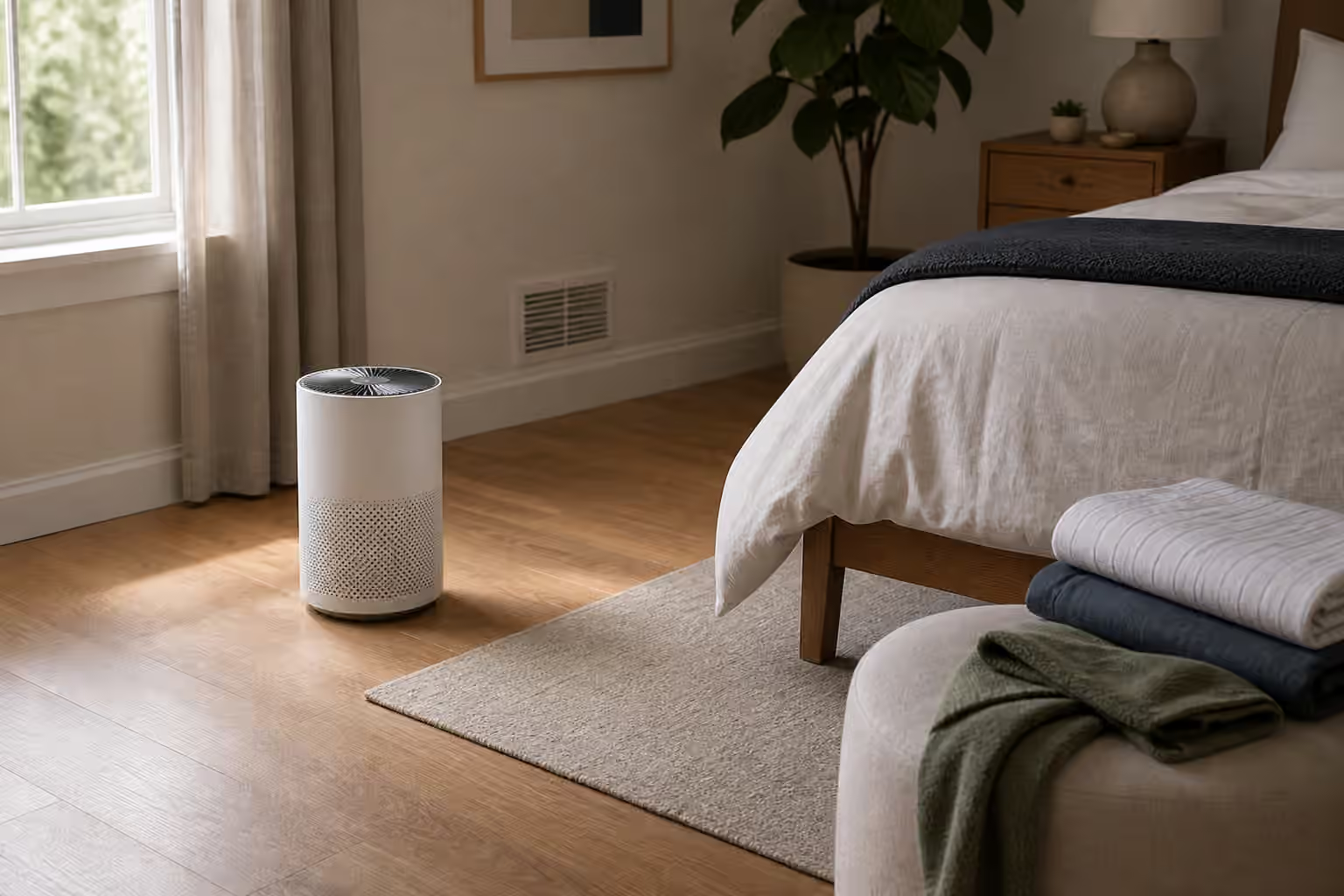
Humidifiers and dehumidifiers are maintenance objects. A beautiful device that is annoying to clean will become a problem. A dehumidifier with a tiny tank may be ignored once emptying it becomes irritating. A humidifier with hard-to-reach parts may not be cleaned often enough. A device that is too loud may be turned off exactly when it would help.
For bedrooms, compare noise, cleaning access, tank size, automatic shutoff, controls, filters if any, and where the device will sit. Think about the path from sink to bedroom. Think about cords and nightstand clutter. Think about whether the device can be cleaned on a weekday when nobody feels like doing extra chores.
The best device is not always the strongest. It is the one that fits the room, changes the moisture level gently, and can be maintained without drama. The wrong device can make the room wetter, louder, brighter, or more complicated than before.
Seasonal comfort is a rhythm
A bedroom humidity setup should change with the year. Winter may ask for moisture restraint and softer bedding. Summer may ask for dehumidification, lighter layers, and better airflow. Shoulder seasons may change week by week. Travel, guests, laundry habits, and new furniture can change the room too.
This is why a seasonal reset works better than one permanent answer. Check the monitor. Wash and rotate bedding. Clear vents. Clean devices before storage. Notice whether the room smells fresh when you enter. Notice whether windows show condensation. Notice whether the bed feels dry by evening. These observations are plain, but they are more reliable than buying another sleep product because the room vaguely feels wrong.
A good sleep setup is not a showroom. It is a working room that supports the body through changing weather. Humidity is part of that work. When moisture is balanced, bedding feels more honest, airflow makes more sense, and temperature decisions get easier. The room stops asking you to solve the same discomfort every night.