Bedroom doors rarely get the attention given to windows, mattresses, and curtains, but the door is often where the room leaks. Hallway light slides under it. Sound travels around it. Air moves through the gap. Morning routines begin on the other side. A door that works perfectly for privacy during the day may still make the bedroom feel unfinished at night. For background, see CDC/NIOSH — Tips to Improve Your Sleep When Times Are Tough .
This guide is about small, reversible setup choices. It is not about fire codes, rental law, structural soundproofing, or major door replacement. Those topics vary by building and should be handled with appropriate professional or landlord guidance. For ordinary sleep setup, the goal is to notice what the door gap is doing before buying another curtain, sound machine, or blanket.
Find What The Door Is Actually Leaking
A door problem can look like a window problem or a noise problem until you test it. Check the room at the time the disturbance happens. Hallway light at bedtime behaves differently from early morning bathroom light. Kitchen sounds are different from footsteps. Winter drafts are different from the stale feeling of a closed room. The door may be leaking one thing, several things, or nothing important at all.
Turn off the bedroom lights and look at the door edges. Notice the bottom gap, latch side, hinge side, and any glass or vent nearby. Then listen from the bed. Is the sound coming through the gap, through the wall, from the floor, or from the room itself echoing? Place a hand near the bottom on a cold or windy night if drafts are the concern. A quick observation can prevent the common mistake of buying blackout curtains for a hallway-light problem.
Blackout Curtains Guide covers window edge leaks. The door deserves the same logic. First find the leak. Then choose the fix that matches it.
Bottom Gaps Need Flexible Thinking
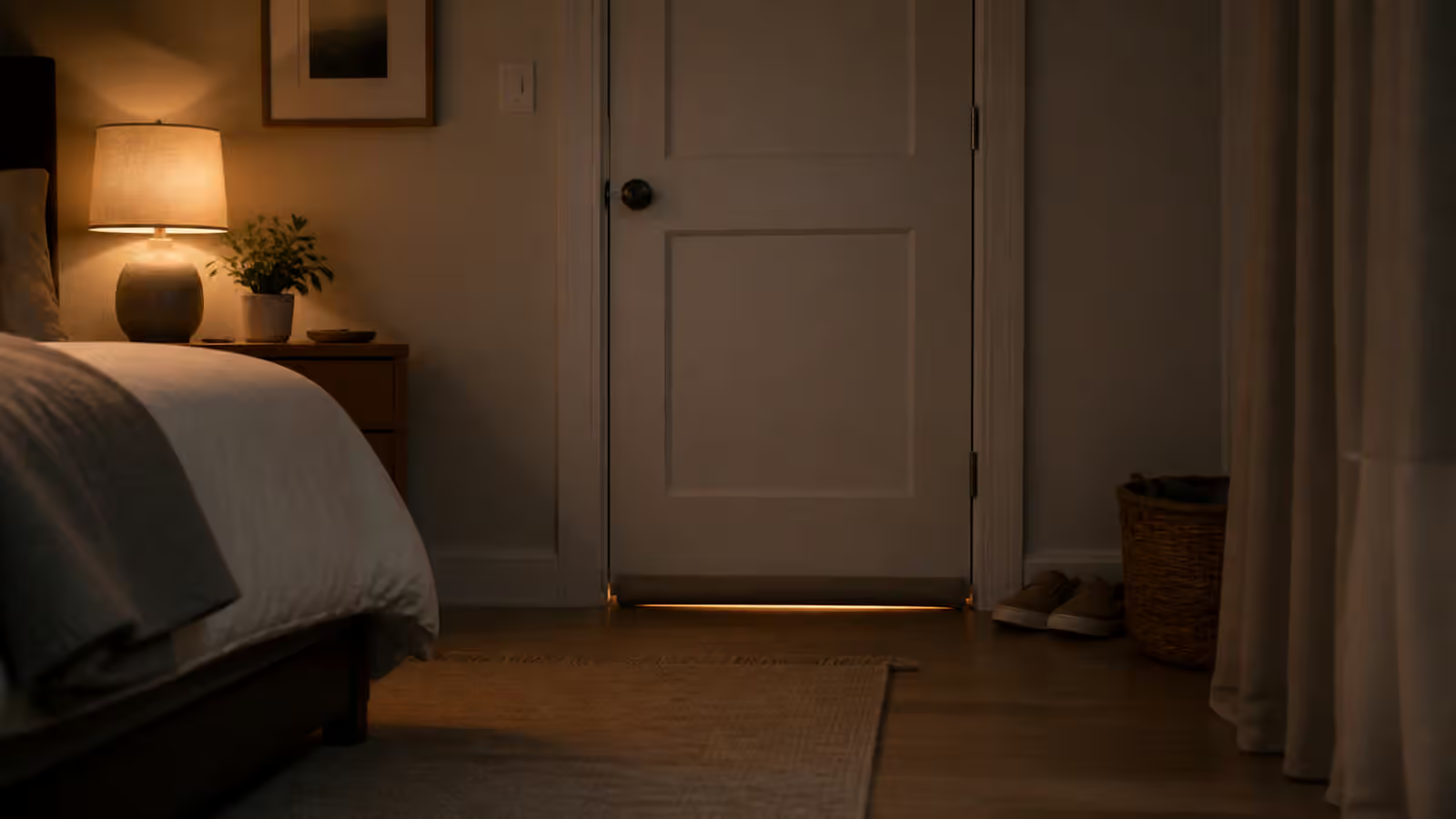
The bottom gap is the usual suspect because it is visible and easy to test. A draft stopper, door snake, rug, threshold seal, or door sweep can reduce light and air movement. The right choice depends on whether the door swings freely, whether the floor is carpeted, whether the room needs airflow, and whether the fix must be renter-friendly.
A loose draft stopper is simple and reversible. It can block light and soften a draft, but it has to be placed every night unless it stays attached. A door sweep is more integrated, but it may rub on rugs or floors and may not be allowed in every rental. A rug can soften sound and reduce the feeling of cold air near the door, but it should not catch the door or create a curled edge in the night path. Bedroom Rugs and Floor Paths matters because a door fix that trips the path has failed the room.
Be cautious about sealing a room completely. Bedrooms often depend on some return air path for heating, cooling, ventilation, or pressure balance. If the room becomes stuffy, humid, or hard to heat after sealing the bottom gap, the fix may be too aggressive for the space. Bedroom Temperature and Airflow gives the larger room-system context.
Door Sound Is Not One Problem
Sound around a bedroom door can come from the gap, the door slab, the frame, the hallway floor, the latch, or household routines. Softening one part may help, but a draft stopper will not turn a hollow door into a studio wall. That distinction keeps expectations reasonable.
If the issue is voices or television leaking through the bottom gap, a sweep or draft stopper may reduce the sharpness. If the problem is footsteps on a hallway floor, a runner outside the bedroom may matter more, if the household can change it. If the latch clicks loudly, a careful hardware adjustment or quieter closing habit may help more than another sound machine. If the room itself is bare and echoing, soft furnishings inside the bedroom may make outside sound less noticeable. Bedroom Acoustics and Echo Control is the broader guide for that.
White noise can be helpful, but placement matters. A sound machine near the door may mask hallway sound better than one buried behind pillows. It should not be so loud that it becomes a new irritation. White-Noise Machine Guide is useful when the door is only one part of a sound pattern.
Hallway Light Often Needs A Household Fix
Door light is not always solved at the door. Sometimes the best solution is a lower hallway night light, a warmer bulb, a motion light aimed away from the bedroom, a bathroom door habit, or a dimmer routine. If the hallway blasts bright light every time someone wakes, a bottom draft stopper may reduce the line under the door but not the glow around the frame or the disruption when the door opens.
Shared homes and couples need agreements that become physical. The earlier riser may stage clothes outside the bedroom. A child check may use a small hallway light instead of the ceiling fixture. A late reader may use a directional lamp. A door left cracked for pets may need a different light plan than a fully closed door. Shared Bedroom Light and Schedule covers those negotiations. The door gap is often just the visible edge of a repeated routine.
Inside the bedroom, keep the night path legible. If a draft stopper is used, it should have a consistent home and not become an object kicked into the hallway. If a rug is added, it should sit flat. If a lamp near the door becomes part of the solution, its cord should not cross the exit. The small fix has to survive a tired person using it.
Drafts Can Point To Bigger Room Patterns
A cold line under the door may be a simple hallway draft, but it can also reveal pressure differences in the home. Heating and cooling systems move air from room to room. Closing a bedroom door can change airflow, temperature, and humidity. A door bottom that feels cold may not mean the door itself is the only problem. It may mean the hallway is cold, the bedroom is losing heat at a window, or air is being pulled through the room.
Window Drafts and Condensation is worth reading if the door draft appears alongside cold glass, damp sills, or temperature swings. Bedroom Humidity and Dry-Air Comfort is useful if sealing the door makes the room feel clammy or stale. Light, sound, air, and moisture are separate sensations, but the room handles them together.
The practical answer is usually modest. Reduce the most annoying leak without trying to make the bedroom airtight. Keep enough airflow for the room to feel fresh. Use fabric and placement to soften noise. Adjust hallway light when possible. Make the door close easily and quietly.
Let The Door Become Boring Again
A good door setup is not dramatic. The door closes without a slam. The latch does not wake anyone. The bottom gap does not draw a bright line across the floor. The room does not become stale because every gap has been sealed. The floor path remains clear. The fix is easy enough to use that it does not become another bedtime task.
If the disturbance keeps returning, name it more precisely. Is it light, sound, air, movement, or routine? A clear answer keeps the purchase small. The bedroom door is not the whole sleep setup, but it is one of the places where the rest of the household touches the room. Treating it carefully can make the bedroom feel more settled without rebuilding anything.