Bedroom air quality starts with ordinary upkeep: ventilation, dust control, humidity awareness, laundry, and fewer dust-collecting surfaces.
An air purifier can be useful, but it should fit the room and your maintenance habits.
This guide is about bedroom setup, not medical advice. If you have persistent symptoms, water damage, suspected mold, combustion concerns, or a severe indoor-air problem, use a qualified professional instead of trying to solve it with a gadget.
Inspect the room first
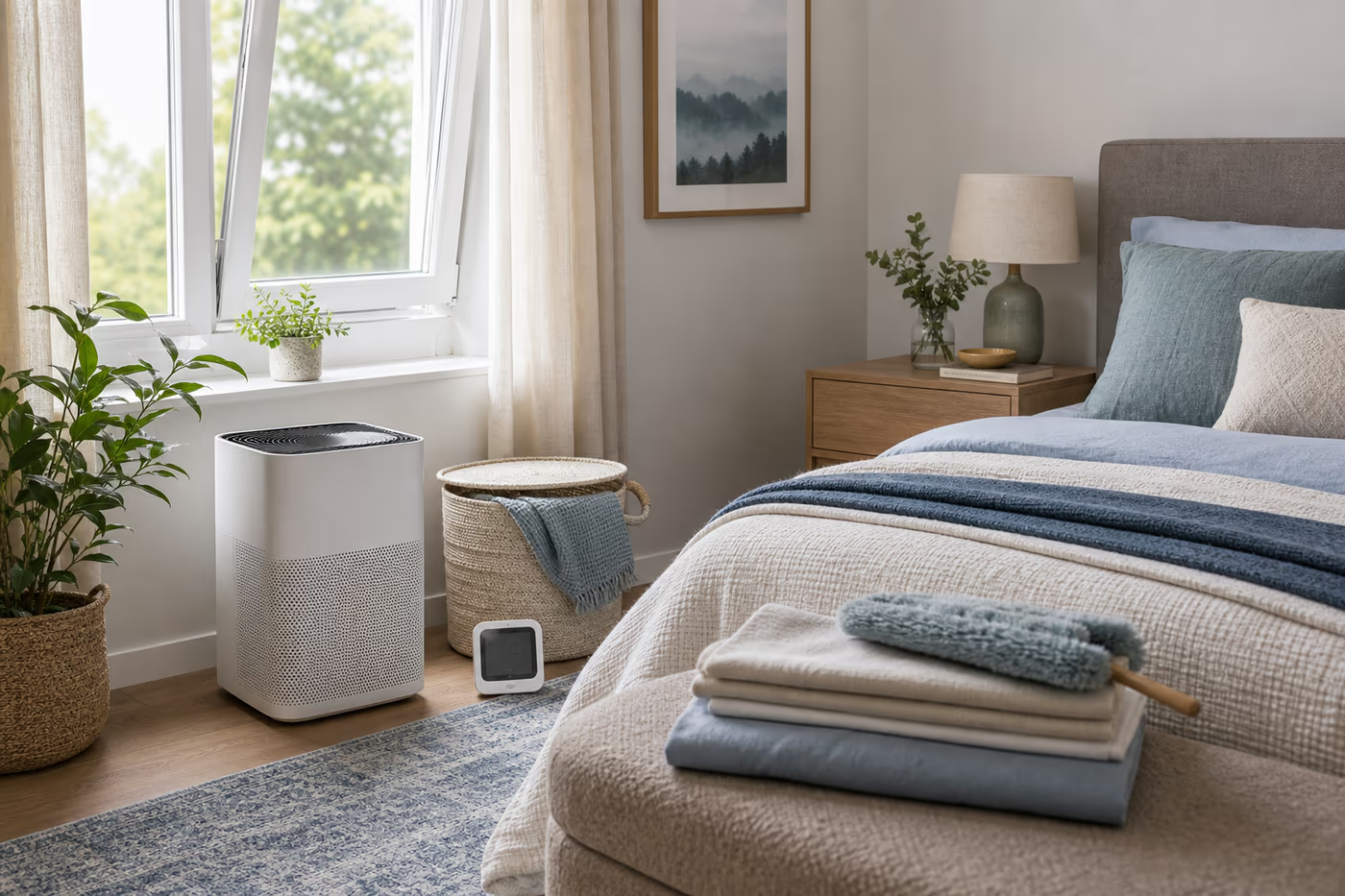
Look for dust on shelves, blinds, fans, vents, and under the bed. Notice how often sheets, pillowcases, protectors, throws, and pet bedding are actually washed. Check whether windows and doors can ventilate the room at useful times. Watch for humidity swings, condensation, stale air, damp closets, and musty smells. If a purifier is already in the room, include filter cost and replacement habits in the audit.
Work through the cheap physical fixes before judging a device. Clear air paths by moving furniture away from vents, returns, purifier intakes, and windows. Reduce dust reservoirs by vacuuming under the bed, dusting blinds and fan blades, and washing throws. Manage laundry on a realistic schedule because bedding is a large fabric surface in a small room. Watch moisture carefully, because dampness is a setup problem before it is a shopping problem. Add filtration only when the room still needs help and you will maintain the filter.
Air purifier buying notes
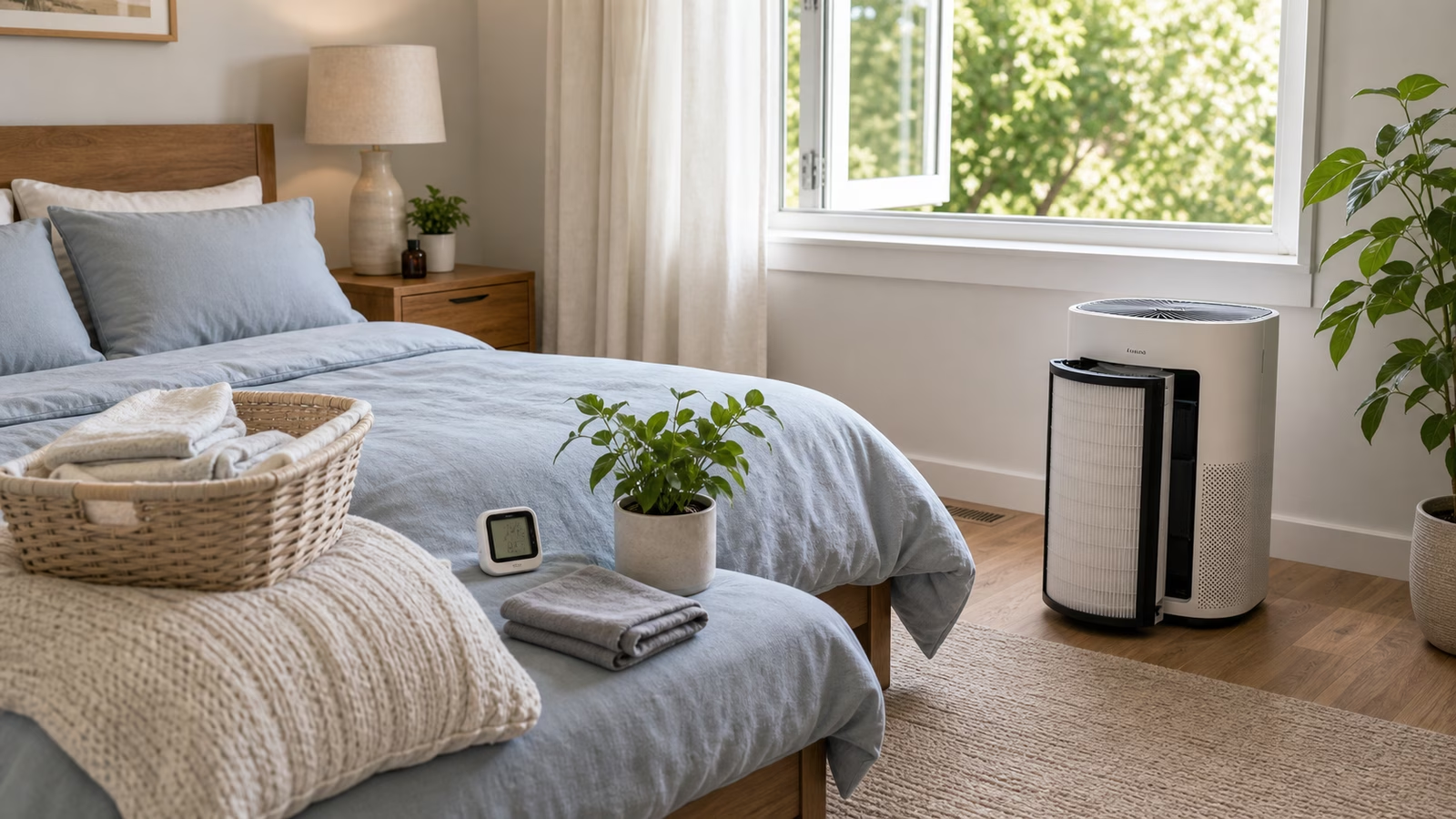
Look for a purifier sized for the room, quiet enough on the setting you will actually use, and simple enough that filter changes will happen. A unit that is technically powerful but too loud for night use usually becomes daytime furniture.
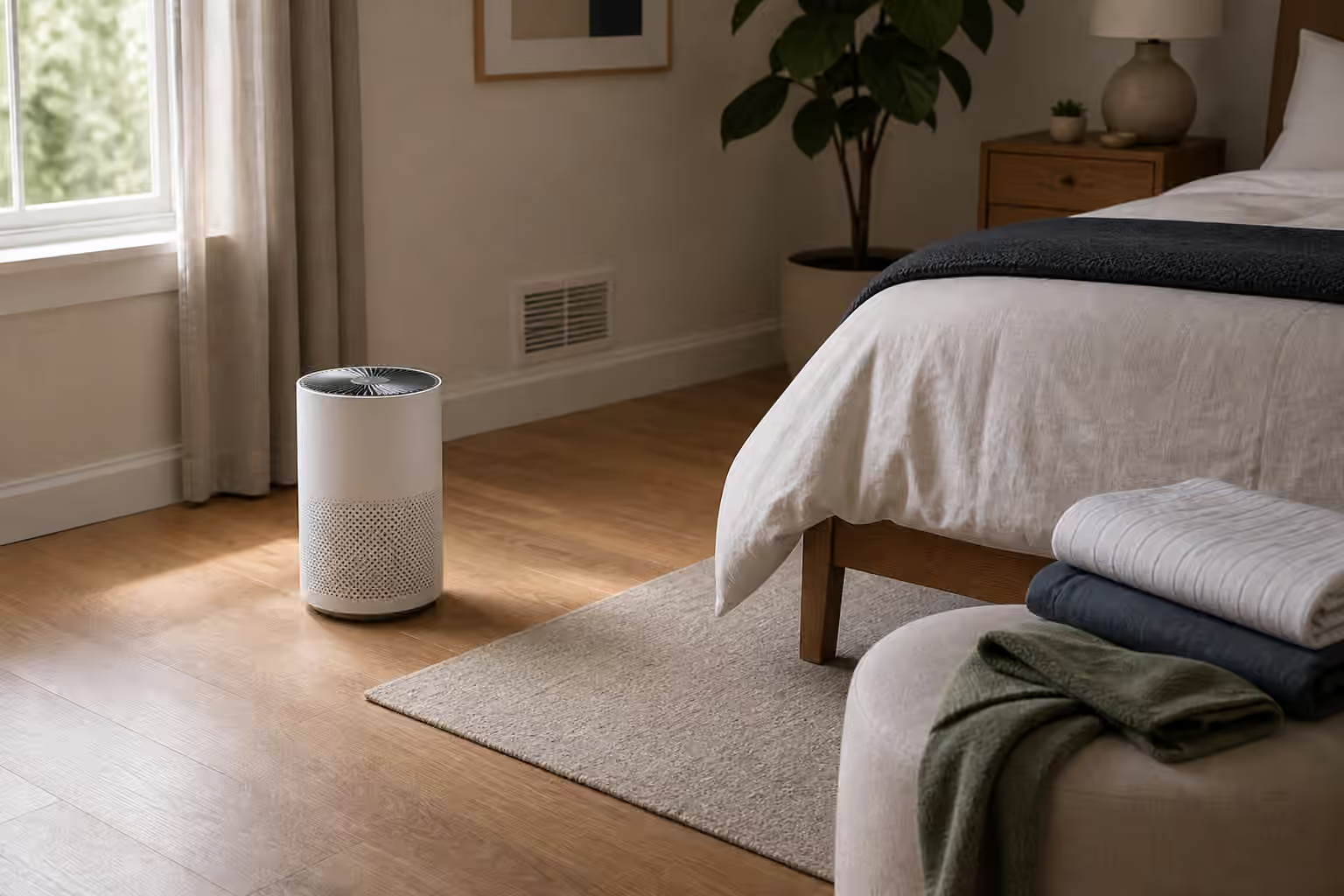
Placement matters. Leave open space around the intake and outlet, avoid trapping the purifier behind curtains, and do not aim strong airflow directly at loose papers, dusty shelves, or the bed if it bothers you.
What the room is telling you
A stale bedroom is usually giving several clues at once. Dust returning quickly may mean too many open textiles, a dirty fan, or gaps around storage rather than a purifier problem. Condensation on windows points toward moisture and ventilation before fragrance or sprays. A room that feels fine with the door open but heavy when closed may need airflow planning. A purifier can help with particles, but it cannot dry a damp closet, fix a leak, or replace a cleaning routine. Read the room before buying the machine.
Shopping shortcut
If cleaning and airflow are handled but the room still feels stale, compare quiet bedroom air purifiers by room size, low-setting noise, and filter cost. Pair that with an indoor humidity monitor if moisture swings are part of the problem.
Avoid air-quality shortcuts
Do not buy a purifier before cleaning the room. Do not hide it where air cannot reach the intake and outlet. Do not forget replacement-filter cost. Do not choose a bright display for a dark bedroom. Do not treat fragrance as freshness. Most importantly, do not ignore dampness, leaks, or condensation because the room smells fine after airing out.
Good default
Clean the room before judging a device. Vacuum under the bed, wash bedding, dust the fan, clear the intake path, and then decide whether filtration still earns the outlet.
Apply this guide as a decision record
Use Bedroom Air Quality Basics: Freshness, Dust, Humidity, and Filtration to turn a vague household question into a checkable one. Its scope is specific: A non-medical guide to bedroom freshness, dust control, ventilation, humidity awareness, and air purifier decisions. Before changing the setup, write down the condition you are trying to change, the constraint that matters most, and the evidence you still lack.
For a first pass through bedroom air quality basics, compare the current state with a relevant baseline and record one observation, measurement, or conversation. Make the smallest reversible change available. Keep the manual, model number, room condition, schedule, or maintenance note beside the decision so a future check does not depend on memory. Keep bedroom air quality, air purifier, humidity in view as separate signals instead of treating them as one verdict.
A useful follow-up asks whether Bedroom Air Quality Basics: Freshness, Dust, Humidity, and Filtration improved the named problem without creating a new one. Check the tradeoff that fits this subject — heat, noise, comfort, water, power, wear, effort, or cost — and describe the result in plain language. If a boundary is safety-critical, stop at the guide’s limit and bring the details to a qualified local professional.
The conclusion for bedroom air quality basics should stay narrow. Record what was observed, which condition made the result possible, what maintenance keeps it dependable, and what would make you revisit the choice. That turns a guidebook into a decision record you can use again rather than a promise to remember.