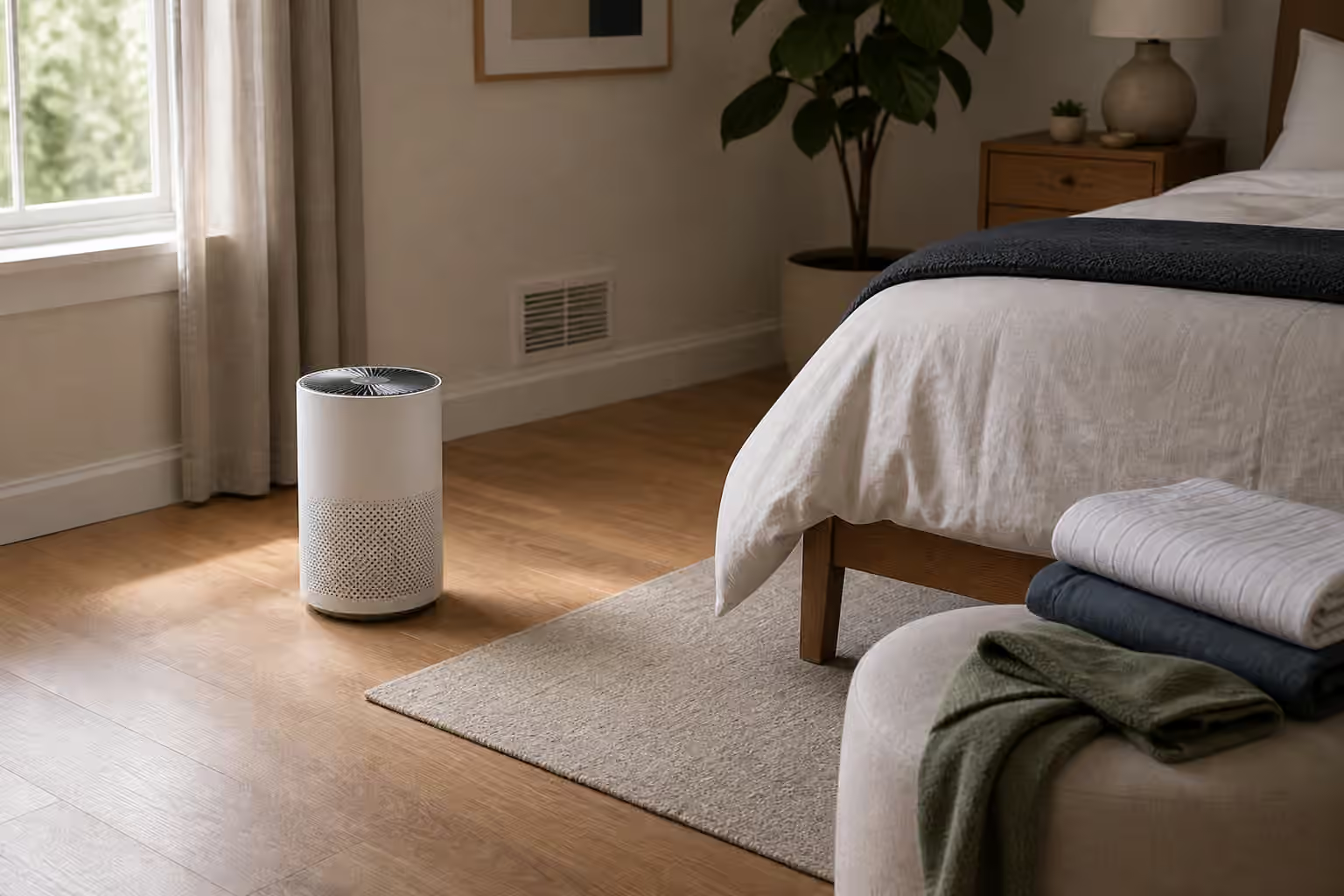
A bedroom can be quiet by measurement and still feel sharp. Footsteps click, closet doors slap, voices bounce off bare walls, a phone vibration skitters across a hard nightstand, and hallway sounds arrive with too much detail. This is the acoustic side of sleep setup. It is not only about blocking noise from outside. It is about how the room handles sound once it enters. For background, see CDC/NIOSH — Tips to Improve Your Sleep When Times Are Tough .
Soundproofing and echo control are different jobs. True soundproofing usually involves construction, mass, sealing, and building details that renters and ordinary bedrooms may not be able to change. Echo control is more approachable. It uses soft surfaces, furniture placement, door gaps, curtains, rugs, and sound masking to make everyday noise less distinct. This guide stays in that practical lane.
Listen to the room before buying a machine
Stand in the bedroom when it is normally annoying. Notice whether the problem is outside sound, inside echo, household interruption, or one specific source. Traffic through a window behaves differently from hallway voices under a door. A partner’s drawer noise is different from a room that echoes because it has bare floors and blank walls. A fan rattle is not the same as neighborhood noise.
Clap once, speak softly, close a drawer, and walk the floor path. These small tests are not scientific, but they reveal whether the room reflects sound harshly. A room with a bare floor, uncovered window, glass door, thin bedding, and hard furniture will make ordinary sounds feel brighter. Add a rug, curtains, fabric headboard, upholstered bench, or bookcase, and the same room may feel less exposed even before any sound machine is turned on.
White-Noise Machine Guide is useful, but masking works better after the room has fewer sharp reflections. If the room is echoing, a louder machine may only add another layer of sound. Soften the room first, then use masking with less volume.
Use the bed as an acoustic object
The bed is already the largest soft object in the room. It can help more when bedding is layered with intention. A thin uncovered mattress on a hard frame does less to soften the room than a bed with a fabric headboard, fuller top layer, pillows that are not decorative clutter, and a rug nearby. This does not mean the bedroom needs to become overstuffed. It means the surfaces around the bed should not all be hard.
Headboards matter because they sit near the ears. A fabric headboard, padded wall panel, or even a textile behind the bed can soften reflected sound around the pillow area. A bare wall behind a bed may send small sounds back toward the sleeper. Bed Placement and Headboards covers placement and wall choices; acoustics gives that decision another reason beyond looks.
Pillows and bedding should still serve sleep first. Do not add a pile of cushions that gets thrown on the floor every night. Do not choose a heavy comforter only because it quiets the room if it makes the bed too warm. Duvet, Comforter, and Blanket Choices and Cooling Bedding Layers keep the acoustic fix from creating a temperature problem.
Treat the floor path as part of the sound plan
Floors announce movement. Hardwood, laminate, tile, and thin rugs can make late-night steps sound larger than they are. A well-placed rug beside the bed can soften footsteps, reduce echo, and make the first step in the morning less abrupt. The rug does not need to cover the whole room. It needs to live where feet actually land and where sound is bouncing.
Bedroom Rugs and Floor Paths is the practical guide for keeping rugs safe and clear. From an acoustic point of view, avoid tiny rugs that slide, thick rugs that block doors, and layered rugs that create a trip edge in the dark. A quiet room is not better if the walking path becomes clumsy.
Under-bed storage can change sound too. Open bins, plastic containers, and objects packed tightly under a frame may rattle or reflect sound. Fabric bins and less crowded storage can be quieter, but they still need to be cleanable. If storage is turning the bed area into a hard-sided echo chamber, Storage and Bedside Setup may solve more than another sound device.
Work from the noise source toward the bed
Noise often travels through predictable paths. Hallway sound comes under and around the door. Street sound comes through the window, window frame, and sometimes the wall. Shared-wall sound may be most obvious when the bed is against that wall. Mechanical sound may come from vents, appliances, or a fan. The closer you can name the path, the less random the fix becomes.
For hallway sound, a door draft stopper can reduce the light line and soften some detail, though it will not create true soundproofing. A rug in the hall or inside the bedroom can reduce footstep sharpness. A white-noise machine placed near the door may mask speech detail better than one placed beside the pillow. For window sound, heavier curtains can reduce room brightness and some acoustic glare, but they will not erase traffic. Blackout Curtains Guide becomes relevant because window treatments often serve light and sound together.
For shared-wall sound, bed placement may matter. Moving the head of the bed away from the loud wall can help if the room allows it. A bookcase or textile on that wall can soften reflections inside the room, although it will not stop structure-borne noise. Renter-Friendly Blackout and Noise gives reversible options for people who cannot alter walls or doors.
Keep masking sound steady and modest
White noise, brown noise, fans, air purifiers, and sound machines can all make sudden noises less distinct. The goal is not to drown out the world. It is to create a steady floor so small interruptions do not stand out. If the masking sound has to be loud enough to annoy you, the placement, sound type, or room treatment probably needs revision.
Place masking sound near the source when possible. Hallway noise often masks better near the door. Window noise may mask better near the window side. If the machine is beside the pillow only because that is where the outlet is, the room may be forcing a bad setup. Cable routing and outlet access matter, especially if the sound source shares space with a lamp, phone charger, fan, or sunrise alarm.
Fans can serve both airflow and sound, but they should not rattle. A click or wobble is not useful masking; it becomes a repeating irritation. Bedroom Fan Placement helps if the fan is doing double duty. If moving air bothers one sleeper, a dedicated sound machine may be cleaner than using a fan as an acoustic workaround.
Avoid turning the bedroom into a padded project
Acoustic foam panels, heavy curtains, thick rugs, fabric wall hangings, and loaded bookcases can all change sound. They can also make a room dusty, warm, visually heavy, or hard to clean. The bedroom needs softness, but it also needs air, hygiene, and calm. Add the smallest amount of acoustic help that solves the actual annoyance.
Cleaning matters because fabric surfaces hold dust. If the room already struggles with stale air, soft additions should be washable, vacuumable, or easy to shake out. Bedroom Air Quality Basics belongs in the same conversation. A quieter room that becomes harder to clean may not feel better after a month.
Renter-friendly choices should be reversible and surface-aware. Strong adhesive panels can damage paint. Heavy curtains need safe mounting. Door seals should not block required airflow or create a problem with the door. The room should become easier to use, not more fragile.
Let the room sound less specific
The most realistic goal for many bedrooms is not silence. It is less detail. Hallway voices become a murmur. Traffic becomes a background layer. Footsteps sound duller. Drawers are less sharp. A partner moving around the room does not produce a string of bright little sounds. That is a useful improvement.
Start with one source. If the window is the problem, improve the window side. If the door is the problem, treat the door path. If the room itself is echoing, add soft surfaces near the bed and floor. Then test the room at the actual time noise bothers you. A bedroom that sounds good at noon may behave differently after midnight, and a room that seems fine when empty may change once two people, pets, fans, and bedding are in use.
Good acoustics feel modest. The room still looks like a bedroom. The bed still breathes. The floor path stays clear. The sound machine can run lower. The fan no longer rattles. The room does not become silent, but it stops announcing every small event. For sleep setup, that is often enough.