Bedding storage looks like a housekeeping detail until the bed needs changing. Then the hidden system becomes very visible. If clean sheets are buried under off-season blankets, pillow protectors are missing, guest bedding smells stale, or the duvet cover is separated from the insert, maintenance becomes a search project. A bedroom that is easy to sleep in also needs bedding that is easy to find, rotate, and put away fully dry. For background, see FTC — Guide to Textile Care Symbols .
This guide is about practical storage, not a perfect linen closet. Many homes do not have a dedicated closet at all. Bedding may live in a wardrobe, dresser, under-bed bin, guest-room drawer, high shelf, or laundry area. The storage can be humble and still work if it protects fabric, reduces decisions, and makes the next bed reset easier.
Store By Use, Not By Fantasy
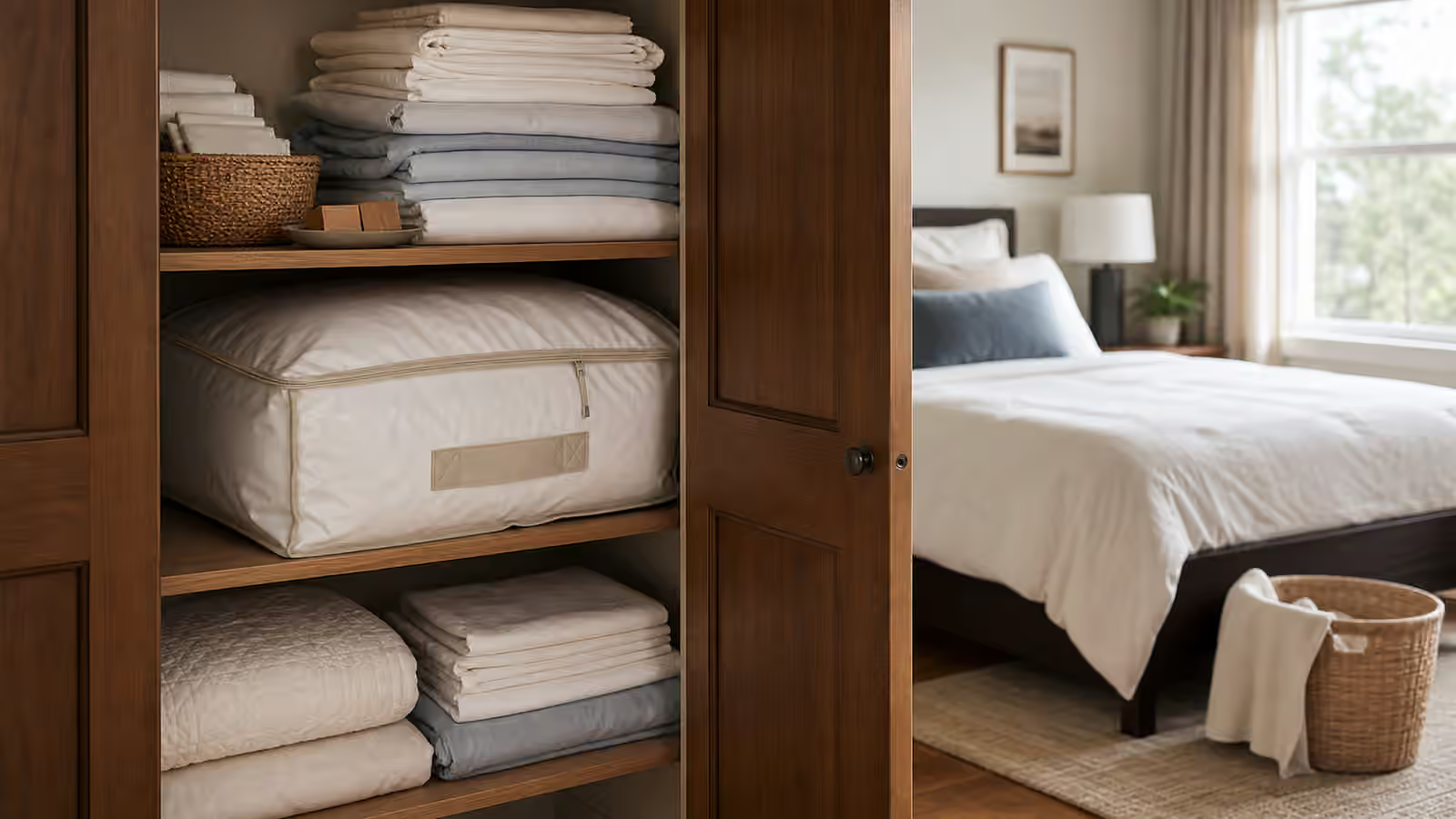
The most useful bedding storage starts with how the bedding is actually used. Everyday sheets should be easiest to reach. Guest bedding can be nearby but not in the prime position. Off-season blankets can live higher, lower, or farther away because they are not part of the weekly rhythm. Spare pillow protectors should be close enough that they are used when a pillowcase is changed, not discovered months later.
Many linen closets fail because they are arranged by object type in a way that makes sense only when everything is freshly folded. All fitted sheets in one stack, all flat sheets in another, all pillowcases in a basket, all duvet covers somewhere else. That can work for a person who enjoys matching sets, but it can also create friction when the bed needs changing quickly. Storing a sheet set together may be better for some homes. Storing by bed size may be better for others. The right system is the one that makes the next real change easier.
Bedding Wash and Rotation is the rhythm behind this. Storage should support the wash cycle. If clean bedding waits in a laundry basket for days because the closet is hard to use, the storage is not finished yet.
Dryness Matters More Than Perfect Folding
Fabric should be fully dry before it is stored. That sounds obvious, but bedding is bulky, and thick seams, pillow protectors, duvet covers, and blankets can hold moisture longer than expected. Storing them too soon can create stale smells that reappear at bedtime. The problem may look like a detergent issue or a room odor issue when it began with impatient storage.
Give heavier items time. Shake out corners. Let protectors and quilted pieces dry completely. Avoid stuffing warm, slightly damp bedding into a closed bin. If the home is humid, choose storage that does not trap moisture unnecessarily and inspect seasonal items before using them. Bedroom Humidity and Dry-Air Comfort explains why fabric can feel different across the year.
Perfect folding is optional. A slightly imperfect folded sheet that is clean, dry, and easy to identify is better than a beautiful stack that collapses every time someone pulls from the middle. The closet should be designed for hands, not photos.
Keep Protectors With The Bedding They Serve
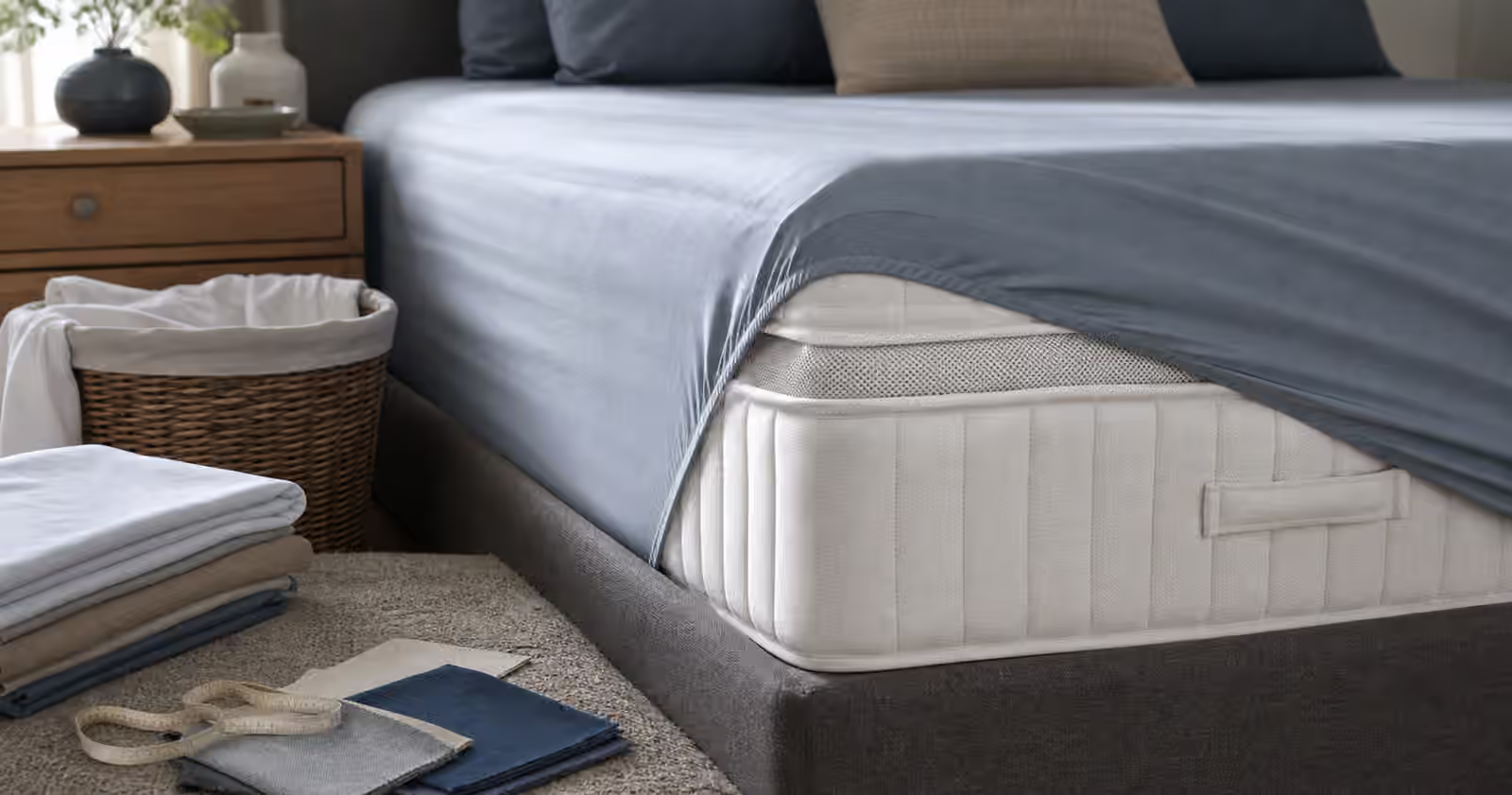
Protectors are easy to lose because they are plain, thin, and less emotionally satisfying than sheets. Mattress protectors, pillow protectors, topper covers, and spare encasements often drift into the back of a closet. Then, when a bed is changed, the protector is skipped because nobody wants to search. That defeats the maintenance plan.
Store protectors where the related bedding is changed. Pillow protectors can live with pillowcases or the spare pillows they belong to. Mattress protectors can live with the sheet sets for that bed size. Topper covers should be stored near the topper or clearly with the bedding used on that mattress. Mattress Care and Protectors covers why those layers matter; storage decides whether they are actually used.
If a protector has a special wash instruction, preserve the tag or keep it with the item. Avoid mystery covers. A white zippered fabric object that nobody can identify will eventually be ignored. If two beds use different sizes, separate them physically rather than trusting memory.
Spare Pillows Need Air And A Decision
Spare pillows multiply quietly. A pillow that did not work for one sleeper may become a guest pillow, a reading pillow, a sham insert, or an object nobody wants to throw out. Stored poorly, pillows take up space, collect dust, flatten, or emerge smelling stale. They need air, protection, and a reason to stay.
Start by deciding which pillows are active. Guest pillows should be clean, protected, and easy to freshen before use. Seasonal or specialty pillows should have a clear purpose. Old pillows kept only because they are not obviously ruined may be taking storage away from better bedding. Pillow Care and Replacement Rhythm can help with that decision.
Avoid crushing pillows in tight bins unless the fill tolerates it and rebounds well. A breathable storage bag, high shelf, or guest-room drawer may be better than a vacuum-packed corner. Dust protection matters, but so does shape. If a pillow returns from storage lumpy or flat, the storage method has changed the item.
Guest Bedding Should Be Ready Without Being Precious
Guest bedding has a different job from everyday bedding. It should be easy to find, easy to refresh, and flexible enough for different preferences. A guest setup might include sheets, pillowcases, a light blanket, an extra warmer layer, and pillow protectors. It does not need luxury drama. It needs to spare the host from hunting through three closets when someone arrives late.
Store guest bedding as a complete kit if space allows. If not, store it in one clear zone. Keep sizes obvious. Make sure the bedding smells clean before it is needed, not after the guest is already there. Guest Room Sleep Setup covers the room experience, but the linen storage is what makes that experience repeatable.
Sofa beds and temporary sleep setups benefit from the same approach. The fitted sheet, thin topper cover, blanket, and pillows should be near the sleeper sofa or clearly grouped. Sofa Bed Sleep Setup is easier to follow when the bedding is not scattered across the home.
Let Seasonal Bedding Rotate Cleanly
Seasonal bedding should not be a pile that moves from bed to closet and back again. Heavy blankets, flannel sheets, cooling layers, duvet inserts, and throws need a rhythm. Clean them before storage. Store them dry. Keep them protected from dust. Bring them out early enough to air before the first cold or hot night forces a rushed change.
Seasonal Sleep Setup Refresh is the natural checkpoint. It is also a good time to edit. If a blanket was not used for two seasons, ask why. If a sheet set always feels wrong, stop letting it occupy the easiest shelf. If a cooling layer only works with a certain protector, store that pairing together.
Under-bed storage can be useful for seasonal bedding, but it should not make the room dusty or block airflow. Under-Bed Storage Without Losing Airflow or Dust Control is the companion if the linen closet is actually under the mattress.
A Good Closet Makes The Bed Less Dramatic
The best bedding storage does not call attention to itself. Clean sheets are reachable. Protectors are not lost. Spare pillows have air. Guest bedding is grouped. Seasonal blankets return without stale smells. The bed can be changed on a tired evening without turning the room into a sorting project.
That is the standard. Not matching bins. Not perfect folds. Not a closet that looks good only when nobody touches it. Bedding storage is part of sleep setup because the bed is a maintained object. When storage makes maintenance easier, the bedroom feels less fragile and the weekly reset becomes ordinary.