Bed placement is one of the few sleep setup decisions that changes almost every other decision in the room. Move the bed and the nightstand reach changes, the window light changes, the fan path changes, the outlet plan changes, the rug footprint changes, and the route through the dark changes. A headboard can make the bed feel finished and quieter, but it can also crowd a tight room, block a window, trap dust, or hide a wall problem that should be understood first. For background, see CDC/NIOSH — Tips to Improve Your Sleep When Times Are Tough .
The best placement is rarely the most dramatic layout. It is the one that makes the bed easy to use, easy to clean around, easy to ventilate, and easy to approach when the room is dark. Start with how the bedroom behaves on an ordinary week, then choose the wall and headboard that cause the fewest daily compromises.
Choose The Wall By Friction
The obvious bed wall is not always the right one. A centered bed on the largest wall may look balanced, but it can fail if the nightstand blocks a closet, the door swing narrows the route, the window pours light over one pillow, or the only outlet ends up behind the mattress. A smaller wall can work better if it gives the room clearer movement and calmer controls.
Walk the room before moving furniture. Open the bedroom door, closet doors, drawers, windows, and under-bed storage if you use it. Stand where each sleeper steps out of bed. Notice where a hamper naturally wants to live and where a fan or purifier would sit without becoming an obstacle. Small Bedroom Layout uses this same movement-first approach because a bed can fit mathematically and still make the room awkward.
Windows deserve special attention. A bed under a window can be workable, especially in a small room, but it changes light, drafts, curtain access, and headboard choices. If the window is opened often, the bed should not make the latch hard to reach. If the window leaks morning light, the bed may turn a small curtain problem into a face-level problem. If the wall gets cold or hot seasonally, the mattress and pillow area may notice before the rest of the room does.
Keep Both Sides Honest
A shared bed needs two usable sides unless the room truly cannot allow it. Usable does not mean identical. One side may have a narrow path and the other a full nightstand, but both sleepers should be able to enter, leave, reach a light or alarm, and avoid stepping into clutter. A bed pushed into a corner can be fine for one person or a temporary room, but it becomes a nightly negotiation if two people are climbing over each other.
Couples Mattress Decisions focuses on mattress feel and motion, but placement matters too. If one sleeper gets the window draft, the outlet, the lamp glare, or the narrow floor strip, the room may feel unfair even when the mattress is right. Shared Bedroom Light and Schedule is useful when one side needs late reading, early alarms, or different wake times.
For one-person rooms, the second side still matters for cleaning and bed-making. A bed tight to the wall can trap dust, make fitted sheets difficult, and encourage bedding to bunch along the hidden edge. If the bed must be against a wall, choose bedding that is easy to straighten and leave enough clearance to deal with the corner without dragging the mattress each week.
Decide What The Headboard Is For
A headboard can have several jobs. It can keep pillows from sliding, make sitting up more comfortable, protect the wall from marks, soften sound, visually anchor the bed, or add storage. Those jobs are not the same. A padded headboard may be comfortable for reading but harder to clean. A wood or metal headboard may be durable but noisy if it is not secured. A storage headboard can solve reach problems but can also make the bed deeper and heavier.
Start by naming the job. If pillows slide into a gap, the answer may be a low headboard, a wall cushion, or a different bed position. If the wall feels cold, a textile surface may help comfort but should not hide moisture or draft problems. If the room echoes, a padded or fabric headboard can soften the bed zone, though rugs and curtains may matter more. If the room lacks bedside surfaces, storage built into the headboard might help, but Storage and Bedside Setup should guide whether those items belong above your head at all.
Headboards also need structure. A headboard that taps the wall when someone turns over makes the bedroom feel cheaper and noisier than it is. Check how it attaches to the frame, whether the frame itself is stable, and whether the wall behind it is flat. If the bed already squeaks or shifts, Bed Frames and Foundations should come before decorative upgrades.
Leave Space For Air, Fabric, And Cleaning
The gap behind and around the bed does real work. Too much gap can swallow pillows and collect dropped items. No gap can scrape the wall, pinch curtains, block baseboards, and make cleaning harder. A small, intentional clearance is usually more useful than shoving the bed as far back as possible.
Airflow matters most on exterior walls, humid rooms, and tight bedrooms. A bed that blocks a vent, return, radiator, or fan path can make the room feel stale even when the equipment is fine. Bedroom Temperature and Airflow helps separate bed heat from room heat, but placement can be the hidden cause. A mattress pressed into a corner, a bed skirt touching the floor, and storage packed under the frame may all reduce the room’s ability to breathe.
Cleaning is another placement test. You should be able to reach the floor line, pull bedding into place, retrieve dropped items, and dust the headboard without dismantling the room. A beautiful arrangement that cannot be cleaned will slowly become a worse sleep setup. This is especially true behind fabric headboards, under low frames, and around bed legs sitting on thick rugs.
Match Nightstand Reach To The Bed Position
Bed placement is not finished until the bedside reach works. The mattress height, pillow position, headboard depth, and nightstand location all interact. A nightstand that was perfect before moving the bed may become too far back, too low, or blocked by a headboard wing. Bed Height and Nightstand Reach is the detailed check, but the short version is simple: you should be able to reach water, light, alarm, tissues, and glasses without twisting around a decorative choice.
Outlets belong in the same conversation. If the headboard covers the only outlet, cables may creep across the floor or behind pillows. That is not just ugly; it makes the bedside harder to clean and easier to snag. Nightstand Charging and Cables can help once the bed is in the right place, but cable management cannot rescue a layout that ignores power.
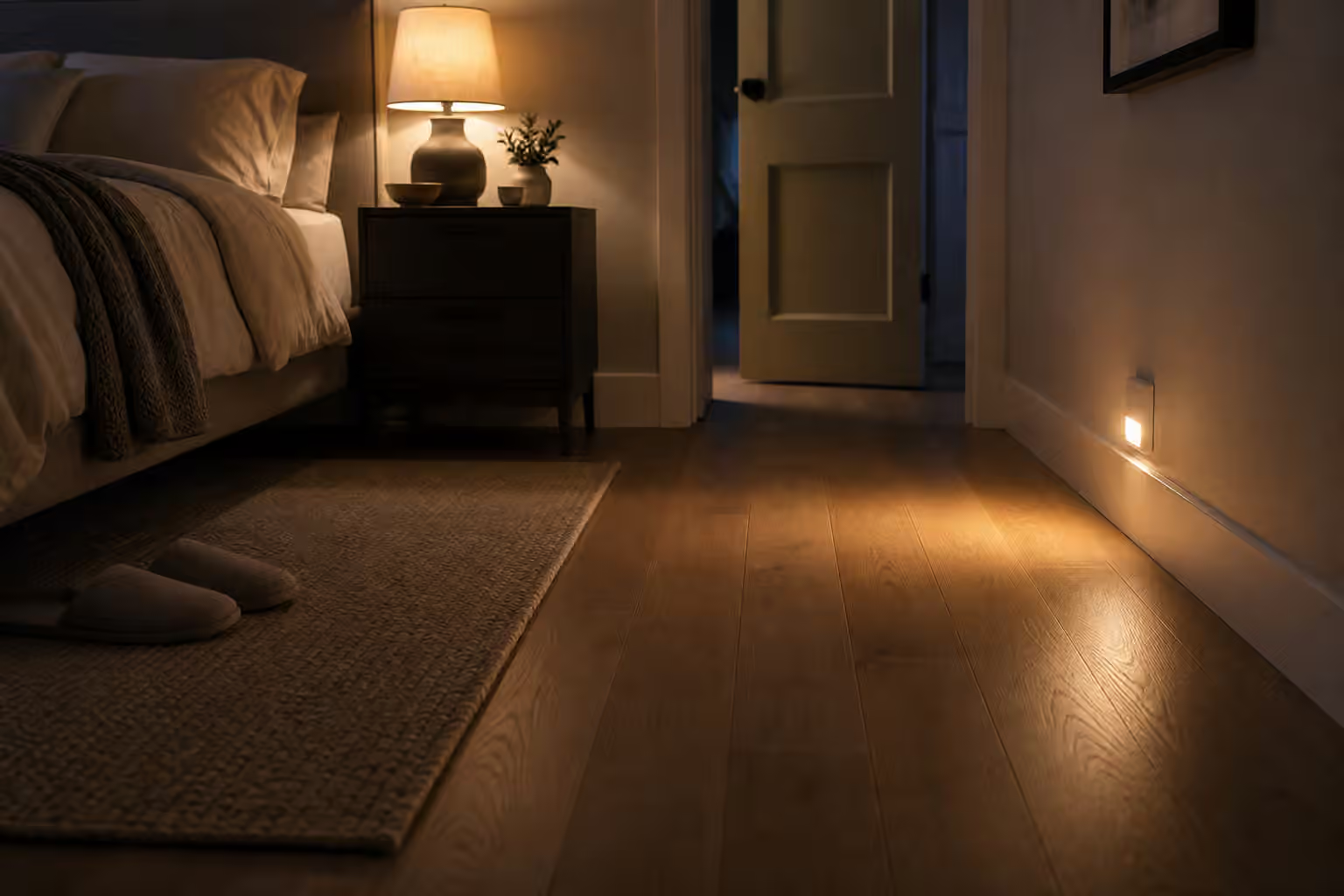
Consider what happens in the dark. Can each sleeper find the lamp or switch? Can a phone alarm be silenced without knocking over a glass? Can the path to the bathroom stay clear of cords, rug corners, and storage bins? Bedroom Rugs and Floor Paths connects the vertical reach decision to the floor.
Use Tape Before Muscle
Before moving a heavy bed or buying a headboard, mark the likely footprint. Painter’s tape, spare sheets, or cardboard can show the mattress, frame, headboard depth, nightstands, door swings, and drawer paths. This is the same habit used in Mattress Size and Room Fit , and it saves the room from hopeful guessing.
Live with the marked layout for a day if you can. Walk around it with laundry. Open drawers. Stand where the fan would go. Check whether the window can still be reached. Imagine changing sheets. A headboard that adds only a few inches can still matter if those inches steal the narrow passage between the mattress and dresser.
The bed’s best place is the one that lets the rest of the room remain ordinary. The door opens, the window works, the floor path is clear, the bed is quiet, the headboard has a job, and the nightstand can be reached without effort. That kind of placement may not be dramatic, but it makes every later sleep setup decision easier to judge.