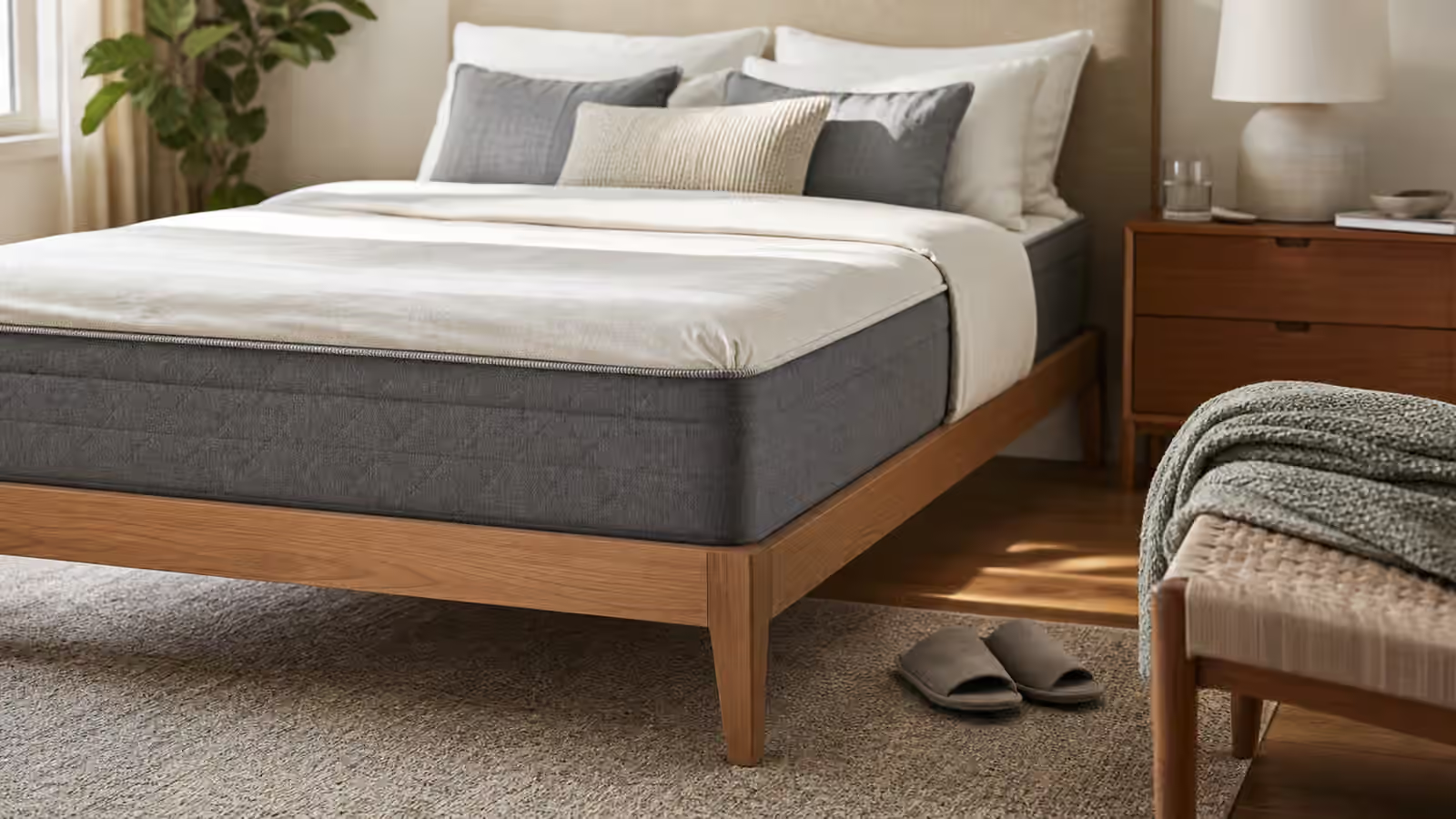
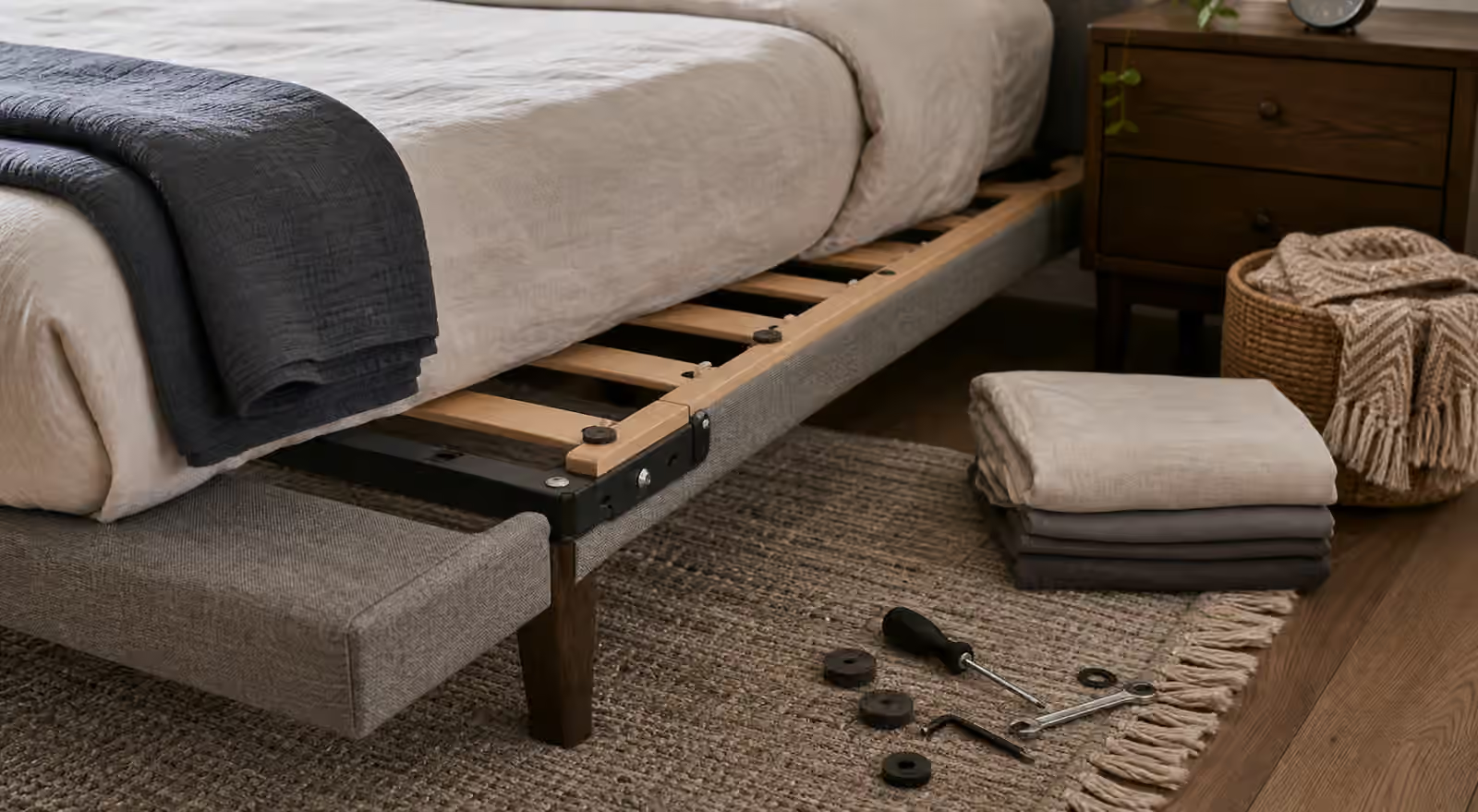
Bed height is easy to ignore because it is not printed as boldly as mattress size or firmness. Yet it affects the room every day. It changes how the bed feels when you sit on the edge, how sheets fall, whether the nightstand is reachable, whether under-bed storage makes sense, and whether the whole room feels low, bulky, airy, or crowded. For background, see CDC/NIOSH — Tips to Improve Your Sleep When Times Are Tough .
The number that matters is not mattress height by itself. It is finished bed height: floor, rug if one sits under the bed, frame, foundation, mattress, topper, protector, and bedding compressed into one real object. A mattress that looks normal online can become awkward on a tall platform. A low frame can make a thick mattress feel balanced. A topper can turn a familiar bed into a stack that no longer works with existing sheets or nightstands.
Think In Finished Height
Most bed-height mistakes happen when each purchase is judged alone. The frame looks reasonable. The mattress looks reasonable. The topper looks reasonable. The nightstand was already in the room. Together they may produce a bed that is too high for the bedside table, too low for the lamp, or too bulky for a small bedroom.
Before changing any major piece, look at the stack you already have. Sit on the edge as you normally would when putting on socks, reaching for glasses, or making the bed. Notice whether your feet meet the floor easily, whether the frame edge presses into the back of your legs, whether bedding drags, and whether the nightstand top sits much lower or higher than the mattress surface. This is a product-fit check, not a posture exam. The point is to understand the room mechanics before shopping.
Mattress Size and Room Fit covers the footprint of the bed. Height is the vertical version of the same problem. The bed can fit the floor plan and still feel wrong because the finished stack blocks a window line, makes a nightstand useless, or turns under-bed bins into a weekly wrestling match.
Frame, Foundation, Mattress, And Topper Interact
A bed frame decides more than style. A platform frame, metal frame with foundation, storage bed, adjustable base, low-profile foundation, and tall decorative bed can all put the same mattress at different heights. Bed Frames and Foundations should be part of any height decision because support and height are linked. You do not want to lower the bed by removing a foundation the mattress actually needs, and you do not want to gain storage by using a frame that makes the mattress feel unstable.
Mattress thickness has also crept into everyday decisions. A thick mattress can feel generous, but it may require deeper sheets, a lower frame, and a different pillow feel. A thinner mattress can make a room feel lighter, but only if it has the support and comfort the sleeper needs. If a topper is added later, the whole stack changes again. Mattress Toppers and Pads belongs in this conversation because the last inch or two can decide whether fitted sheets stay put and whether the nightstand still works.
Avoid treating under-bed storage as free space. Tall frames can create useful storage, but bins need clearance to slide, and stored items can block cleaning and airflow. A storage bed with drawers needs room for those drawers to open. A bed that rises high enough for storage may make the lamp too low or the room feel visually heavy.
Align The Nightstand With Real Use
Nightstand alignment does not need mathematical perfection. It needs to work in the dark, half-awake, with the actual objects you use. A surface slightly below or near the mattress top often feels natural. A very low table can make you reach down awkwardly for glasses, water, a phone, or a book. A very high table can crowd the pillow area and make lamps glare. The right height depends on mattress thickness, bed frame, sleeping position, lamp shape, and the items that live there.
Use Nightstand Charging and Cables to keep the surface honest. If a phone, watch, lamp, water, book, remote, mask, earplugs, and charger all compete for the same small top, height is only one problem. A reachable nightstand that is overloaded still fails. A slightly imperfect table with a clean cable path and a drawer may work better than a perfectly aligned open shelf.
Lamp height matters too. A bedside lamp should light the activity it is meant to support without shining straight into the eyes. A tall bed can put the shade too low relative to the pillow. A low bed can make a lamp feel towering. If you read in bed, test glare while lying down, not only while standing beside the nightstand. Lighting and Evening Reset is the natural next guide when the furniture height is fine but the light still feels wrong.
Watch The Sheet And Blanket Drop
Bedding changes how height looks and works. A thick duvet on a tall bed may hang gracefully or drag and bunch, depending on size. A low platform can make a long comforter puddle on the floor. A tall stack can expose the side of a mattress if the blanket is too short. A fitted sheet that once worked may fail after a topper or thick protector is added.
Sheets Materials Guide explains pocket depth, fabric behavior, and shrinkage. Height makes those details practical. If the sheet barely reaches the corners, making the bed becomes irritating. If a blanket does not cover the sides of a taller mattress, the room may look unfinished even if the sleeping surface is comfortable. If a bed skirt is used to hide storage, it can also trap dust or block airflow under some setups.
This is why finished height should be checked before buying a new frame or topper. The bed is not a single product. It is a stack of products that need to be made and remade every week. If the height makes that routine annoying, the setup will not stay calm.
Small Rooms Amplify Height
In a large bedroom, a tall upholstered bed may simply look substantial. In a small bedroom, the same bed can dominate the room, block window light, crowd a nightstand, and make the walking path feel narrower. Small Bedroom Layout focuses on floor clearance, but vertical bulk matters too. A bed with a high headboard, thick mattress, deep duvet, and storage base may fit on paper while visually swallowing the room.
Low beds are not automatically better in small rooms. A very low frame may make storage impossible, place lamps awkwardly, or make the bed harder to make. The best small-room height is usually the one that keeps the top of the bed, nightstand, window sill, and storage plan from fighting each other. Sometimes that means a simple low-profile frame. Sometimes it means a modest storage bed with enough walkway to use the drawers. Sometimes it means keeping the current frame and skipping the topper.
Rugs add another quiet variable. A thick rug beside or partly under the bed changes the feel of the step down and may affect door clearance. If the rug bunches under storage drawers or makes a low nightstand wobble, the floor plan has not been tested enough. Bedroom Rugs and Floor Paths is useful when the bed height feels fine but the movement around it does not.
Test Before Replacing Furniture
You can simulate many height changes before buying. Fold a blanket on top of the mattress to feel a future topper, then check whether the sheet has enough reach. Place a sturdy book or board under a lamp temporarily to test shade height, then remove it before normal use. Move the nightstand slightly forward, backward, or away from the bed and see whether reach improves. Take under-bed bins out for a week to see whether lower visual clutter makes the room feel calmer.
The test should match the decision. If you are considering a taller mattress, pay attention to sheets, pillow height, nightstand reach, and edge sitting. If you are considering a storage frame, pay attention to drawer clearance and the path around the bed. If you are considering a low platform, pay attention to bedding drop, lamp height, and cleaning access.
The Finished Bed Should Disappear
A well-tuned bed height is not something you think about every night. You sit down without noticing the edge. You reach the lamp without sweeping the nightstand. Sheets stay on the corners. The blanket falls where it should. Storage opens if it exists. The room keeps enough air and walking space to feel usable.
That quiet result comes from judging the stack, not one product. Before buying a frame, mattress, topper, nightstand, or storage bed, picture the finished height and the routines around it. The right vertical fit makes the bedroom easier to use without announcing itself as an upgrade.