Dust control around the bed is not glamorous, but it changes how a room feels faster than many product upgrades. The bed is a large fabric island. The nightstand collects small objects. Rugs hold lint. Under-bed space becomes a shadowed shelf. Curtains, fans, vents, lampshades, pillowcases, and charging cables all gather the ordinary debris of a lived-in room. When that layer builds up, the bedroom can feel stale even if the mattress is good and the sheets are clean. For background, see EPA — Biological Contaminants and Indoor Air Quality .
This guide is about room setup and cleaning rhythm, not medical treatment. Dust, allergies, asthma, mold, pets, and indoor air problems can overlap with health and building issues. Persistent symptoms, visible mold, water damage, or serious breathing concerns need qualified help. For ordinary sleep setup, the useful starting point is simpler: clean the surfaces nearest the sleeper, reduce dust reservoirs, and make the room easier to maintain next week.
Dust follows friction
Dust control improves when the room has fewer awkward places to clean. A bed shoved tight against a wall can trap lint along the baseboard. A pile of throws on a chair can become a permanent fabric stack. A nightstand with loose receipts, hair ties, chargers, books, cups, and tissues takes longer to dust, so it gets dusted less often. Under-bed storage that requires lifting the mattress to access will not be cleaned on a normal weekday.
Start by noticing friction instead of blaming yourself for poor discipline. If the vacuum cannot reach under the bed, the setup is asking for dust. If the nightstand has no tray or drawer, small items will spread across the surface. If the rug curls or slides when vacuumed, it will be skipped. The room should make the clean version easier to repeat.
Storage and Bedside Setup is a useful companion because storage choices become air-quality choices when they sit next to the pillow. A closed drawer, washable tray, or small lidded box can make dusting fast. Open shelves full of tiny objects may look warm, but they create more edges than most people want to maintain near the bed.
Clean bedding is only one layer
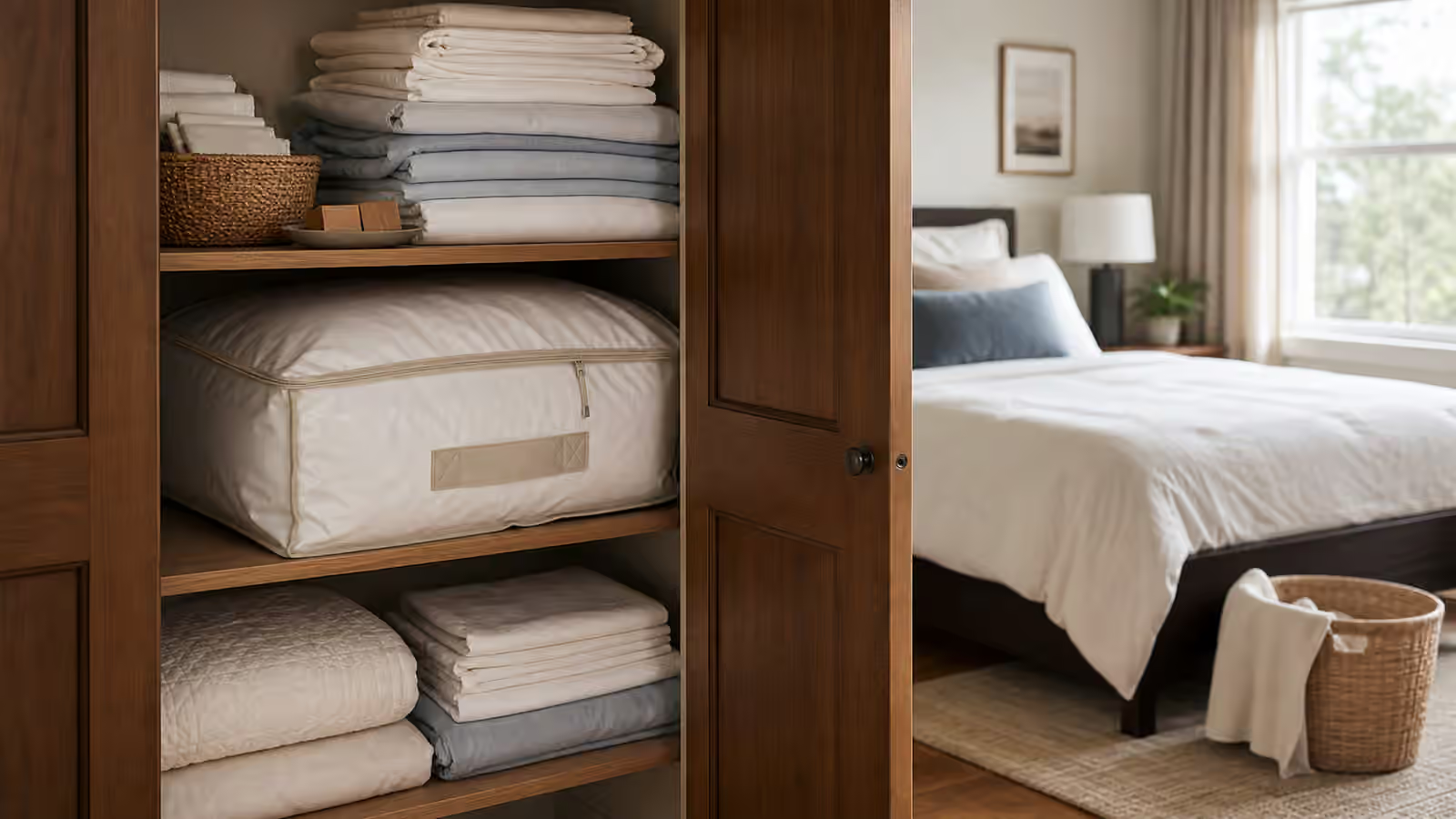
Fresh sheets help, but they do not carry the whole dust plan. Pillowcases, mattress protectors, duvet covers, throws, decorative pillows, pet blankets, sleep masks, and washable rugs all have different rhythms. A bed can have clean sheets and still feel stale because the throw at the foot has not been washed in months or the pillow protector is overdue.
Bedding Wash and Rotation gives the broader laundry method. Around dust, the key is to notice which fabrics live closest to the face and which fabrics catch debris from the room. Pillowcases and pillow protectors matter because they sit near hair, skin, and breathing space. The mattress protector matters because it is the hidden layer between the sleeper and the mattress. Throws and extra blankets matter because they often sit on chairs, floors, and pets before returning to the bed.
The bed should be easy to strip and remake. A beautiful pile of layers can become a dust trap if washing it feels like a production. If the room already feels dusty, simplify the top of the bed before adding another textile. A lighter quilt, fewer decorative pillows, and a washable cover at the foot may do more for daily freshness than a larger laundry plan nobody follows.
Under the bed is part of the room
Under-bed space is easy to treat as separate from the bedroom because it is not visible from standing height. From the bed, though, it is close. Air moves around it. Dust gathers there. Pet hair settles there. Storage bins rub the floor there. If the bed frame is low, the space may become hard to reach and easy to ignore.
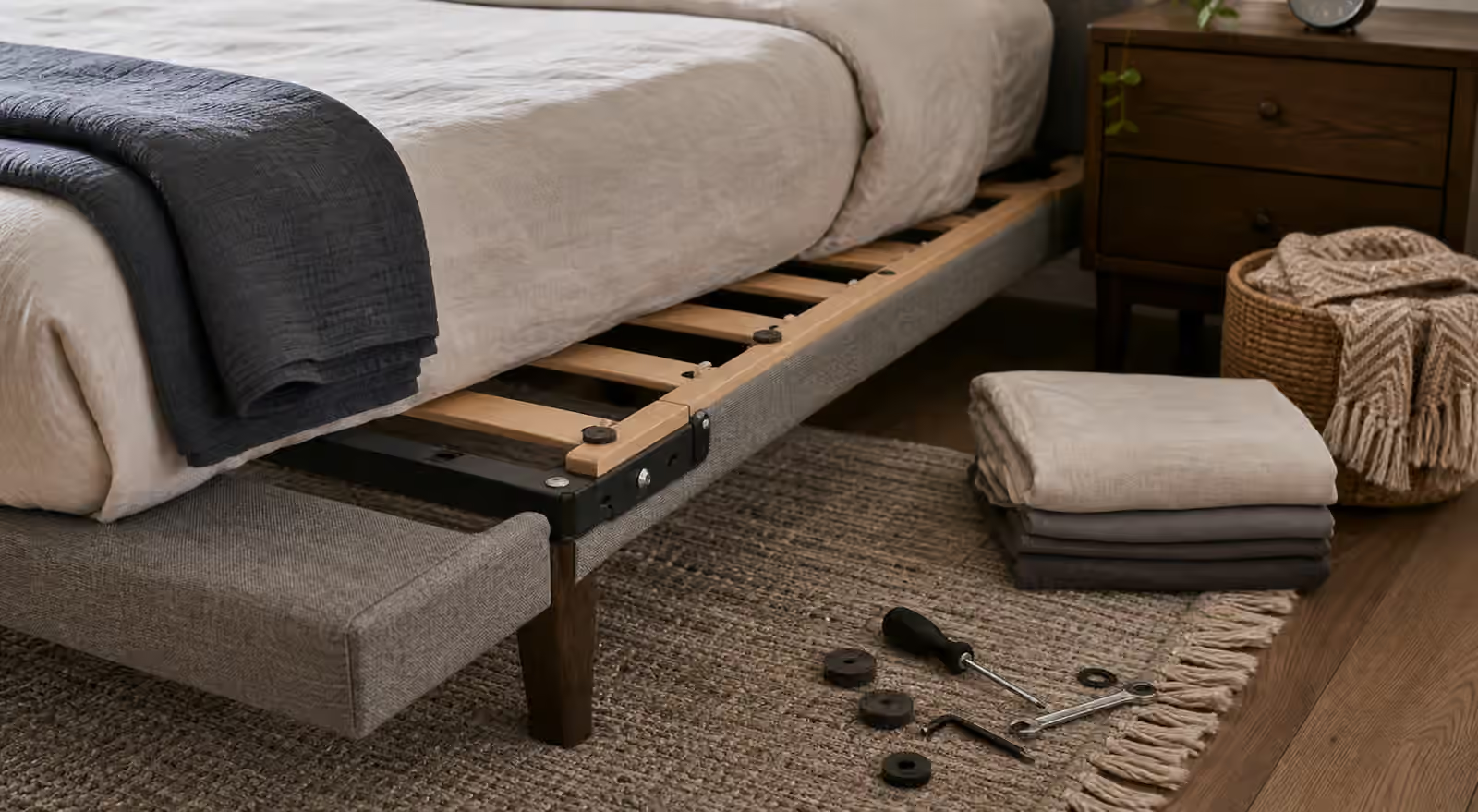
The cleanest under-bed plan is either empty enough to vacuum or organized enough to move. Closed bins beat open piles. Fabric bins can be quieter and less visually harsh than clear plastic, but they still need to be removable. Cardboard boxes often soften and collect dust at the edges, especially in humid rooms. If a bin is too heavy to slide out, it is not a storage solution near the bed. It is a long-term dust shelf.
Bed Frames and Foundations matters here because the support layer determines cleaning access. A frame with center legs, drawers, motors, or low rails can be perfectly valid, but it should be judged as a maintainable object. Floor Mattress and Low-Bed Setup goes further for rooms where the mattress sits very close to the floor and airflow is part of the dust and moisture picture.
Rugs, curtains, and soft surfaces need purpose
Soft surfaces help a bedroom feel calm. They can quiet footsteps, soften echo, block light, and make the room less stark. They also hold dust. The answer is not to remove every textile. The answer is to keep the useful ones and choose versions you can actually clean.
A rug beside the bed should lie flat, survive regular vacuuming, and leave a clear walking path. A thick rug that sheds heavily or jams under a door may not be worth the texture it adds. Curtains should match the room’s real light problem, but they should also be reachable for cleaning. Heavy blackout curtains can improve light control and soften sound, yet they become part of the maintenance schedule once they are installed.
Blackout Curtains Guide and Bedroom Rugs and Floor Paths cover the setup side. Dust control adds one more test: can this textile be vacuumed, shaken, washed, or cleaned without rearranging the whole bedroom? If the answer is no, the textile needs to earn its place.
Fans, vents, and purifiers can move dust around
Air movement can help a bedroom feel fresher, but moving air through a dusty room can also stir the surfaces you forgot. Fan blades, vent covers, return grilles, purifier intakes, and open windows all participate. A fan aimed across a dusty shelf is not only moving air. It is sampling the shelf.
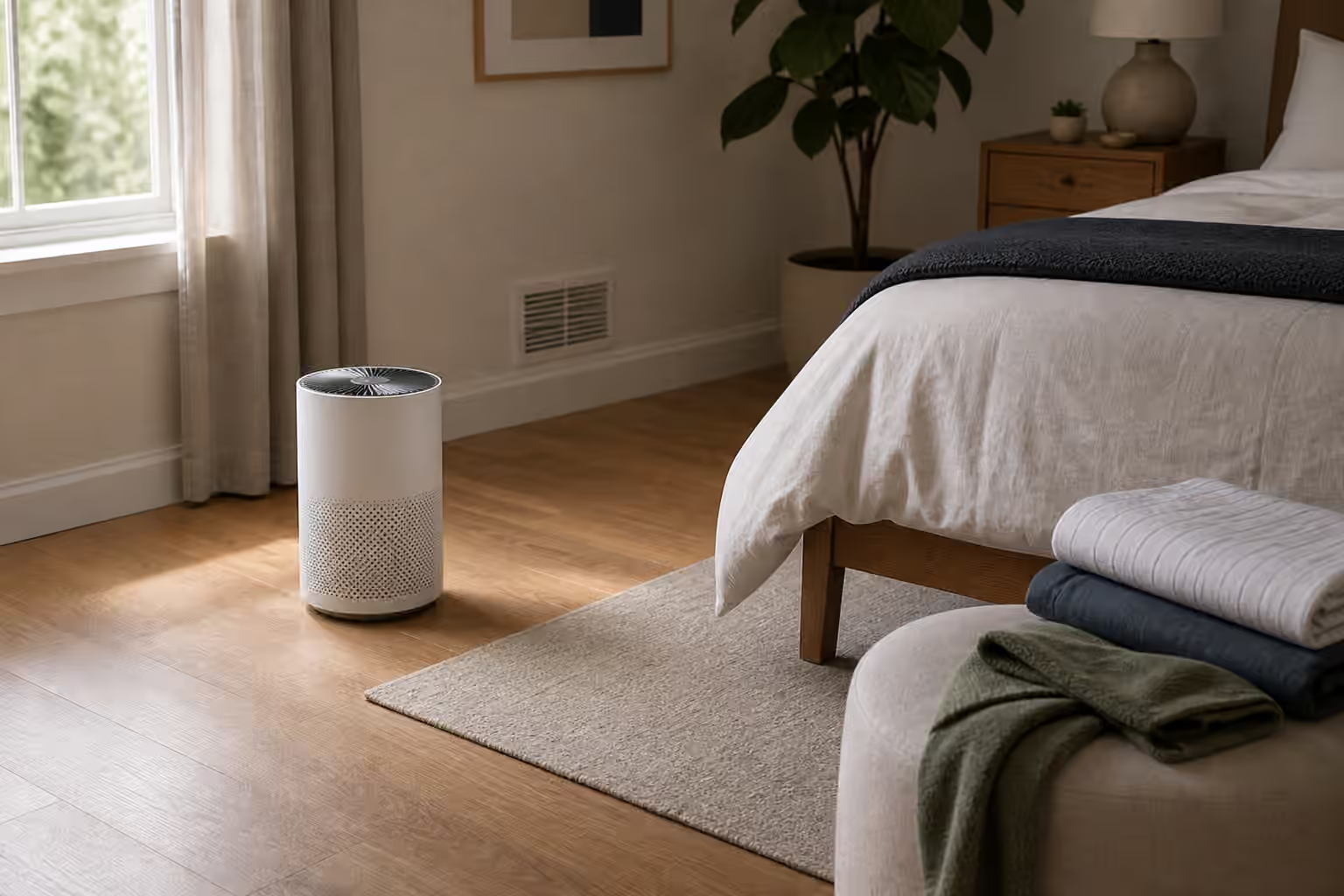
Clean the air path before judging devices. Dust fan blades and guards. Clear the purifier intake and outlet. Keep curtains from blocking airflow. Do not wedge a purifier under a table because the floor is crowded. Bedroom Air Quality Basics is the broader guide, and its main lesson applies here: filtration can help, but it cannot replace surface cleaning, moisture awareness, or a realistic filter schedule.
Filter maintenance should be boring and visible. If replacement filters are expensive, hard to find, or easy to forget, that matters. A purifier that runs on an old filter may become another neglected object. Keep the model number or filter type somewhere practical, but avoid taping labels with readable text onto the front of the room. The goal is a device that supports the room quietly, not a gadget shrine beside the bed.
Pets and laundry change the rhythm
Pet-friendly bedrooms need a different dust rhythm. Hair, dander, litter dust, outdoor grit, bedding odor, toys, and paw traffic all change the room. This does not mean pets cannot share the bedroom. It means washable layers, clear floor paths, and pet bedding need to be designed into the space instead of added after the room is full.
Pets in the Bedroom covers boundaries and washable bedding. Dust control adds the weekly reality check. Where does pet hair gather? Which blanket is easiest to wash? Can the pet bed be moved for vacuuming? Are toys kept out of the night path? Does the purifier intake sit near loose hair? The pet-aware dust plan should be specific enough that the room can reset without resentment.
Laundry habits matter even without pets. A hamper near the bed can be useful if it prevents clothing piles, but it should not block airflow or become a fabric tower. Sleepwear, robes, and extra blankets need a home that is not the pillow, the floor, or the chair where everything lands. Dust control often improves when the room stops using the bed as a staging table.
Build a reset that fits the room
The best dust routine is modest enough to repeat. Open the room for ventilation when conditions allow. Strip or fold back bedding long enough for the bed to breathe. Clear the nightstand before wiping it. Vacuum the floor path and under the bed. Dust the lamp, fan, vent, and purifier intake before they look dramatic. Wash the fabric layers that actually touch the sleeper or collect debris.
This does not need to happen all at once. A small room with little storage may need shorter, more frequent resets. A guest room may need a reset before and after visitors. A humid room may need extra attention to drying and airflow. A pet room may need washable covers placed where the animal actually sleeps, not where a person wishes the animal slept.
Dust control works when the room becomes easier to read. If the bed feels stale, you know which layers were washed. If the floor feels gritty, you can reach it. If the air feels heavy, you can tell whether the issue is dust, humidity, airflow, or a blocked filter. A cleaner bed area is not sterile. It is simply a room where the surfaces that shape the night are no longer being ignored.