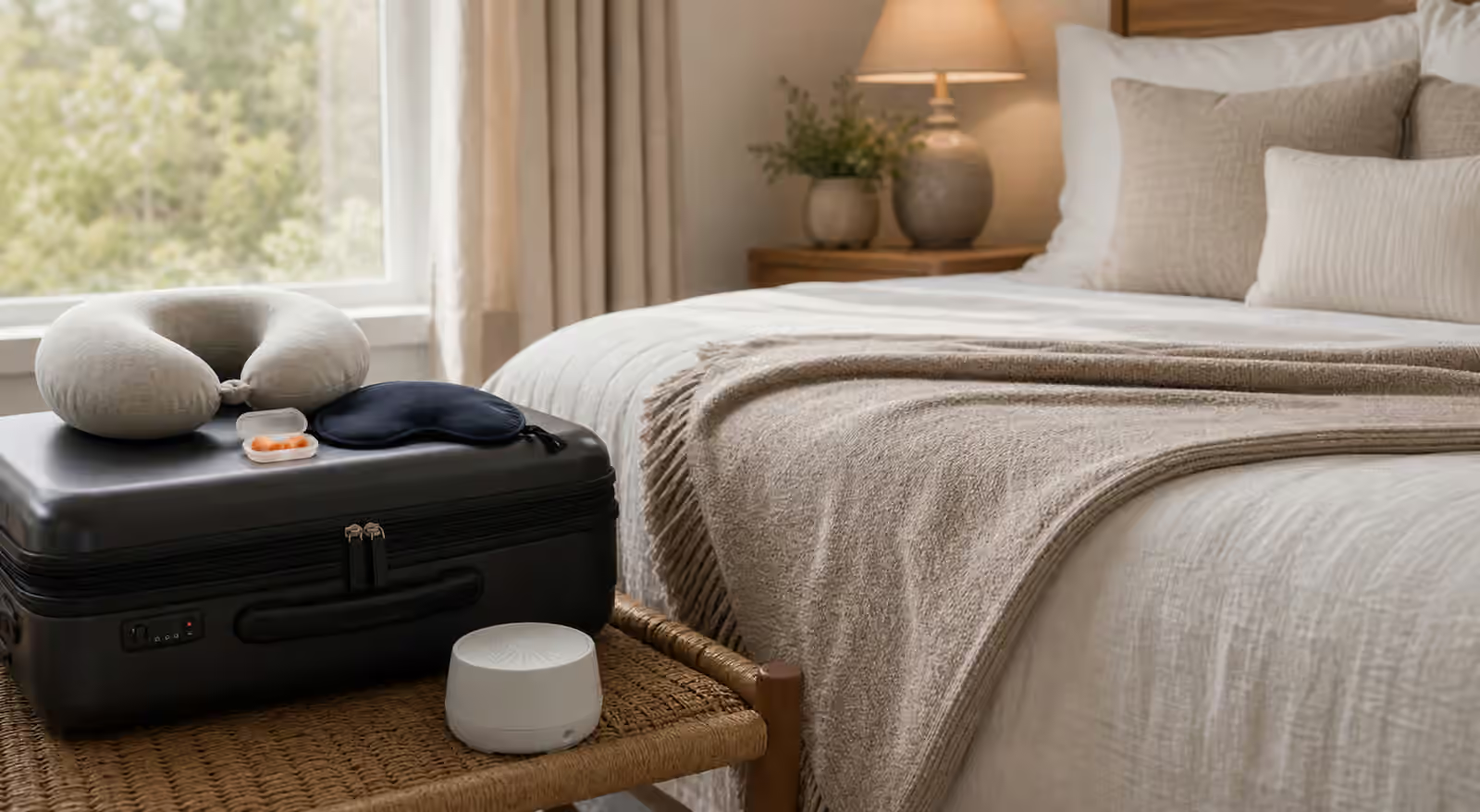
Seat sleep is limited by posture, noise, light, temperature swings, and space. The right kit is compact and boring, not bulky and hopeful.
Buy for the trip you actually take.
Plane kit versus car kit
Seat sleep needs different gear depending on how much space and control you have.
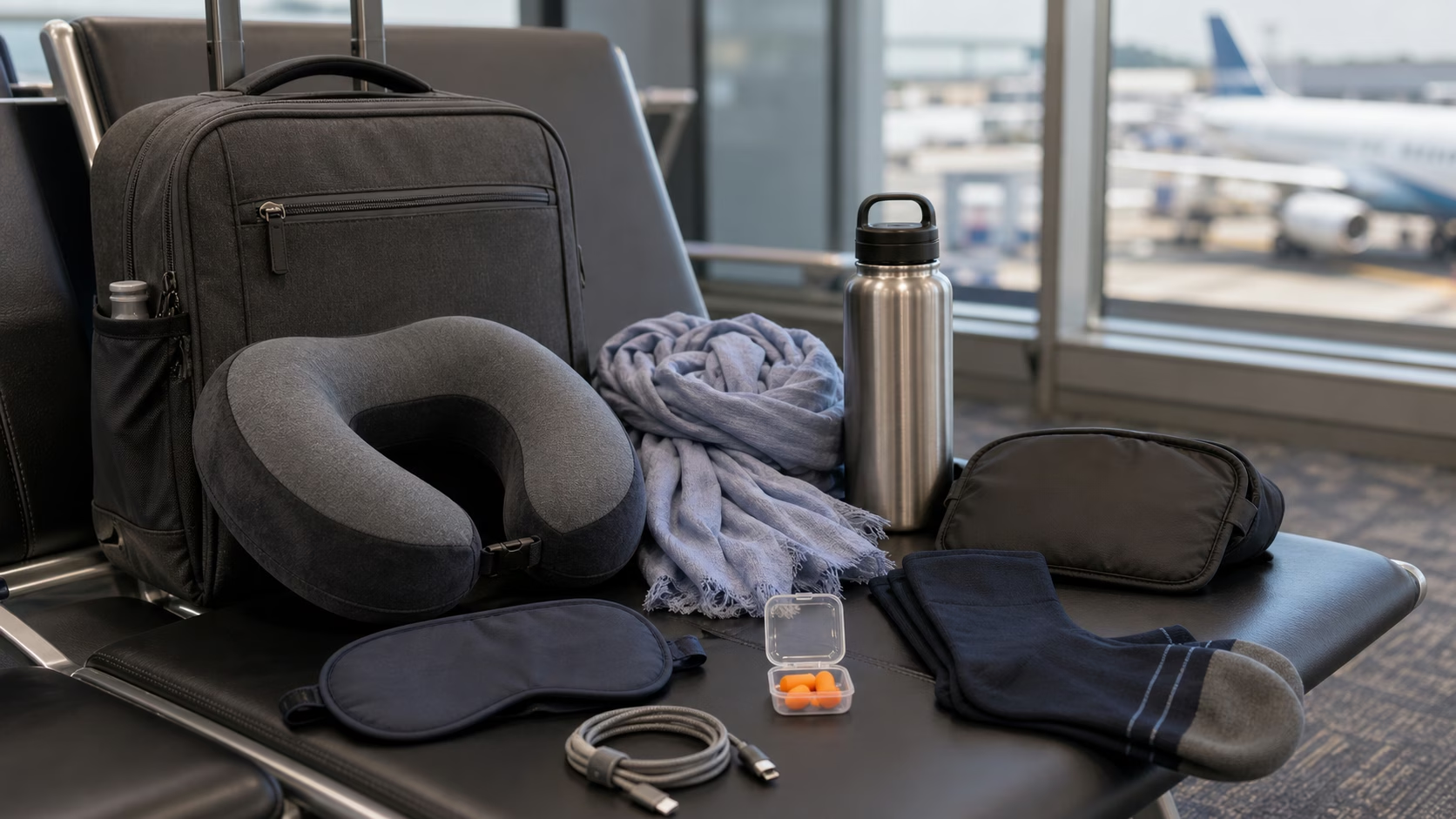
On a short flight, an eye mask, earplugs, and a small layer usually matter more than a bulky pillow or extra gadgets. On a long flight, better neck support, charging, and a warm layer are worth more, but anything unreachable from the seat is dead weight. A road trip passenger can use an adjustable pillow, blanket, and sunglasses or mask, as long as nothing interferes with the seat belt. A driver rest stop needs a simple pillow, water, and a safe parking plan, not gear that encourages drowsy driving. On trains and buses, noise control, a cable kit, and a compact blanket help more than loose items that roll under seats.
What to compare
Compare neck pillow shape and pack size in the position you actually travel in. Eye masks should block light without pressing awkwardly on the eyes. Earplugs and noise-reducing headphones solve different problems, so test comfort before assuming one replaces the other. A warm layer should fold small. Cable length should match seat outlets or power banks. The pouch should be reachable without unpacking the whole bag.
Fit test before the trip
Try the kit at home in a chair, not lying in bed. Sit upright, wear the mask, use the earplugs, and see whether the pillow pushes your head forward or supports it from the side. If the setup feels annoying at home, it will feel worse under cabin lights.
Pack the kit in the same pocket every time. Travel comfort gear fails when it is technically packed but impossible to reach without opening the overhead bin.
What earns bag space
The useful travel kit is usually smaller than the fantasy version. If an item only helps in one rare situation, it can stay home. If it solves a problem you hit on nearly every trip, give it a fixed place: earplugs for unpredictable noise, a mask for overhead lights, a layer for temperature swings, and a cable that reaches the outlet without yanking your phone onto the floor. The goal is not to sleep perfectly in a bad seat. It is to remove the two or three irritations that reliably keep you from resting at all.
Shopping shortcut
For seat travel, compare compact travel neck pillows and travel earplugs with a case . The best choice is the one you can reach without opening your main bag.
Avoid travel-kit mistakes
Do not buy the biggest neck pillow just because it looks supportive. Do not pack earplugs for the first time without testing fit. Do not use a bright phone screen as the only sound machine if that screen keeps waking the seat. Do not forget that airplane cabins can swing warm and cold. Most of all, do not let comfort gear consume the space needed for documents, medication, chargers, and the things that actually keep travel smooth.
Good default
Do a short home test. Wear the mask, try the earplugs, and sit with the pillow for fifteen minutes. Annoying travel gear gets more annoying in a narrow seat.
Next step
Test the kit upright before the trip. Seat comfort gear should prove itself before it earns bag space.
Apply this guide as a decision record
Use Airplane and Road Trip Comfort: Seat Sleep Kit Decisions to turn a vague household question into a checkable one. Its scope is specific: A beginner guide to compact travel pillows, eye masks, earplugs, layers, hydration, and packing constraints for trips. Before changing the setup, write down the condition you are trying to change, the constraint that matters most, and the evidence you still lack.
For a first pass through airplane and road trip comfort, compare the current state with a relevant baseline and record one observation, measurement, or conversation. Make the smallest reversible change available. Keep the manual, model number, room condition, schedule, or maintenance note beside the decision so a future check does not depend on memory. Keep airplane comfort, road trip comfort, travel kit in view as separate signals instead of treating them as one verdict.
A useful follow-up asks whether Airplane and Road Trip Comfort: Seat Sleep Kit Decisions improved the named problem without creating a new one. Check the tradeoff that fits this subject — heat, noise, comfort, water, power, wear, effort, or cost — and describe the result in plain language. If a boundary is safety-critical, stop at the guide’s limit and bring the details to a qualified local professional.
The conclusion for airplane and road trip comfort should stay narrow. Record what was observed, which condition made the result possible, what maintenance keeps it dependable, and what would make you revisit the choice. That turns a guidebook into a decision record you can use again rather than a promise to remember.