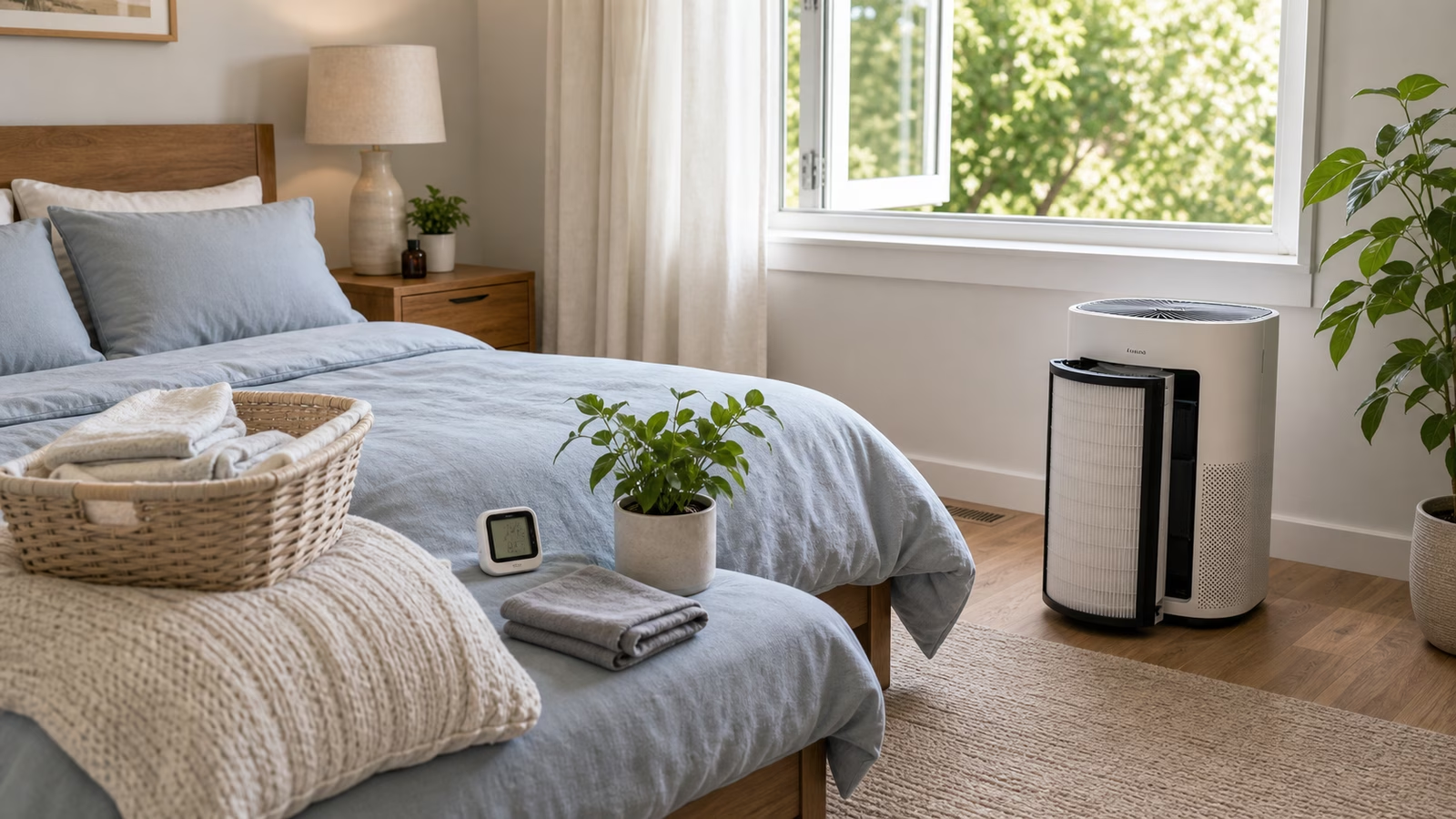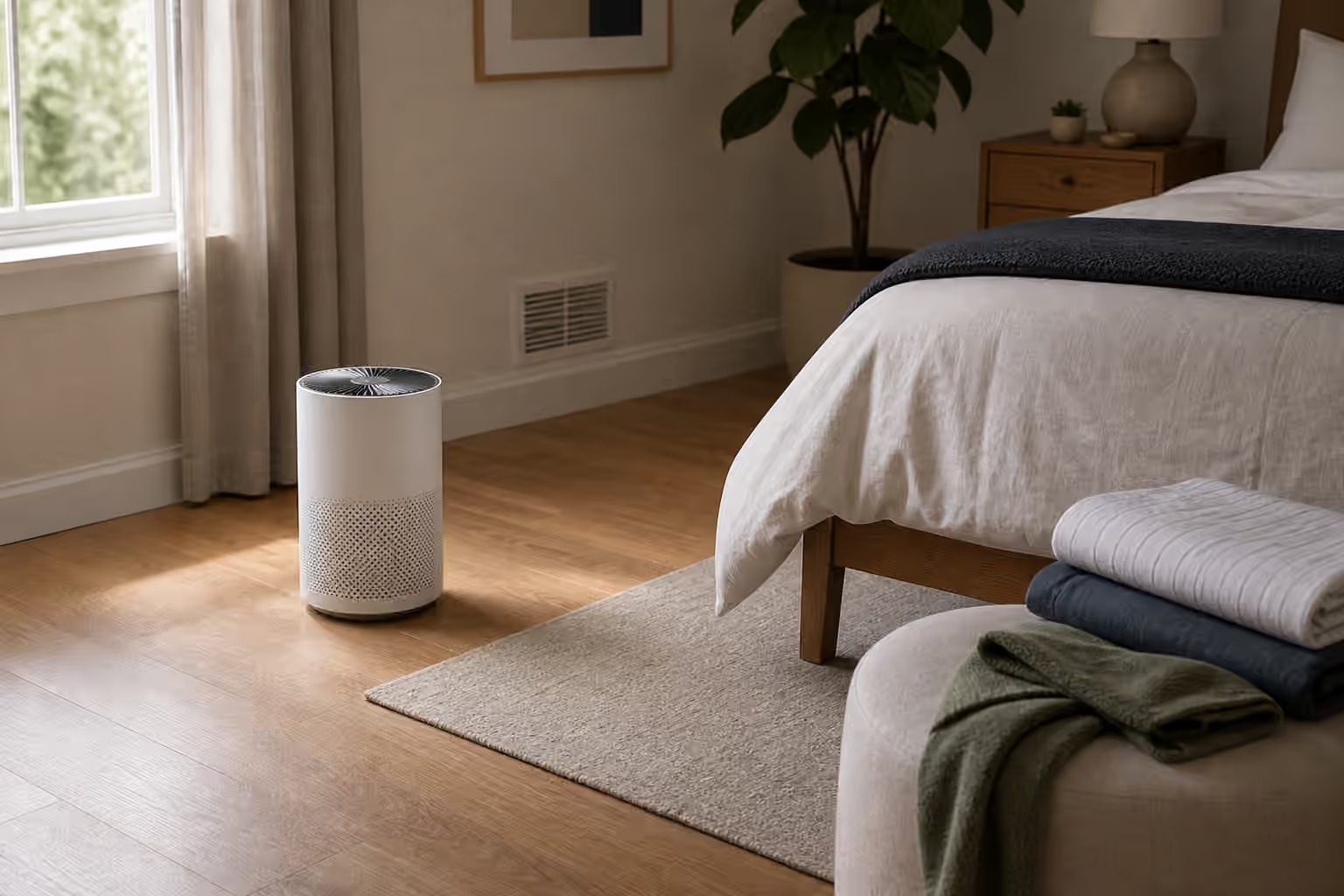
An air purifier can be a useful bedroom tool, but only if air can actually reach it. Many purifiers are bought for the right reason and then placed in the wrong corner. They sit behind curtains, under a desk, tight against a wall, beside a laundry pile, or close enough to the bed that the airflow bothers the sleeper. The machine runs, the light glows, the filter ages, and the room does not feel much better. For background, see EPA — Biological Contaminants and Indoor Air Quality .
This guide is about placement and maintenance, not medical treatment or building remediation. A purifier cannot fix mold, water intrusion, combustion problems, persistent smoke, or severe indoor-air concerns by itself. For ordinary bedroom setup, though, placement can decide whether a purifier becomes a quiet helper or just another object with a cord.
Clean the room before judging the machine
Bedroom Air Quality Basics starts with the room because filtration works better when the room is not constantly feeding the problem. A purifier should not be asked to compensate for dusty fan blades, dirty vents, pet bedding that never gets washed, open storage under the bed, or a hamper full of damp laundry. Those things keep adding particles and odors faster than a small machine can make the room feel cared for.
Before moving the purifier, do a plain reset. Vacuum around and under the bed if you can reach it. Dust the nightstand, blinds, fan, shelves, and vent covers. Wash pillowcases and throws on the schedule they actually need. Move laundry out of the sleep zone. Clear the floor where air should move. Then place the purifier in the cleaner version of the room, not in the room at its most chaotic.
This matters because a purifier’s success is hard to judge when the room is changing every day. If the purifier is the only clean object in a dusty bedroom, the setup problem is larger than placement.
Give intake and outlet real space
Air purifiers need breathing room. The exact intake and outlet pattern depends on the model, so read the product instructions, but the principle is steady: do not trap the machine. A unit tight behind a curtain may mostly pull air from a small pocket. A purifier pressed into a corner may recycle the same nearby air. A machine under a desk may be blocked by chair legs, bedding, or storage bins.
Look at the purifier as part of the room’s air path. It should sit where air can approach and leave without immediately hitting fabric, furniture, or a wall. It should not blow strongly into loose curtains, papers, or the side of a blanket. It should not sit where the bedspread blocks the outlet after someone makes the bed. If it has a front intake, do not face that side into a nightstand. If it vents upward, keep shelves and low windowsills out of the way.
The best position is often boring: on the floor with open space around it, not too close to the pillow, not hidden behind furniture, and not in the middle of the walking path. A purifier that trips someone or gets kicked aside will not stay well placed.
Balance sound with effectiveness
Bedrooms are quiet rooms, so purifier noise matters. A unit that sounds acceptable in the afternoon may feel too present at midnight. The lowest setting may be quiet but too weak for the room. The highest setting may move air well but make sleep feel mechanical. Placement changes the sound as much as the setting. A purifier near a wall can sound louder. A purifier close to the pillow may be distracting even when the decibel number seems modest.
Test settings at bedtime, not only during setup. Lie in the bed and listen. Notice whether the sound is steady or pulsing, whether it changes when the door closes, and whether it competes with a fan or sound machine. If sound is the main reason the purifier gets turned off, move it farther from the bed before replacing it. If the display light bothers you, handle that before the machine becomes another nightstand annoyance.
Bedroom Electronics Light and Hum covers this broader pattern. A purifier is still bedroom electronics. Its light, hum, cord, and controls need to behave in the dark.
Keep it away from fabric traps
Bedrooms contain a lot of fabric. Bedding, curtains, rugs, upholstered headboards, clothes, throws, and storage bins all collect dust differently. A purifier buried in fabric can become less effective and harder to clean. It can also blow air across dust reservoirs in a way that makes the room feel worse.
Keep the purifier away from dangling curtains unless the model and placement clearly avoid fabric interference. Do not park it beside an overflowing hamper. Do not aim it under the bed if under-bed storage is dusty or blocked. If the room has a thick rug, leave enough space to vacuum around the unit. If pets use the bedroom, avoid placing the purifier where fur piles up behind it unnoticed.
Bed-Area Dust Control is the practical companion. Placement helps, but cleaning paths keep the placement from degrading. A purifier surrounded by dust is not a clean-air strategy. It is a reminder that the room needs maintenance.
Plan the cord and filter routine
Purifier placement is also cable placement. The cord should not cross the nighttime path, sit under a rug in a way that hides wear, pull tight behind furniture, or share a crowded outlet with heated bedding or a pile of chargers. If the only good air position creates a bad cable position, solve the cable route before calling the placement finished.
Filter changes need the same realism. Some units require space to open from the side, back, top, or bottom. If the purifier is wedged into a corner, filter changes become irritating and delayed. Keep the replacement schedule somewhere you will see it, or use a calendar reminder if the machine’s indicator is easy to ignore. Store replacement filters where they stay clean and dry.
The filter cost belongs in the setup decision. A machine with expensive filters may be fine if it is maintained. A cheaper machine with neglected filters may become a noisy lamp. The right purifier is the one that fits the room and the household’s habits.
Match placement to the room mode
A bedroom changes through the day. At night, the door may close, curtains may close, bedding may cover more surfaces, and a fan may run. In the morning, the window may open and the bed may air out. A purifier placed for daytime may not be ideal overnight.
Test the purifier in the room mode that matters most. If the door is closed at night, listen and feel airflow with the door closed. If the window opens before bed, notice whether the purifier still belongs in the same place. If a fan runs, make sure the fan and purifier are not fighting each other. Bedroom Fan Placement can help if airflow feels confused.
The purifier should become part of an ordinary room rhythm. Clean the room, clear the intake, run the setting you can tolerate, change filters, and keep the cord out of the path. Those habits are less exciting than buying the machine, but they are the part that makes the machine worth owning.