
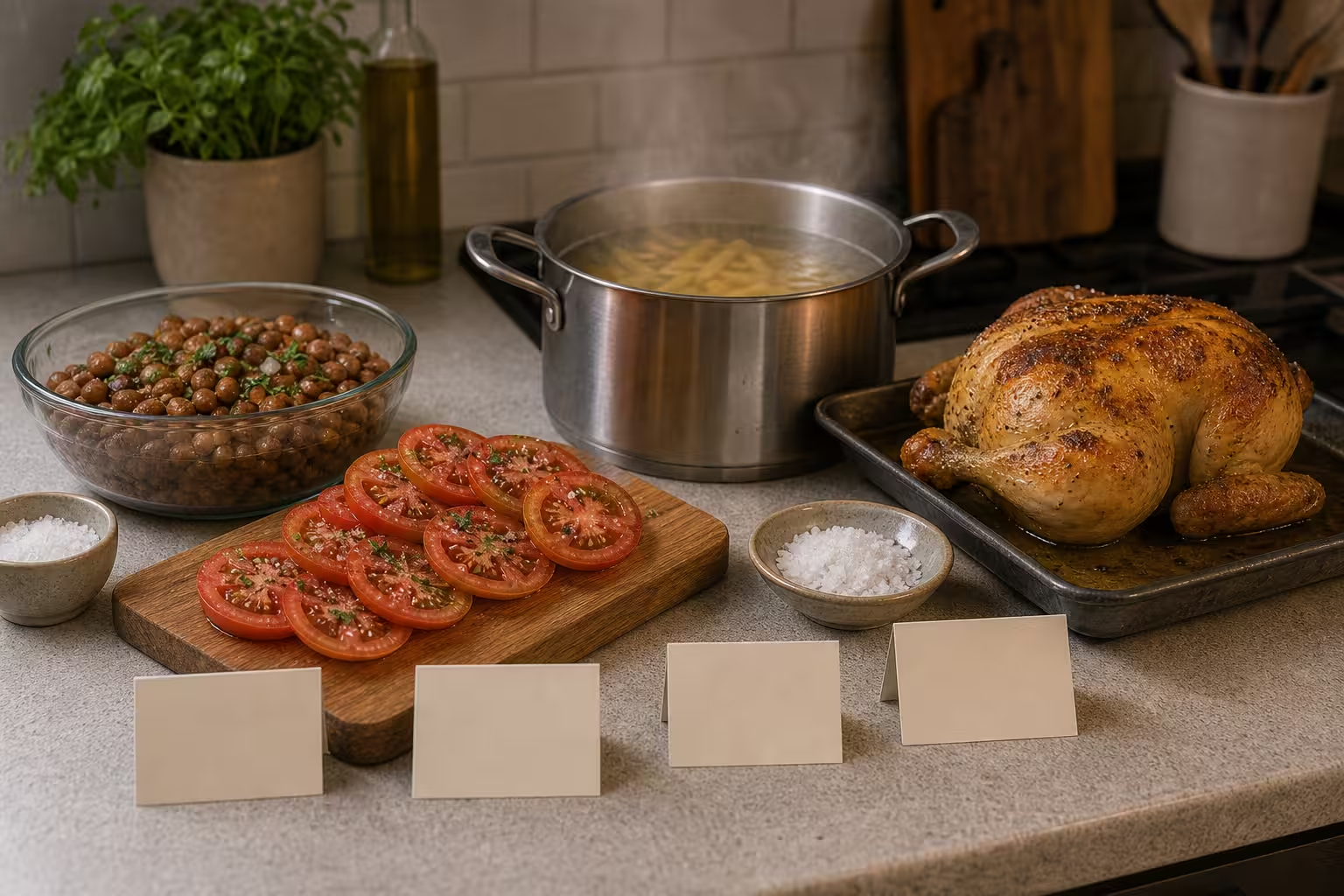
The question is not only how much salt to use.
It is when.
Salt behaves differently depending on timing. Added early, it can move into food, draw out moisture, season from within, firm or soften texture, and give flavors time to settle. Added at the end, it can sit on the surface, sharpen a bite, add crunch, and make aromas seem brighter. The same amount of salt can taste flat, harsh, subtle, or perfect depending on where it enters the cooking.
That is why good seasoning is not a single heroic pinch over a finished plate. It is a conversation with the food while it changes.
Early salt becomes part of the food
When salt is added early, it has time to dissolve. Once dissolved, it can move with water. This is why meat salted ahead of cooking tastes different from meat salted only at the table. The salt does not merely sit on the crust. It has time to work its way inward, changing how the meat holds moisture and how evenly seasoned each bite feels.
This does not mean every ingredient should be salted hours in advance. It means time gives salt a different job. A chicken salted the day before roasting can taste seasoned through the meat rather than decorated on the skin. A steak salted before cooking can build a better crust once surface moisture has had time to reabsorb or evaporate. A pot of soup salted gradually can taste integrated instead of suddenly salty at the end.
Early salt is especially useful when the food itself is dense, bland, or watery. Potatoes, grains, beans, pasta, meat, and many vegetables benefit from salt entering the cooking environment. If the water, broth, or cooking fat is completely unsalted, the finished food often tastes like it has a seasoned surface and an indifferent interior.
Pasta water teaches the lesson quickly
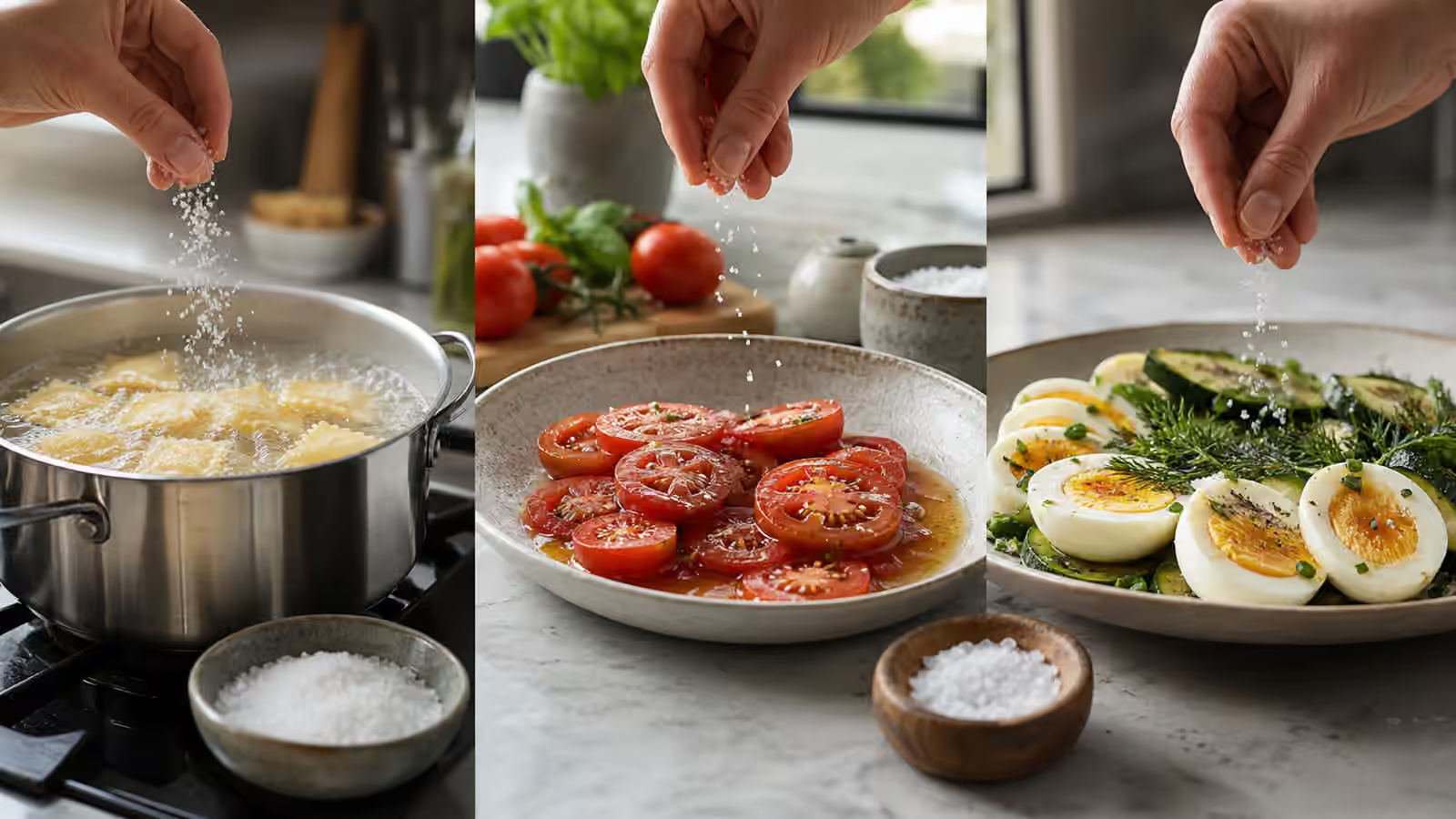
Pasta is the easiest classroom for salting timing. If pasta is cooked in unsalted water, no amount of sauce can fully fix the blandness inside the noodle. The sauce may taste good, but the pasta itself remains separate from the seasoning. Salt in the water solves that because the noodle absorbs seasoned water as it cooks.
This is not about making pasta water taste like seawater as a slogan. It is about giving the starch a chance to become food before sauce arrives. The water should be noticeably seasoned. The exact amount depends on water volume, pasta shape, sauce saltiness, and personal taste, but the principle is steady: salt the cooking water, not only the finished bowl.
Rice, potatoes, and grains work the same way. They do not need to be aggressively salty, but they need some seasoning in the cooking stage. A bowl built on bland rice asks every topping to work harder. A potato salted only after roasting may have a delicious surface and a dull center. Early salt gives the base a voice.
Vegetables change with salt
Vegetables show another side of timing because salt draws out water.
Salt sliced tomatoes a little before serving and their juices wake up. The tomato tastes more like itself. Salt cucumbers or cabbage and they soften, release liquid, and become ready for dressing. Salt eggplant before cooking and it can shed moisture, though modern varieties often do not need the old heavy salting treatment people remember. Salt mushrooms too early in a hot pan and they may release water before they brown, which can be useful or annoying depending on the dish.
The point is not that moisture release is good or bad. The point is that salt changes the pace. If you want a crisp raw salad, salt close to serving or use sturdier vegetables. If you want slaw that relaxes into dressing, salt earlier. If you want roasted vegetables with browning, salt with enough time for surface moisture to manage itself, and avoid overcrowding the pan. If you want tomatoes to create their own dressing, salt them while the rest of dinner comes together.
Vegetables reward attention because they respond quickly. A bowl of salted tomatoes teaches timing in ten minutes.
Beans and soups need patience
Beans, lentils, stews, and soups are where many cooks become timid. They have heard conflicting advice about salting beans, or they worry that reducing liquid will make everything too salty. The result is often a pot that tastes earnest and unfinished.
Modern cooking practice is kinder to beans than old warnings suggest. Salt can help beans taste better as they cook, though acid and age can affect texture in other ways. A completely unsalted pot of beans may become tender, but the flavor can remain hollow. Salted cooking liquid gives beans a chance to absorb seasoning rather than receive it only as a surface correction.
Soups and stews need gradual tasting. Salt early enough that ingredients cook in a seasoned environment, but leave room for reduction, salty additions, and finishing adjustments. Stock, cured meat, cheese, miso, soy sauce, canned tomatoes, and commercial broth can all bring salt with them. The cook’s job is not to guess perfectly at the start. It is to season in stages and taste as the pot changes.
If a soup tastes flat but not obviously under-salted, salt may still be the issue. A small pinch can make herbs, sweetness, acidity, and savoriness step forward. If it tastes salty but dull, the fix may be acid, fat, dilution, or time, not more salt. Timing teaches you to listen earlier.
Finishing salt is a different tool
Finishing salt is not a substitute for cooking salt. It is a surface instrument.
A delicate flake on eggs, tomatoes, chocolate, grilled vegetables, or sliced steak gives a bright first impression because the crystal touches the tongue before it fully dissolves. Fleur de sel can add a soft mineral sparkle. A damp gray salt can bring savory depth. A smoked salt can add aroma. These salts work because they remain visible and textural at the end.
If the food underneath is bland, finishing salt has to shout. That is when expensive flakes become a rescue mission instead of a pleasure. The better pattern is to season the food properly during cooking and use finishing salt as a final texture or accent. The surface crystal should make a good bite more vivid, not compensate for a missed foundation.
This distinction also protects your salt shelf. You do not need to pour delicate finishing salt into pasta water. You do not need a beautiful flake inside a long-cooked stew where it will dissolve and lose its texture. Use everyday cooking salt for integration. Use finishing salt where texture and first contact matter.
Timing creates confidence
Learning when to salt makes cooking calmer because it replaces panic with stages. Salt the water when the food needs to absorb seasoning. Salt meat early when you want deeper seasoning and better texture. Salt vegetables with attention to moisture. Salt soups and stews gradually. Finish with special salts only when the surface matters.
The more you cook this way, the less you rely on dramatic last-minute correction. Food begins to taste seasoned rather than salty. The difference is subtle but real. Salty food calls attention to the salt. Seasoned food tastes more like itself.
That is the quiet power of timing. Salt is not only an ingredient. It is a sequence.


