Tasting for salt sounds simple until the spoon lies. A soup tastes right while simmering, then turns salty after reducing. A sauce tastes flat from the spoon, then becomes perfect on pasta. A stew tastes dull while hot because fat and steam blur it, then tastes seasoned once it rests. A cold grain salad seems underseasoned from the refrigerator and balanced at the table. The problem is not that tasting failed. The problem is that the cook tasted without asking what state the food was in.
This guide belongs with When to Salt , Measuring Salt , and Fixing Over-Salted Food . Those guides explain timing, amount, and rescue. This one focuses on the small repeated act that prevents most rescue work: tasting in a way that resembles the food people will actually eat.
Temperature Changes the Evidence
Hot food throws aroma into the air, softens fat, loosens starch, and makes flavors feel broader. It can make salt seem less direct than it will feel after the food cools slightly on the plate. Very cold food does the opposite. Aroma is quieter, fat firms, starch tightens, and salt can seem either hidden or oddly sharp. A spoonful at the wrong temperature can send the cook in the wrong direction.
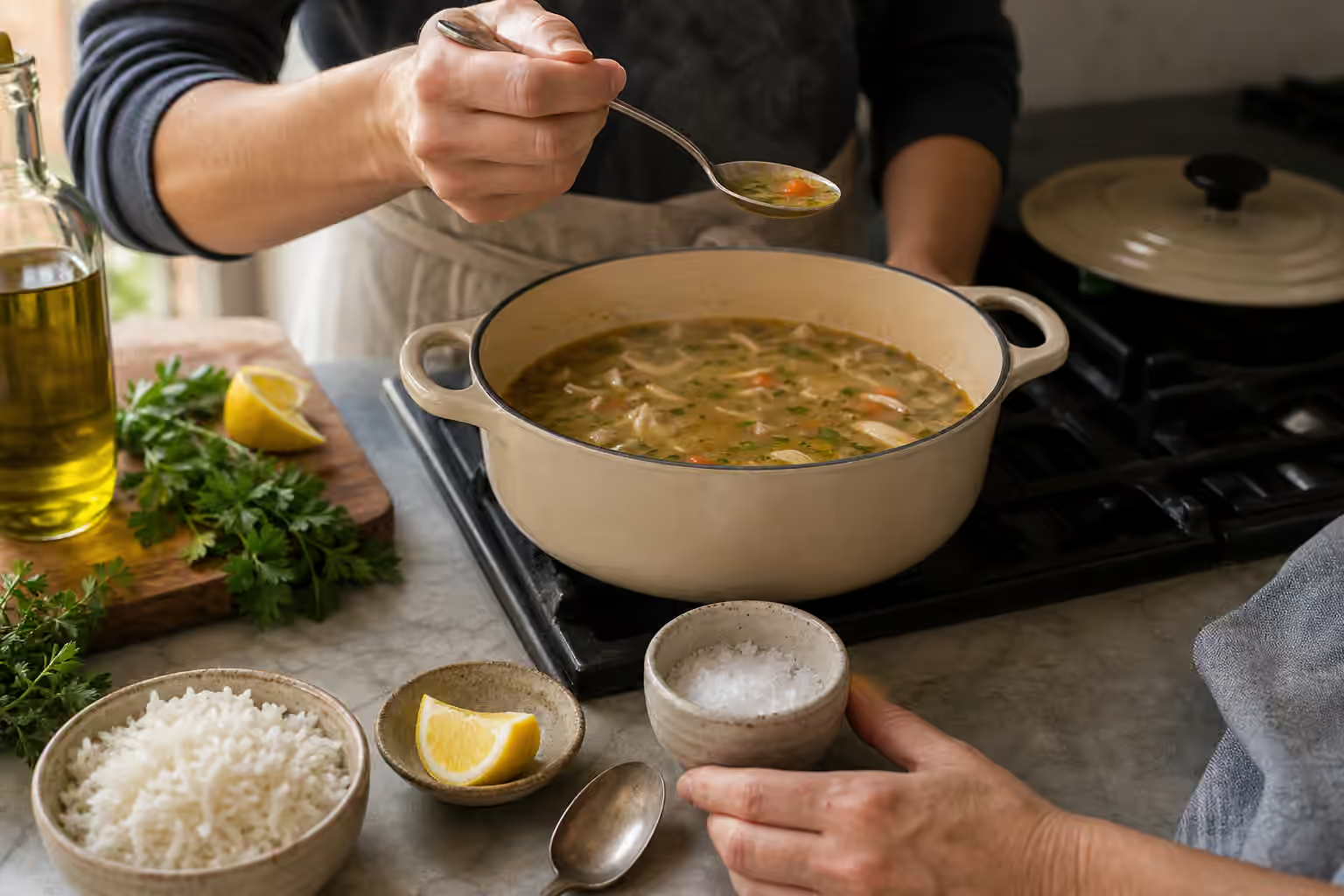
Taste food near the temperature at which it will be eaten when the final salt decision matters. Soup should be tasted hot but not scalding. Grain salads should be tasted cool or room temperature if that is how they will be served. Leftovers should be tasted after reheating, not only straight from the refrigerator. Sauces should be tasted after they reach their final warmth and texture.
There is still value in early tasting. A cold spoonful from the refrigerator tells you whether a leftover has dried, concentrated, or absorbed sauce. A simmering spoonful tells you whether a pot is moving in the right direction. But neither taste should automatically become the final pinch. Temperature is part of the recipe even when the recipe does not say so.
A Spoonful Is Not Always a Bite
The spoon often contains only part of the dish. It may capture broth but not beans, sauce but not pasta, dressing but not greens, gravy but not potatoes, salsa juice but not the taco, or herb sauce without the grilled vegetable underneath. A spoonful can be useful and still incomplete.
Taste the full bite when possible. If you are seasoning pasta sauce, taste it with a noodle. If you are salting gravy, taste it with potato, bread, or the roast it will cover. If you are adjusting a grain bowl component, taste the grain with its sauce and topping. If a salsa will sit on eggs or beans, taste that combination before deciding it needs more salt.
This is why Salt in Grain Bowls and Composed Plates matters beyond bowls. Food is often layered. A spoonful of one layer may taste correct while the assembled bite remains flat or too salty. The full bite reveals whether the salt is distributed where it needs to be.
Reduction Moves the Target
Any food that loses water will taste different later. Soup simmered uncovered, tomato sauce, pan sauce, braising liquid, chutney, gravy, beans, and stews all concentrate. If the cook salts them to completion too early, the finished dish may overshoot. The taste was honest at the time, but the food kept changing.
When a liquid still needs to reduce, taste for direction rather than final balance. It should not taste raw, empty, or harsh, but it does not have to taste finished. Let reduction happen, then make the final salt decision. A sauce that will reduce by a third should be left slightly under where you want it. A stew that will simmer for another hour should not be salted as if dinner is in five minutes.
The opposite problem happens when food will be diluted. Rice may receive unsalted vegetables later. Soup may get water or greens. A stew may get potatoes. A sauce may be tossed with plain noodles. In those cases, the pot may need to taste a little more seasoned before the dilution arrives, then be checked again after everything has met.
Salt for Pan Sauces and Gravy follows this problem closely because a small reduction can change a sauce quickly. The same caution applies to any pot that is still losing water.
Fat, Acid, and Salt Are Easy to Confuse
Flat food does not always need salt. Sometimes it needs acid. Heavy food does not always need salt. Sometimes it needs freshness, heat, herbs, or dilution. Sharp food does not always have too much salt. Sometimes it has too much vinegar or raw garlic. Rich food can hide salt until a bite cools or until the eater takes several bites.
When a dish tastes dull, pause before salting. Ask whether it has enough brightness. A squeeze of lemon, a splash of vinegar, a spoonful of tomato, or a little yogurt may make the existing salt visible. Ask whether fat is muting the flavor. Butter, cream, oil, cheese, and coconut milk can make a dish taste round but quiet. Ask whether bitterness is asking for balance. Greens, coffee, dark chocolate, charred edges, and citrus pith may need salt, but they may also need sweetness, acid, or fat.
Salt, Acid, and Fat gives the larger map. Tasting for salt works best when salt is not asked to do every job. If a dish is properly salted but still flat, more salt only makes a flat dish salty.
Rest Time Redistributes Seasoning
Food changes after it sits. Beans absorb broth. Pasta absorbs sauce. Rice firms. Meat juices settle. Soup starch thickens. Salads release water. Dips become more integrated. Garlic grows stronger. Herbs soften. A taste immediately after stirring may not match a taste ten minutes later.
Rest can help salt spread. A bean salad may taste uneven at first and balanced after the dressing moves into the beans. A soup may taste sharper immediately after salting and calmer after a few minutes. A dry-brined piece of meat needs time for salt to move through surface moisture rather than remain outside.
Rest can also make salt louder. A dressed cucumber salad may release water that tastes salty. A casserole may taste more seasoned once cheese, sauce, and crumbs settle together. A leftover may taste saltier after moisture leaves and flavors concentrate. Taste after the relevant rest when the dish depends on rest.
This is not an argument for waiting forever. It is an argument for matching the taste to the moment that matters. If the food will be served immediately, taste immediately. If it will sit, cool, travel, or reheat, leave room for that future.
Clean Your Palate Without Making a Ritual of It
Repeated tasting dulls judgment. Salt, fat, heat, spice, and acid build up on the tongue. After several spoonfuls, a pot may seem less seasoned simply because your palate has adapted. Water helps. A plain bite of rice, bread, cucumber, potato, or unsalted cracker can help. So can stepping away from the stove for a minute.
Use a clean spoon for tasting so the pot stays clean and the taste is not mixed with yesterday’s coffee, a wooden spoon’s residue, or a mouthful of something else. That is basic kitchen hygiene and basic sensory accuracy at the same time.
The most useful tasting habit is modesty. Add less salt than you think might be needed, stir, let it dissolve, and taste again. Salt that has not dissolved is not telling the truth yet. This matters in soups, sauces, beans, grains, and dressings. A pinch on the surface can make the next spoonful salty while the pot remains underseasoned.
Trust the Pattern More Than the Panic
Panic tasting leads to overcorrection. A dish seems bland, so salt goes in. It still seems bland because the salt has not dissolved, so more goes in. Then heat, rest, reduction, or acid reveals that the first pinch was enough and the second was too much.
The calmer pattern is to taste, identify what state the food is in, adjust one thing, and taste again after that thing has had a chance to matter. If the food is still reducing, wait. If it is too hot to judge, cool the spoonful slightly. If it will be eaten with bread or rice, taste with bread or rice. If it tastes dull but already salty, reach for acid or freshness instead.
Good salting is not a single dramatic moment. It is a series of honest spoonfuls taken at the right time. The cook who tastes with temperature, dilution, rest, and the full bite in mind will need fewer rescues, fewer apologies, and fewer heroic last-minute pinches. The food will simply taste seasoned because the tasting matched reality.