Some salts sparkle. Some salts anchor.
Sel gris belongs to the second camp. It is the salt you reach for when you want seasoning to feel substantial, earthy, and a little close to the landscape it came from. If fleur de sel is lace, sel gris is linen.
What sel gris is
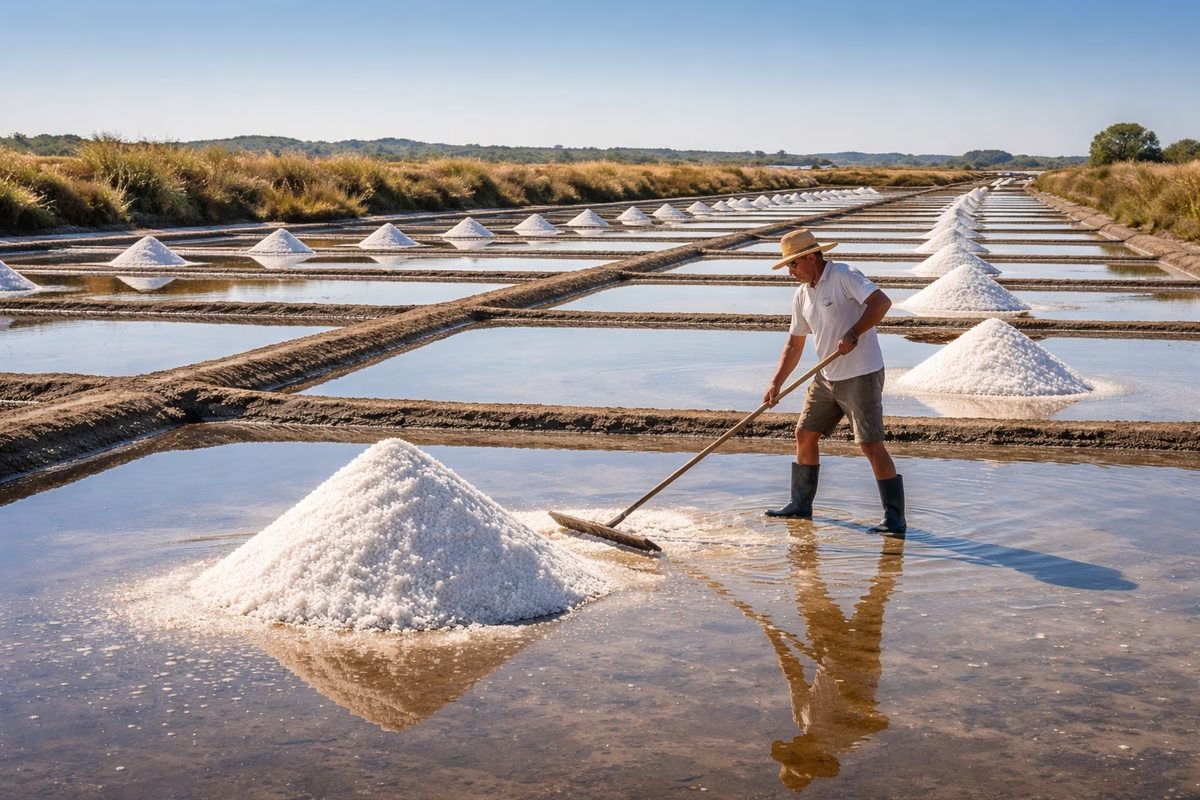
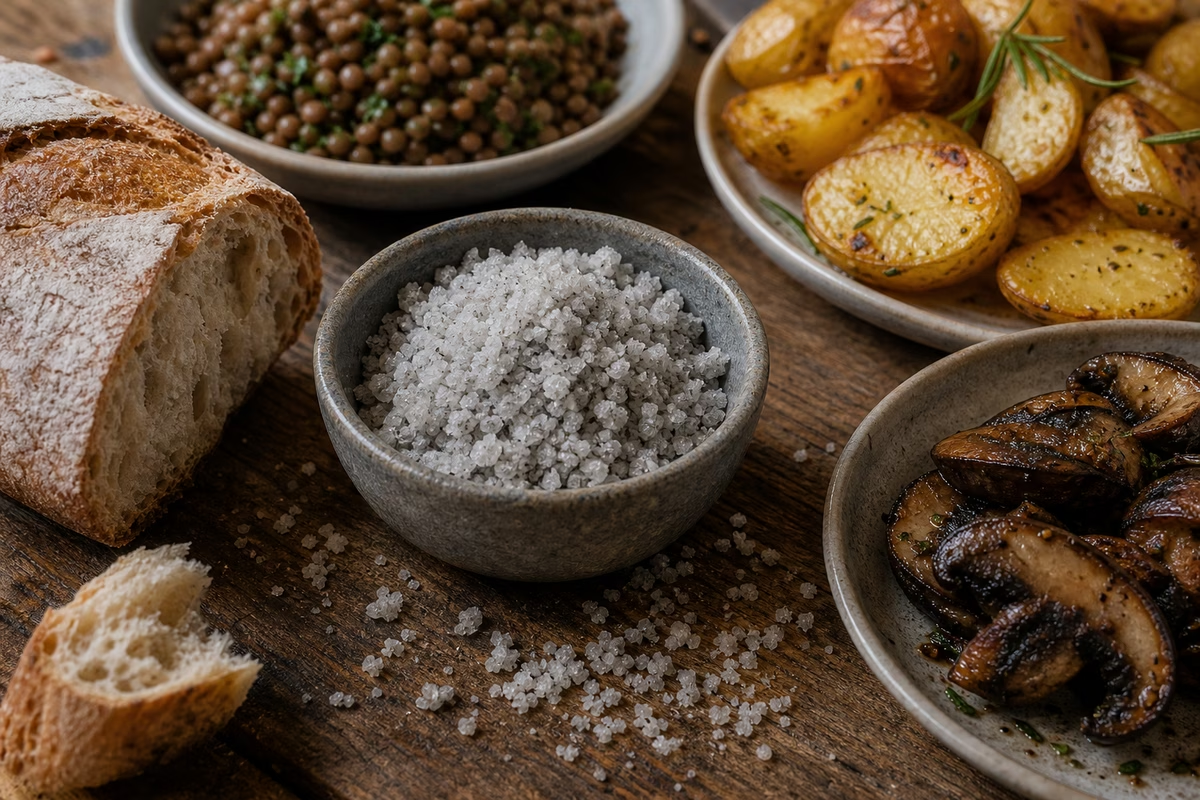
Sel gris, or gray salt, is a moist sea salt associated with clay-lined salt pans. As seawater evaporates, salt crystallizes and comes into contact with the mineral-rich pan below. That contact, along with retained moisture, contributes to the salt’s gray tone and broader mineral feeling.
The important traits are not just color. They are:
- moisture
- density
- slightly irregular crystals
- a savory, less flashy texture
Gray salt is often sold as a finishing salt, but it can also be lovely in cooking where you still want the salt’s character to remain visible.
Why moist salts taste different
Moisture changes everything.
A damp salt pinches differently, disperses differently, and dissolves at a different pace than a dry flake. It can feel more compact on the food and more gradual on the tongue. That slower delivery often reads as deeper or more rounded even when the chemistry is not radically different.
This is one of the clearest examples of physical form driving flavor experience.
It also changes your behavior as a cook. Dry salts invite shaking, scattering, or grinding. Wet salts invite pressing, pinching, and placing. That sounds like a small difference, but it affects how consciously you season. Many people use gray salt more deliberately for exactly this reason. Its resistance in the fingers makes you notice the act.
What foods love wet salt
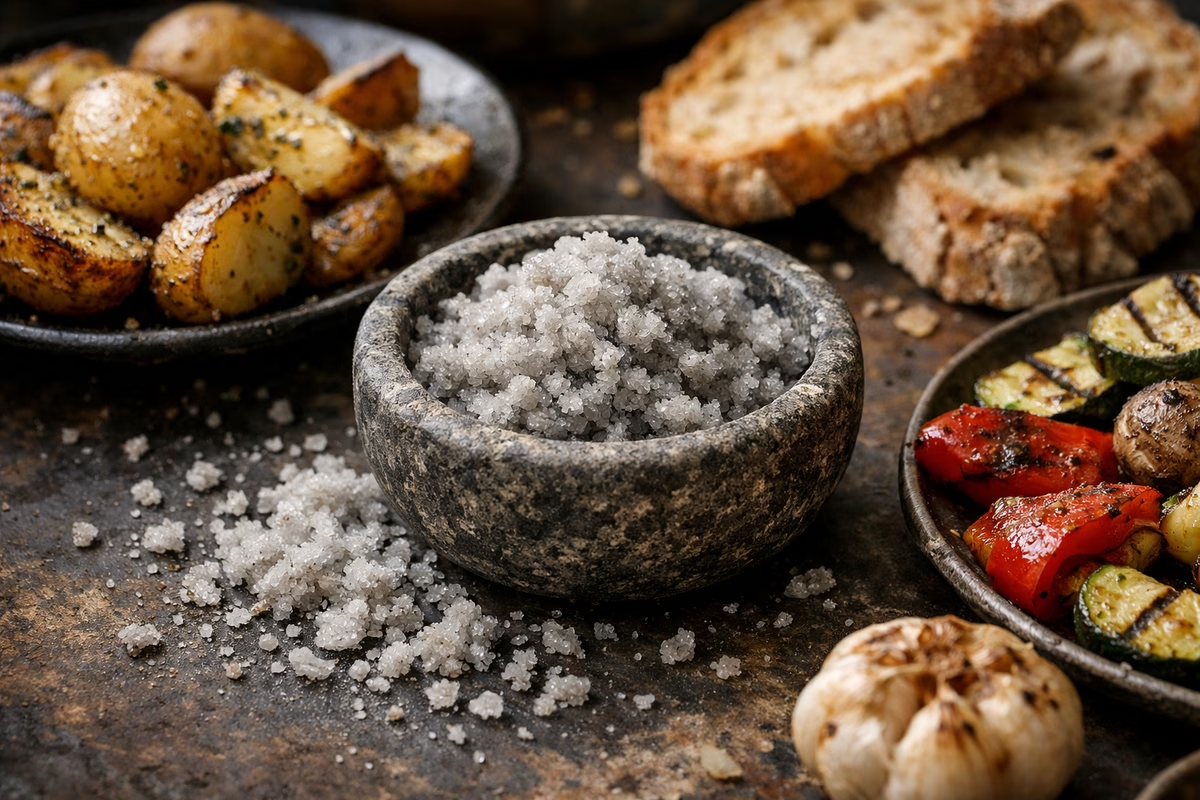
Sel gris and similar moist sea salts work beautifully on foods with some substance:
- roast chicken
- potatoes
- grilled mushrooms
- lentils
- steak
- beans
- hearty breads
On these foods, a damp, mineral salt feels integrated rather than fussy.
They are also excellent on foods that already have some fat or starch to receive them. Buttered bread, beans with olive oil, roasted squash, and pan juices all seem to welcome a salt that lands with a little weight. The salt does not skim over the surface; it feels as if it settles in.
Where it is less ideal:
- very delicate desserts
- foods where you want obvious top-note crunch
- situations where you need absolute dryness, like some spice blends or grinders
The emotional appeal of gray salt
It feels old. That is part of the appeal.
Gray salt often looks less polished than other artisanal salts, and that roughness can be deeply convincing. It suggests marsh, clay, weather, and handwork. Sometimes that impression is romanticized. Fair enough. But sometimes the physical reality supports it. A wet salt really does carry a stronger sense of place than a highly refined, bone-dry white crystal.
There is also relief in using a salt that does not look designed for a gift box. Sel gris often appeals to cooks who want their ingredients to feel practical, grounded, and slightly unvarnished. It is one of the few artisanal salts that can feel special without feeling precious.
Cooking with it
A good gray salt can be used more broadly than many people think.
Use it:
- to finish roasted vegetables
- to season fish before cooking
- on buttered bread
- in simple braises
- in salads with sturdy leaves or beans
Because it is moist, measure by feel rather than assuming it behaves like dry kosher salt. A pinch may carry more mass than you expect.
That last point deserves respect. Wet salts are easy to undersell in writing because they sound subtle, but in the hand they can be surprisingly assertive. If you scoop carelessly, you may add more salt than intended simply because the crystals pack tightly. Start a little lower than your instincts suggest, especially if you are moving over from airy flakes.
Gray salt is especially good when the dish wants seasoning plus a little ballast. A pot of lentils, a grilled chop, or roasted roots can feel more complete with sel gris than with a delicate surface salt. The effect is not glamorous. It is sturdy. That sturdiness is exactly the point.
Why sel gris can taste more savory without being magically healthier
People often describe gray salt as more mineral, more complex, or more savory. Sometimes that is a real sensory impression. It is usually not evidence of dramatic nutritional transformation.
What you are often tasting is a combination of moisture, density, trace mineral presence, and slower dissolution. In other words, form shapes perception. This is useful to understand because it lets you enjoy the difference without falling for mystical claims. Sel gris can be genuinely distinctive and still just be salt.
Storage matters more than you think
Wet salts are not fragile in the way herbs are fragile, but they do need sensible handling.
Keep them:
- covered
- away from steam
- away from pantry odors
- in a container you can reach into comfortably
Do not expect them to pour nicely. That is not their personality.
If the salt clumps, that is not automatically a defect. It is often just proof that the salt is retaining the moisture that helps define it. The better response is to keep a small spoon nearby or use your fingers, not to wage war on the texture by trying to force it through a shaker.
Should you buy sel gris or fleur de sel first?
If you love clean, delicate finishing and desserts, buy fleur de sel first.
If you love savory cooking, roasted food, and salt that feels more grounded than airy, buy sel gris first.
Many people eventually keep both because they answer different moods.
Another way to frame the choice is this: fleur de sel is usually about grace, while sel gris is about substance. If your cooking life is mostly tomatoes, eggs, simple desserts, and small finishing moments, fleur de sel may feel more immediately revelatory. If your cooking life leans toward roasted dinners, stews, grilled vegetables, and thick slices of bread with butter, gray salt may become the one you actually finish reaching for.
The useful distinction
Fleur de sel asks for restraint.
Sel gris tolerates a little boldness.
That may be the quickest way to understand the difference.
Next steps
- Read Fleur de Sel
- Read How Artisanal Salt Is Harvested to understand the production side
- Read Buying Artisanal Salt before building a salt shelf
Season with attention
Salt is simple until it touches food. For Sel Gris and Wet Salts: The Damp, Mineral Side of Sea Salt, the useful lesson is that crystal size, timing, moisture, texture, and the food itself all change the result. A pinch can season, preserve, draw out water, sharpen sweetness, or finish a dish with crunch.
Start by tasting in context. A salt that feels strong on the tongue may dissolve gently in soup. A delicate flake may shine on tomatoes and disappear in pasta water. Fine salt measures differently from coarse crystals. The hand learns by comparison.
Then pay attention to timing. Early salting can season deeply or pull moisture. Late salting can add texture and brightness. Brines, rubs, ferments, baked goods, and finishing salts each ask for a different kind of control.
Keep notes for repeatable dishes. Weight helps when precision matters, while a tasting habit helps when ingredients vary. Both can belong in the same kitchen.
Time spent with sel gris should make seasoning feel more deliberate and less mysterious. Good salt use is not about using more. It is about putting the right salt in the right moment.
What to notice after you use this guide
After reading this guide, choose one next action that can be observed. A guide becomes more valuable when it changes a real choice, not only when it adds more facts.
Name the context. Where are you, what are you trying to improve, and what would count as a good result? The answer keeps the advice grounded in daily life.
Change one variable first. A small controlled change teaches more than a dramatic reset because you can tell what mattered.
Keep one note. Write the date, the choice, the outcome, and the thing you would repeat. The note can be plain and still useful.
Look for tradeoffs. Better salt decisions often involve cost, time, maintenance, comfort, fit, risk, or skill. Seeing the tradeoff makes the decision calmer.
If the result is unclear, wait before adding another fix. Some lessons need a second use, a different day, or a quieter comparison.
If the stakes are high, use qualified sources and professional guidance where appropriate. A guide can organize the question, but it should not pretend to replace expertise.
The goal is practical confidence. Sel Gris and Wet Salts: The Damp, Mineral Side of Sea Salt should make the next step easier to choose and easier to repeat.