The salt cellar is only one way salt enters food. A cook can season a pan with anchovies, olives, capers, miso, soy sauce, fish sauce, grated cheese, cured meat, pickles, broth, mustard, or a spoonful of something fermented. None of these ingredients behaves like plain salt, but each carries salt into the dish with its own flavor, texture, aroma, and timing. Once you notice that, seasoning stops being a single gesture and becomes a conversation among ingredients.
That conversation is why a tomato sauce can taste dull after a normal pinch of salt, then suddenly feel alive after one anchovy melts into the oil. It is why beans finished with grated cheese need less added salt than beans finished with herbs alone. It is why a vinaigrette made with olives or capers has to be tasted differently from a plain lemon dressing. The salt is present, but it is braided into other flavors.
This guide belongs beside Salting Sauces and Dressings because many of these ingredients dissolve, melt, or disperse into liquids before the cook understands how salty the final food has become. It also belongs beside Fixing Over-Salted Food because pantry saltiness is one of the easiest ways to overshoot without noticing the moment it happened.
The Salt Is Not Alone
Plain salt has a narrow job. It sharpens flavor, changes water behavior, and gives food a center. Salty pantry ingredients do that job while also bringing their own character. Anchovies bring savoriness and oil. Olives bring fruit, brine, bitterness, and sometimes firmness. Capers bring floral acidity and a little snap. Miso brings fermentation, sweetness, and depth. Soy sauce brings color, roastiness, and liquid salt. Cheese brings fat, lactic tang, and texture as well as salinity.
That extra character is useful, but it makes seasoning harder to calculate. A pinch from the cellar is direct. A spoonful of miso may seem mild when tasted alone, then become much more assertive as a soup reduces. A handful of grated cheese may taste balanced on pasta, then turn loud after the pasta sits and the sauce tightens. A few capers may season the bites they touch rather than the whole dish evenly. The salt is distributed unevenly because the ingredient is distributed unevenly.
The practical habit is to ask what form the salty ingredient takes. Is it a paste that will dissolve? A liquid that will spread everywhere? A solid that will stay in distinct bites? A garnish that lands at the end? Each answer changes when you add plain salt. If the salty ingredient will season the whole dish, wait before adding more salt from the cellar. If it will remain in scattered bites, the surrounding food may still need a quiet baseline.
Anchovies, Capers, and Olives Season in Different Shapes
Anchovies are often described as secret flavor, which can make them sound more mysterious than they are. In hot oil, an anchovy fillet softens, breaks apart, and spreads through the pan. It seasons broadly. The finished dish may not taste fishy, but it will taste fuller and saltier. That makes anchovies useful in tomato sauces, braised greens, roasted vegetables, beans, pasta sauces, and dressings where a clean pinch of salt would season but not deepen.
Capers behave differently. They are little brined buds, and they usually stay visible unless chopped or cooked down. A caper in one bite can be bright, salty, and acidic; the next bite may have none. That unevenness is part of their charm. It also means a dish with capers often needs less finishing salt but may still need a small amount of dissolved salt in the sauce or dressing so the non-caper bites do not feel abandoned.
Olives bring still another rhythm. They can be meaty, bitter, fruity, mild, or intense depending on curing style. Chopped olives can season a sauce or relish broadly. Whole olives or large pieces create pockets of salinity. A salad with olives should be tasted with an olive and without one, because both bites matter. If only the olive bite tastes seasoned, the base may need more salt. If every bite tastes salty before the olive arrives, the dish will feel heavy once the olive joins.
This is the same lesson Salt Tasting teaches in a quieter setting: texture and placement shape perception. Salt inside an olive is not the same experience as salt dissolved in dressing or flakes scattered on top.
Fermented Pastes and Sauces Need Time to Speak
Miso, soy sauce, fish sauce, fermented bean pastes, and similar ingredients are powerful because their salt is carried by fermentation. They do not merely make food saltier. They make it taste aged, rounded, savory, or roasted. A small amount can make a soup seem longer-cooked than it is. A spoonful whisked into butter can make vegetables feel finished. A few drops can give a dressing more structure.
The trap is judging too early. Fermented pastes need to dissolve. Soy sauce needs to disperse. Fish sauce can smell assertive when first added, then settle into the background after heat, acid, fat, or sweetness joins it. A soup seasoned with miso may taste mild at the first stir and stronger after a few minutes. A marinade may taste aggressively salty in the bowl but season food more gently after draining. Timing makes the difference between confidence and correction.
Heat matters too. Some fermented ingredients are best added late enough to preserve aroma, while others can cook into the base of a dish. Miso stirred into a finished broth tastes different from miso browned gently with butter. Soy sauce added to a hot pan can darken and smell roasted. Fish sauce in a simmering sauce can soften. The salt remains, but the surrounding flavor changes.
Because these ingredients are liquids or pastes, Measuring Salt is only part of the story. A teaspoon of soy sauce is not interchangeable with a teaspoon of dry salt, because most of that spoon is water and flavor compounds. Still, it can push a dish over the line if it is added after the food is already fully salted. Let salty liquids enter before the final plain-salt adjustment, not after.
Cheese, Cured Meat, and Broth Can Arrive Late
Some salty ingredients enter a dish near the end, which makes them easy to forget during cooking. Grated hard cheese on pasta, feta in a salad, bacon in beans, cured sausage in soup, salted butter in a pan sauce, and store-bought broth in stew can all change the final seasoning after the cook thinks the salt decision is finished.
Cheese is especially persuasive because it brings fat and savoriness as well as salt. A plain vegetable soup may taste underseasoned before a shower of cheese and balanced afterward. A pasta sauce may need less salt if the pasta will be finished with salty cheese and a splash of starchy cooking water. A salad with feta or blue cheese should not be dressed as if the cheese were neutral. The cheese is part of the seasoning architecture, not merely a topping.
Broth is quieter but just as important. Some broths taste almost unsalted. Others carry enough salt that reduction can become a problem. Salting Soups, Stews, and Broths makes this point in the context of long simmering, where liquid shrinks and salt stays behind. If salty broth is only the beginning, every later salty addition must be judged against it. Beans cooked in broth, then finished with cheese and olives, may need almost no plain salt at the end.
Cured meats behave like slow-release salt. Bacon, pancetta, ham, chorizo, salami, and similar ingredients can season the fat they render, the vegetables cooked in that fat, and the liquid around them. They also remain in distinct bites. This double role means the base of the dish may taste seasoned while the meat bites taste very salty. Taste both before deciding the dish needs more.
Taste the Food in Its Final Company
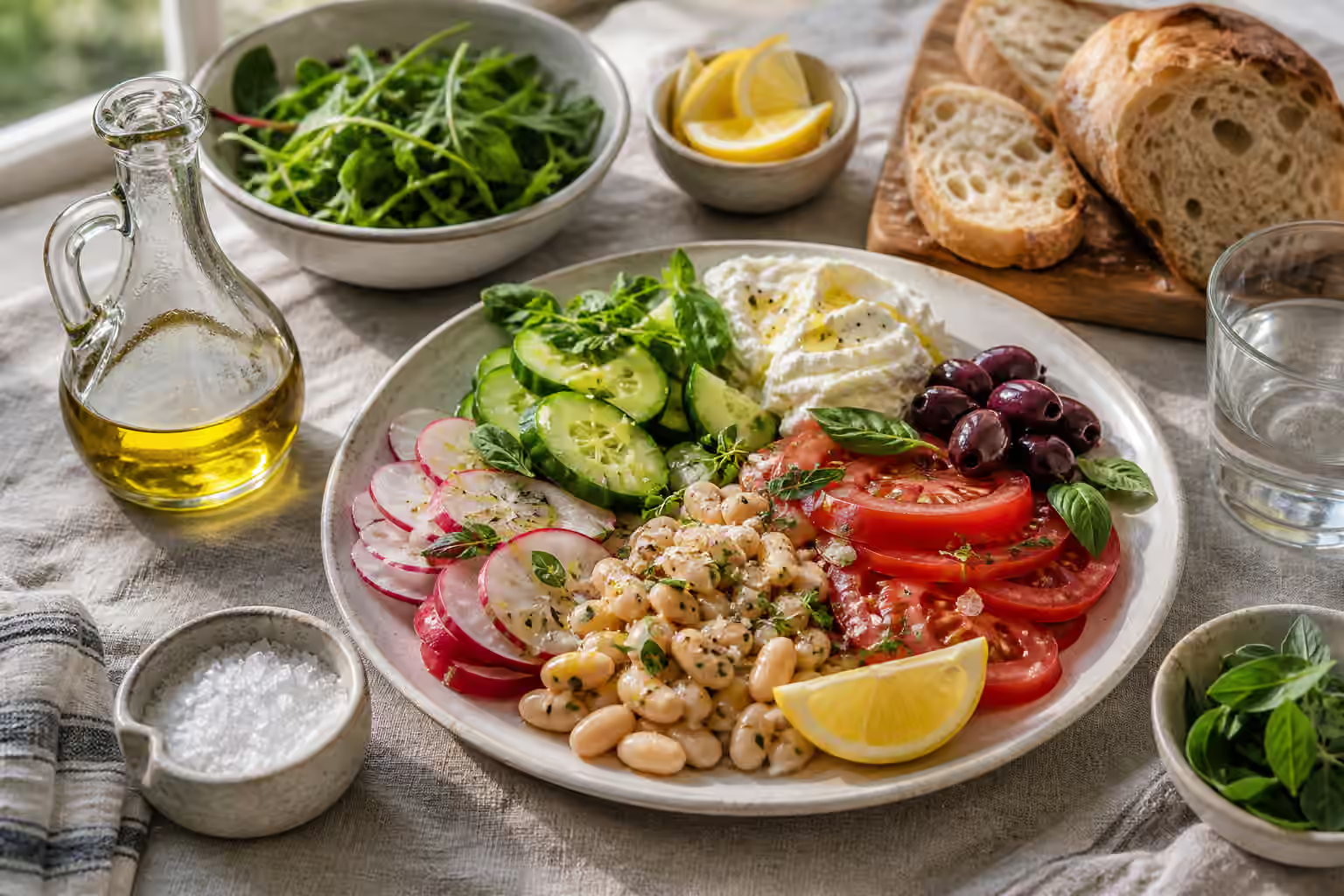
The most reliable habit is to taste a dish in the company it will keep. A dressing should be tasted on a leaf, a tomato, or a bean, not only from a spoon. A sauce should be tasted with the pasta or grain that will carry it. Beans should be tasted with the cheese, herbs, olive oil, and pickles that will finish the bowl. A sandwich filling should be tasted with the bread, because bread can make a salty filling feel balanced or a mild filling feel flat.
This kind of tasting slows the hand in a useful way. If the food will receive olives later, do not season it to the edge now. If a salty cheese will melt into the sauce, wait. If the salty ingredient remains a garnish, the base may still need enough salt to stand on its own. The cook is not trying to avoid salt. The cook is trying to decide where the salt should live.
Plain salt still matters. Pantry ingredients cannot replace the clean, predictable work of a good cooking salt. They are better understood as seasoned carriers of salt, each with its own direction. Anchovies deepen. Capers punctuate. Olives create briny pockets. Miso rounds. Soy sauce darkens. Cheese finishes. Broth builds quietly. Cured meat spreads through fat and then speaks again in the bite.
Once that becomes visible, over-salting becomes easier to prevent. Add salty ingredients with intention, give them time to show themselves, taste the food with its final companions, and let the cellar make the last small adjustment only after the pantry has had its say.