Vegetables teach the cook that salt is not only about saltiness. It can draw water from cucumbers, soften cabbage, season tomatoes from the inside out, help eggplant relax before cooking, wake up leafy greens, and make roasted vegetables taste more like themselves. The same ingredient behaves differently depending on timing, texture, and what the vegetable is carrying in its cells.
This is why vegetable cooking often improves when salt is treated as a tool rather than a final sprinkle. A finished plate can be rescued with finishing salt sometimes, but many vegetables need salt earlier. The salt has to meet the water, the fibers, the cut surfaces, the heat, and the dressing before the food can become balanced.
Beginners often learn to fear over-salting, which is sensible, but the fear can lead to vegetables that taste watery, flat, or separate from the rest of the meal. A tomato salad tastes like tomato and dressing when the tomato has had time with salt. Roasted carrots taste deeper when they were seasoned before the oven, not merely dusted afterward. A cabbage slaw becomes more pleasant when salt has softened its raw toughness just enough. The goal is not to make vegetables taste like salt. The goal is to use salt to make their own flavor easier to notice.
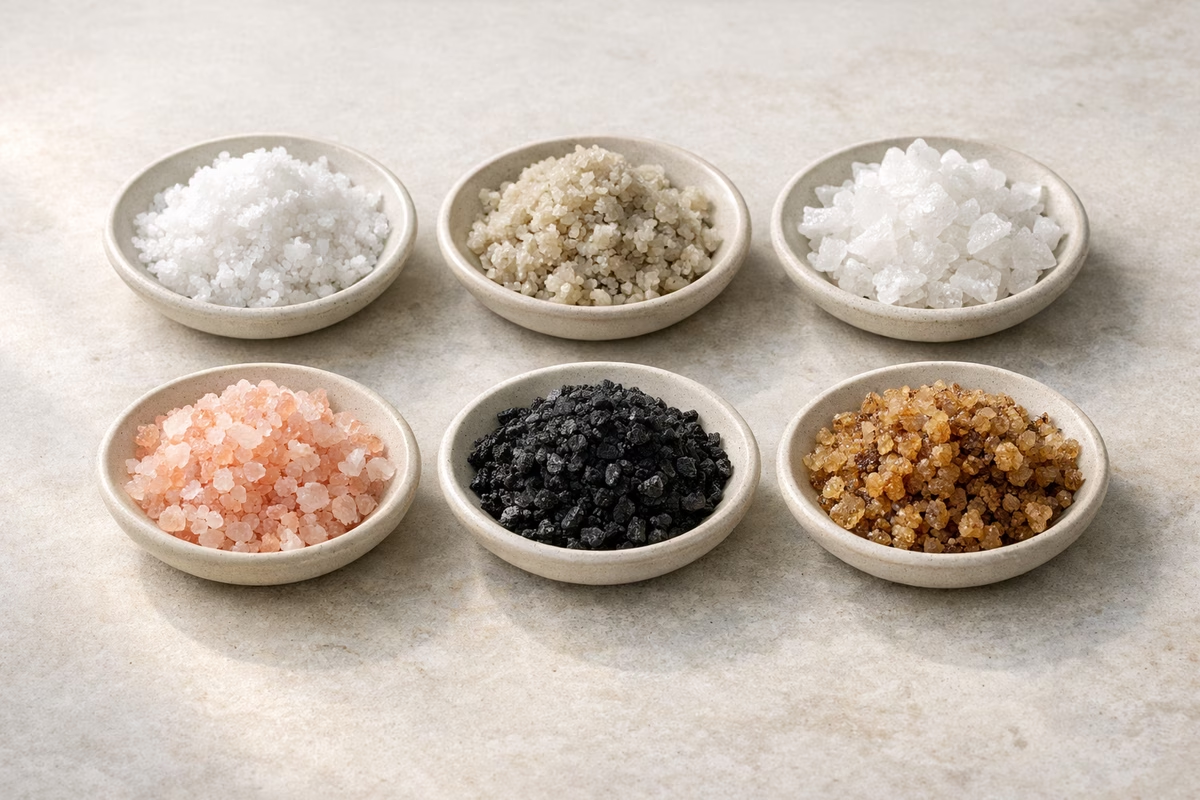
Salt Pulls Water Into the Story
Vegetables are full of water, and water carries both opportunity and trouble. A cucumber is crisp because of water. A tomato is juicy because of water. Greens wilt because water leaves their structure. Eggplant can steam in its own moisture if crowded. Mushrooms release enough water to flood a pan if treated casually. Salt interacts with that water.
When salt touches cut vegetables, it begins drawing moisture toward the surface. Sometimes that is exactly what you want. Salted cucumbers become more concentrated and less likely to flood a yogurt sauce or salad. Salted cabbage softens and becomes easier to dress. Salted tomatoes release juices that can mingle with oil, vinegar, herbs, and bread. In each case, salt is not merely seasoning. It is changing the texture and creating a liquid that belongs to the dish.
Sometimes you do not want too much water to come out at the wrong time. If vegetables sit salted for too long before roasting, they may shed moisture and steam unless you dry them well. If delicate greens are salted too early, they may collapse before the meal reaches the table. Timing decides whether water becomes dressing, steam, or disappointment.
The useful habit is to ask what you want the vegetable to do. Should it stay crisp? Should it soften? Should it release juice? Should it brown? Should it absorb dressing? The answer tells you when to salt.
Cucumbers and Cabbage Like a Head Start
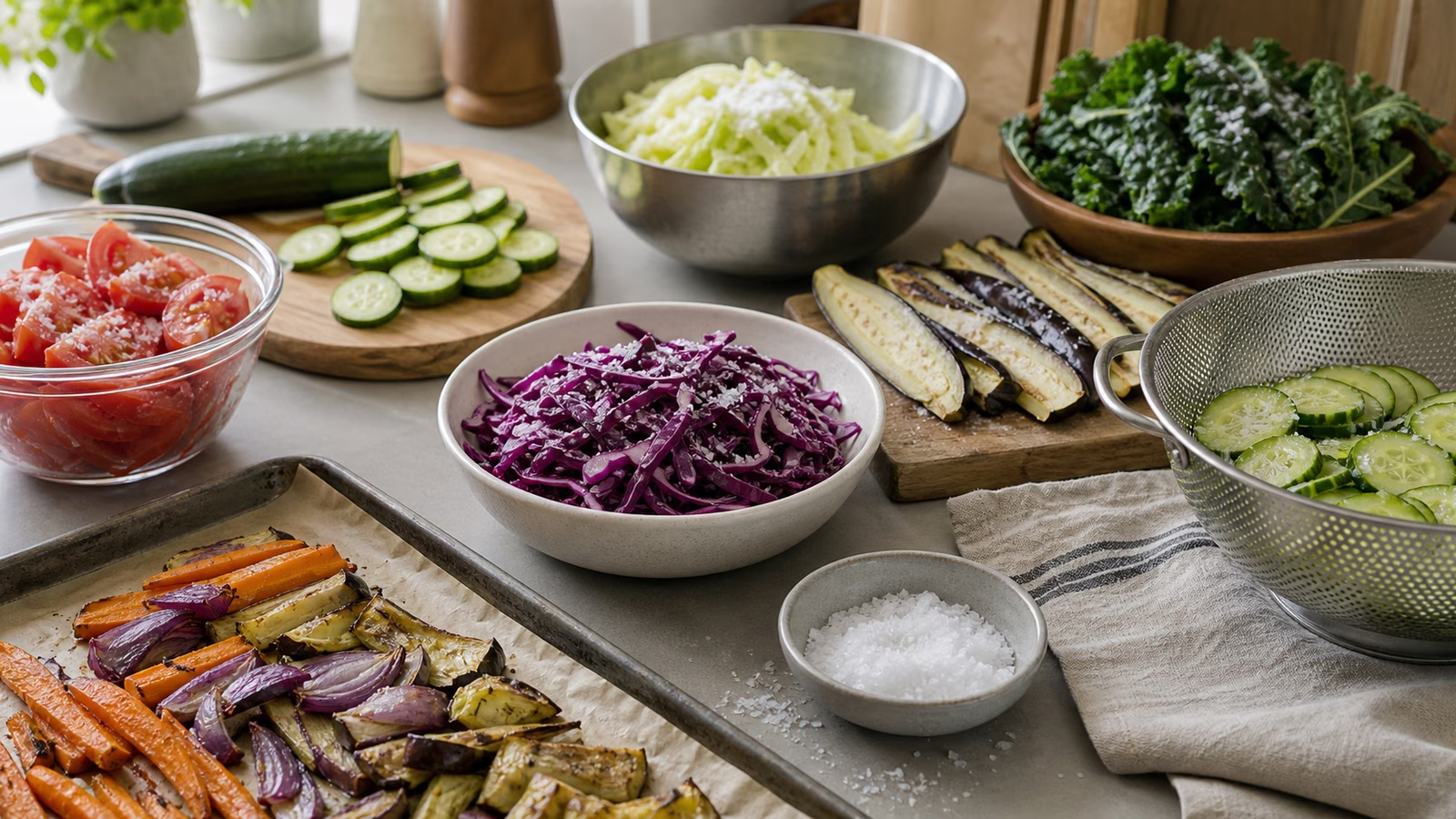
Cucumbers and cabbage are two of the clearest examples of salt changing texture for the better. Raw cucumber can be crisp and refreshing, but it can also water down a salad quickly. A little salt and a short rest pull out some moisture, concentrate flavor, and make the cucumber better behaved. The same move helps when cucumbers are going into yogurt, vinegar, sesame dressing, or a packed lunch that needs to survive more than ten minutes.
Cabbage has a different problem. It is sturdy, which is why it lasts so well, but that sturdiness can feel tough in slaws and salads. Salt softens it without cooking it. After a short rest and a gentle squeeze, cabbage becomes more flexible, less harsh, and more ready to carry acid, oil, herbs, or spice. It still has crunch, but the crunch feels edible rather than defensive.
This is one reason many good vegetable dishes begin before the final assembly. The cook salts the watery or tough component, lets it change, then finishes it with the rest of the ingredients. The waiting time is not wasted. It is where the vegetable becomes easier to season.
Tomatoes Need Salt More Than They Need Decoration
A good tomato does not need much, but it does need salt. Salted tomatoes taste more tomato-like because salt heightens sweetness, balances acidity, and pulls out juice. That juice is not a failure. It is the beginning of the dressing. When tomato juices meet olive oil, vinegar, herbs, garlic, onions, bread, cheese, or beans, the salad becomes connected.
The mistake is salting tomatoes only at the table after they have already been dressed. Surface salt can be pleasant, especially with a flaky salt, but it does not do the same work as a short rest. Cut tomatoes given ten or fifteen minutes with salt become seasoned throughout their cut surfaces. Their juice becomes part of the dish instead of a puddle under it.
This does not require fancy salt. A clean everyday salt works well for the early seasoning. A finishing salt can still appear at the end if texture matters. The roles are different. One seasons the vegetable. The other adds a final spark.
Roasting Needs Dry Surfaces and Early Seasoning
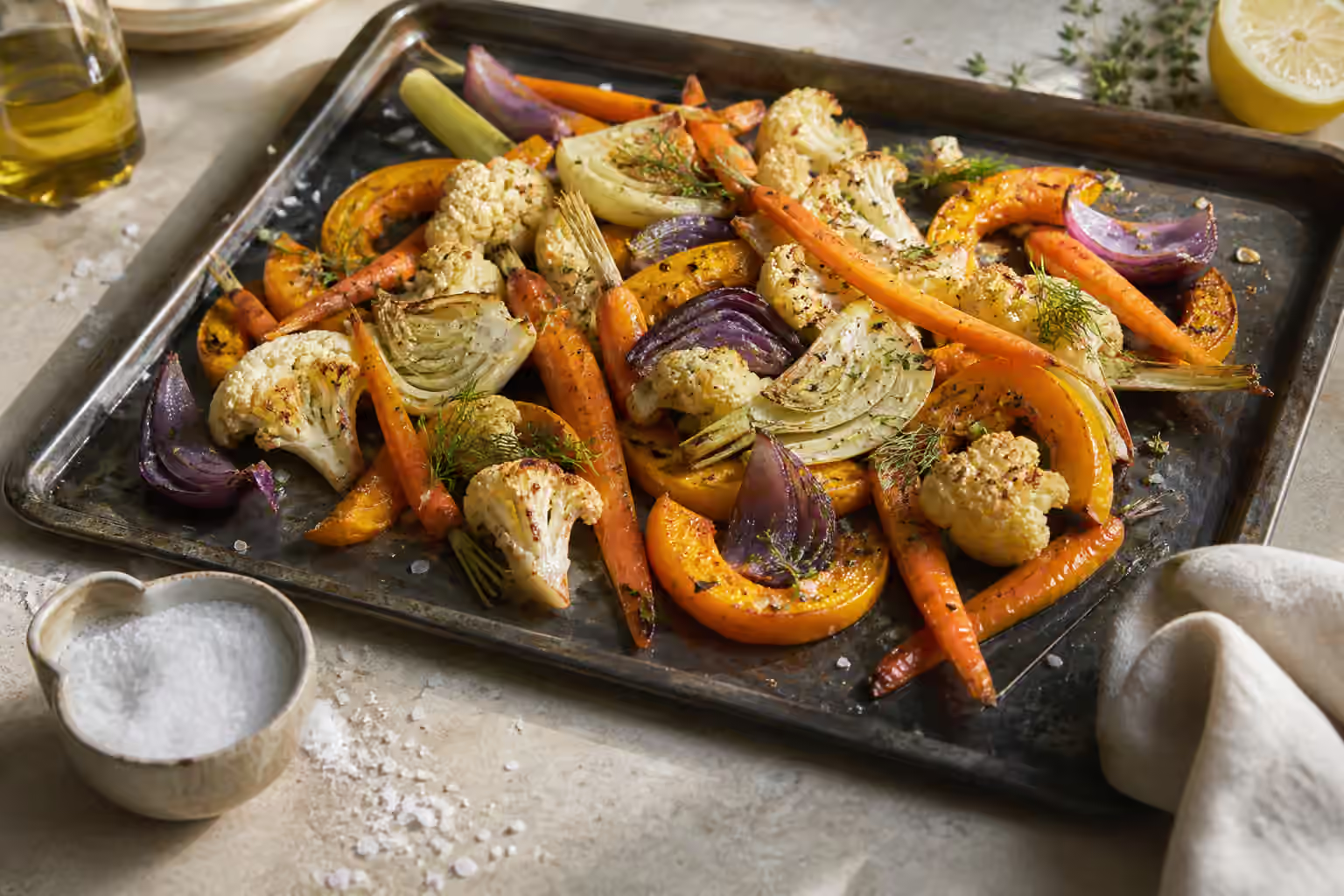
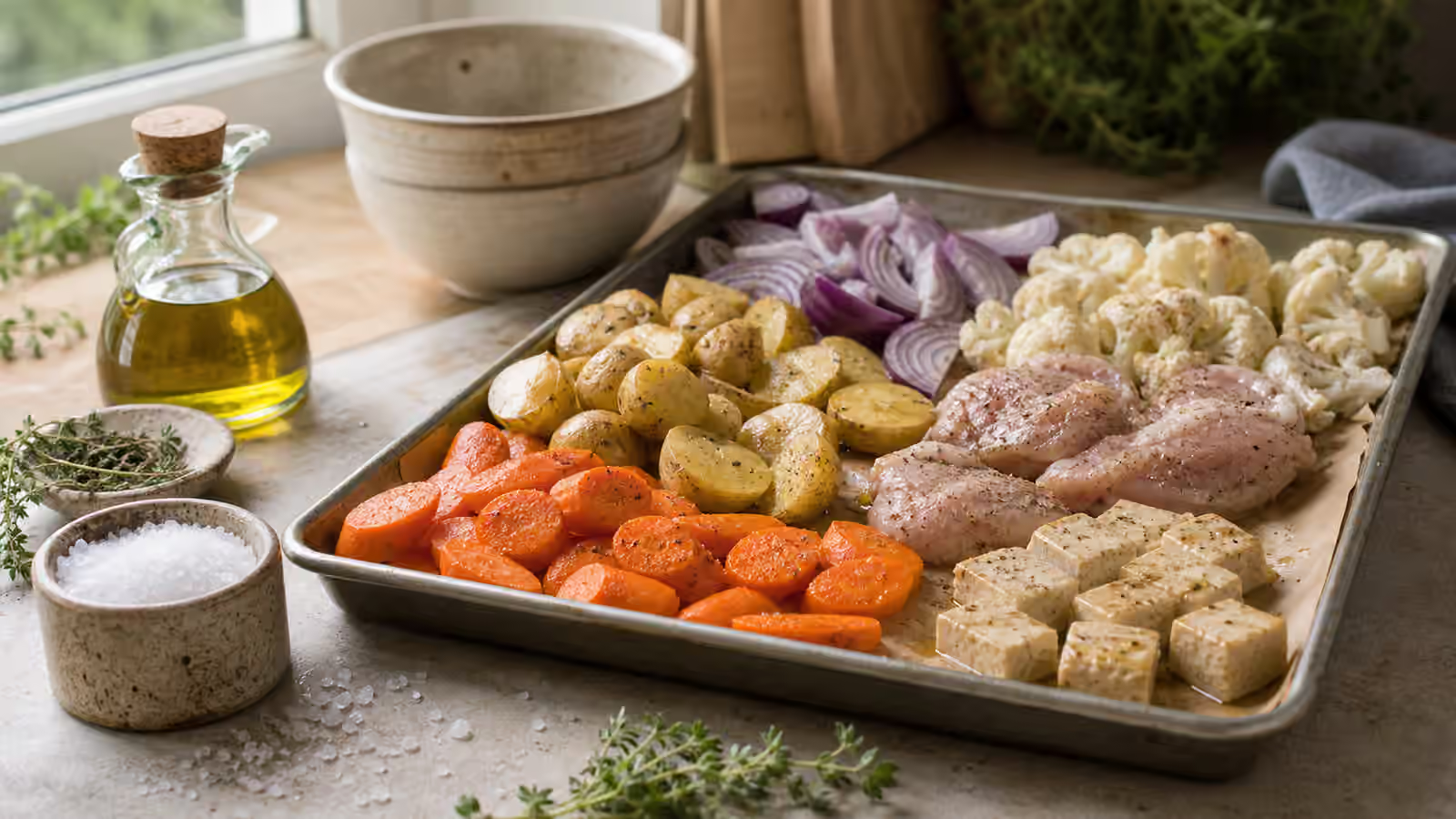
Roasted vegetables benefit from salt before heat because the seasoning has to reach the surfaces that will brown. Carrots, potatoes, cauliflower, broccoli, onions, squash, peppers, and many other vegetables taste better when tossed with salt, fat, and enough space before they go into the oven. The salt helps the vegetable taste complete rather than sweet on the inside and salty only on the outside.
But roasting also depends on moisture management. Crowded pans trap steam. Wet surfaces brown poorly. Vegetables that have been salted far in advance may need drying before they roast. This is why the same salt that improves a cucumber salad can complicate a sheet pan if the timing is wrong.
The practical rhythm is simple in spirit. Season sturdy vegetables before roasting. Give them enough oil to carry heat and flavor. Spread them out so steam can escape. Finish after roasting with acid, herbs, yogurt, chili, nuts, or a small amount of finishing salt if the dish needs texture. The salt begins the seasoning, but it does not have to carry the whole plate alone.
Eggplant Needs Context
Eggplant has a long reputation for needing salt to remove bitterness. Modern eggplants are often less bitter than older varieties, so the bitterness story is not always the main reason to salt them. Texture may matter more. Salt can draw out moisture, help slices relax, and prepare eggplant for frying, roasting, or grilling. It can also reduce some of the soggy heaviness that makes badly cooked eggplant feel disappointing.
The key is not to salt eggplant by superstition. Ask what the preparation needs. Thin slices for frying may benefit from salting and drying because surface moisture works against browning. Cubes for roasting may need enough salt and oil to season properly, but not so much waiting that they become wet before the oven. Eggplant for a stew may not need the same treatment at all.
Salt is not a spell. It is a way to manage water, texture, and flavor. Eggplant simply makes that lesson visible.
Leafy Greens Need Timing and Restraint
Leafy greens can move from lively to tired quickly. Salt them too early and they wilt. Salt them too late and they may taste dressed but not seasoned. The right timing depends on the green. Tender lettuce needs gentleness. Kale, collards, and cabbage-family greens can handle more pressure and sometimes improve when massaged or rested briefly with salt and acid. Spinach sits somewhere in between, depending on whether it is raw or cooked.
In cooked greens, salt helps draw out moisture and season the leaves as they collapse. In raw salads, salt should usually arrive close to dressing unless the green is sturdy enough to benefit from a rest. The dressing itself may already contain salt through cheese, anchovy, olives, capers, soy sauce, miso, or salted nuts, so the cook has to taste the whole system.
Vegetables make salt practical because they refuse one rule. A tomato wants one kind of attention. Kale wants another. Roasted carrots want another. Cucumbers want another. The cook learns by noticing.
Taste After the Vegetable Changes
The most important moment is not the first sprinkle. It is the tasting after the vegetable has changed. Cucumbers after ten minutes are not the same as cucumbers at the first cut. Tomatoes after salting have released juice. Roasted vegetables after the oven have lost water and concentrated. Greens after dressing may need a final adjustment. A dish that seemed properly salted before rest may taste different after water moves.
This is why vegetable cooking rewards patience more than bravado. Salt lightly enough that you can adjust, early enough that it can work, and thoughtfully enough that it supports the texture you want. Taste again after the vegetable has had time to answer.
Salt is small, but vegetables make its effects visible. Water leaves, crunch changes, sweetness rises, bitterness softens, browning improves, dressing appears, and a bowl of produce becomes food with intention. That is the quiet craft. Not more salt for its own sake, but salt at the right moment for the vegetable in front of you.