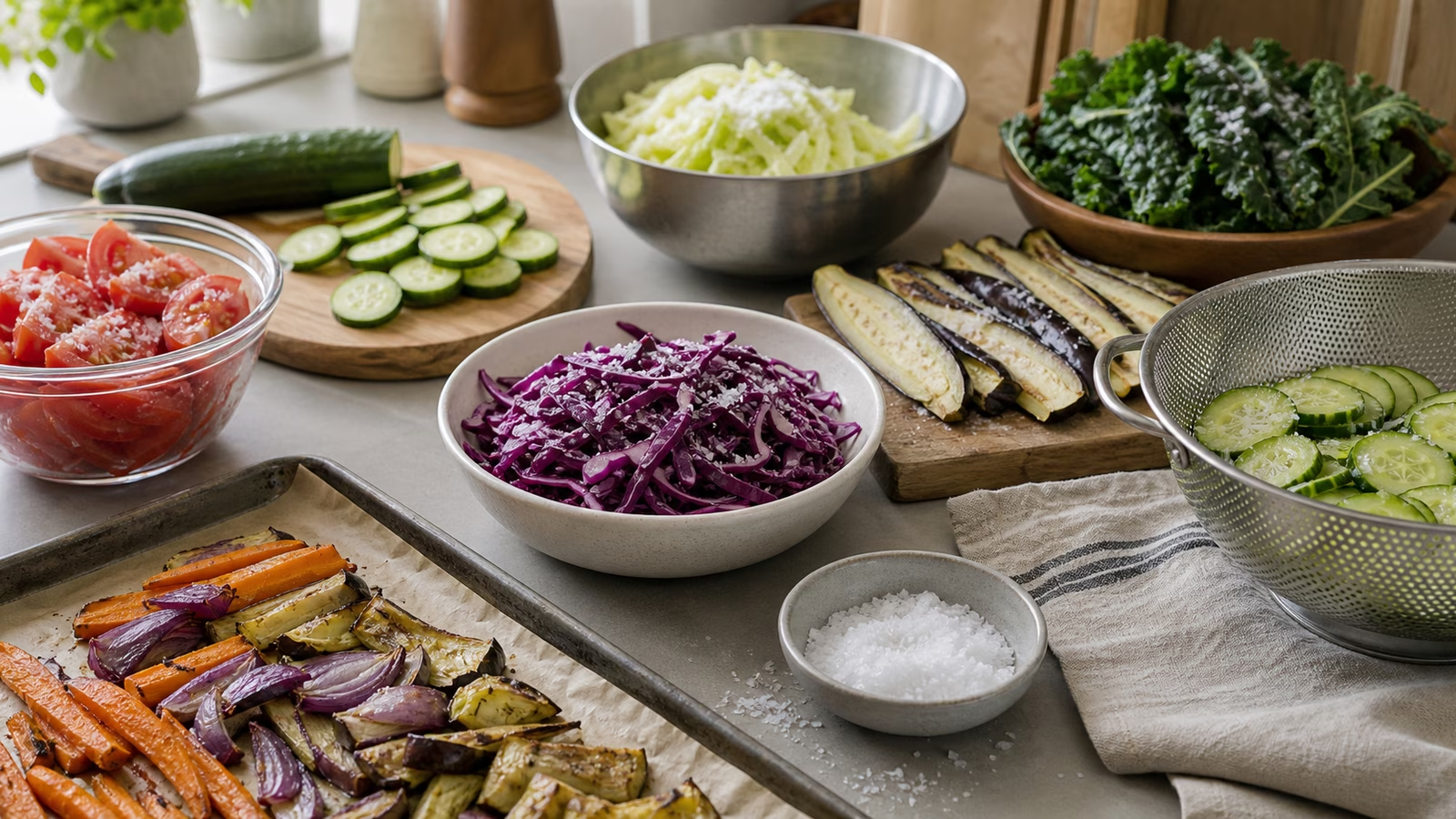
Tomatoes make salt look simple because the effect is so quick. A slice sits on the board tasting pleasant but scattered. A pinch lands. A minute later the surface glistens, the sweetness seems clearer, the acidity stands up, and juice begins to gather. That juice is the important part. It is not waste. It is the tomato answering.
The mistake is treating that answer as the same in every dish. A tomato for a sandwich needs enough salt to wake it up without soaking the bread before lunch. A tomato salad benefits from a short rest because the juices become dressing. Tomatoes for roasting can use early salt, but too much waiting leaves wet surfaces that brown poorly. Tomato sauce needs staged salting because reduction changes the concentration. The fruit is familiar, but its salt needs are not one habit.
Salting Vegetables covers tomatoes as part of the larger vegetable lesson: salt moves water, changes texture, and makes flavor easier to notice. Tomatoes deserve their own page because their water is not neutral. It carries sugar, acid, aroma, and the beginning of a sauce.
A Salted Tomato Makes Its Own Dressing
Cut tomatoes release juice when salted because salt draws moisture toward the surface. That juice is often the best part of a tomato salad. It dissolves salt, carries tomato flavor, mingles with olive oil, vinegar, garlic, herbs, onions, bread, beans, cheese, or fish, and turns separate ingredients into one dish. Without that short rest, the dressing may sit on the tomato rather than becoming part of it.
The rest does not have to be long. Ten minutes can change sliced tomatoes enough to matter. Thick wedges may need a little more time. Tiny cherry tomatoes, especially if halved, respond quickly. The point is to give the salt enough time to dissolve and the tomato enough time to release juice before the final seasoning decision.
That final decision matters because salted tomatoes can surprise you. A plate that tasted perfect the moment salt landed may taste stronger after the juices collect. A salad that seemed underseasoned before the olive oil may become balanced once fat carries aroma across the tongue. Salt, Acid, and Fat is especially useful here because tomato already brings acid, while olive oil, cheese, or avocado bring fat. Salt should clarify those things, not flatten them.
The best tomato salads are usually seasoned in two moments. A practical salt seasons the cut tomatoes and draws juice. A finishing salt, if used, arrives late and lightly for texture. Confusing those jobs is how a salad becomes salty on top and bland underneath.
Sandwich Tomatoes Need Restraint and Timing
A tomato destined for bread has a different job from a tomato destined for a bowl. It still needs salt. An unsalted tomato slice can make a sandwich taste watery even when the bread, cheese, meat, egg, or vegetables are good. But a heavily salted tomato that waits too long can soak the bread and pull the whole sandwich toward collapse.
The useful rhythm is brief and controlled. Salt the tomato slices lightly, let them stand for a few minutes if the sandwich can handle it, and blot excess surface juice when the bread is vulnerable. If the sandwich includes salty ingredients such as bacon, feta, cured meat, olives, pickles, salted butter, or a punchy mayonnaise, the tomato needs less added salt. It may need only enough to taste like itself.
This is where Salty Pantry Ingredients enters quietly. A tomato sandwich with anchovy mayonnaise is not the same as one with plain butter. A tomato toast with aged cheese has less room for salt than one with ricotta. The tomato is central, but it is not alone.
A finishing flake can be beautiful on an open-faced tomato toast because the crystal reaches the tongue first and then dissolves into tomato juice. Inside a closed sandwich, that same flake may be less useful, especially if it lands unevenly. Texture should be chosen for the bite that will actually happen, not for how the tomato looked before assembly.
Roasting Concentrates Both Flavor and Salt
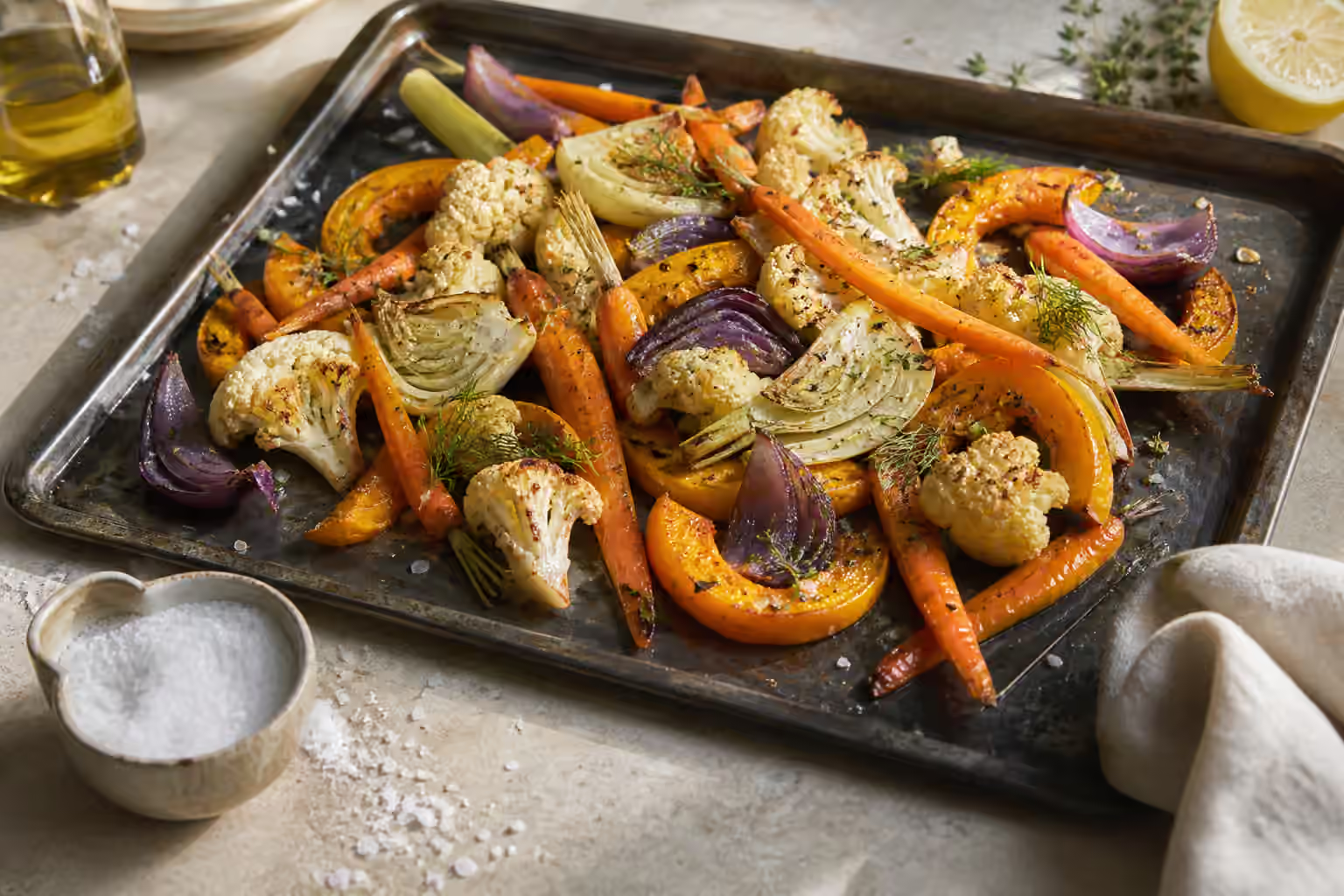
Roasted tomatoes are a reminder that water can leave after salt arrives. A tray of tomatoes may look underseasoned before the oven because the fruit is full of water. As that water evaporates, sweetness, acidity, and salt all concentrate. A heavy hand at the beginning can become obvious at the end.
Early salt still helps. It seasons the cut surfaces and encourages juices to appear, which can mingle with oil, garlic, herbs, or the pan itself. But the cook has to think about where the tomato is going. Tomatoes roasted until barely collapsed need different salt from tomatoes roasted until jammy and reduced. A tray meant for pasta with salty cheese needs less than a tray meant to sit on plain toast.
Wet surfaces also affect browning. If tomatoes are salted long before roasting and then left sitting in their own juice, they may steam before they concentrate. That can be fine if the goal is soft, saucy tomatoes. It is less useful if you want browned edges and a deeper roasted flavor. The choice is not early salt or late salt as a rule. The choice is whether juice belongs in the pan at that moment.
After roasting, taste before adding more. The tomato may need acid if it tastes flat, fat if it tastes sharp, herbs if it feels heavy, or only a small final pinch if the concentration was gentle. More salt is not always the answer to a roasted tomato that tastes unfinished.
Tomato Sauce Needs Salt in Stages
Tomato sauce changes more than raw tomatoes do because it cooks down. Salt added at the start can help onions, garlic, oil, and tomatoes taste connected. It can draw water from aromatics and make the sauce feel less like separate ingredients. But as the sauce reduces, salt stays behind. A sauce that tasted correct early can become too strong later.
That is why tomato sauce rewards staged seasoning. Add enough salt early that the base is not dull. Let the tomatoes cook and reduce. Taste again near the end with the food the sauce will meet. A spoonful from the pot is useful, but pasta, rice, beans, meatballs, eggs, or bread will change the impression. Salting Sauces and Dressings explains this context problem in detail.
Tomatoes also vary. Some are sweet. Some are sharp. Some canned tomatoes taste clean and bright; others taste flat until they simmer. Some fresh tomatoes are watery and mild. Salt cannot make a weak tomato into a great one, but it can help the cook understand what is missing. If the sauce tastes salty and still tired, acid, fat, longer cooking, or a different tomato product may be the real need.
Pasta water complicates the final step. Properly salted pasta already brings seasoning to the pan, and starchy water carries salt into the sauce. If the sauce is seasoned as if the pasta were plain, the finished dish can overshoot. Pasta Water and Salted Cooking Liquids belongs in the same reading path for exactly that reason.
Late-Season Tomatoes Need Different Kindness
Not every tomato is a peak tomato. Some are pale, firm, refrigerated, underripe, or simply out of season. Salt can help them taste more like food, but it cannot create aroma that was never there. That distinction keeps expectations honest.
For weaker raw tomatoes, salt and rest may still improve the texture and draw out a more useful juice. A little acid can give shape if the tomato is sweet but dull. Olive oil can carry aroma. Herbs, garlic, onion, or bread can make the juices feel intentional. But if the tomato has little fragrance and a mealy texture, roasting or sauce may be kinder than pretending it belongs in a raw salad.
Salted weak tomatoes can also become useful in supporting roles. They can be chopped into beans, folded into eggs, spooned over toast, simmered briefly with garlic, or roasted until their water leaves. The salt helps them join another food rather than stand alone under a spotlight they cannot handle.
This is one of the more practical lessons of tomato cooking. Salt is not flattery. It is clarity. It makes a good tomato vivid and exposes a weak one. Once you know which tomato you have, the cooking choice becomes easier.
Use Finishing Salt Where the First Contact Matters
Tomatoes are one of the best places for finishing salt because their surface is wet enough to dissolve crystals and their flavor is clear enough to show texture. Fleur de Sel can land softly on sliced tomatoes. Flake Salt can give a brighter crackle on tomato toast or a composed salad. A damp gray salt can feel savory with roasted tomatoes and potatoes.
But finishing salt should follow foundation. If the tomato itself was never lightly seasoned and rested, a decorative scatter may taste exciting for one second and then leave the slice quiet. If the salad is already salty from olives, capers, cheese, cured fish, or salted bread crumbs, the final crystals may be too much. The best finishing salt on tomatoes feels like a small last light, not the whole lamp.
The sign of good tomato salting is the juice left on the plate. It should taste like tomato, oil, acid, herb, and salt have found each other. It should be worth dragging bread through. If the juice tastes watery, the tomatoes needed more time or better seasoning. If it tastes briny, the salt arrived too heavily or too many salty companions joined without being counted. If it tastes balanced, the tomato has done the quiet work salt asked of it.