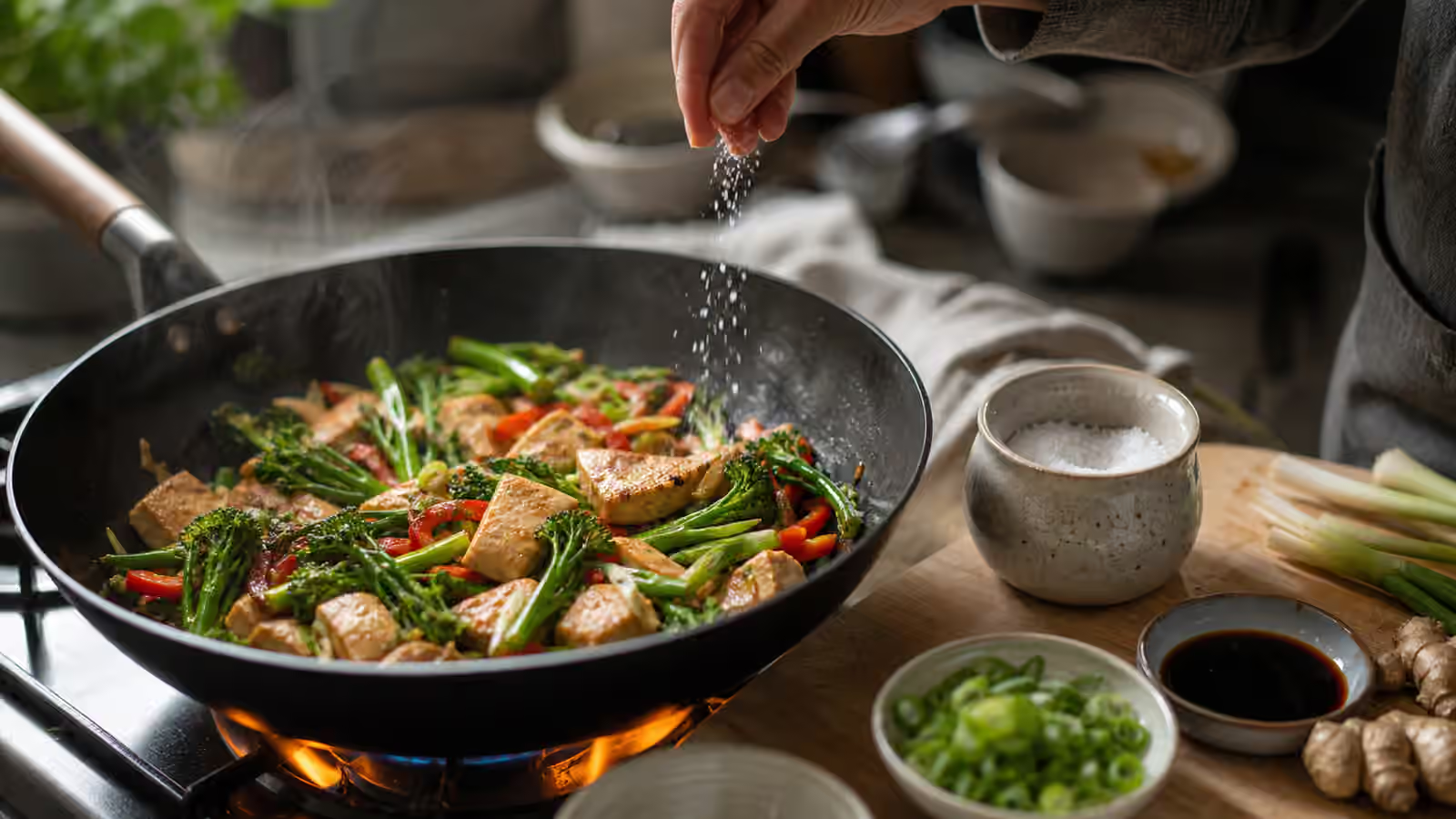
Fast skillet cooking makes salt feel urgent. The pan is hot, the vegetables are moving, the sauce is waiting, and the food can go from crisp to tired in a minute. A slow stew gives the cook time to taste, simmer, dilute, and correct. A stir-fry or quick saute gives fewer chances. Salt has to support browning, moisture control, sauce balance, and final texture without making the pan wet or the finished dish briny.
The difficulty is that salt is rarely alone in this style of cooking. Soy sauce, fish sauce, miso, oyster-style sauces, broth, salted butter, cheese, capers, olives, fermented pastes, and seasoned marinades may all be part of the meal. Vegetables release water. Meat and tofu may have been salted before they reached the pan. A final squeeze of citrus or splash of vinegar can change everything. The cook is not deciding whether to salt. The cook is deciding where the salt should enter a dish that moves quickly.
This guide belongs beside Salt in Marinades and Brines , Salty Pantry Ingredients , and Salting Vegetables because quick sautees sit at the meeting point of seasoned ingredients, hot surfaces, and water that appears at inconvenient moments.
Salt Can Help or Hurt Browning
Browning needs contact, heat, and enough dryness for the surface to color instead of steam. Salt can help flavor reach food before browning begins, but it can also draw moisture to the surface if it sits too long at the wrong moment. That does not make salt the enemy. It means timing matters.
Thin vegetables, sliced mushrooms, zucchini, cabbage, onions, peppers, and greens all release water differently. If they are salted far in advance and then tipped into a crowded pan, the first minutes may become steaming instead of searing. If they are never salted until the end, they may brown on the outside but taste plain inside. The practical middle is to salt with an understanding of the vegetable and the pan. Some sturdy vegetables can be salted as they enter. Mushrooms may brown better if they get a little time in the hot pan before the main salting. Greens often need salt as they collapse so their released moisture becomes a small sauce rather than a puddle.
Crowding changes everything. A wide pan with a single layer can handle moisture better than a cramped skillet. If the food is piled high, even perfect salt timing cannot create strong browning. Cook in batches when browning matters, then combine and season the whole dish with the sauce. Salt should support the method, not compensate for a pan that never had enough heat or space.
Preseason Proteins With Restraint
Meat, poultry, seafood, tofu, tempeh, and seitan all benefit from some seasoning before they meet a quick pan, but they do not all need the same treatment. Thin slices of chicken or beef can take salt before cooking so the seasoning is not trapped only in the sauce. Ground meat can be seasoned as it browns. Shrimp and delicate fish need a lighter hand and less time because their surfaces can become briny quickly. Tofu may need salt through a marinade or sauce because its plain interior can make the finished dish taste divided.
The caution is that many quick-cooking proteins are also marinated. If a marinade contains soy sauce, fish sauce, miso, salty broth, or commercial condiments, plain salt may already be present in another form. Taste or understand the marinade before adding more. Salt in Marinades and Brines is useful because a salty liquid does not behave exactly like dry salt, but it still changes the final dish.
Patting dry matters. A protein lifted from a salty marinade and dropped wet into a hot pan can steam, scorch, or leave behind a salty residue before the surface browns. Let the marinade season the food, then remove excess liquid if browning is the goal. The remaining sauce can be added later in a controlled amount, where it can glaze rather than flood.
Sauce Should Not Be the Only Seasoning
Many stir-fries depend on sauce, and sauce is often salty. That can lead to a bad bargain: leave the ingredients plain, then pour in enough sauce to season everything. The result may taste salty on the outside and bland inside, with vegetables losing crunch while the sauce reduces. A better dish has modest seasoning in the ingredients and a sauce that completes them rather than rescuing them.
This is easiest to see with vegetables and tofu. A pan of plain broccoli or tofu needs a lot from the sauce. A pan that has been seasoned lightly during cooking needs less sauce and keeps more texture. The sauce can bring soy, ginger, garlic, sesame, vinegar, sugar, chile, citrus, broth, or starch without becoming a salty blanket. Salting Sauces and Dressings makes the same point in slower settings: sauce should be tasted with the food it will coat.
Reduction is the hidden danger. A sauce that tastes balanced in a bowl can become saltier as water evaporates in a hot pan. If it includes soy sauce, fish sauce, broth, or miso, concentration happens quickly. Add sauce late enough that it coats and heats, not so early that it boils down while the vegetables finish cooking. If the pan needs moisture earlier, use water or unsalted liquid separately, then add the salty sauce closer to the end.
Aromatics Need Salt Around Them, Not On Top of Them
Garlic, ginger, scallions, chiles, shallots, herbs, citrus zest, and spices give quick sautees their direction. Salt helps those flavors read clearly, but it cannot fix burned garlic, stale spices, or herbs added so early that they turn dull. The aromatic layer needs its own timing.
Garlic and ginger often bloom in oil before the main ingredients or after a protein has started to cook. If the pan is too hot or dry, they scorch and salt makes that bitterness more pointed. If vegetables release water, aromatics can soften into the liquid and become part of the sauce. Both outcomes can be good when chosen deliberately. The salt should follow the dish’s path. A dry, high-heat saute may need only a light early pinch and a sauce at the end. A softer skillet of greens, beans, or mushrooms may welcome salt as water appears and aromatics dissolve into it.
Fresh herbs and scallion greens are often better late. They bring freshness that can reduce the need for more salt. A dish that tastes a little flat after sauce may need cilantro, basil, dill, mint, parsley, scallion, lemon, or vinegar. Salt, Acid, and Fat is a useful guardrail here because fast cooking can make a cook reach for salt when brightness is the missing piece.
Taste After the Sauce Lands
The final tasting should happen after the sauce, aromatics, and main ingredients have met. A vegetable tasted before sauce may seem underseasoned. A sauce tasted before reduction may seem moderate. A protein tasted alone may seem fine but become salty once coated. Only the finished bite tells the truth.
If the dish tastes flat and not salty, add a small amount of salt in a form that can spread. Fine salt, a splash of salty sauce, or a little salted cooking liquid may work better than flakes. If the dish tastes salty but dull, add acid, fresh herbs, unsalted vegetables, plain rice, noodles, or a little water depending on the situation. If one component is bland but the sauce is salty, toss longer or cut the component smaller next time; more salt may only punish the rest of the pan.
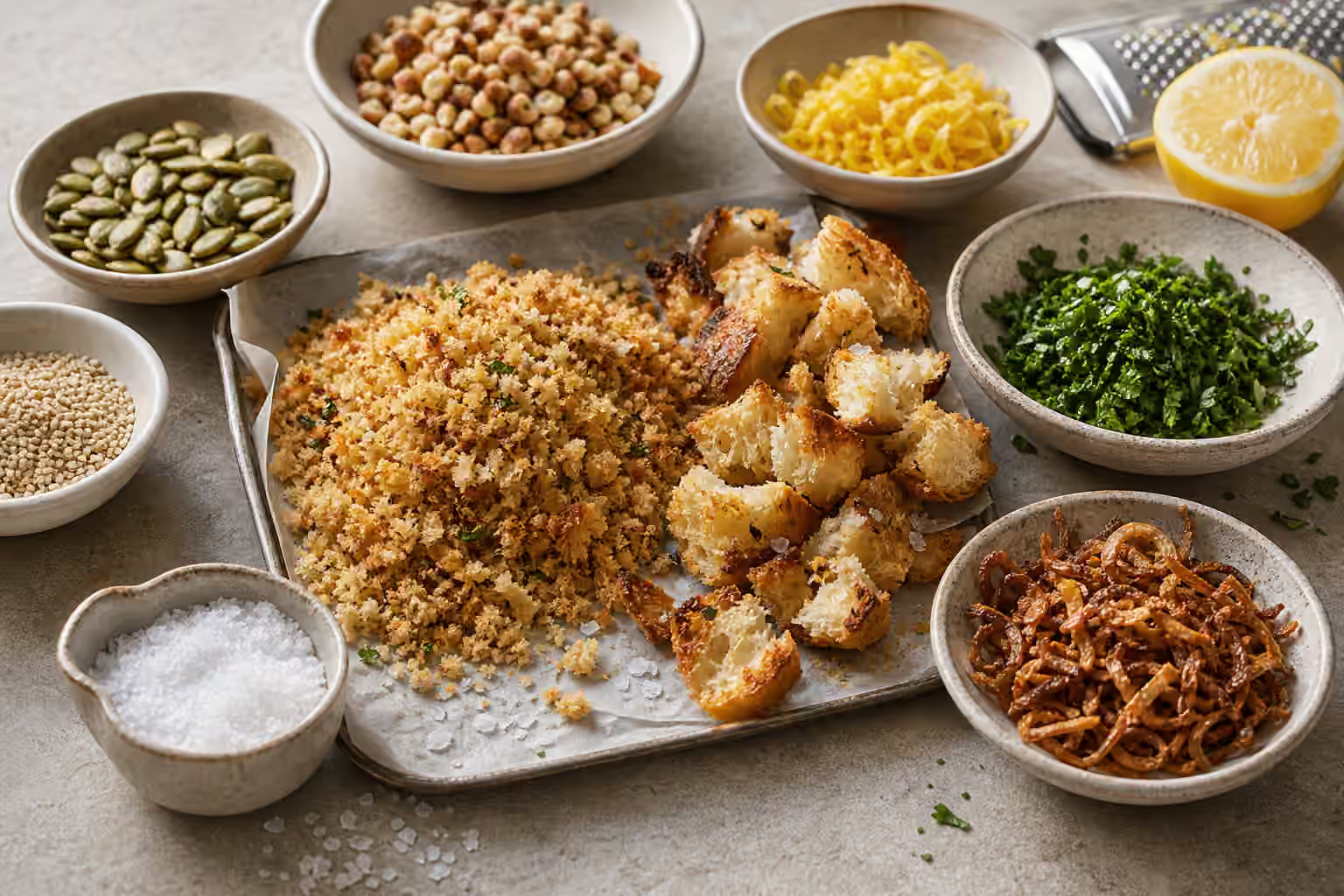
Finishing salt has a narrow role in quick sautees. It can be good on blistered green beans, mushrooms on toast, seared tofu, or a simple skillet of vegetables when the sauce is minimal. It is less helpful in a glossy stir-fry where crystals dissolve instantly into sauce. Texture should be added where it survives: toasted seeds, nuts, fried shallots, crisp crumbs, raw scallions, or a finishing salt on a dry surface.
Fast cooking rewards preparation more than drama. Have the salt, sauce, acid, herbs, and plain liquid ready before the pan is hot. Season ingredients enough that they are not dependent on the sauce. Let browning happen before water takes over. Add salty sauces late enough to coat rather than reduce into heaviness. Taste a real finished bite. A quick saute should feel lively and precise, not like a last-minute argument with the salt cellar.