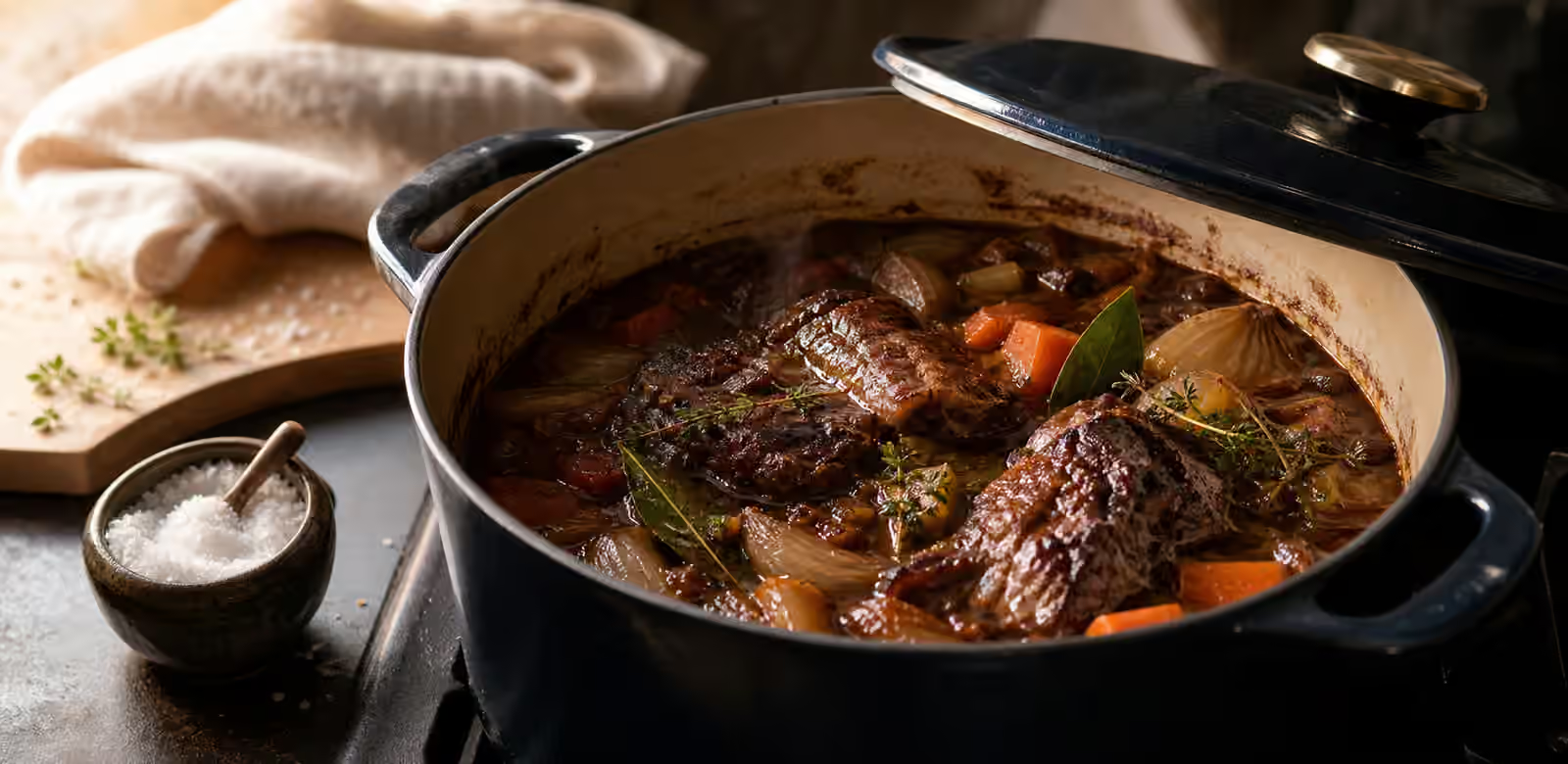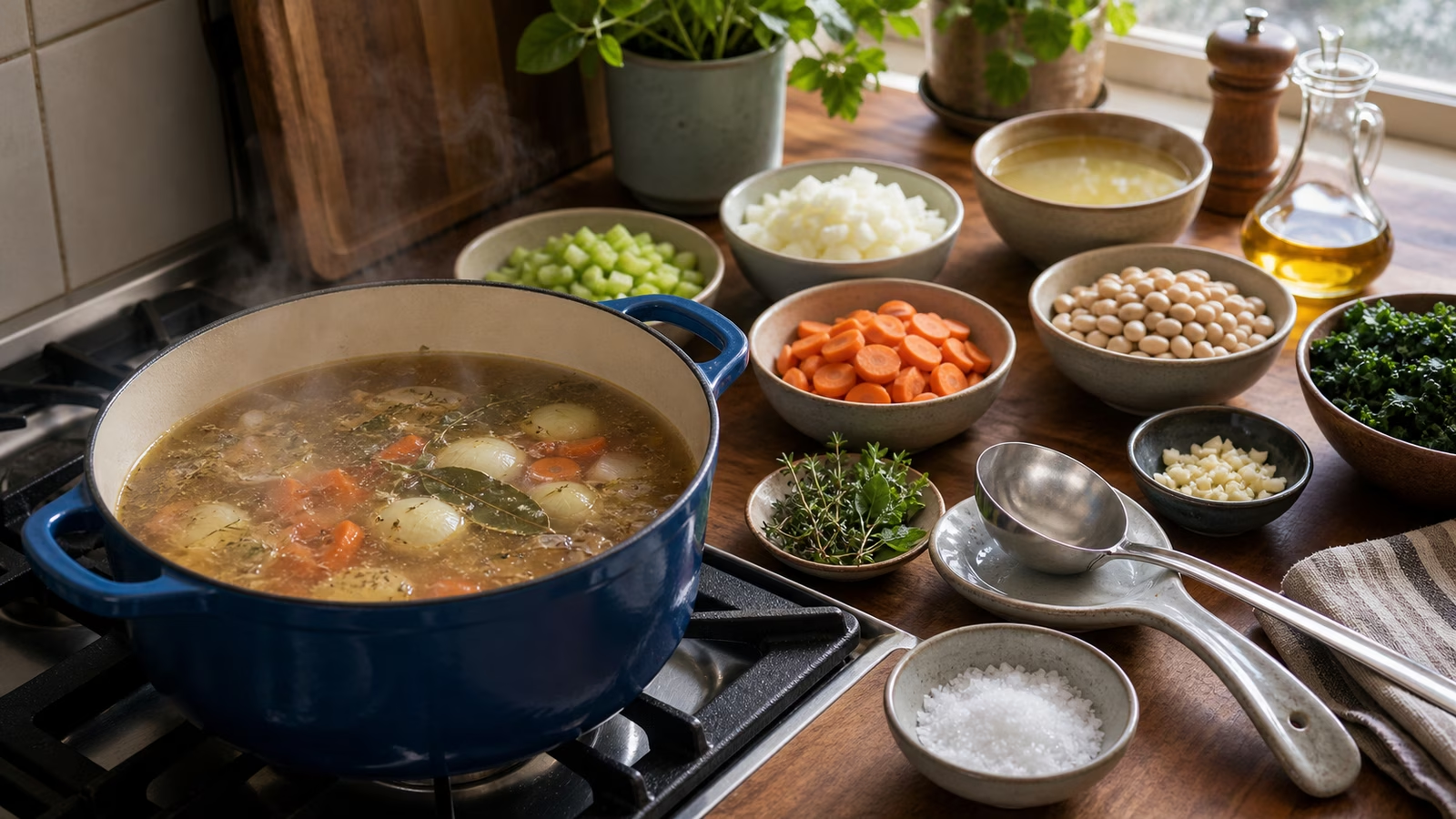
Soups and stews expose the difference between salty and seasoned. A soup can taste salty on the surface and still feel hollow underneath. A stew can have enough sodium and still leave the vegetables dull, the beans flat, or the broth disconnected from the meat and aromatics. The problem is usually not that the cook failed to add salt. The problem is that the salt arrived at the wrong moment, in the wrong form, or all at once at the end.
Liquid cooking asks salt to do several jobs. It seasons the ingredients as they soften. It helps vegetables release flavor into the broth. It makes beans, grains, and potatoes taste like part of the dish instead of objects floating in it. It balances sweetness, bitterness, acidity, fat, and heat. It also concentrates as water evaporates, which means a pot that tastes restrained at noon may taste stronger by dinner.
This is why salting soups requires patience. The best cook in the room is often the one who tastes repeatedly, adds less than panic suggests, waits for the pot to answer, and adjusts again after the ingredients have changed.
The First Salt Belongs With the Aromatics
Many soups begin with onions, carrots, celery, garlic, leeks, peppers, mushrooms, or other aromatics softening in fat. A small amount of salt at this stage helps draw moisture, encourages the vegetables to relax, and begins seasoning the base before the liquid arrives. This early salt does not need to carry the whole pot. It only needs to make the first layer taste like food.
Skipping this step can leave the soup tasting strangely separate. The broth may be salty later, but the vegetables never got their own chance to season. A carrot cube that tastes sweet and watery inside a salty broth is not the same as a carrot that softened with salt from the beginning. The difference is subtle, but it is the difference between a pot that feels assembled and a pot that feels integrated.
Early salt also helps the cook smell the base more clearly. Aromatics seasoned gently as they cook become more expressive. The kitchen tells you more about the direction of the dish before the stock goes in.
Broth and Stock May Already Be Speaking
Store-bought broth, bouillon, smoked meat, cured sausage, miso, soy sauce, cheese rinds, canned tomatoes, pickles, olives, anchovies, and many spice blends can bring salt before the cook reaches for the salt cellar. A soup made with unsalted homemade stock needs a different approach from one built on salty broth and cured ingredients.
The safe habit is to taste the liquid before adding a large amount of salt. This sounds obvious, but many soups go wrong because the cook follows a fixed idea rather than the pot in front of them. Two cartons of broth from different brands can behave differently. A ham bone can be mild one time and aggressive another. Canned beans may carry salt, while dried beans may need more deliberate seasoning.
Salted ingredients are not a problem. They are part of the seasoning system. The question is whether the cook counts them. If the pot already contains salty sausage and broth, the early salt should be lighter. If the pot contains water, dried beans, and vegetables, the salt has more work to do.
Beans and Potatoes Need Time
Beans and potatoes are especially good at revealing poor timing. Add salt only at the very end and the broth may taste seasoned while the beans remain bland. Salt the cooking liquid thoughtfully and the beans can become flavorful throughout. Potatoes behave similarly. They absorb seasoning as they cook, but they do not become deeply seasoned from a final sprinkle floating on top.
There are old warnings about salt preventing beans from softening. The reality is more nuanced, and cooking method, age of beans, acidity, and water chemistry all matter. For everyday cooking, beans generally benefit from some salt during cooking once the process is underway, especially if the goal is a finished soup or stew where the beans should taste like part of the dish. Acid is often the bigger timing issue for tenderness than salt alone.
The practical lesson is to give dense ingredients time with seasoned liquid. They cannot absorb what they never meet.
Reduction Changes Everything
A simmering pot loses water. As water leaves, salt and flavor concentrate. This is why a soup should not be pushed to its final salt level too early if it will reduce for another hour. A stew that tastes perfect before a long uncovered simmer may become too salty after the liquid tightens.
The opposite can also happen. A pot may taste weak early because the ingredients have not released flavor yet. The cook adds too much salt in response, then discovers later that the broth, vegetables, and meat have caught up. The result is not balance; it is overcorrection.
Better practice is to season in stages. Add a little early. Taste after liquid goes in. Taste after the main ingredients have softened. Taste after reduction. Make the final adjustment near the end, when the dish is close to its serving thickness. This is not fussy. It is simply listening to a pot that changes over time.
Acid Can Fix What Salt Cannot
Many soups that seem to need more salt actually need acid. A squeeze of lemon, a splash of vinegar, a spoonful of yogurt, a tomato element, pickled vegetables, or a bright herb finish can make a flat soup come alive without increasing salinity. Salt makes flavors clearer, but acid can make them feel awake.
This matters near the end. If the soup tastes heavy, dull, or muddy, adding salt may help a little and then stop helping. Acid may do the job more cleanly. Fat can also be part of the answer. A thin vegetable soup may need olive oil. A bean stew may need both acid and fat. A broth may need herbs rather than another pinch.
The good cook does not ask only whether the soup is salty enough. They ask what kind of dullness is present. Watery dullness, flat dullness, heavy dullness, and bitter dullness do not all need the same fix.
Finishing Salt Is Rarely the Main Tool
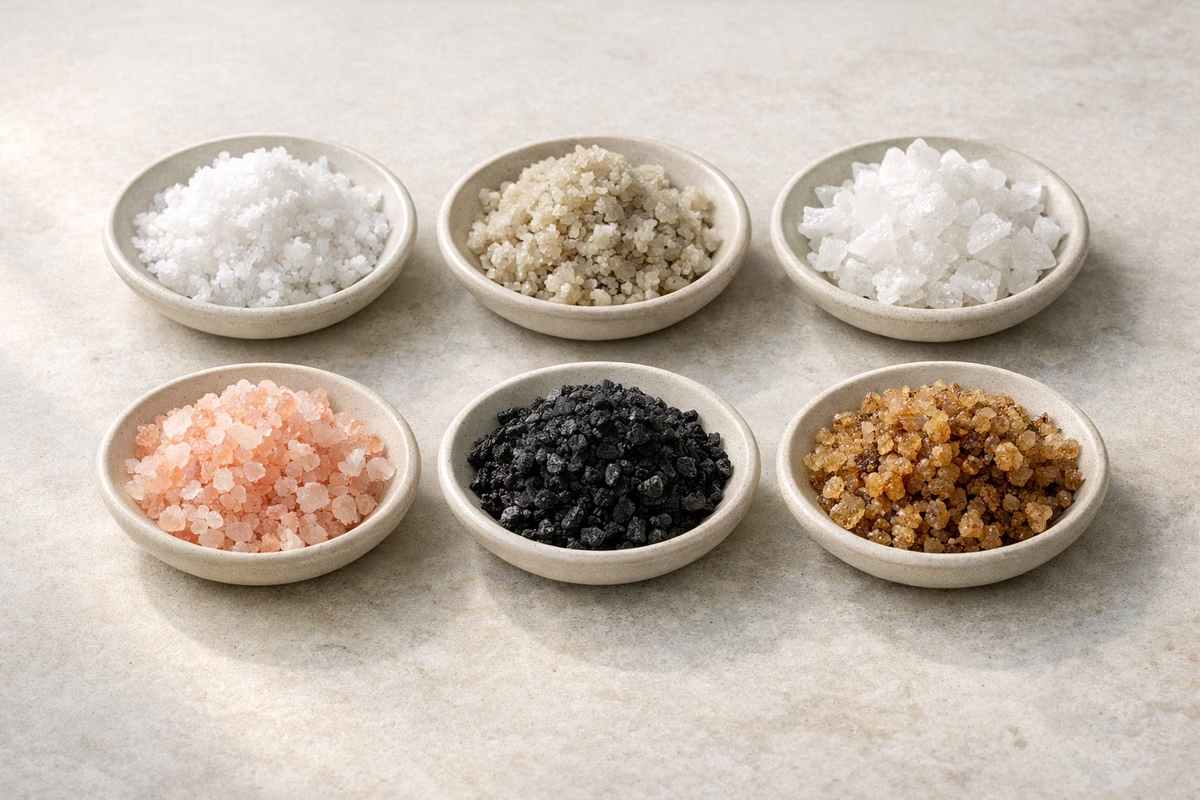
Finishing salts are wonderful on crisp vegetables, grilled meat, bread, chocolate, and foods where crystal texture survives. In soup, the crystal disappears almost immediately. That does not make finishing salt useless, but it means soup is usually not where expensive delicate salt earns its keep.
Use a reliable everyday salt for the pot. Save fragile flake salt or fleur de sel for the bread beside it, the roasted garnish on top, or another dish where texture matters. A stew can be finished with a small pinch if the salt is meant to sit on a dollop of yogurt, a fried egg, or crisp croutons, but the real seasoning should already be in the bowl.
Soup teaches humility because there is nowhere for decorative salt to hide. If the broth is wrong, a fancy crystal cannot fix the structure.
Taste Like You Mean It
The tasting spoon is the most important tool. Taste the broth alone, then taste it with the ingredients. A broth can seem balanced by itself and become bland when eaten with potatoes or noodles. A stew can taste intense in a spoonful of sauce and still need adjustment because the beans or vegetables are underseasoned.
Let the spoonful cool enough to taste accurately. Very hot liquid hides salt and dulls perception. Taste again after a minute. If you are cooking for others, remember that garnishes, bread, cheese, crackers, or rice may change the final impression.
Salting soups and stews is not a single act. It is a conversation with a changing pot. Start early, move carefully, count the salty ingredients already present, leave room for reduction, and finish with the question the bowl actually asks. When it works, the soup does not taste like salt. It tastes complete.