Sauces and dressings are where salt often becomes deceptive. A spoonful of vinaigrette can taste sharp and salty, then seem almost shy once it coats lettuce. A tomato sauce can taste perfect from the pot and dull when it meets pasta. A pan sauce can reduce quietly for two minutes and cross from savory to harsh. The food is not changing its mind. The sauce has two lives: one in the spoon and one on the thing it is meant to season.
That second life is the one that matters.
This guide sits beside Salt, Acid, and Fat because sauces are usually where those forces meet most directly. It also belongs after When to Salt , since a sauce can be seasoned early, late, or in stages depending on whether it will reduce, emulsify, rest, or coat something already salted. The goal is not to make every sauce taste bold by itself. The goal is to make the final bite taste coherent.
Salt Must Dissolve Before You Judge It
Dry salt crystals are not the same thing as dissolved seasoning. In a dressing, dip, sauce, or marinade, salt needs a little time and enough water-based liquid to disappear evenly. If you taste immediately after sprinkling coarse crystals into oil, you may get one salty bite and one flat bite because the salt has not yet found the watery part of the mixture. Oil can carry aroma and richness, but salt dissolves in water, vinegar, citrus juice, tomato juices, dairy moisture, broth, wine, or the liquid released by vegetables.
This is why a vinaigrette often behaves better when the salt is stirred into the vinegar or lemon juice before the oil is whisked in. The salt dissolves where it can actually dissolve, then the oil joins the mixture. The same habit helps with yogurt sauces, tahini sauces, salsas, and herb dressings. If the salt is still gritty, the sauce has not finished answering.
Crystal size changes this rhythm. Fine salt dissolves quickly and is useful in smooth sauces where a stray crunch would feel wrong. Coarser salts can work, but they need more time and more stirring. Flaky finishing salt is usually the wrong tool inside a dressing because the texture that makes it special disappears unevenly, then may leave the measurement misleading. Table Salt, Kosher Salt, and Sea Salt explains the label side of this; sauces make the practical side obvious.
Taste Sauce With Its Food
A sauce tasted alone is a clue, not a verdict. Dressing should often taste slightly too sharp and a little too salty from the spoon because lettuce, cucumbers, beans, potatoes, bread, or grains will soften it. Tomato sauce for pasta should be judged on pasta, not only from the pot. A salty pan sauce may be exactly right when it is dragged through unsalted mashed potatoes and too much when poured over a chop that was already dry brined. Context decides the final salinity.
This is especially important with plain foods that absorb or dilute flavor. Potatoes, pasta, rice, beans, lentils, bread, and eggs can make a sauce taste less intense than it did alone. The reverse is also true. A sauce that contains anchovies, olives, capers, miso, soy sauce, aged cheese, salted butter, or cured meat may taste balanced by itself and become too salty once it lands on seasoned food. Taste the combination before adjusting the whole batch.
The habit is simple and powerful. Dip a leaf into the dressing. Spoon tomato sauce over a piece of pasta. Put pan sauce on a bite of meat or vegetable. Taste the actual bite and ask whether the salt is supporting the food or sitting above it. That question gives better answers than chasing a perfect spoonful.
Vinaigrettes Need Salt Before Oil Takes Over
A vinaigrette looks simple, but it is an argument among water, acid, oil, and salt. The acid gives brightness. The oil gives body. Salt gives focus. If the salt is added late and unevenly, the dressing may taste sharp at first, oily after that, and salty only in occasional bursts. Dissolving salt into the vinegar or citrus first gives the dressing a clearer center.
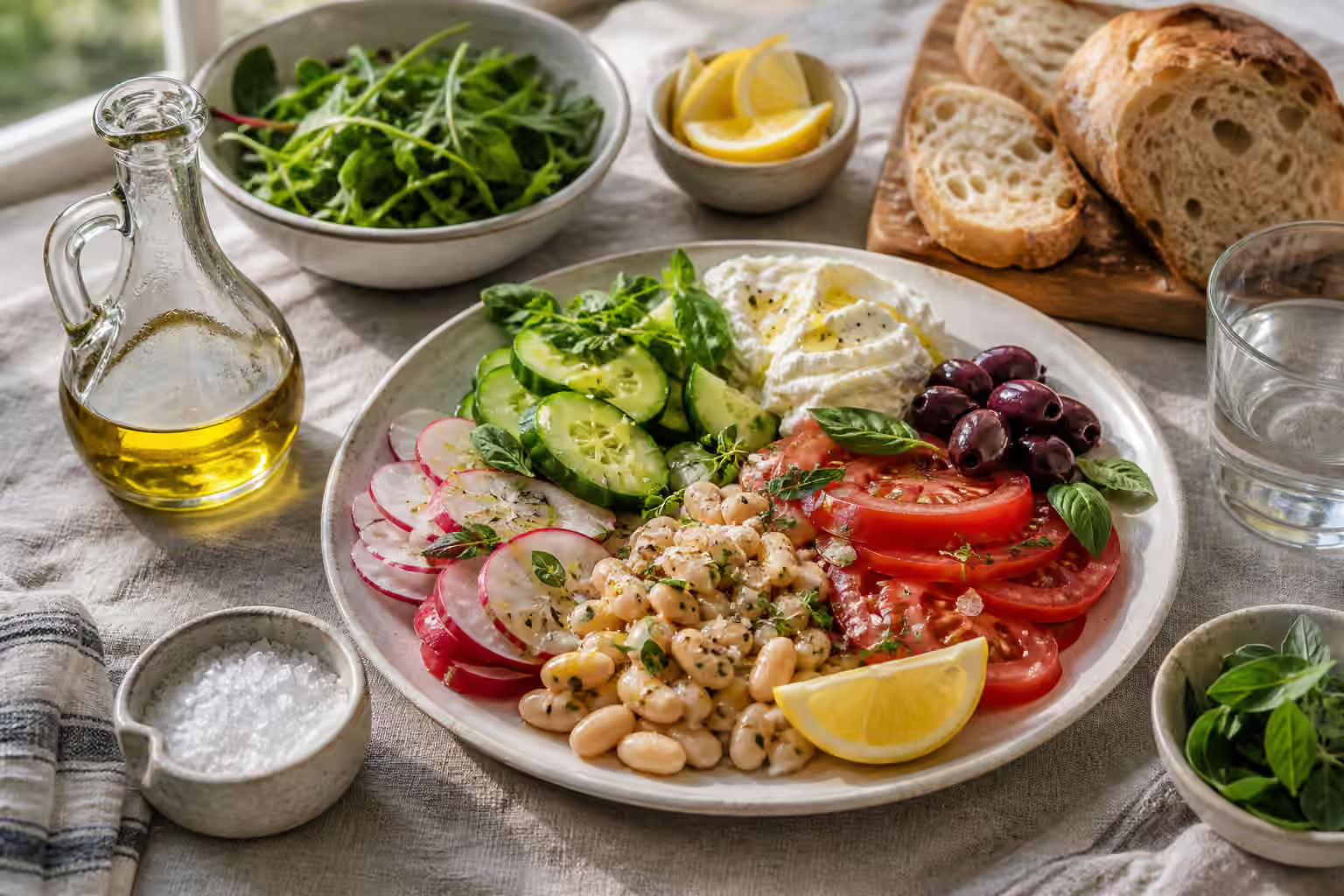
The salad underneath decides how assertive the vinaigrette should be. Tender greens need restraint because they wilt and carry dressing on a large surface area. Sturdy kale, cabbage, bitter greens, cooked beans, boiled potatoes, grilled vegetables, and grain salads can take more seasoning because they have more body. A dressing for watery cucumbers may need to account for liquid released after salting. A dressing for tomatoes may need less added liquid because the salted tomato juice becomes part of the sauce. Salting Vegetables is useful here because it explains how quickly vegetables change once salt enters the bowl.
Do not ignore the salty ingredients already in the dressing. Mustard, grated cheese, anchovy, fish sauce, miso, capers, olives, pickle brine, and salted nuts can all bring their own salt. They may also bring acid, bitterness, savoriness, or texture. That makes them valuable, but it means the final pinch should come after tasting, not from habit.
Pan Sauces Concentrate Fast
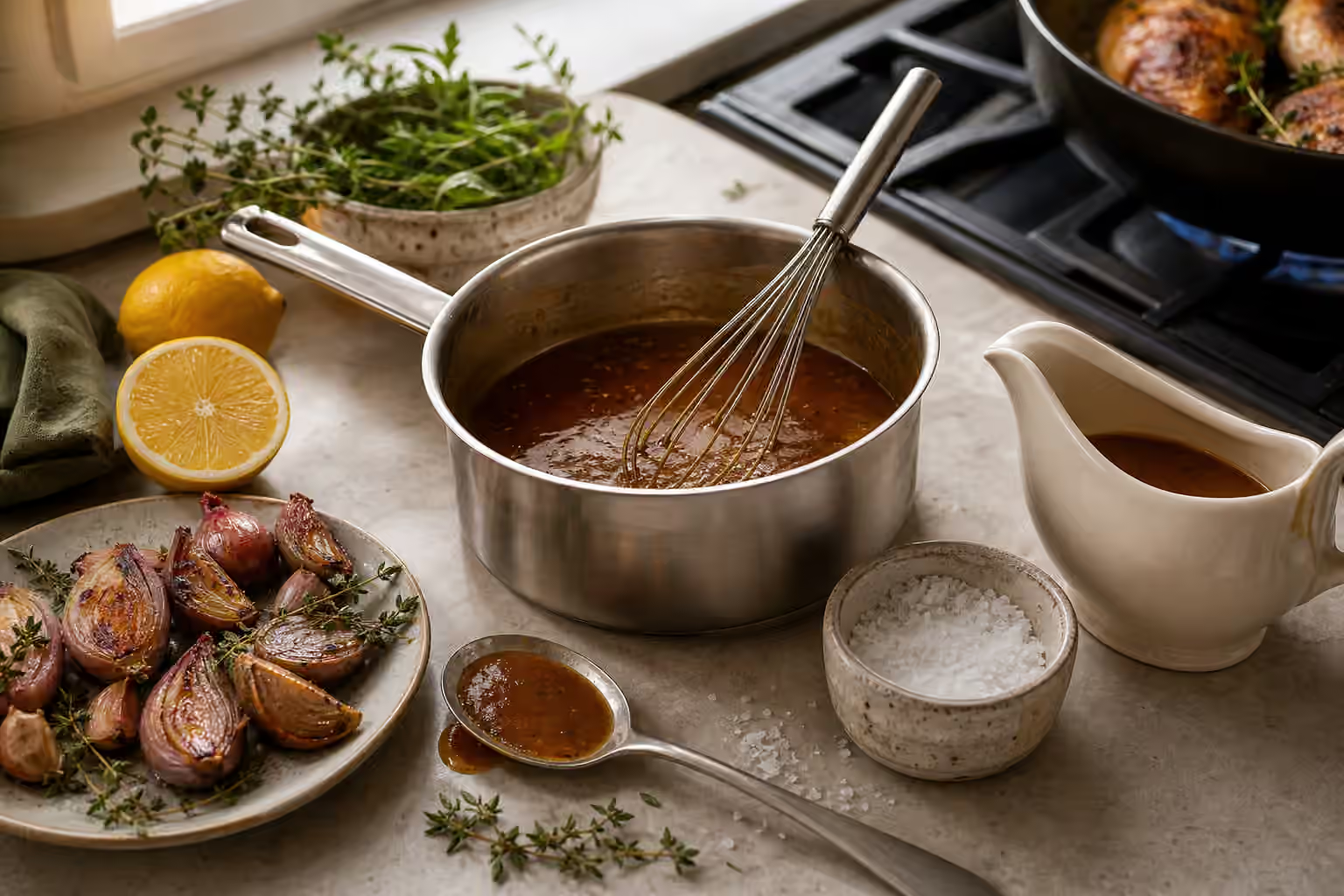
Pan sauces are small, intense, and easy to over-salt because they often reduce. A skillet with browned bits, wine, stock, butter, and meat juices can taste thin at first, then suddenly taste powerful as water evaporates. Salt does not evaporate with the water. It stays behind and grows more concentrated.
The safest pattern is to season lightly early, then finish after the sauce has reached its real volume. If the stock is already salty, the pan drippings came from salted meat, or the sauce will be mounted with salted butter, hold back. The sauce may not need much added salt at all. What it may need instead is acid, fat, or enough reduction to bring body. Adding salt too early can trap the cook into a corner where the sauce still needs concentration but cannot afford more evaporation.
A pan sauce also needs to be tasted with the food it will accompany. A steak or chicken thigh salted ahead of cooking brings seasoning to the plate before the sauce arrives. A plain steamed vegetable or unsalted grain does not. This is where Salting Meat and Poultry and sauce work meet each other: the better seasoned the main ingredient is, the less the sauce has to rescue.
Tomato Sauces Change With Time
Tomato sauce is a slow lesson in salt, acid, sweetness, and reduction. Early salt helps onions, garlic, tomatoes, and oil taste like one sauce instead of separate ingredients. It can draw moisture from aromatics and help the pot settle. But tomato sauce also reduces, and tomatoes vary in acidity and sweetness, so final seasoning belongs near the end.
If tomato sauce tastes flat, salt may be missing. If it tastes salty but still dull, acid or fat may be the answer. A small splash of vinegar, a little pasta water, a knob of butter, olive oil, or more simmering can change the shape without simply raising salinity. This is the same balance described in Salt, Acid, and Fat , but tomato sauce makes it especially tangible because the sauce can seem close to finished while still lacking lift.
The pasta matters too. If the pasta was cooked in properly salted water, the sauce should not be treated as the only source of seasoning. If the pasta is bland, the sauce has to work harder and may end up tasting too salty on its own. Pasta Water and Salted Cooking Liquids explains why the base food should carry some seasoning before sauce arrives. Sauce and starch should meet as partners, not as a correction.
Marinades Are Not Magic Brines
Marinades often get asked to do too much. They are expected to season deeply, tenderize, perfume, preserve, and transform food in a short rest. Salt can help a marinade season the surface and, with enough time and the right food, move inward a little. But a marinade is not automatically a deep brine just because it tastes salty. Many marinades mostly affect the outside of the food, especially when oil, sugar, spices, and aromatic solids are involved.
This matters because salty marinades can make the surface taste aggressive while the interior remains quiet. Thin fish fillets, shrimp, sliced vegetables, tofu, and small pieces of chicken respond quickly. Large roasts and thick steaks do not become evenly seasoned by a brief soak in a salty mixture. For deeper seasoning, early salting or dry brining may be more reliable than a crowded marinade full of competing flavors.
Acidic marinades add another complication. Lemon juice, vinegar, wine, yogurt, and other acidic ingredients can brighten flavor, but they can also change surface texture when given too much time. Salt and acid together are useful, but they should be matched to the food and the rest period. A quick marinade for sliced vegetables is not the same as a long rest for meat. The cook has to decide whether the sauce is meant to season, coat, brighten, or genuinely penetrate.
Dips and Condiments Need Rest
Dips, spreads, salsas, and condiments often taste different after ten minutes. Salt dissolves. Garlic blooms. Herbs soften. Chiles spread. Yogurt loosens. Tomatoes release juice. Beans absorb seasoning. Tahini thickens or relaxes depending on water and acid. A dip that tastes slightly disjointed at first may become balanced after a short rest, while one that seemed properly salty may sharpen as flavors settle.
Rest is especially important when raw garlic, onion, chile, herbs, citrus, or vinegar are present. Salt pulls water and aroma into the mixture, which can make the whole bowl taste more integrated. It can also make strong ingredients louder. The best moment to make the final salt adjustment is after the dip has rested briefly and after you taste it with the food that will carry it. A salty dip on salted chips is a different bite from the same dip on plain vegetables or warm bread.
Texture changes the answer too. A thick bean dip needs enough salt to reach through starch and fat. A loose salsa may need less because every spoonful carries bright liquid. A yogurt sauce can taste flat without enough salt, then harsh if salted before a salty main dish joins it. Taste in context, let the mixture settle, then adjust gently.
The Final Pinch Should Have a Job
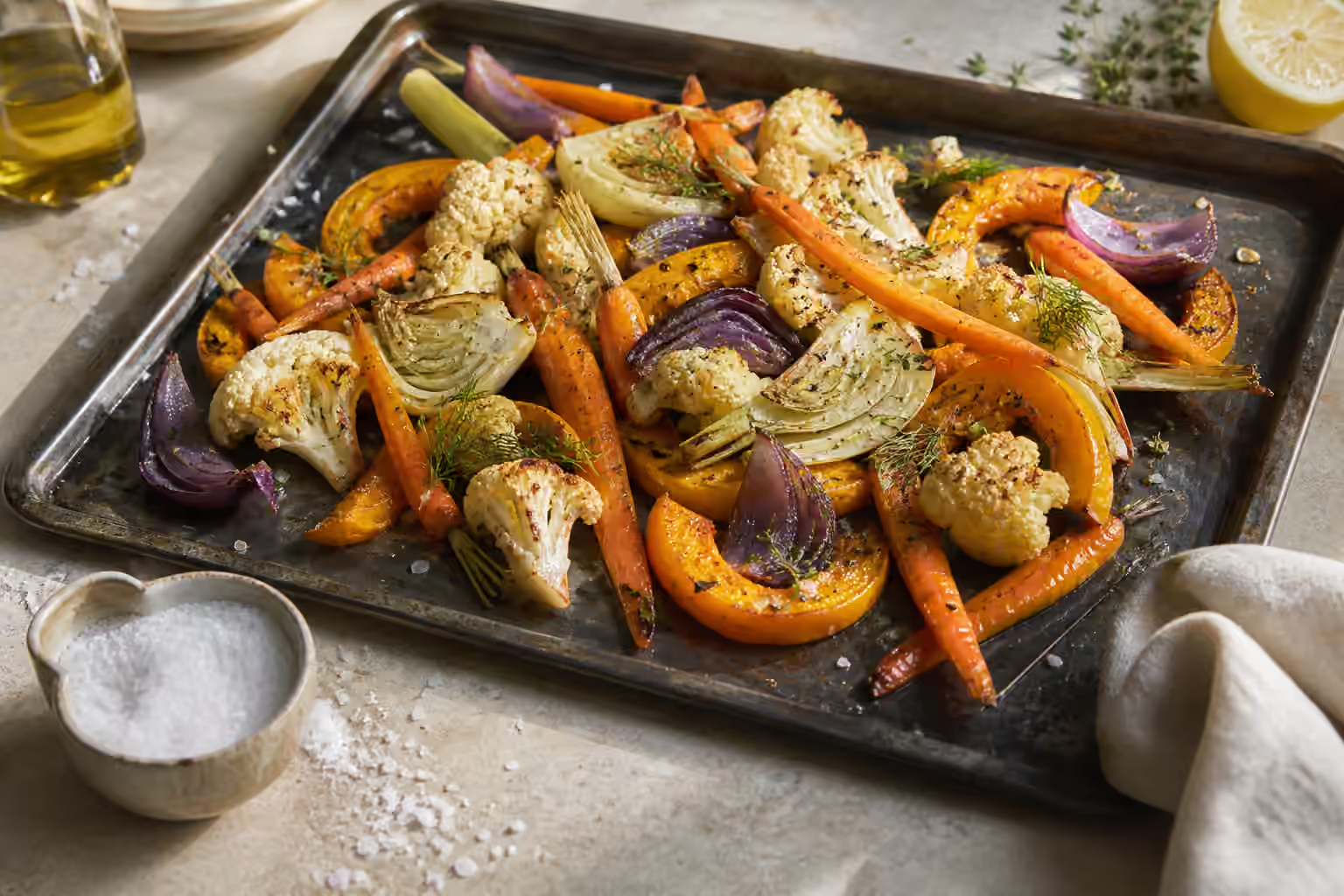
Finishing salt can be beautiful on a sauced dish, but it should not duplicate work the sauce has already done. A few flakes over dressed tomatoes, grilled vegetables with yogurt sauce, a caramel sauce on a tart, or a plate of eggs with salsa can add texture and a bright first second. The same flakes stirred into the sauce would lose that physical effect. Use finishing salt where it will still be felt.
The final pinch should answer a specific question. Does the sauce taste focused but need texture? Does the plated food need a little surface sparkle? Is the base food already seasoned enough that only the first bite needs emphasis? If the sauce itself is underseasoned, fix the sauce. If the food underneath is bland, season the food earlier next time. Finishing salt is at its best when it completes a good bite rather than covering a weak one.
Sauces reward calm tasting because they are concentrated, flexible, and contextual. Let salt dissolve before judging. Taste sauce with the food it will season. Leave room for reduction. Respect salty ingredients already present. Give dips and dressings a short rest. Use finishing salt only when texture and first contact matter.
The work is modest, but the effect is large. A well-salted sauce does not announce itself as salty. It makes lettuce taste dressed, pasta taste joined to its sauce, meat taste complete, and vegetables taste intentional. Salt has not taken over. It has helped the sauce find its place.