A salad exposes lazy seasoning quickly. There is no long simmer to hide behind, no browned crust to distract the palate, and no sauce that can rescue every bite at the last second. If the greens are bland, the tomatoes flood the bowl, the dressing tastes sharp by itself but weak on the leaves, and the cheese is doing all the salt work, the salad will taste busy but not connected.
Good salad salting is not about showering a bowl with crystals at the end. It is about deciding which ingredients need time, which need protection, and which should receive salt only when the salad is almost ready to eat.
This guide belongs beside Salting Vegetables and Salting Sauces and Dressings . Those pages explain water release and dressing logic. A salad brings both ideas into one bowl, where salt may touch raw leaves, juicy produce, cooked grains, toasted nuts, cheese, pickles, herbs, and oil within the same few minutes.
Greens Need Timing More Than Drama
Tender greens do not want a long relationship with salt. Lettuce, little gem, butter lettuce, soft herbs, baby spinach, and delicate mixed greens can wilt quickly once salt and dressing arrive. Their cells give up water, the surface softens, and the bowl loses lift. This is why many green salads should be salted close to serving, often through the dressing rather than by salting the leaves far in advance.
That does not mean greens should be unsalted. It means their salt should arrive with a plan. A vinaigrette with properly dissolved salt can season a tender salad more evenly than a late scatter of coarse crystals. The dressing coats many surfaces at once, and the salt has already found the vinegar or lemon juice where it can dissolve. The greens taste seasoned without being crushed by direct salt contact too early.
Sturdier greens behave differently. Kale, cabbage, escarole, radicchio, collards, and hearty chicories can benefit from a brief rest with salt, acid, or dressing because their texture needs softening. A kale salad that feels tough at first may become more pleasant after salt and acid have relaxed the leaves. A cabbage slaw can go from raw and squeaky to crisp and flexible. The same timing that ruins tender lettuce can improve sturdy greens. The ingredient decides the rule.
Watery Vegetables Should Answer First
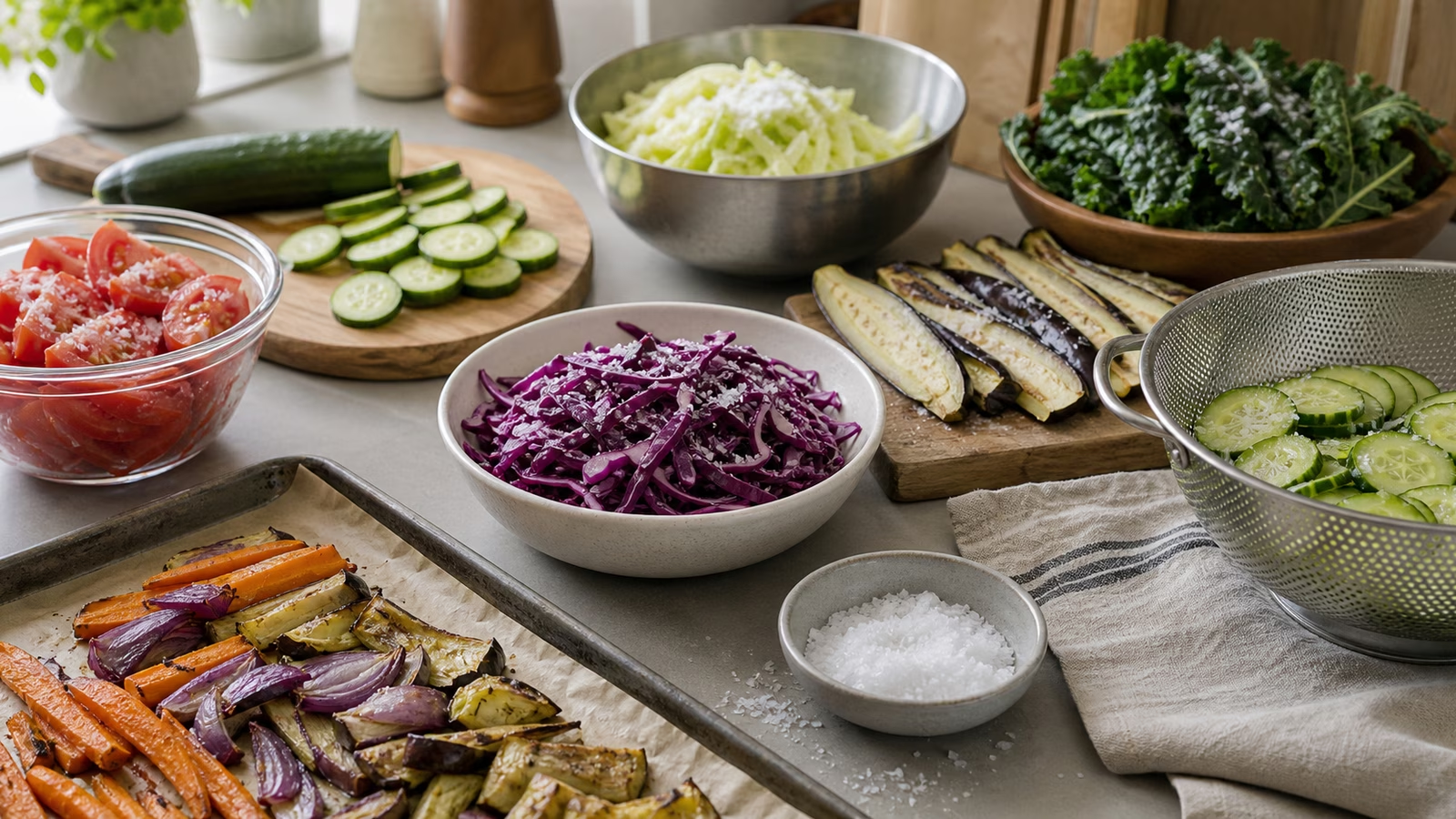
Cucumbers, tomatoes, zucchini ribbons, radishes, celery, fennel, and some fruits carry enough water to change a salad after it is assembled. Salt can turn that water into a useful dressing base or an accidental puddle. The difference is timing.
Cucumbers often benefit from a short salted rest before they join a salad. They release water, concentrate slightly, and become less likely to dilute yogurt, sesame dressing, vinaigrette, or herbs. Tomatoes also improve with a little early salt because their juices become part of the dressing. A tomato salad with oil, vinegar, bread, beans, or cheese often depends on those salted juices to connect the bowl. Radishes and fennel may need only a lighter touch because their crispness is part of the pleasure.
The important habit is to salt watery vegetables before final assembly when their released liquid can be used or discarded intentionally. If the liquid tastes good, keep it and build the dressing around it. If it would water down the salad, drain or blot the vegetable before it joins the bowl. Salt is not only seasoning here. It is a way to ask the vegetable what it is going to contribute.
Salting Tomatoes follows this in more detail, but the salad lesson is simple: do not wait until the whole bowl is dressed to discover that the tomatoes have made a second dressing of their own.
Dressing Should Taste Stronger Than a Spoonful Suggests
A salad dressing tasted alone can be misleading. It may seem too salty, too acidic, or too intense in the spoon, then become correct once it coats greens, cucumbers, bread, potatoes, beans, grains, or cheese. The salad dilutes the dressing through water, surface area, starch, fat, and crunch. That is why dressing should be judged on a bite of salad, not only on a fingertip or spoon.
Salt should dissolve before the dressing is judged. Stir it into vinegar, lemon juice, tomato juice, yogurt, buttermilk, or another watery part before adding oil when possible. Oil carries aroma and richness, but salt does not dissolve in oil. If coarse salt is tossed into oil-heavy dressing at the end, the salad may get uneven pockets: one leaf bright, another flat, another suddenly salty.
This is especially important when the salad includes bitter greens. Radicchio, endive, escarole, arugula, and some herbs need enough salt to bring their bitterness into balance, but they may also need acid, sweetness, fat, or cheese. If a bitter salad tastes harsh, more salt is not always the answer. A little more oil, lemon, vinegar, fruit, honey, toasted nuts, or shaved cheese may be the thing that turns bitterness into structure.
Salty Ingredients Count Before the Pinch
Many salads already contain salt before the cook reaches for a cellar. Feta, parmesan, blue cheese, olives, capers, anchovies, cured fish, bacon, croutons, salted nuts, pickles, miso dressing, soy-based dressing, mustard, and salted seeds all bring seasoning. Some bring it in sharp bursts. Some bring it dissolved into the dressing. Some release it slowly as the salad sits.
This makes salad seasoning more like orchestration than arithmetic. A bowl with mild greens, sweet tomatoes, and unsalted toasted walnuts may need a confident dressing and a final flake. A bowl with olives, feta, anchovies, and salted pistachios may need restraint even if the greens taste plain before tossing. Once the salty ingredients are distributed, every bite changes.
Salty Pantry Ingredients is useful here because it treats anchovies, olives, miso, cheese, and condiments as seasoning rather than garnish. In a salad, that mindset prevents duplication. Cheese is not only a topping. Olives are not only decoration. They are part of the salt system.
Grains, Beans, and Potatoes Need Earlier Salt
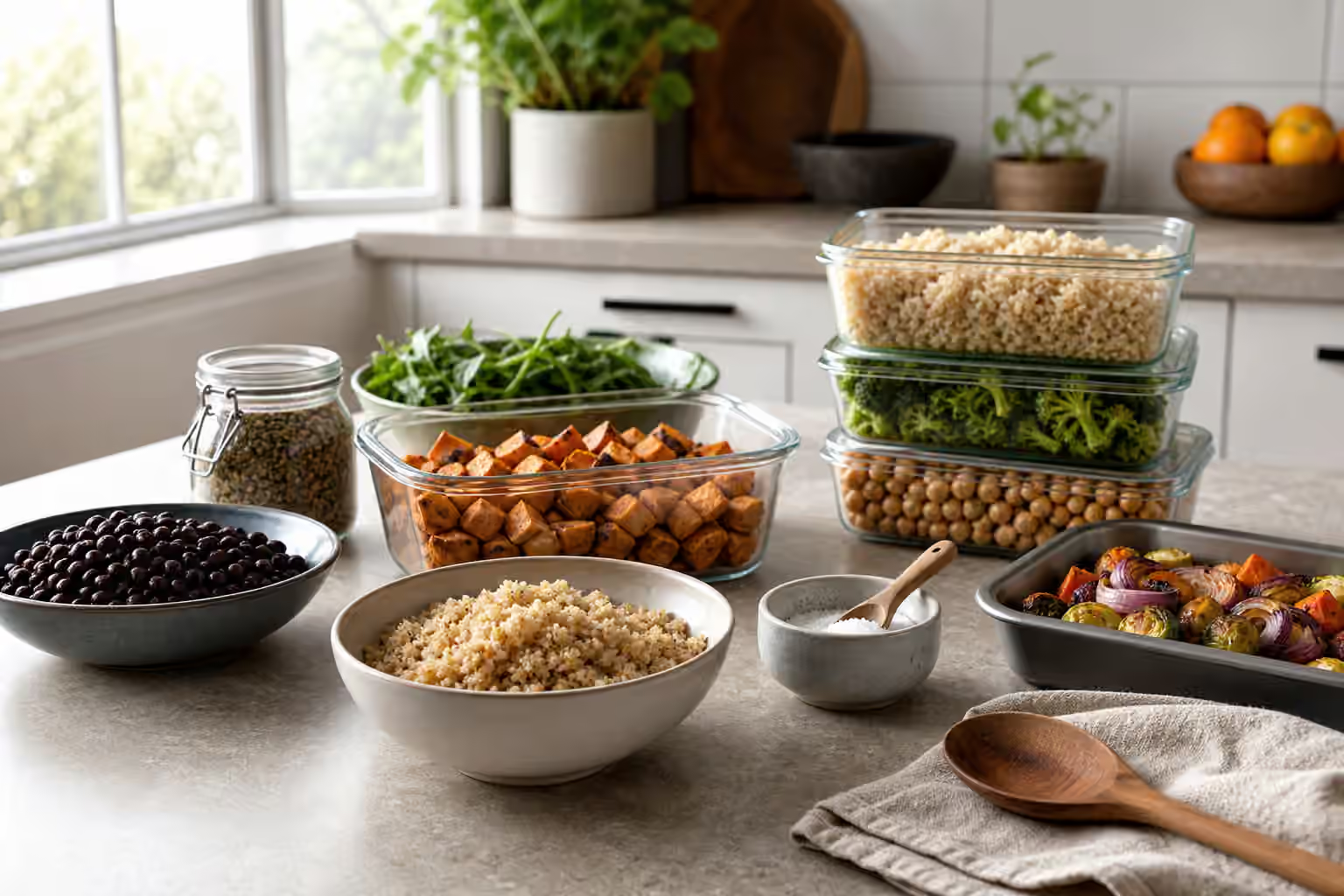
Grain salads, bean salads, potato salads, and lentil salads reveal a different problem. Their main ingredients are dense enough that surface dressing cannot fully correct bland interiors. A potato cooked in unsalted water and then tossed with salty dressing may taste seasoned at the edges and dull in the center. Rice or farro cooked without salt can make a bright herb dressing work too hard. Beans that never met salt while warm can taste flat under lemon and oil.
The fix usually happens before the salad exists. Salt the cooking water thoughtfully. Dress some ingredients while they are still warm enough to absorb flavor. Taste the base before adding the louder elements. Salting Beans, Lentils, and Grains and Salting Potatoes both make this point: staple ingredients need time with salt, not just a decorated surface.
This does not mean grain and potato salads should taste salty on their own. It means the base should taste like food before herbs, pickles, mayo, vinaigrette, cheese, or nuts arrive. When the base is seasoned, the dressing can be cleaner and the final salad tastes less like a fight between bland starch and salty extras.
Finishing Salt Should Be Felt, Not Hidden
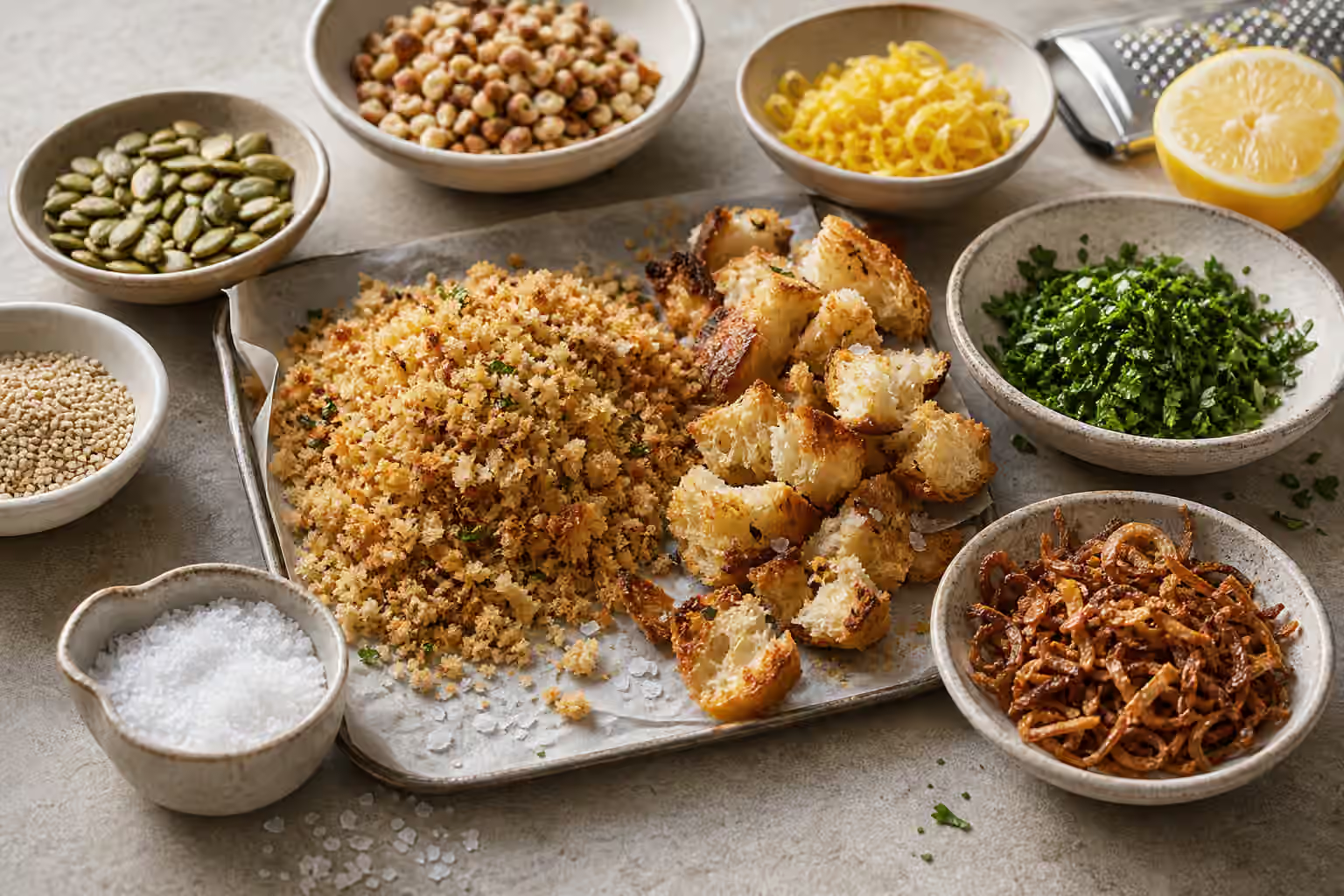
A finishing salt can be beautiful on salads, but it should be used where its texture survives. Flake salt on tomatoes, cucumbers, grilled vegetables, boiled eggs, melon, or a composed salad can add a bright first contact. Fleur de sel can be lovely on simple greens with good oil and lemon. A damp gray salt can suit roasted vegetables or a warm potato salad. But finishing salt stirred aggressively into a wet bowl disappears quickly and may season unevenly.
If the dressing is already properly salted, the finishing salt should be modest. It is there for texture, not correction. If the salad tastes underseasoned throughout, fix the dressing or the base ingredients first. A final pinch can sharpen the top, but it cannot season the center of a potato or undo bland cooking water.
This is the same distinction that runs through Salt Quickstart : cook with practical salt and finish with expressive salt. In salad terms, dissolve practical salt into dressing, give watery vegetables and cooked bases the time they need, then use expressive salt only where the eater can feel it.
Tossing Changes the Answer
A salad changes as it is tossed. Dressing spreads, salt dissolves, leaves soften, tomato juice leaks, toasted seeds cling, cheese breaks, and herbs bruise. A salad that tastes perfect before tossing may taste uneven after five minutes, while one that seems slightly intense at first may settle into balance once the ingredients share their moisture.
This is why tasting a salad means tasting an actual forkful from the bowl, not one isolated leaf. Try to include the greens, dressing, watery vegetable, crunchy element, and salty ingredient in the same bite. If that bite works, the salad works. If each part tastes good separately but the forkful feels confused, the seasoning has not connected the bowl.
The best salad salting is quiet. The greens stay alive. The tomatoes make useful juice. The cucumbers stay crisp enough. The dressing is dissolved and purposeful. The salty cheese or olives are counted. The grains or potatoes taste seasoned before they meet the bowl. The final flakes land where they can still crackle. Nothing is shouting, and nothing is hiding. The salad tastes like one meal instead of a pile of separate ingredients politely sharing a bowl.